
Is It Cheaper to Cook With Pellets or Charcoal? Pellets, Per Hour
Pellets cost less per hour of cooking because the auger feeds only what the fire needs. Charcoal wins on a short sear and on upfront cost.
 By
On this page
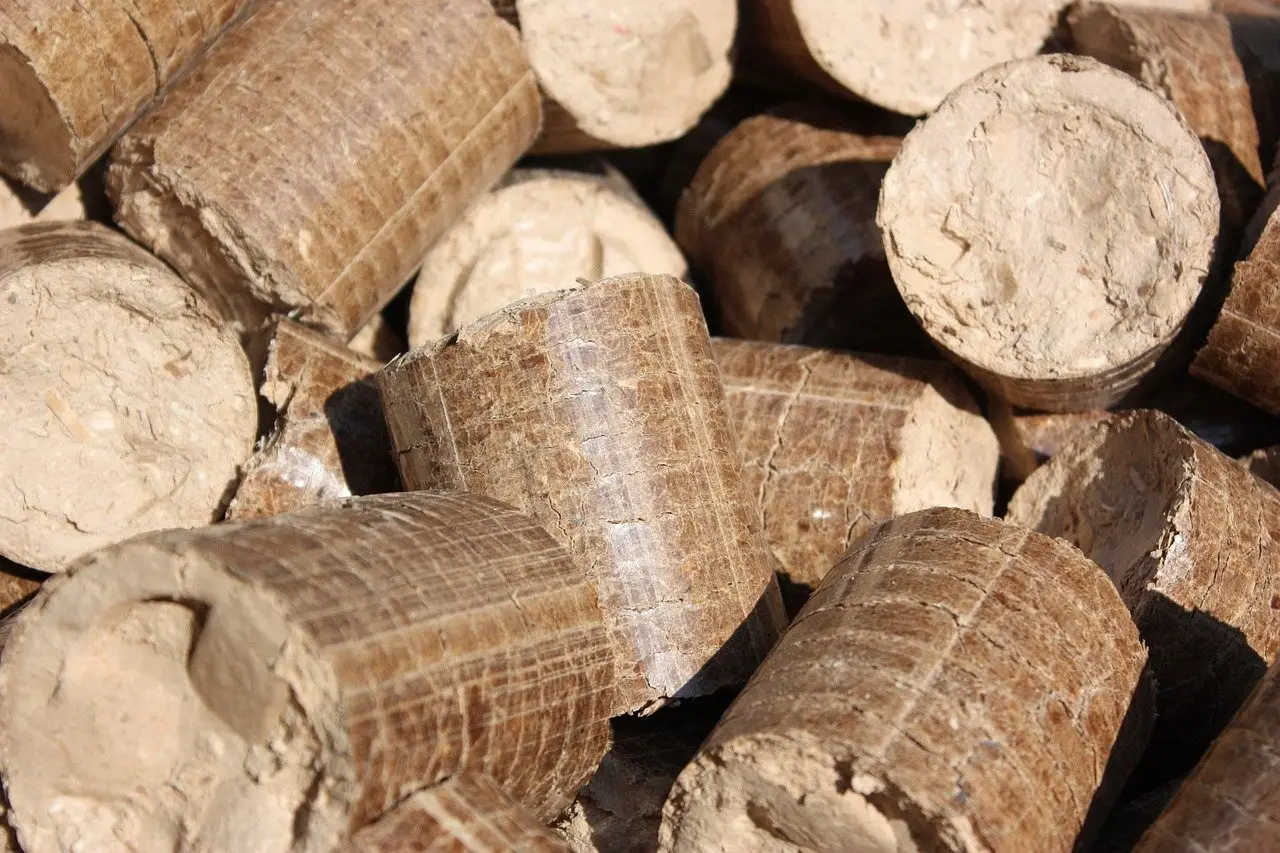
Pellets, per hour of cooking. The auger feeds only what the set temperature needs, while a charcoal grill burns a fixed load whether the food needs it or not. Charcoal wins on a short sear — and overwhelmingly on the purchase price.
Per hour of cooking
| Pellets | Charcoal | |
|---|---|---|
| Fuel metered to demand | Yes — auger feeds the fire | No — fixed load |
| Low and slow, 8 hours | Cheaper | Dearer, plus refuelling |
| Quick 30-minute sear | Wasteful — full ignition cycle | Cheaper |
| Wasted fuel | Little | A lot on short cooks |
| Cold or windy day | Consumption can double | Burns faster, same load |
| Grill purchase price | High | Low |
| Needs mains power | Yes | No |
The numbers to plan with
- Pellets: about 0.5–1 kg/hour at 110–120°C; two to three times that running hot. Cold, wind and lid-opening all push it up — a cold windy day can double it.
- Charcoal: a chimney load burns usefully for 45 minutes to 1.5 hours, and a bag gives several loads.
The charcoal saving most people skip
A charcoal grill burns its load down whether or not you are cooking on it. Shut the vents to extinguish the moment you are done and reuse the part-burnt charcoal next time — that recovers a real share of the cost of every short cook.
Lump or briquettes
- Briquettes — cheaper per kilo, burn longer and more evenly. Better value for long cooks, and steadier.
- Lump — lights faster, burns hotter, less ash, burns through quicker. Worth the premium for searing.
The electricity question
Small but real: a pellet grill needs mains power for the auger, fan and controller — a few hundred watts during ignition, well under a hundred once running. Over a long cook that is a modest addition.
The practical consequence is not cost
A pellet grill cannot be used where there is no power. That rules out camping, a remote plot and anywhere an extension lead is not realistic. Charcoal goes anywhere.
Overall
Charcoal, by a wide margin, once the grill is included. A good kettle costs a fraction of a pellet grill and has almost nothing to go wrong. The pellet grill’s running-cost advantage on long cooks needs years of heavy use to repay the purchase difference — so buy one for the convenience and temperature control, not as a saving.
Common questions
Is it cheaper to cook with pellets or charcoal?
How many pellets does a smoker use per hour?
How long does a bag of charcoal last?
Are lump charcoal and briquettes different on cost?
What about the electricity a pellet grill uses?
Which is cheaper overall once you include the grill?
Backyard Weekly
Know what to plant, week by week
Join the weekly email for seasonal jobs, fixes for what is going wrong, and gear worth buying.
Not ready to subscribe? The planting calendar is free and needs no email.
By subscribing you agree to our privacy policy. Grow In Backyard will never sell your address.
Keep reading
Which Is Healthier, Charcoal or Pellet Grill? Pellets, Slightly
Lower, steadier temperatures mean a pellet grill produces fewer of the compounds linked to charring. But how you cook matters far more than the fuel.
What Can I Use Instead of Charcoal? Four That Work
Hardwood, charcoal briquettes from other sources, a gas conversion or an electric grill all work. What never works is construction timber or lighter fuel alone.
Is the Green Egg a Smoker? It Is a Kamado — So Both
A ceramic kamado smokes, grills and sears in one body. The ceramic holds temperature for hours, which is what makes low and slow possible without tending.
Outdoor Kitchen Planning: Utilities, Layout, and Cost
The grill is the cheap part. Where the services run, how much counter you need either side of the heat, and which materials survive being left outside.