
What Can I Use Instead of Charcoal? Four That Work
Hardwood, charcoal briquettes from other sources, a gas conversion or an electric grill all work. What never works is construction timber or lighter fuel alone.
 By
On this page
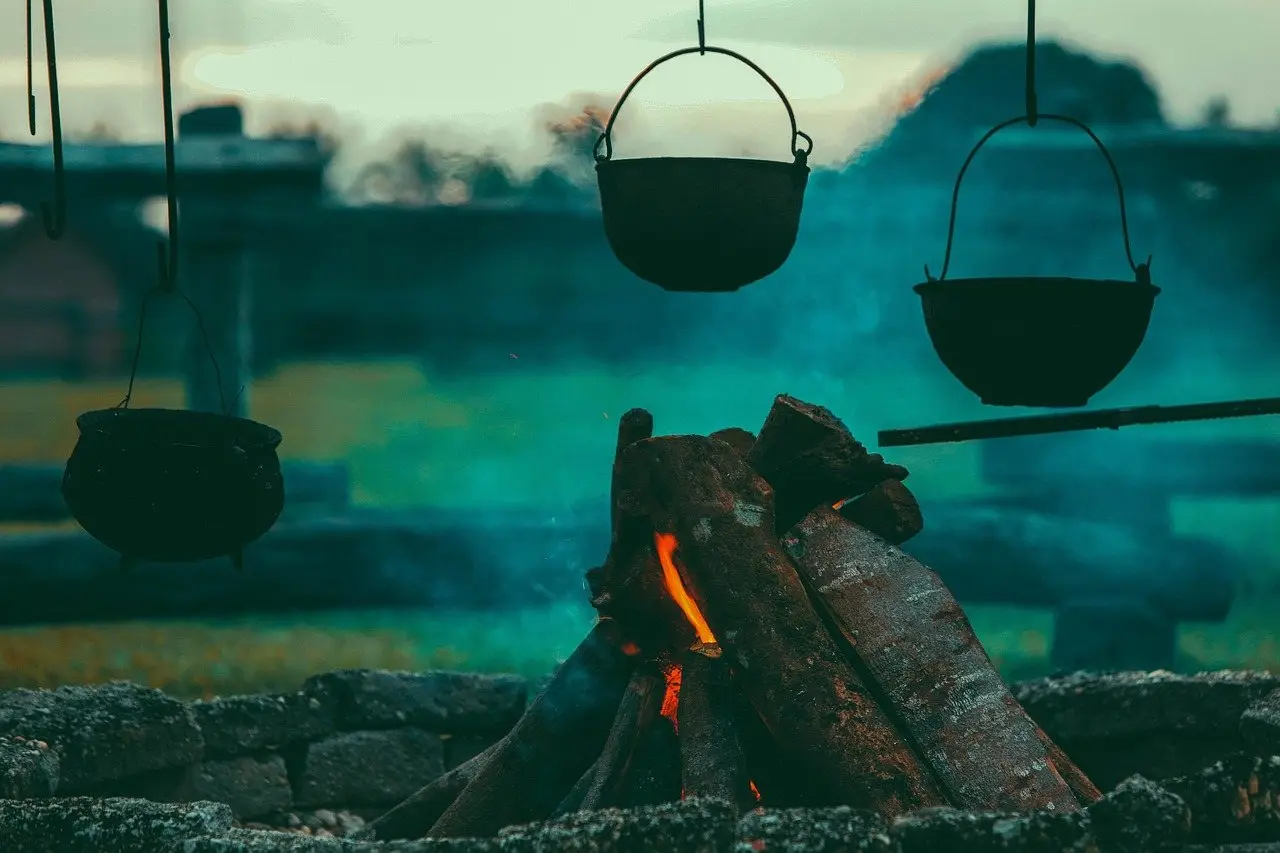
Seasoned hardwood burned down to embers is the closest substitute — it is also the original method. Gas and electric remove the question entirely. What never works is construction timber, or trying to cook over lighter fluid.
The options
| Fuel | Flavour | Heat | Wait | Notes |
|---|---|---|---|---|
| Seasoned hardwood | Best | Uneven | 30–45 min | The original method |
| Lump charcoal | Very good | Hot, fast | 15–20 min | Less ash, burns out sooner |
| Briquettes | Good | Steady, long | 20–30 min | Suits slow cooking |
| Gas | Fair | Instant, controllable | None | Add a smoker box |
| Electric | Least | Controllable | None | Where fire is prohibited |
| Cast iron griddle indoors | Fair | Controllable | None | Real searing, no smoke |
Never cook over flames, only over embers
Flames deposit soot on the food and scorch the outside before the inside cooks. With wood that means waiting for the fire to burn down to glowing embers — which is most of the extra time wood costs you.
Which woods
Use: oak, hickory, maple, ash, beech, and fruit woods such as apple and cherry. Seasoned, dry, and unpainted.
Avoid:
- Treated, painted, stained or glued timber — construction lumber, plywood, chipboard, MDF
- Pallets of unknown origin — frequently treated
- Softwoods such as pine and spruce — not toxic, but resinous, spitting, and they taste of turpentine
Lighter fluid is not a fuel, it is a starter
Food cooked while lighter fluid is still burning off tastes of it. Let the coals ash over completely before anything goes on — or use a chimney starter and skip the fluid entirely.
Lump or briquettes
- Lump: lights faster, burns hotter, less ash. Searing. Burns out sooner and less evenly.
- Briquettes: uniform, longer, steadier temperature. Slow cooking. Some contain binders that produce more ash.
For ordinary grilling either is fine; the choice is really about how long you need the heat to hold.
Gas and electric
Gas gives immediate, controllable, consistent heat with no ash. What it does not reproduce is the flavour of fat dripping onto hot coals — though a smoker box of wood chips recovers a useful part of it.
Electric uses an element rather than combustion, which is why it is often the only option permitted on balconies and in rented properties where charcoal and gas are banned. Check the rules before buying anything.
Common questions
What can you use instead of charcoal?
Can you grill with wood instead of charcoal?
What wood should you never grill with?
Is lump charcoal better than briquettes?
Can you use a gas grill instead of charcoal?
Can you grill without any fuel at all?
Backyard Weekly
Know what to plant, week by week
Join the weekly email for seasonal jobs, fixes for what is going wrong, and gear worth buying.
Not ready to subscribe? The planting calendar is free and needs no email.
By subscribing you agree to our privacy policy. Grow In Backyard will never sell your address.
Keep reading
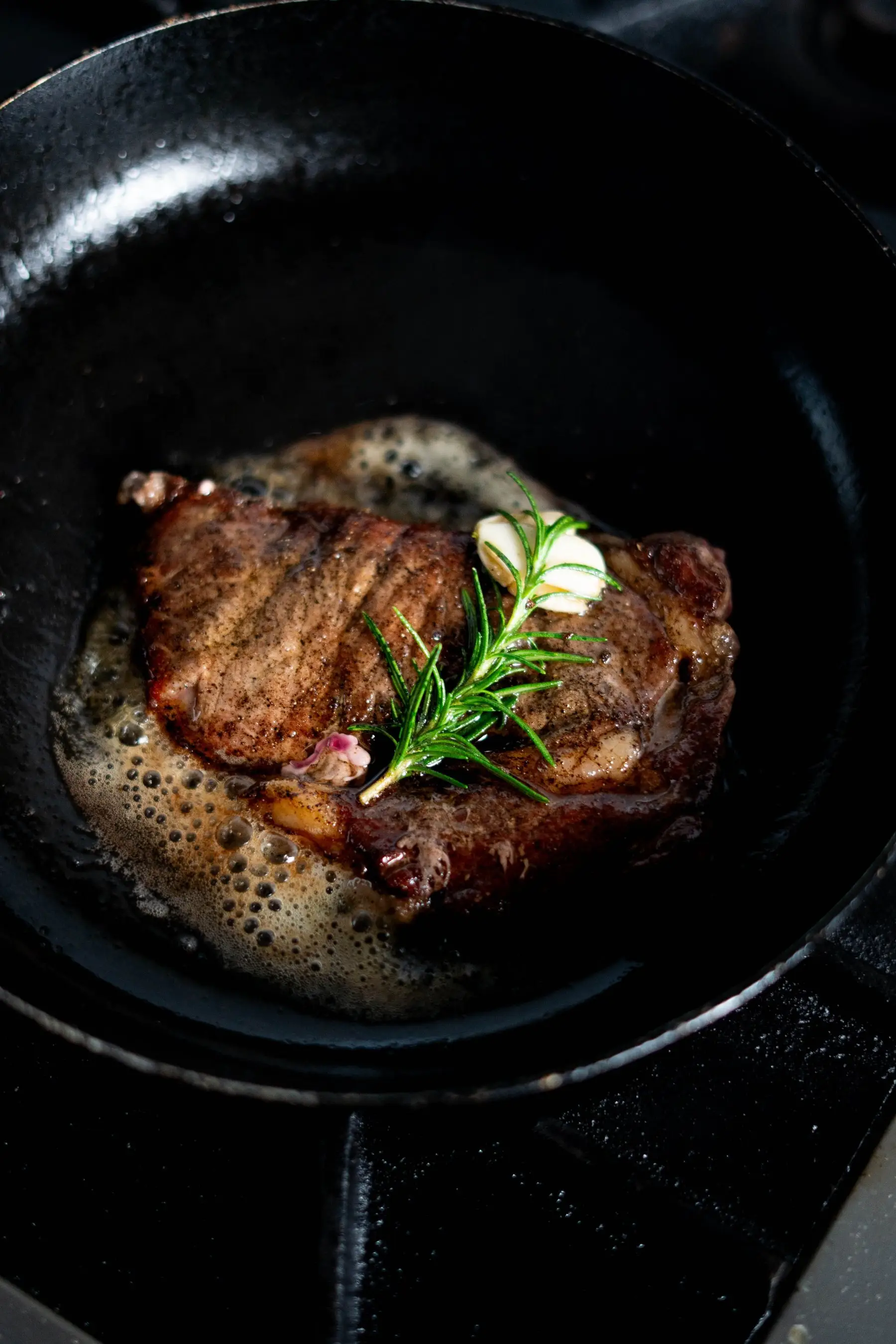
How to Grill Without a Grill: Five Methods That Work
A broiler, a cast-iron grill pan or a fire pit with a grate will all do the job. What each is good at, and the indoor method that is genuinely dangerous.
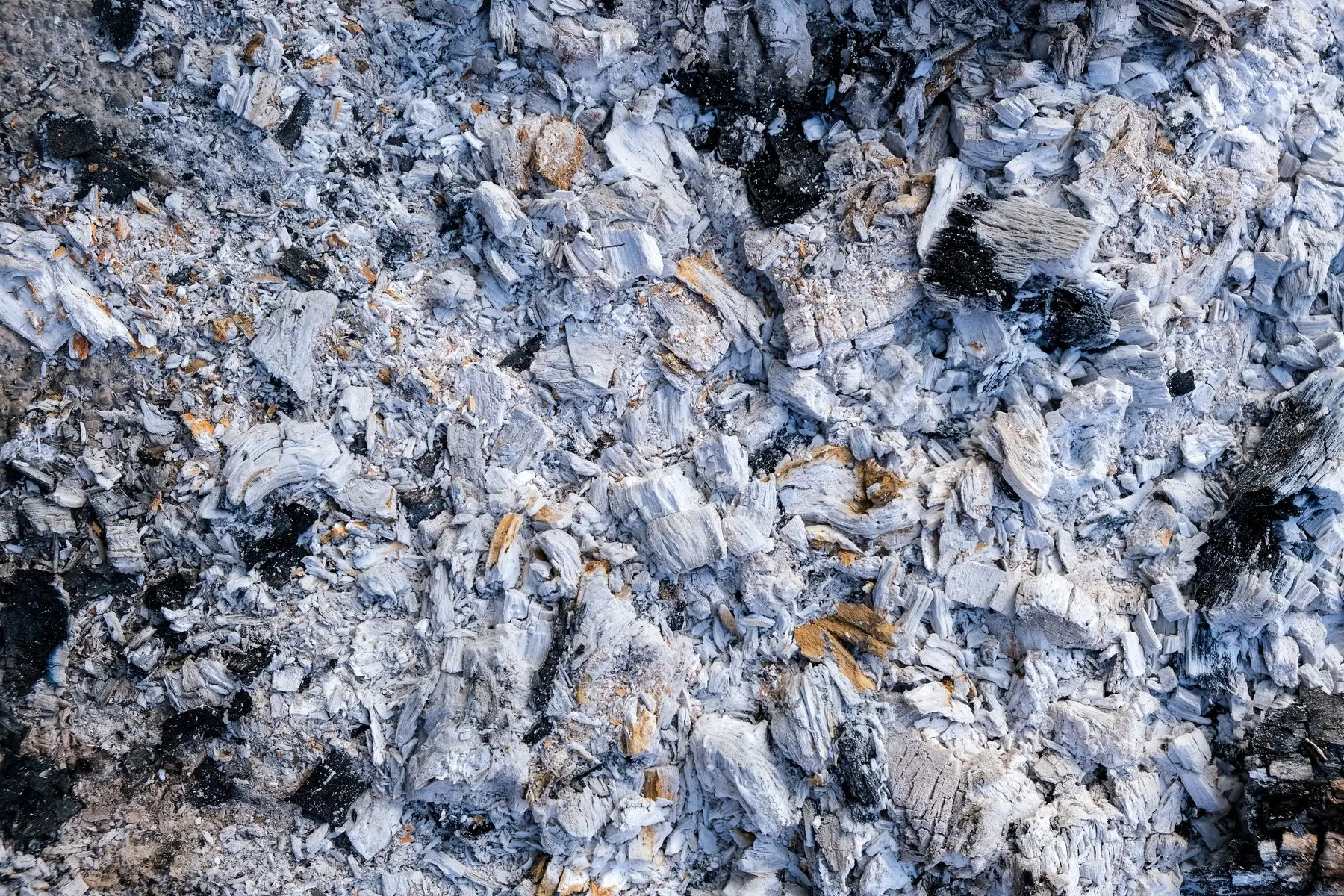
What to Do With Charcoal Ash: Garden Uses and Safe Disposal
Wood and lump ash can go on the garden; briquette ash should not. How to tell which you have, what it does to soil pH, and the 48-hour fire rule.
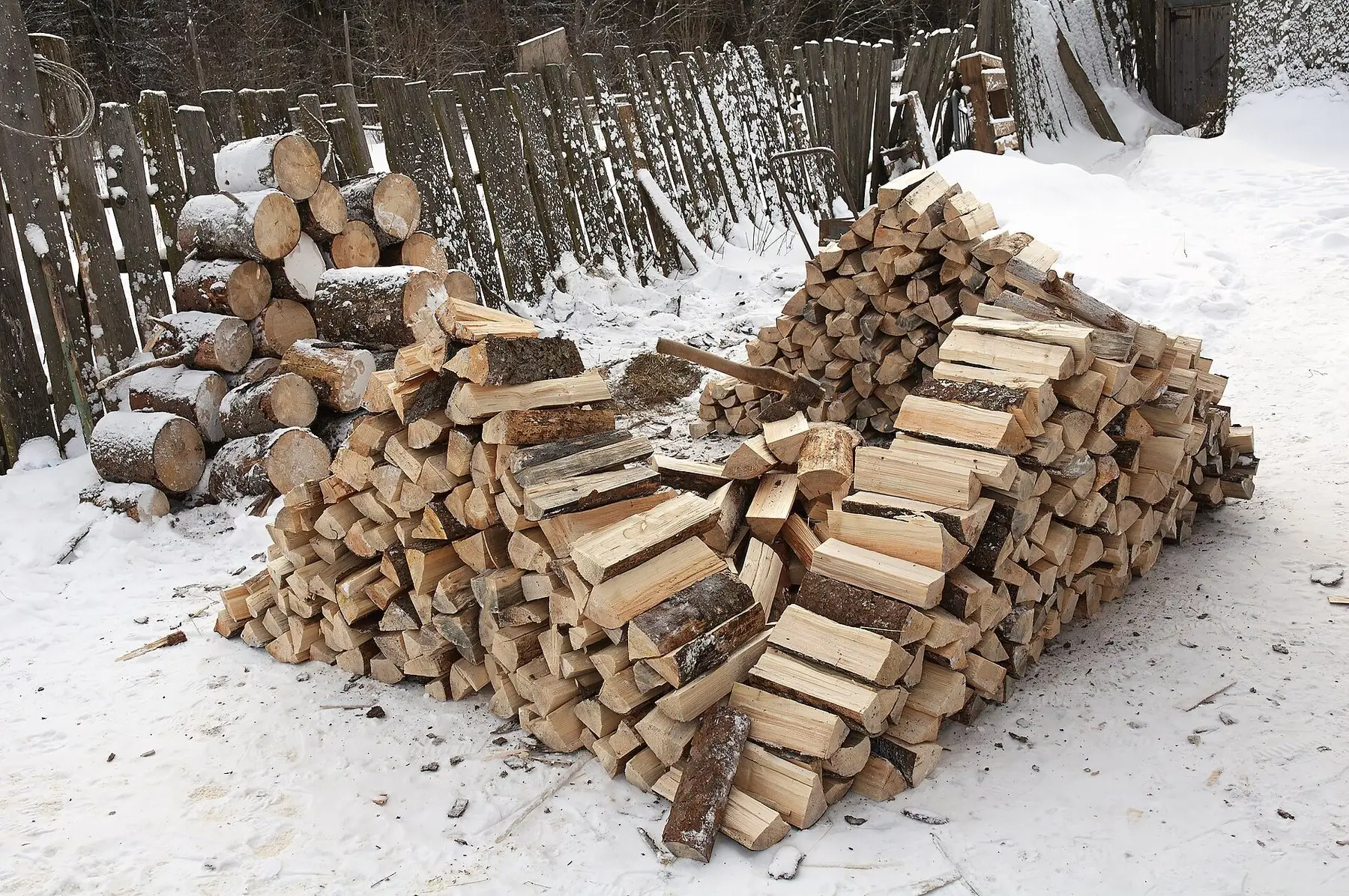
Firewood: What to Burn, and How Dry It Has to Be
Moisture matters more than species. How long each wood takes to season, how to tell when it is ready, and the things you must never put on a fire.
What Is the Best Outdoor Grill to Buy? Pick the Fuel First
Charcoal, gas and pellet suit different cooks. Decide how often you will use it on a weeknight, then buy on build quality rather than burner count.