
How to Grill Without a Grill: Five Methods That Work
A broiler, a cast-iron grill pan or a fire pit with a grate will all do the job. What each is good at, and the indoor method that is genuinely dangerous.
 By
On this page
Five methods, and they are not interchangeable. A broiler is a grill upside down. A cast-iron grill pan gives you the marks. A fire pit with a grate is the closest to the real thing. And one popular idea — charcoal indoors — kills people every year.
The five, compared
| Method | Best for | Gives marks? | Gives smoke? |
|---|---|---|---|
| Oven broiler | Anything flat — chops, fish, veg, corn | Some charring | No |
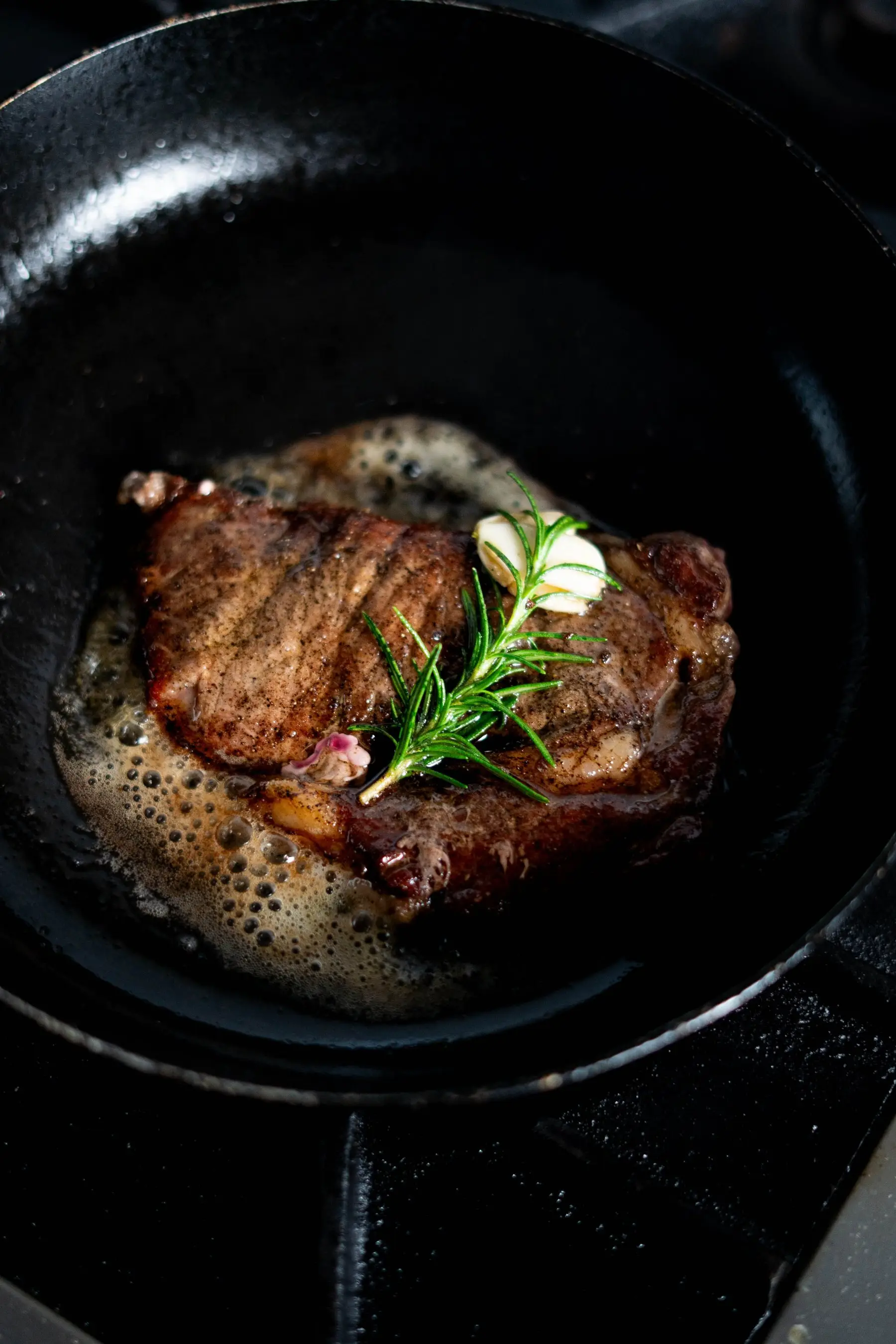
| Cast-iron grill pan | Sear marks, steaks, halloumi | Yes | No |
| Heavy skillet | Crust over the whole surface | No | No |
| Fire pit + grate | Closest to real grilling | Yes | Yes |
| Charcoal chimney (outdoors) | Improvised, small quantities | Yes | Yes |
The technique that matters most
Get the surface genuinely hot before food touches it.
This is the single thing separating grilling from frying. A grill pan wants five minutes over medium-high; a broiler wants at least five with the rack set close.
Food meeting a lukewarm surface steams and sticks, and no amount of later heat recovers it.
Then:
- Pat the food dry — surface moisture prevents browning
- Oil the food, not the pan — less smoke, no pooling in the ridges
- Leave it alone. It sticks while the crust forms and releases when it is ready
Why a pan cannot taste like a grill
Worth being honest about, because it is the usual disappointment.
Grill flavour comes largely from fat dripping onto the heat source and smoking back up onto the food. In a pan the fat pools in the ridges instead. There is no mechanism for it.
So add the smoke on purpose
- Smoked paprika or chipotle in the rub
- A few drops of liquid smoke in a marinade
- Finish over a fire pit if you have one
Seasoning is doing the job the smoke would have. Expecting the pan to supply it is the mistake.
Corn specifically
- Broiler: husked, turning every few minutes until charred in patches — roughly 10–15 minutes
- Dry cast-iron pan: better contact marks
- Directly over a gas flame with tongs: blackens fast and unevenly, which is exactly how grilled corn looks
The one that is genuinely dangerous
Never burn charcoal indoors — ventilation does not make it safe
Charcoal produces carbon monoxide while burning and continues while it smoulders. It is odourless.
This covers garages, sheds, porches, tents and any partly enclosed space, with or without a window open.
People die from this every year, almost always having moved a grill inside to get out of rain or cold. There is no safe version of it.
Step by step
- Time
- PT20M
- Tools
- Cast-iron grill pan or heavy skillet, Oven broiler, Tongs
Pick the method for the result you want
A broiler gives top-down radiant heat and suits anything flat. A cast-iron grill pan gives sear marks and direct contact heat. A fire pit with a grate is the closest thing to actual grilling. Choose by what the food needs rather than by what sounds closest.
Get the surface genuinely hot before anything touches it
This is the step that separates grilling from frying. Preheat a grill pan over medium-high for five minutes, or run the broiler for at least five with the rack positioned close. Food meeting a lukewarm surface steams and sticks.
Dry the food and oil the food, not the pan
Surface moisture prevents browning, so pat everything dry. Oil the food rather than the pan, which keeps smoke down and stops oil pooling in the ridges.
Leave it alone until it releases
Food sticks while the crust is forming and releases when it is done. Moving it early tears the surface and loses the marks. Give each side a few undisturbed minutes.
Add the smoke flavour deliberately if you want it
None of these methods produce smoke, so it has to come from somewhere else — smoked paprika, chipotle, a few drops of liquid smoke in a marinade, or finishing over a fire pit. Expecting a grill pan to taste of charcoal is the usual disappointment.
Common questions
How do you grill without a grill?
Can you grill in the oven?
How do you grill corn without a grill?
Is a grill pan as good as a grill?
Can you use charcoal indoors if you ventilate?
What about a smoker box or stovetop smoker?
Backyard Weekly
Know what to plant, week by week
Join the weekly email for seasonal jobs, fixes for what is going wrong, and gear worth buying.
Not ready to subscribe? The planting calendar is free and needs no email.
By subscribing you agree to our privacy policy. Grow In Backyard will never sell your address.
Keep reading
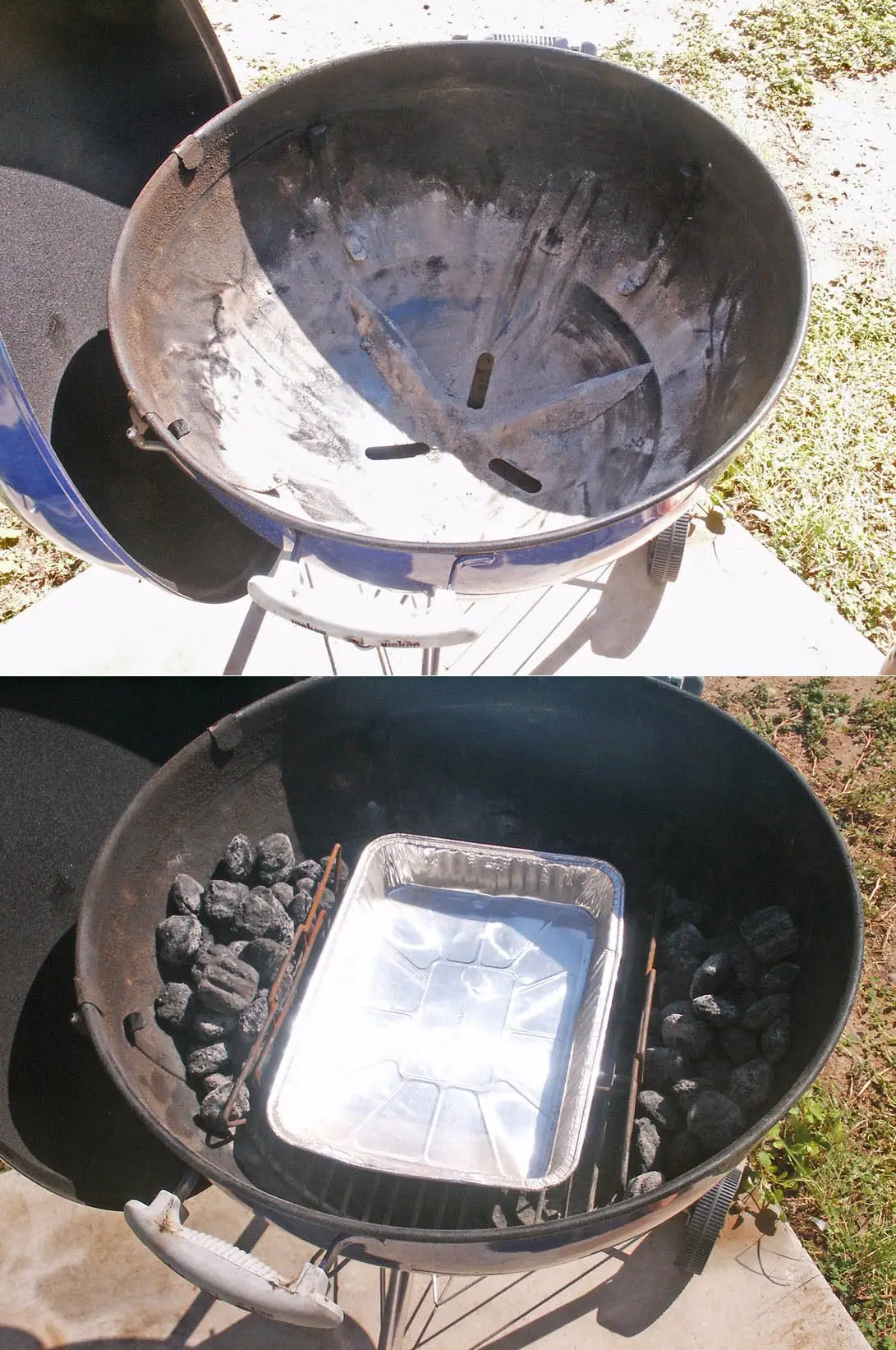
Direct vs Indirect Grilling — 4 Items for Two Zones
Direct vs indirect grilling is one fire built two ways. 4 items set up and hold the zones, temperature first. See which your grill is missing.
Griddle vs Grill: Which One You Should Actually Buy
A griddle is a solid steel cooktop, a grill is grates over flame. What each does better, why griddles need seasoning, and when to buy a combination unit.
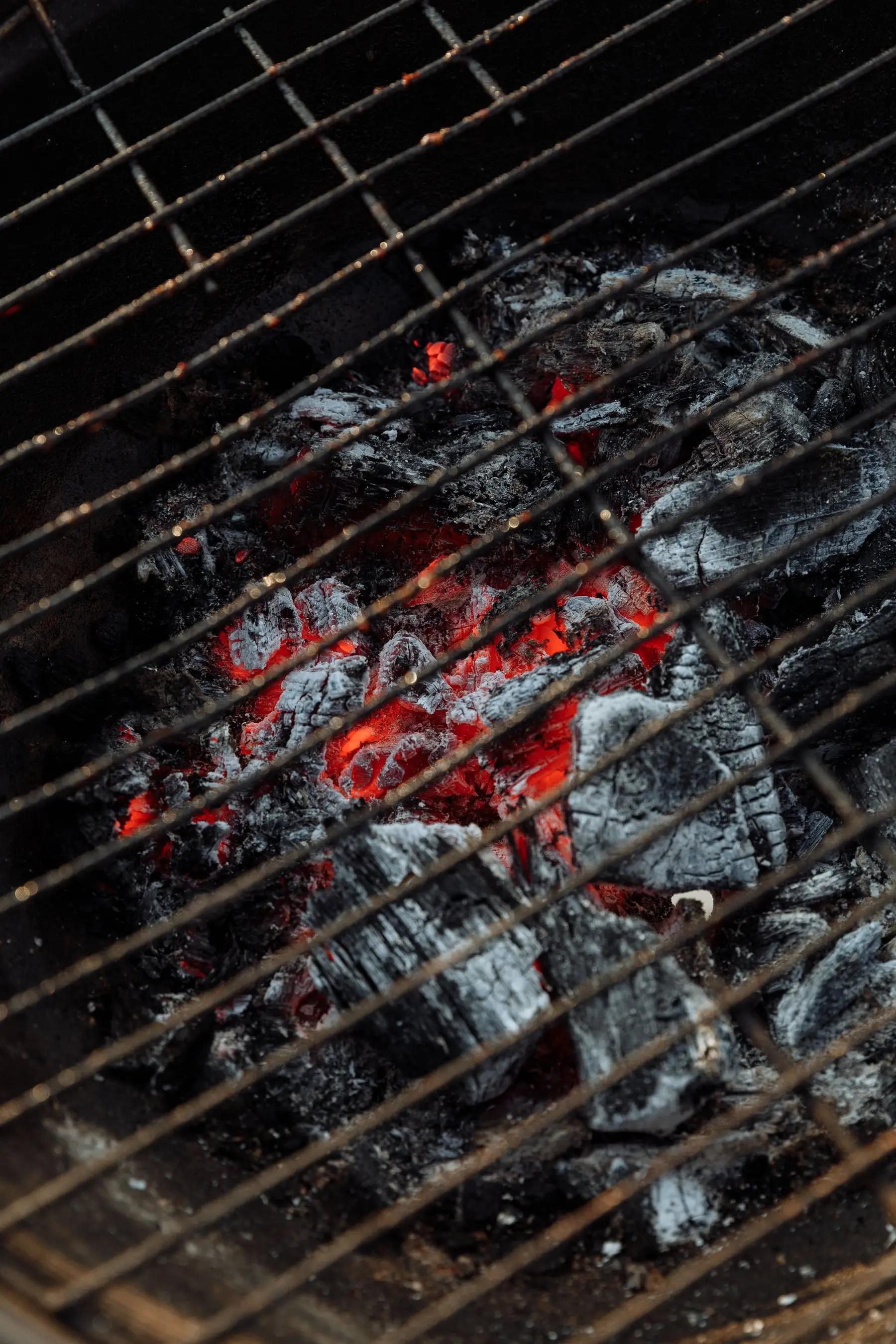
How to Turn Off a Charcoal Grill (And Put Out the Coals)
Close the lid and shut every vent — starving the fire of oxygen is the method. Why water is the wrong answer, and how long the ash stays dangerous.
How to Reset a Gas Grill Regulator (The Bypass Trip)
A grill stuck at low flame has usually tripped its excess-flow safety valve. The 60-second reset, and the opening order that stops it happening again.