
Which Is Healthier, Charcoal or Pellet Grill? Pellets, Slightly
Lower, steadier temperatures mean a pellet grill produces fewer of the compounds linked to charring. But how you cook matters far more than the fuel.
 By
On this page
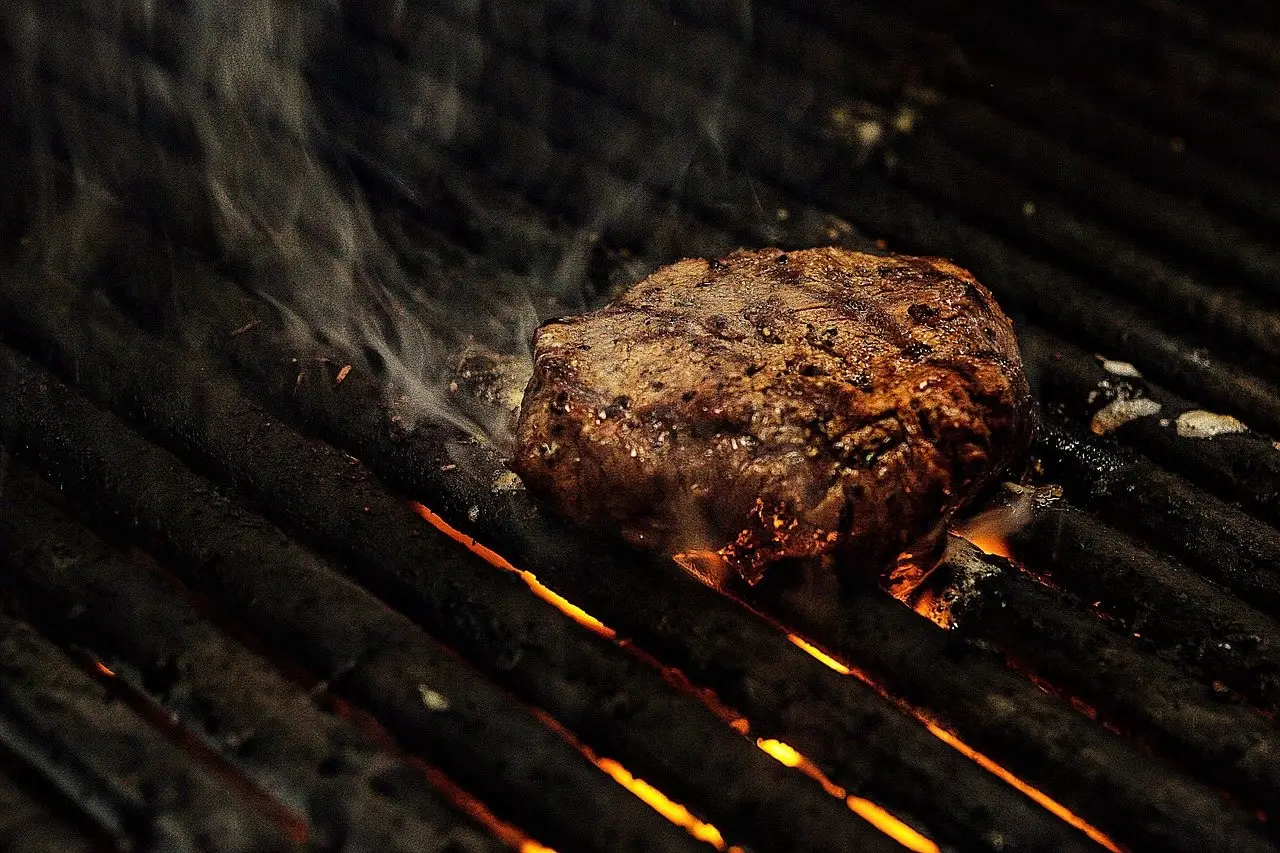
Pellets, slightly — and mainly because of how they are typically used, not the fuel. Lower, steadier temperatures with the lid down mean less flame contact. Technique changes the numbers far more than the appliance does.
Where the compounds come from
| PAHs | HCAs | |
|---|---|---|
| Formed by | Fat dripping onto heat, rising as smoke | High temperature in muscle meat |
| Worst case | Flare-ups, fatty cuts, direct flame | Prolonged high heat, thin cuts |
| Pellet grill | Lower — lid down, indirect, less flare | Lower — runs cooler |
| Charcoal | Higher if cooking directly over coals | Higher at searing temperatures |
| Gas | Lower on fuel smoke; fat still drips | Depends entirely on heat used |
| Biggest lever | Keep fat off the heat source | Flip often, shorten the cook |
The four things that actually reduce it
- Trim visible fat and go easy on oil-heavy marinades. Dripping fat is the mechanism.
- Cook indirect, or raise the grate so flames never touch the food.
- Flip more often. This measurably lowers formation in muscle meat and costs nothing.
- Precook thick items partially in the oven or microwave so they spend less time over heat.
Then cut off any blackened parts before eating.
Keeping the risk in proportion
Charred, flame-exposed meat contains compounds classified as probable carcinogens — that much is established. How much ordinary domestic grilling contributes to real-world risk is far less clear, because the studies behind the classification involve exposures well beyond a weekend barbecue. Heavily charred meat eaten often is worth avoiding; an occasional well-managed barbecue is not worth anxiety over.
Taste, which is the honest reason people choose
- Pellet — excellent at long, low smoking, clean and consistent wood flavour, hands-off. Most struggle to reach a proper searing temperature.
- Charcoal — much hotter, gives the char and crust many people consider the whole point.
Different, not worse. Plenty of enthusiasts own both.
The one-sentence answer
A pellet grill used to blacken sausages is worse than a charcoal grill used carefully with indirect heat. The appliance sets a ceiling; your technique decides where under it you land.
Common questions
Which is healthier, a charcoal or a pellet grill?
Does charcoal grilling cause cancer?
How do you reduce the harmful compounds when grilling?
Does a pellet grill taste as good as charcoal?
Is gas healthier than either?
What matters more than the grill type?
Backyard Weekly
Know what to plant, week by week
Join the weekly email for seasonal jobs, fixes for what is going wrong, and gear worth buying.
Not ready to subscribe? The planting calendar is free and needs no email.
By subscribing you agree to our privacy policy. Grow In Backyard will never sell your address.
Keep reading
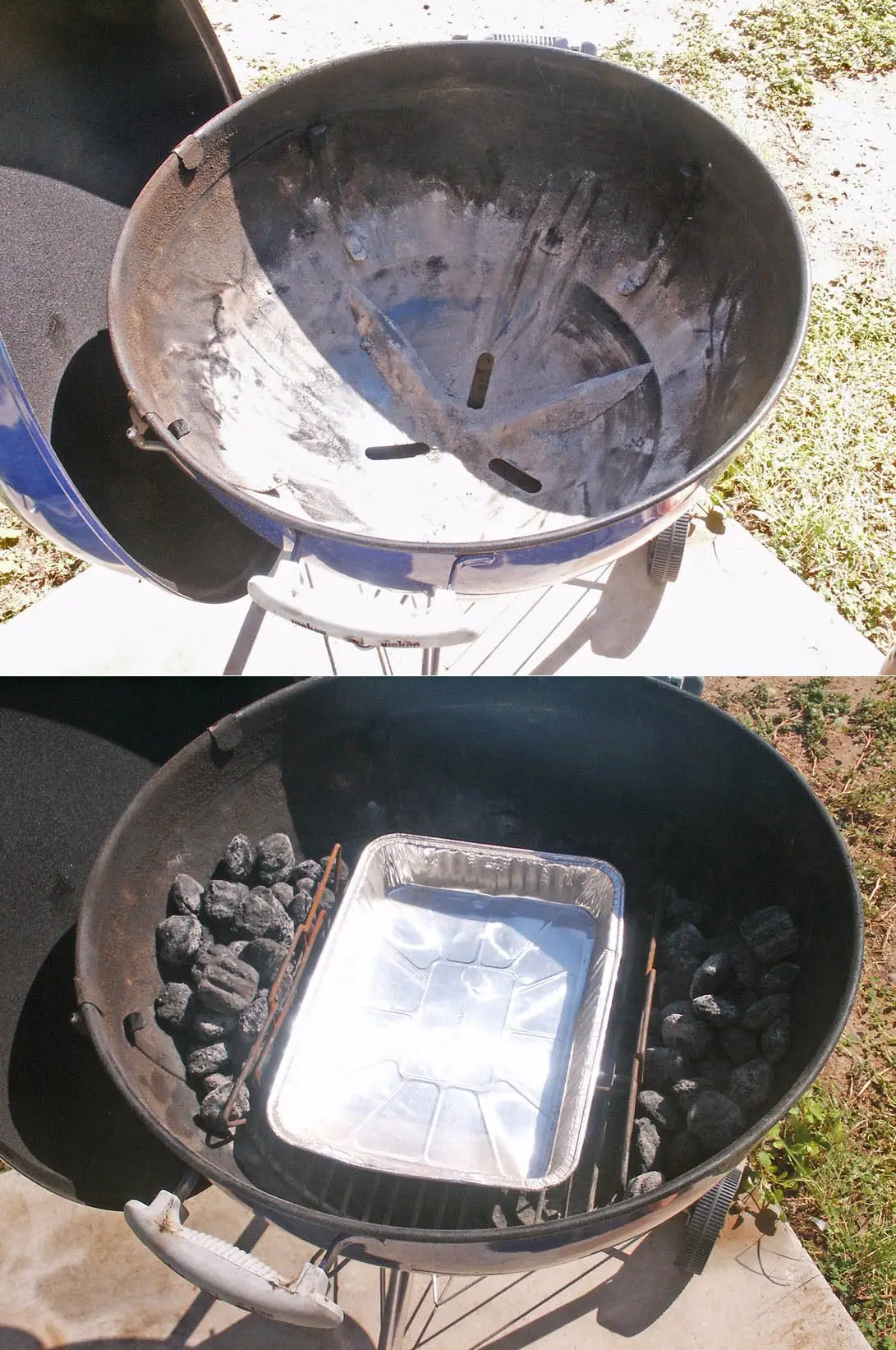
Direct vs Indirect Grilling — 4 Items for Two Zones
Direct vs indirect grilling is one fire built two ways. 4 items set up and hold the zones, temperature first. See which your grill is missing.
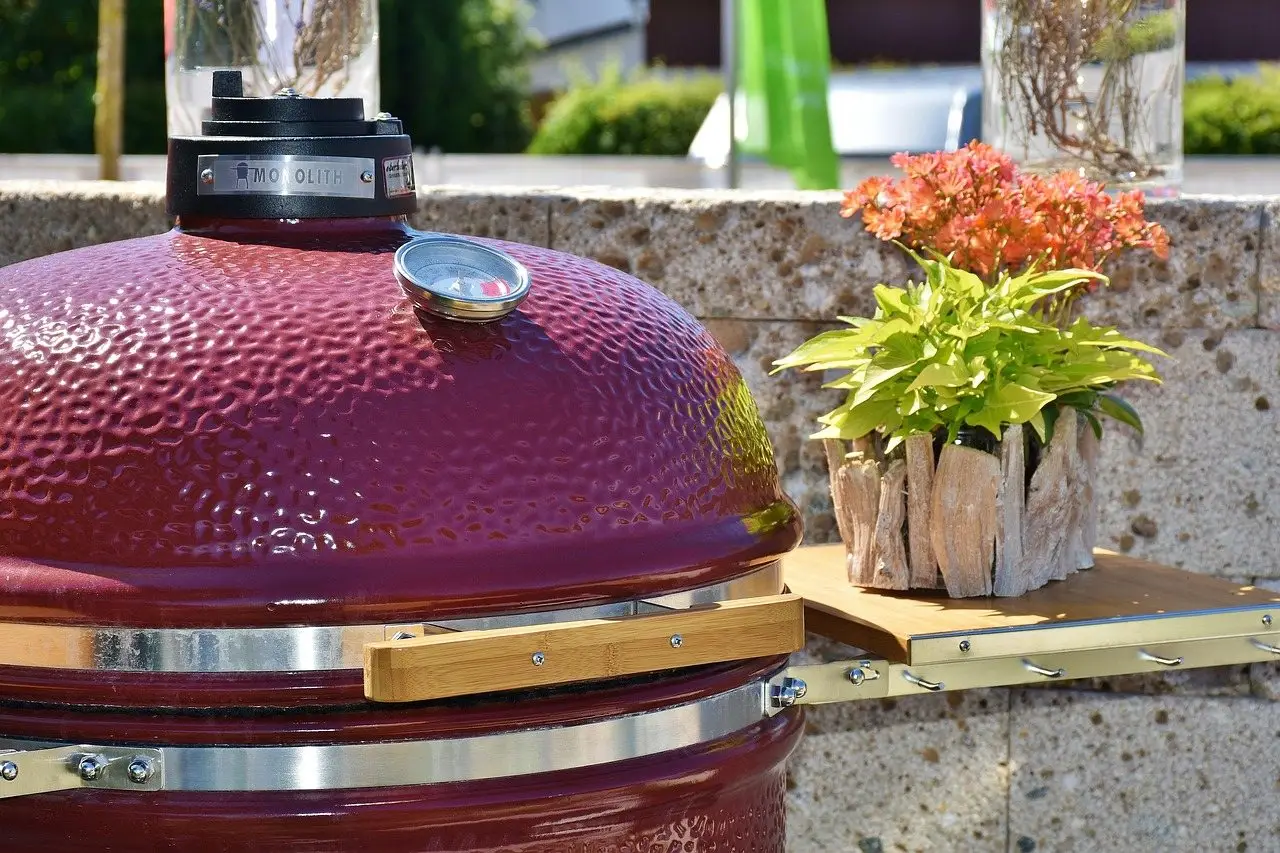
Is the Green Egg a Smoker? It Is a Kamado — So Both
A ceramic kamado smokes, grills and sears in one body. The ceramic holds temperature for hours, which is what makes low and slow possible without tending.
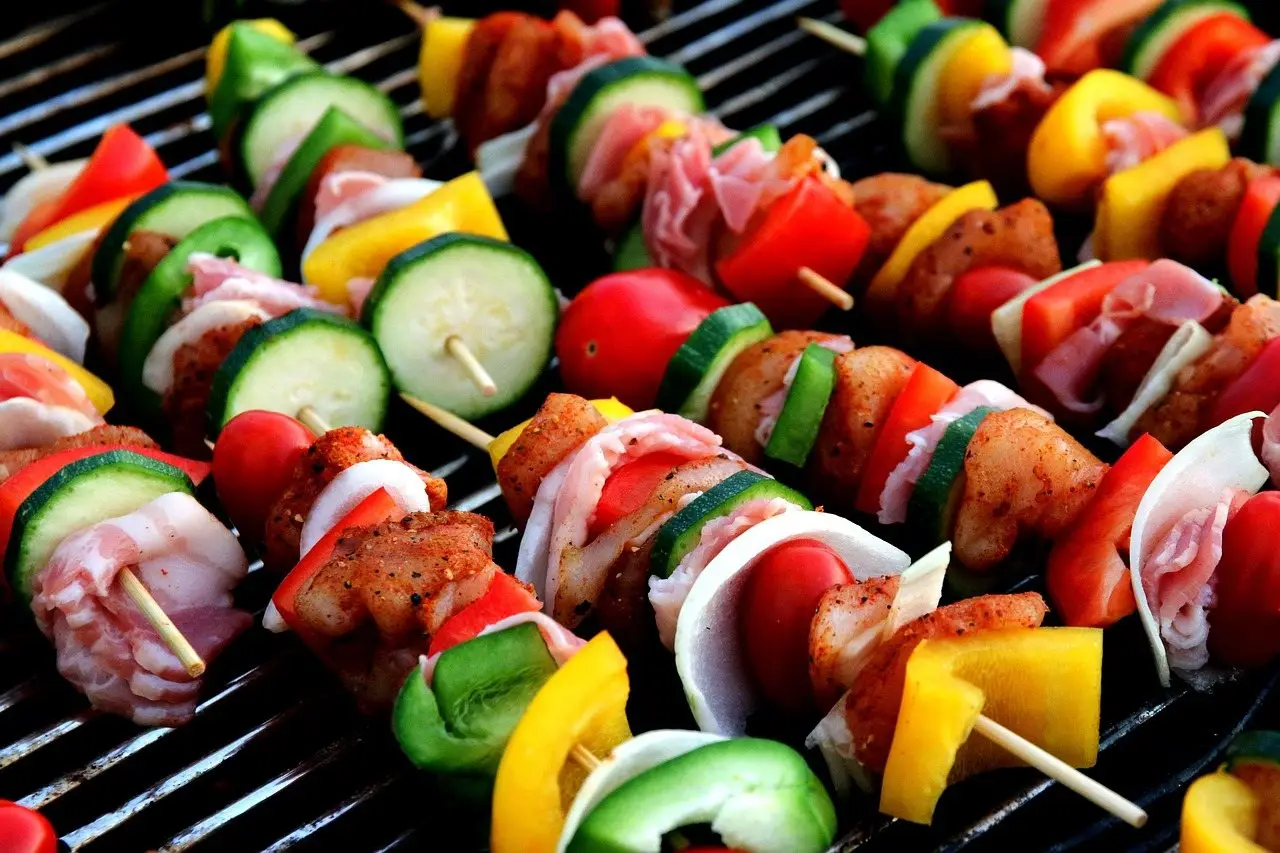
What Is the Best Outdoor Grill to Buy? Pick the Fuel First
Charcoal, gas and pellet suit different cooks. Decide how often you will use it on a weeknight, then buy on build quality rather than burner count.
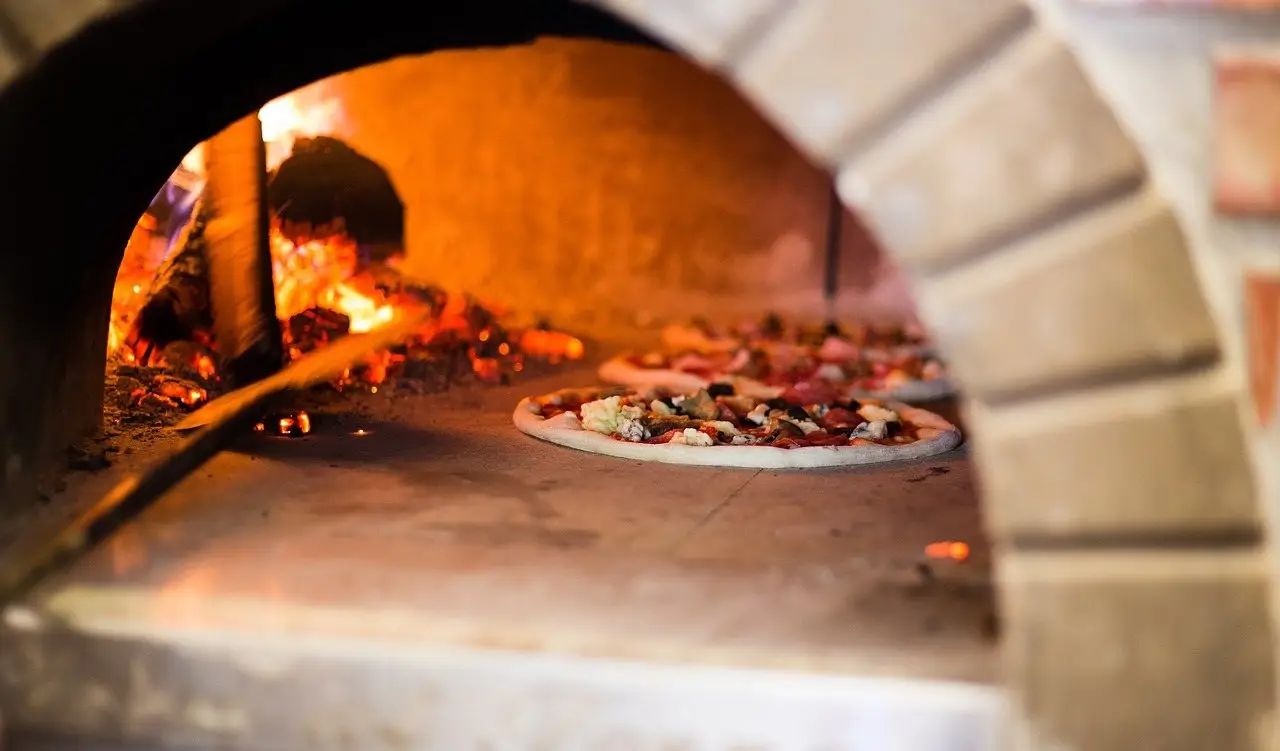
Are Outdoor Pizza Ovens Worth It? Only If You'll Use the Heat
A pizza oven does one thing a grill cannot — 400°C plus. If you want pizza once a summer, a stone on the barbecue gets most of the way there.