
Are Outdoor Pizza Ovens Worth It? Only If You'll Use the Heat
A pizza oven does one thing a grill cannot — 400°C plus. If you want pizza once a summer, a stone on the barbecue gets most of the way there.
 By
On this page
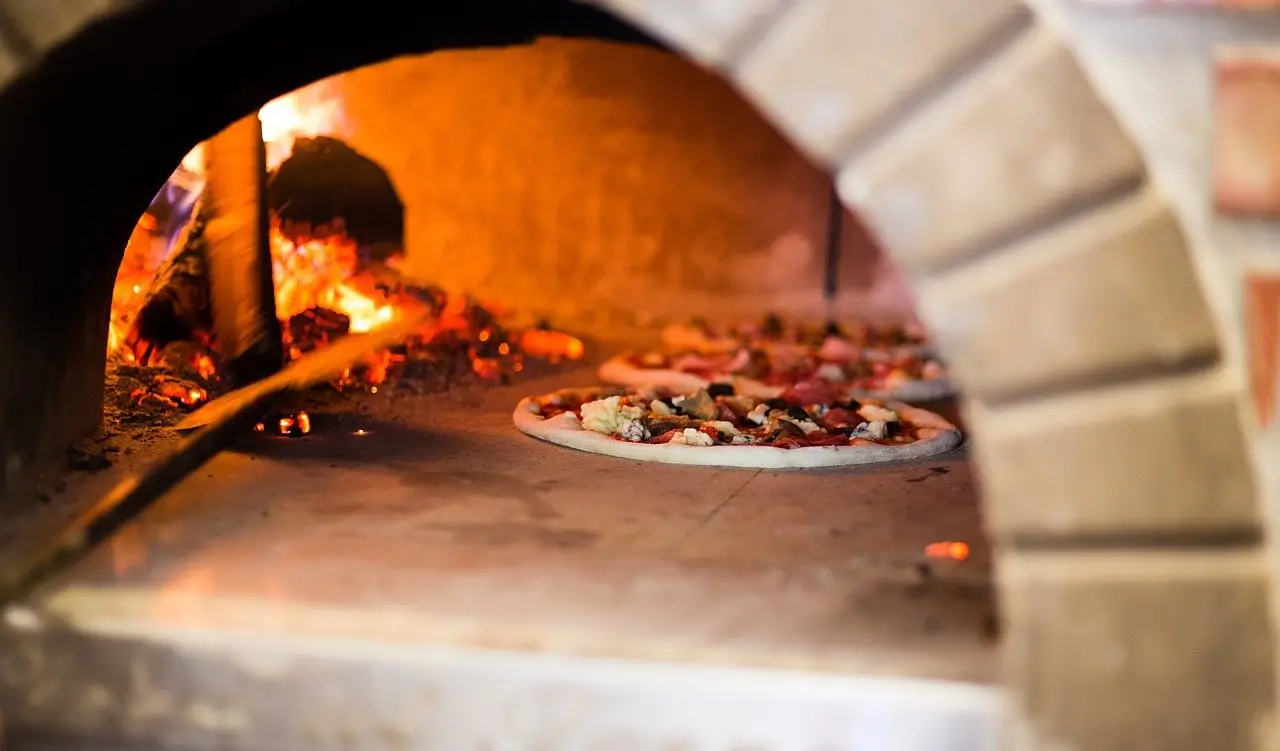
Only if you will use the heat. The one thing a pizza oven does that nothing else does is 450–500°C, which cooks a base in 60–90 seconds. For pizza a few times a year, a stone on a covered barbecue gets most of the way there.
What the heat buys
| Setup | Stone temp | Cook time | Rim char |
|---|---|---|---|
| Pizza oven | 450–500°C | 60–90 sec | Leopard-spotted |
| Stone on a covered gas barbecue | 350–400°C | 3–5 min | Some |
| Steel in a domestic oven, grill on | 280–320°C | 4–6 min | Little |
| Domestic oven, tray | 220–250°C | 10–12 min | None |
Below about 400°C you are making a different and slower kind of pizza. Not worse — just not Neapolitan.
Gas or wood
- Gas — up to temperature in 15–20 minutes, holds it without attention, cooks steadily all evening. What most owners of both actually use on a weeknight.
- Wood — 30–45 minutes, needs feeding and managing, and gives a smoke character gas cannot.
- Dual fuel — the sensible buy if you cannot decide, and the resale is better.
Try it before you buy it
Preheat a thick baking stone on a covered gas barbecue, lid down, burners flat out, for 30–40 minutes. If the result disappoints you, an oven will not. If it excites you and you immediately want the rim charred harder, that is the signal to buy.
What to check if you do buy
- Stone thickness and insulation. A thin stone dumps its heat into the first pizza and the second one bakes badly.
- Stated recovery time between pizzas. This is the number that decides whether you can feed six people.
- Door and chimney arrangement — heat retention.
- Dual fuel, if the budget allows.
- Weight, honestly assessed, if you genuinely intend to move it.
Beyond pizza
Flatbreads, roast vegetables, whole fish, steaks finished at ferocious heat — and bread as the oven cools. A masonry oven holds usable heat for hours after the fire dies, which is how they were traditionally used all week. A portable gas oven cools fast and is really a pizza and flatbread machine, which is worth knowing before you justify one on versatility.
Common questions
Are outdoor pizza ovens worth the money?
How hot does a pizza oven actually get?
Is gas or wood better in a pizza oven?
Can you make good pizza without a pizza oven?
What else can you cook in a pizza oven?
What should I look for if I do buy one?
Backyard Weekly
Know what to plant, week by week
Join the weekly email for seasonal jobs, fixes for what is going wrong, and gear worth buying.
Not ready to subscribe? The planting calendar is free and needs no email.
By subscribing you agree to our privacy policy. Grow In Backyard will never sell your address.
Keep reading
What Is the Best Outdoor Grill to Buy? Pick the Fuel First
Charcoal, gas and pellet suit different cooks. Decide how often you will use it on a weeknight, then buy on build quality rather than burner count.
Outdoor Kitchen Planning: Utilities, Layout, and Cost
The grill is the cheap part. Where the services run, how much counter you need either side of the heat, and which materials survive being left outside.
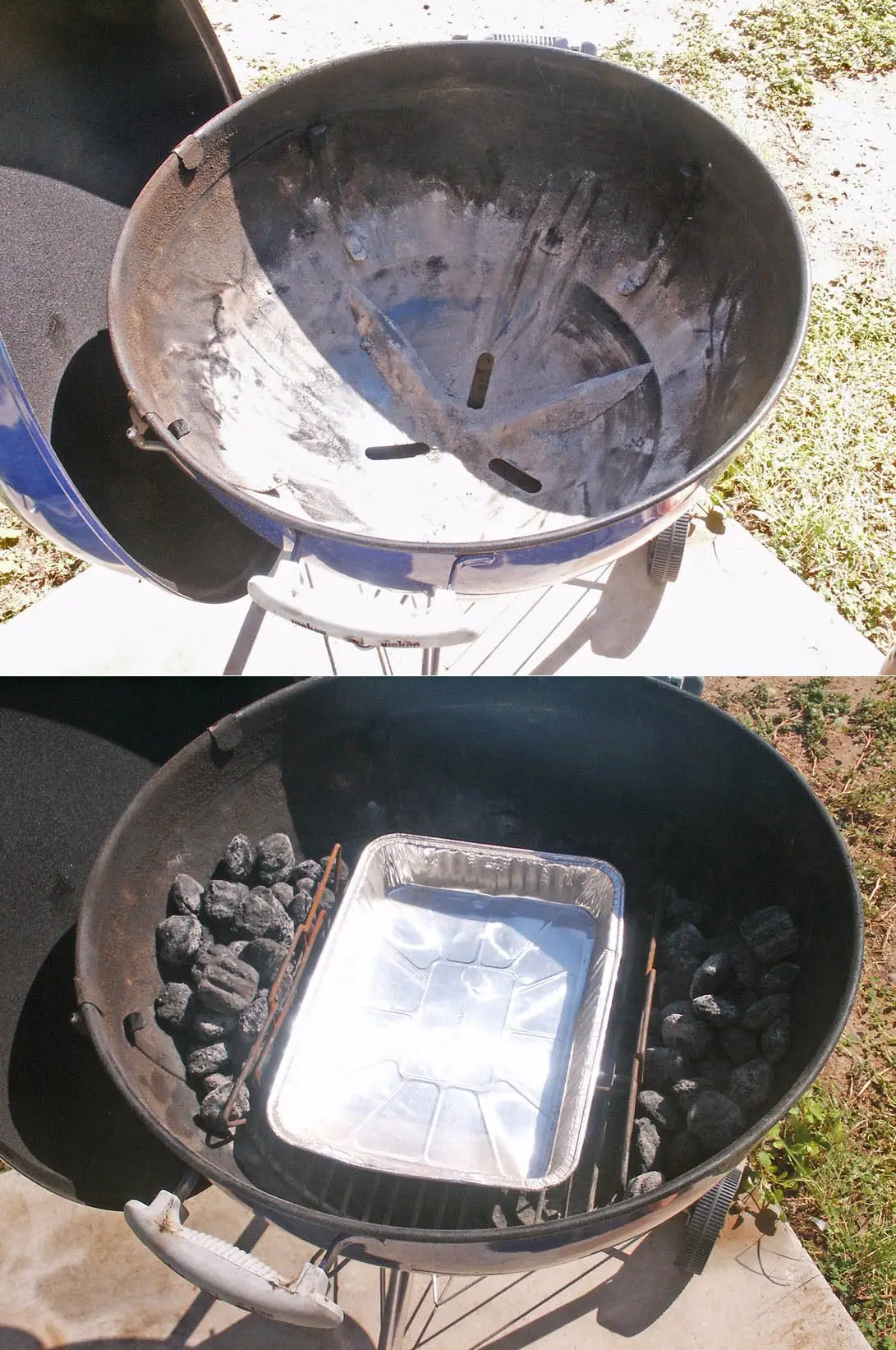
Direct vs Indirect Grilling — 4 Items for Two Zones
Direct vs indirect grilling is one fire built two ways. 4 items set up and hold the zones, temperature first. See which your grill is missing.

Backyard Bar and Grill: Planning One That Gets Used
A garden bar fails on the same things a kitchen does — no landing space, no shade, no drainage. Layouts by budget, and the height that decides everything else.