
How Big Is a 12 Foot Trampoline? The Frame, Not the Jump Mat
Twelve feet is the outer frame diameter. The mat is nearer 10, and the safe footprint including clearance is closer to 18 feet across.
 By
On this page
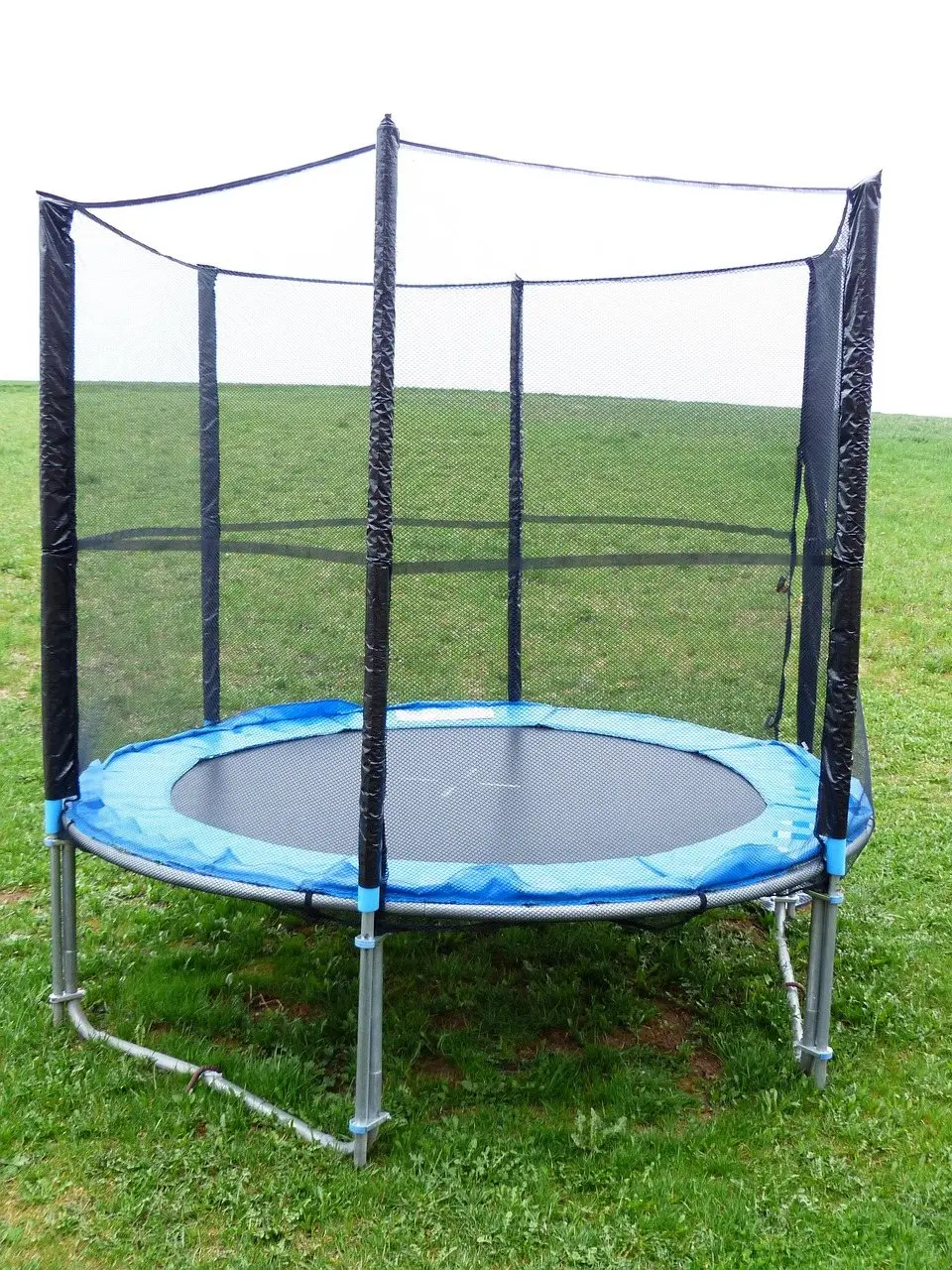
Twelve feet is the outer frame, about 3.7 m. The jumping mat is nearer 10 feet, and the footprint you actually need is around 18 feet across once clearance is included.
The three measurements
| 10 ft | 12 ft | 14 ft | |
|---|---|---|---|
| Frame diameter | 3.0 m | 3.7 m | 4.3 m |
| Jump mat | ~8 ft | ~10 ft | ~12 ft |
| Enclosure height | ~8 ft | 8–9 ft | ~9 ft |
| Space needed | ~16 ft | ~18 ft | ~20 ft |
| Suits | Young children | Family, one adult | Teens, two jumpers |
The frame figure is what fits in the box, not the garden
The clear zone of 1.5–2 m on every side must be free of fences, walls, washing lines, trees, sheds and furniture, with clear airspace above for the enclosure. Ignoring it is the most common reason a trampoline ends up badly sited — and then stays there.
Choosing the size
- Measure the clear circle you actually have.
- Subtract the clearance — 1.5–2 m each side.
- Buy the frame that fits what is left, not the size that sounds right.
- Check the weight rating, and whether it is per user or total — those are different numbers and the labelling is often vague.
- Rectangular gives more usable area for the footprint, and costs more.
What goes underneath
Level, soft ground. Grass is fine; bark or rubber chippings are better.
Not concrete, paving or decking
A fall off the edge onto a hard surface is the injury that matters most, and no enclosure prevents every one. The ground also needs to be genuinely level — a trampoline on a slope stresses the frame unevenly and makes the bounce unpredictable.
Anchoring
Anywhere that gets wind, yes. An unanchored trampoline is a large sail with a net on top, and they are regularly blown into fences, cars and neighbouring gardens. Auger stakes and straps over the frame cost little and take twenty minutes. In genuine storm conditions, remove the enclosure net or tip the trampoline on its side against a wall.
Common questions
How big is a 12 foot trampoline?
How much space does a 12ft trampoline need?
Is a 12ft trampoline big enough for adults?
What size trampoline should I buy?
Does a 12ft trampoline need to be anchored?
What should be underneath it?
Backyard Weekly
Know what to plant, week by week
Join the weekly email for seasonal jobs, fixes for what is going wrong, and gear worth buying.
Not ready to subscribe? The planting calendar is free and needs no email.
By subscribing you agree to our privacy policy. Grow In Backyard will never sell your address.
Keep reading
Are Backyard Trampolines Safe? Safer With Four Rules
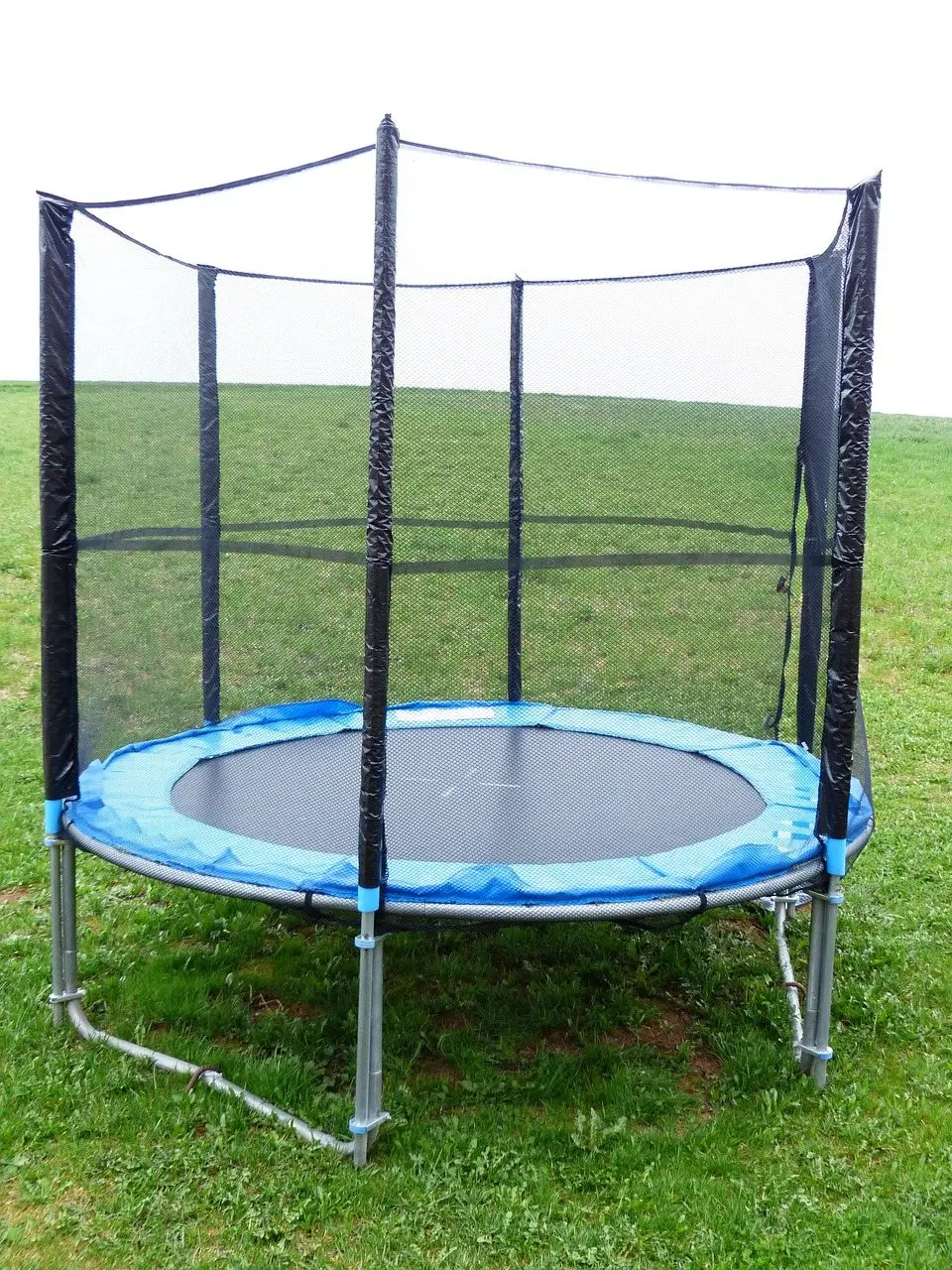
Most injuries come from two things: more than one jumper, and attempted somersaults. Nets and pads help, but the rules do more than the equipment.

Outdoor Games That Actually Get Played
Most backyard games get used twice and live in the garage after that. Which ones hold up, how much space each really needs, and what to skip.
Yard Games for Adults: What Works With a Real Group
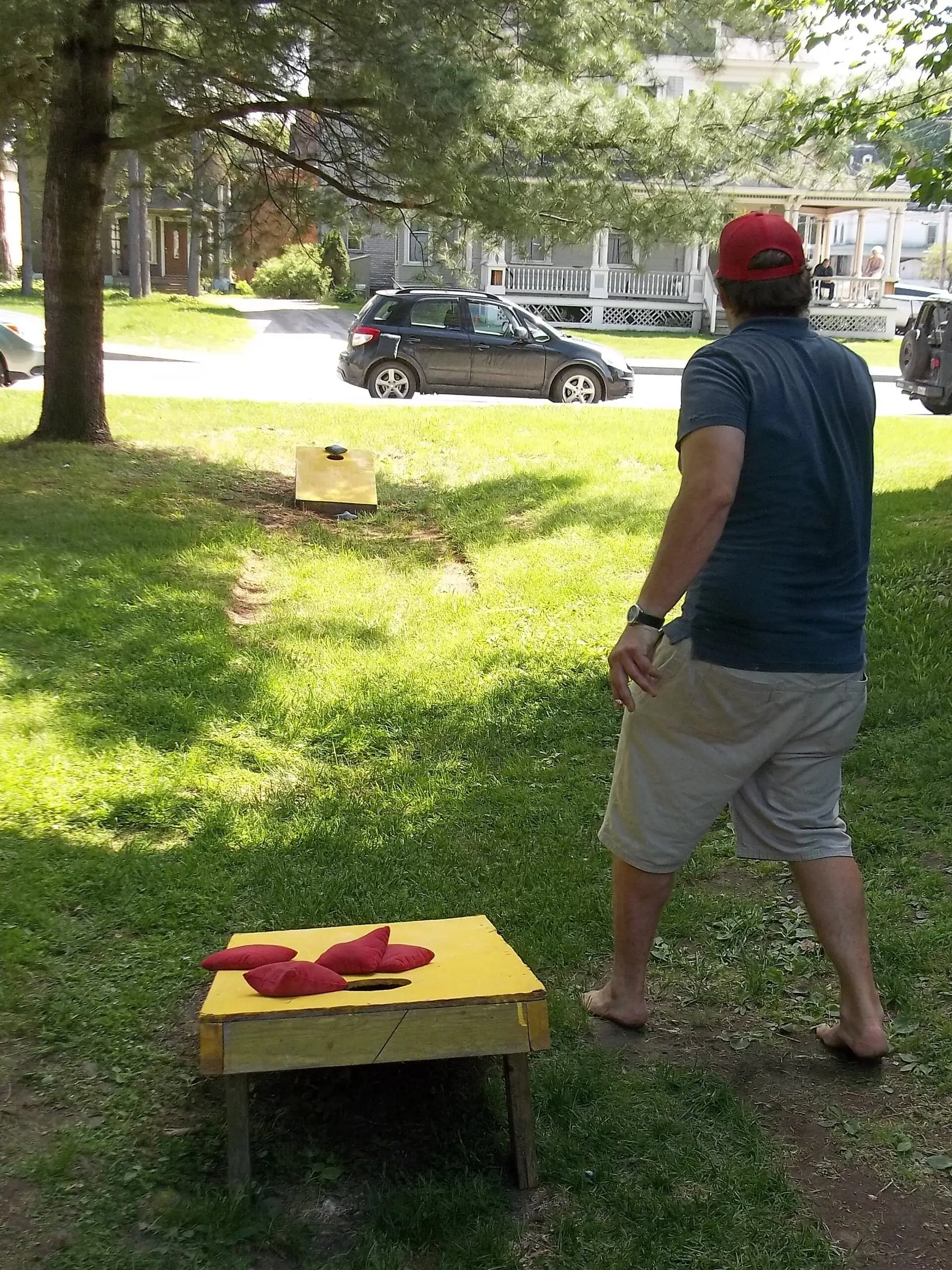
Games for grown-ups fail on space, drink-compatibility, or needing eight people. What holds up at a party, what suits teams, and the footprint each needs.
How Many Springs Are on a 14 Foot Trampoline? Usually 72 to 96
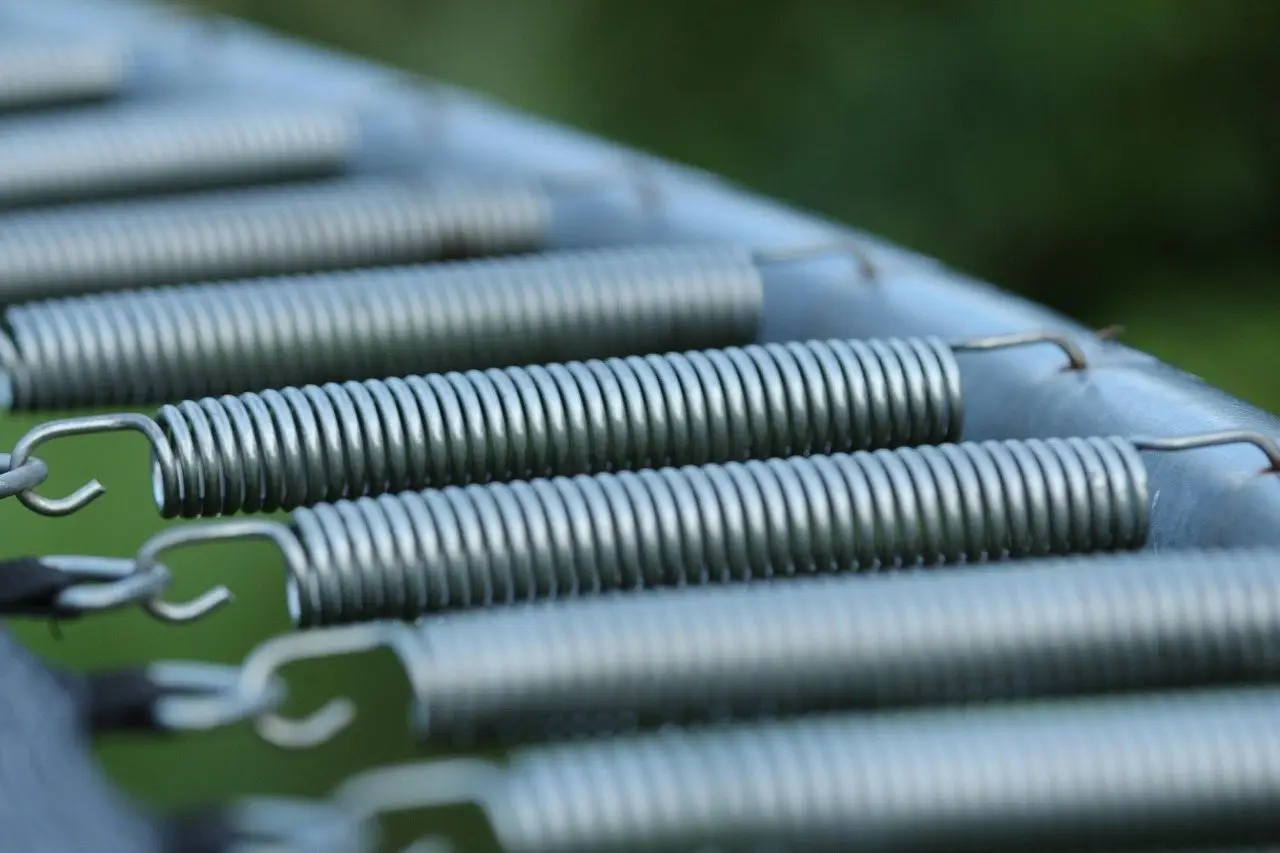
Most 14ft trampolines carry 72, 84 or 96 springs. Count your own V-rings before ordering — the number varies by maker and so does spring length.