Outdoor Games That Actually Get Played
Most backyard games get used twice and live in the garage after that. Which ones hold up, how much space each really needs, and what to skip.
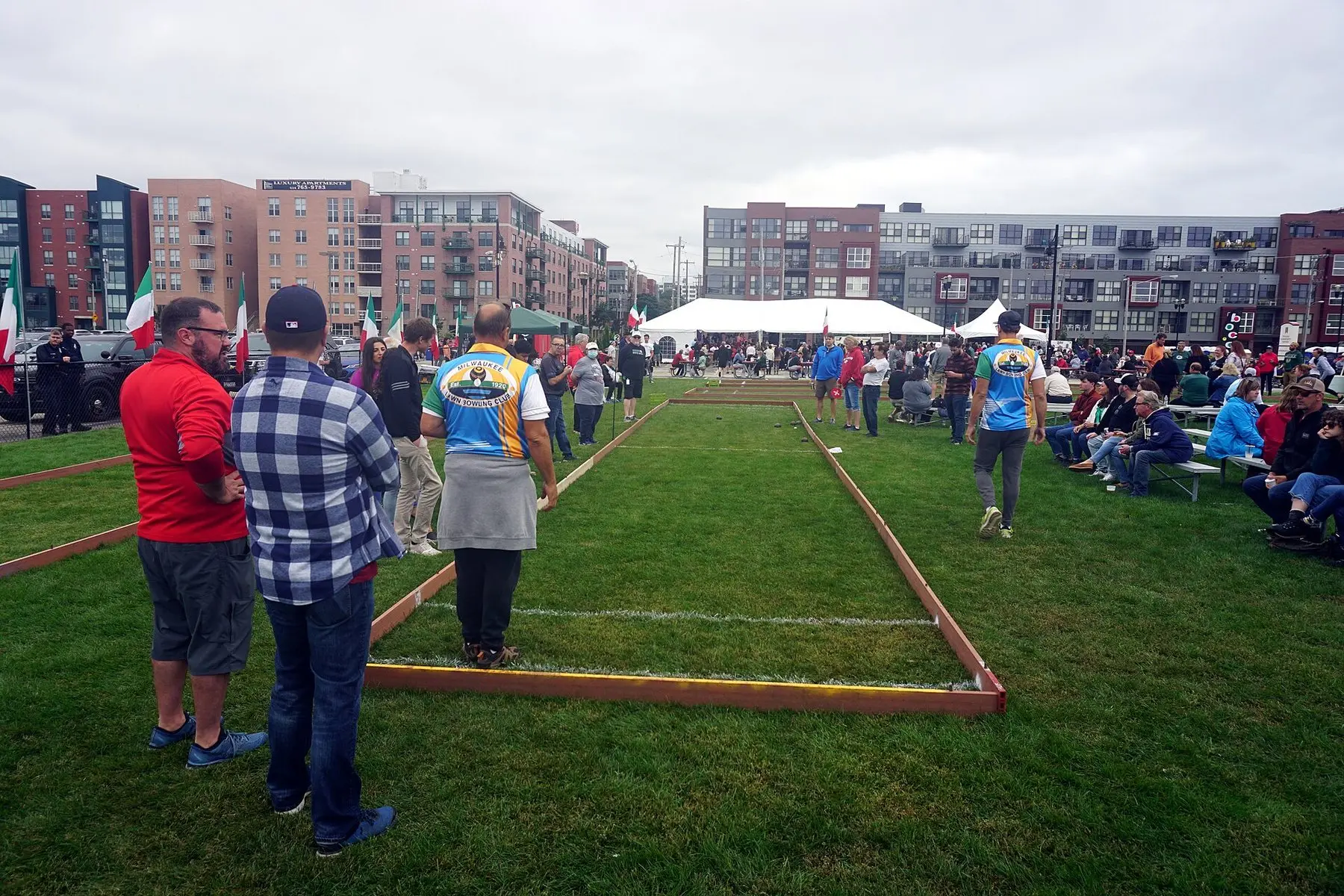
.jpg)
On this page
There is a predictable arc to backyard games. Something large and wooden gets bought in May, played twice, rained on in July, and stored in the garage forever. Meanwhile the cheap set of bocce balls comes out at every single gathering.
The difference is rarely the game itself. It is whether the game fits the yard, sets up in under two minutes, and lets people talk while they play.
Match the game to the space you have
Space is the constraint people misjudge most, because listings quote the size of the equipment rather than the room needed to play.
| Game | Space needed | Setup | Ages | Uneven ground? |
|---|---|---|---|---|
| Cornhole | 30 × 8 ft | 1 min | 6+ | Fine — only the boards need flat |
| Bocce | 30–60 ft, any shape | Instant | 5+ | Better on uneven |
| Ladder toss | 25 × 6 ft | 1 min | 6+ | Fine |
| Ring toss | 15 × 6 ft | Instant | 4+ | Fine |
| Giant Jenga | A table or flat patch | 2 min | 5+ | Needs flat |
| Spikeball | 25 ft circle | 2 min | 10+ | Fine |
| Badminton | 45 × 25 ft | 10 min | 8+ | Needs reasonably flat |
| Croquet | 50 × 30 ft, mown | 10 min | 8+ | Needs level lawn |
| Horseshoes | 45 ft + pits | Permanent | 10+ | Fine |
The four that earn their storage space
Cornhole. The most reliably played backyard game in the US, and deservedly so. Two boards, eight bags, a minute to set up, and the scoring is simple enough that nobody needs the rules explained twice. It works on grass, gravel, or a driveway, and it is genuinely competitive across ages because the throw is a touch shot rather than a power one.
Bocce. The best game for an imperfect yard, because the imperfections are the game. Roll the small ball, then take turns rolling the larger ones closest to it. Slopes, roots, and bare patches just make it more interesting. It needs no setup at all, and a set lives in a bag.
Ladder toss. Two bolas, a rung ladder, and a scoring system that punishes greed. Compact, quick, and the throw is satisfying in a way that keeps people coming back.
Ring toss. The cheapest, smallest, and best game for young children, and the one adults underestimate. A stake and a handful of rope rings is often the whole equipment list.
The two-minute rule
Before buying anything, work out how long it takes to get from “stored” to “playing”. Anything over about two minutes gets set up on the first sunny weekend and then quietly stops happening. This is the single best predictor of whether a game gets used, and it is not something reviews mention.
Games that need more yard than people think
Badminton and volleyball need a net, and a net needs anchoring, tensioning, and a genuinely open run of lawn — 45 feet or so for badminton. In a yard with trees, furniture, or a slope, the shuttlecock spends more time in the hedge than in play.
Croquet is a lovely game on a properly level, closely mown lawn and a frustrating one on anything else. Balls need to run true; on a bumpy lawn they simply do not, and the game stops being a game of skill.
Spikeball is excellent but genuinely athletic — it involves diving. It suits teenagers and adults who want a workout, and it does not suit a mixed-age gathering where people are holding drinks.
The games that need nothing at all
Worth remembering before spending anything, because for children under about twelve these still outperform most purchased sets:
- Capture the flag — two teams, two markers, any yard with cover
- Sardines — hide and seek inverted; one hides, everyone who finds them joins them
- Kick the can — one can, one guard, endless variations
- Freeze tag and red light, green light — no equipment, no setup, no upper age limit that anyone respects at the time
Where the giant wooden sets go wrong
Oversized Jenga, Connect Four, and dominoes photograph beautifully and are heavy, slow to set up, and ruined by rain. If you want one, accept that it needs indoor storage and a flat surface, and buy it for a specific event rather than as a general yard fixture.
Storage decides everything
The reason cheap games get played more than expensive ones is rarely quality. It is that a bocce bag and a set of cornhole bags live somewhere reachable, while a large wooden set lives behind the lawnmower.
Keep whatever you actually want played in a lidded bin by the door to the yard. Anything that has to be excavated will be played roughly once a season, regardless of how good it is.
Common questions
What outdoor games work in a small backyard?
What are the best outdoor games for adults?
What outdoor games work for mixed ages?
Do you need a flat lawn for lawn games?
What is the cheapest way to set up backyard games?
Backyard Weekly
Know what to plant, week by week
Free planting calendar. Join the weekly email for seasonal jobs, fixes for what is going wrong, and gear worth buying.
Set MONETIZATION.email.endpoint in src/config/site.ts to enable this form.
By subscribing you agree to our privacy policy. Grow In Backyard will never sell your address.
Keep reading
Garden Decor Ideas That Don't Look Cluttered in a Year
Most backyard decor gets added piece by piece until the yard looks like a garden center. A short list of what earns its place, and what to skip.
Front Yard Landscaping Ideas That Last Past Year Three
Most front yard makeovers look best the week they are finished. These nine ideas are chosen for what they look like after three seasons of real maintenance.
Outdoor Team Building Activities That Are Not Awful
Most team building fails because one competitive person wins it. Activities that need the whole group, sized by headcount, plus how to run and debrief them.
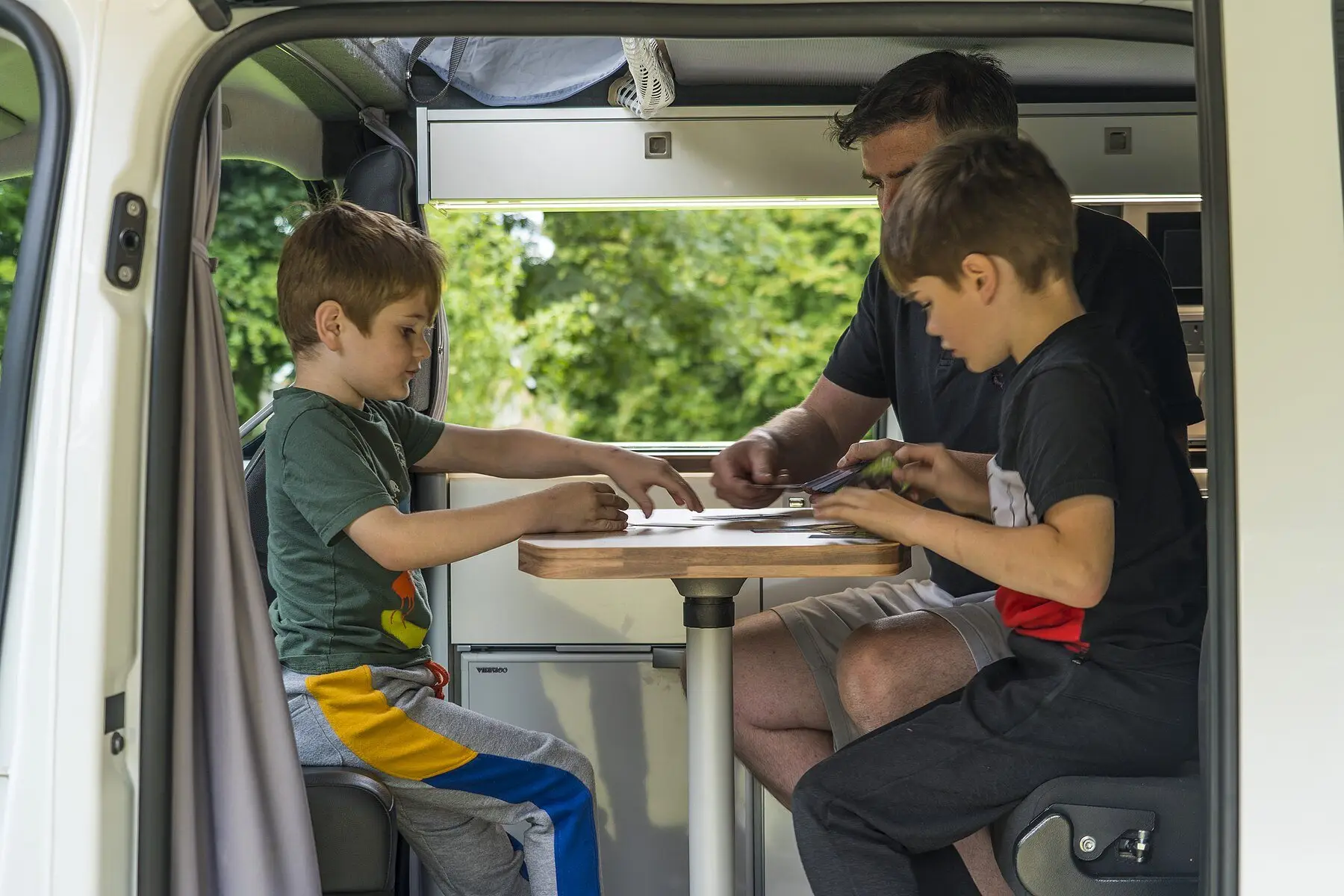
Games That Work Indoors and Out When Plans Change
Rain moves a gathering inside with ten minutes' notice. Games that survive the move, what each needs in a living room, and the ones not to attempt indoors.