
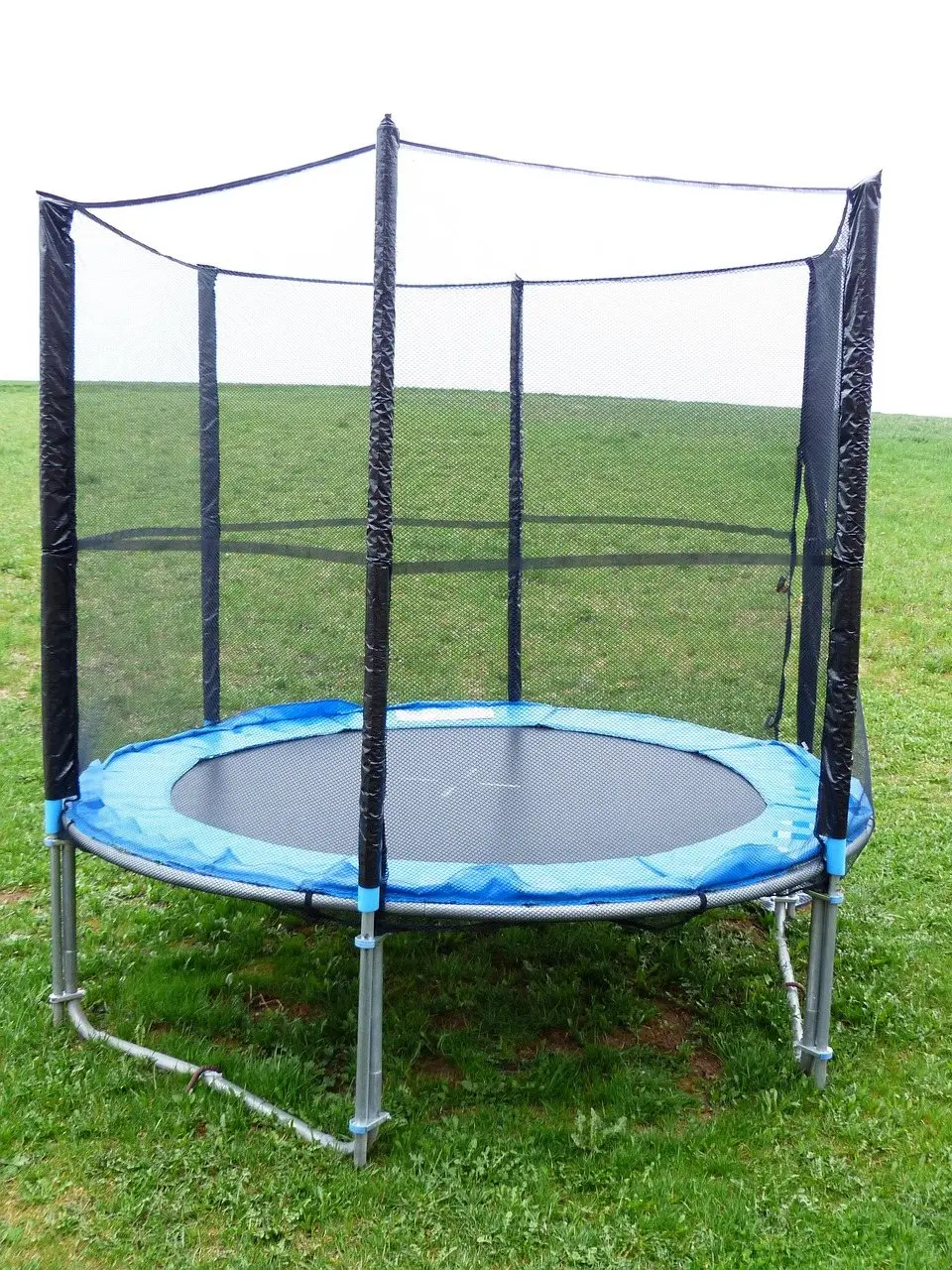
Are Backyard Trampolines Safe? Safer With Four Rules
Most injuries come from two things: more than one jumper, and attempted somersaults. Nets and pads help, but the rules do more than the equipment.
 By
On this page
The equipment is not where most of the risk is. Two behaviours account for the majority of serious injuries: more than one jumper at a time, and attempted somersaults. Fix those and you have done more than any net.
Where the risk actually is
| Cause | Addressed by | Effectiveness |
|---|---|---|
| Multiple jumpers | A rule, not equipment | Highest impact |
| Somersaults and flips | A rule | High |
| Falling off the edge | Safety net | Good, for that one category |
| Landing on springs or frame | Frame padding | Good, if maintained |
| Falling onto hard ground | Siting, sunken install | Good |
| Equipment failure | Seasonal checks | Good |
Why two jumpers is so much worse than one
A lighter jumper landing while a heavier one is pushing the mat down receives far more energy than they put in — the mat returns someone else’s force through their legs. That transfer is how a large share of trampoline fractures happen, and no net prevents it.
What a net does and does not do
It prevents falls off the edge onto the ground, which is a real and serious category. Worth having, and worth maintaining when the zip or the poles degrade.
It does not prevent collisions between jumpers, bad landings on the mat, or failed somersaults.
The false-security problem
A net is most dangerous when it makes people relax the rules. It is one layer, not the solution.
Size
- 12 ft — suits most family gardens, plenty for one child
- 14 ft — more margin from the edge, suits older or taller users
Bigger is safer per jumper because there is more distance to the frame. But it also tempts more than one person on at once, which works directly against the main rule. Allow clear space all round and overhead, well beyond the frame diameter.
Siting and installation
- Level ground, clear of branches, washing lines and cables
- Soft ground — grass or bark rather than paving or decking
- Anchor it. Wind lifts and moves an unanchored trampoline a surprising distance
- Sunken installation cuts fall height considerably, but needs drainage and airflow beneath
Seasonal checks
At the start of each season and after storms:
- Springs — stretched or detached
- Mat stitching, especially at the edges
- Frame padding — UV degrades it until the metal is exposed, and exposed springs and frame are where many injuries actually occur
- Anchors — ground pegs loosen in soft soil over a wet winter
Age
Guidance commonly advises against use under about six, when bones and coordination are still developing and the risk from jumping with others is highest.
Past that, it is less about age than supervision — and mixing significantly different sizes of child on one mat is the specific situation to avoid at any age.
Common questions
Are backyard trampolines safe?
Do trampoline safety nets actually work?
What size trampoline do you need?
Where should you put a trampoline in the garden?
At what age is a trampoline safe for children?
What maintenance does a trampoline need?
Backyard Weekly
Know what to plant, week by week
Join the weekly email for seasonal jobs, fixes for what is going wrong, and gear worth buying.
Not ready to subscribe? The planting calendar is free and needs no email.
By subscribing you agree to our privacy policy. Grow In Backyard will never sell your address.
Keep reading
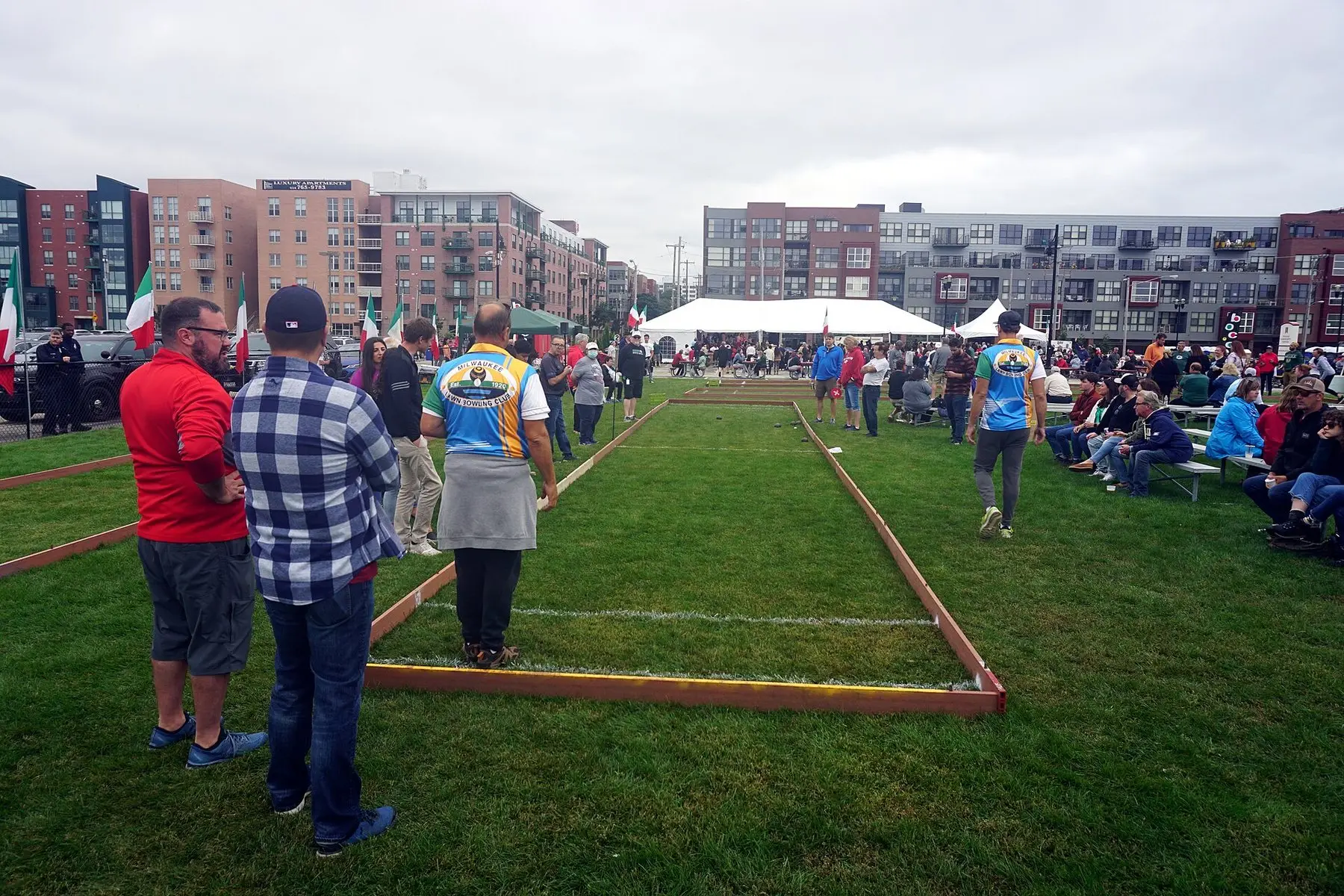
Outdoor Games That Actually Get Played
Most backyard games get used twice and live in the garage after that. Which ones hold up, how much space each really needs, and what to skip.
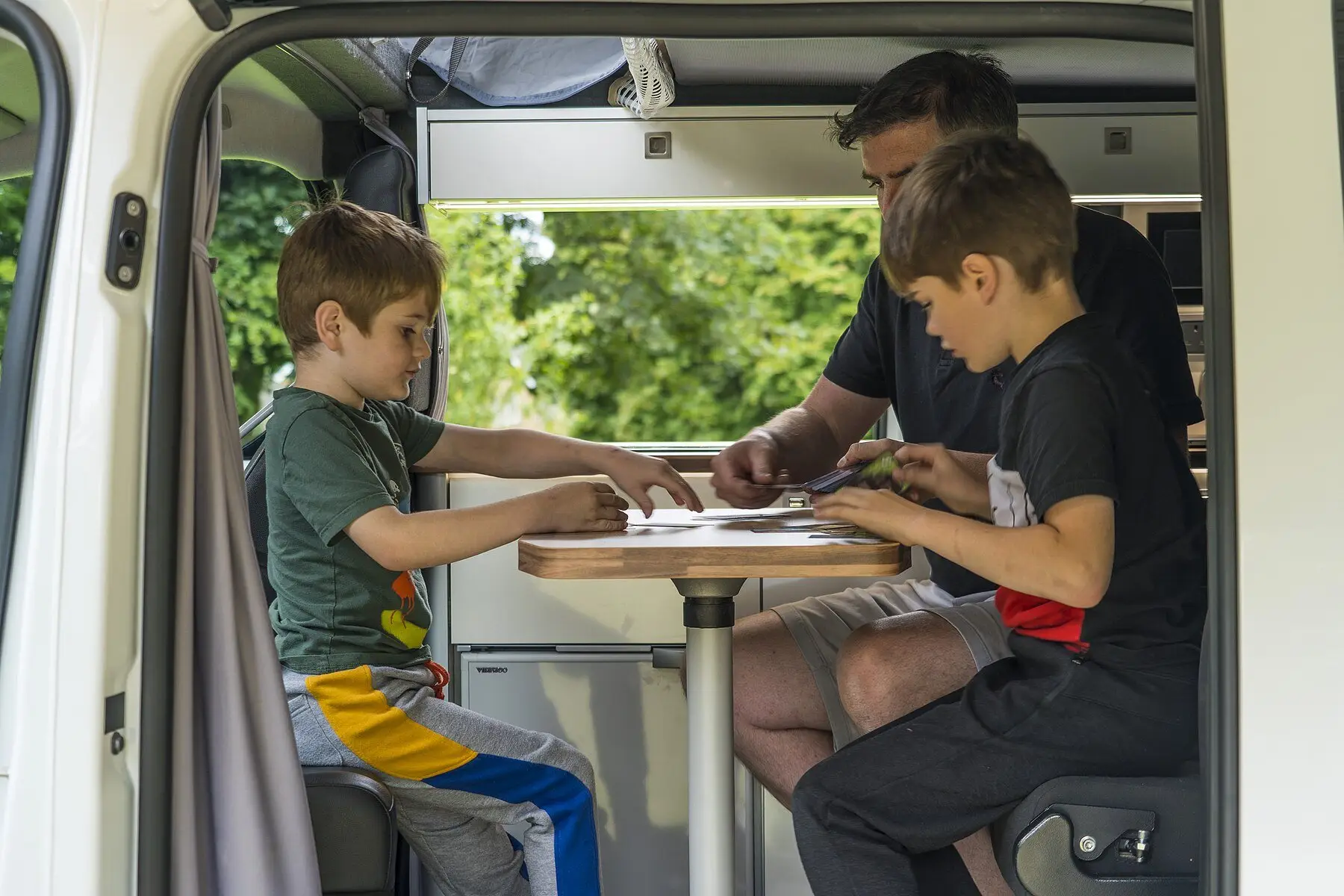
Games That Work Indoors and Out When Plans Change
Rain moves a gathering inside with ten minutes' notice. Games that survive the move, what each needs in a living room, and the ones not to attempt indoors.
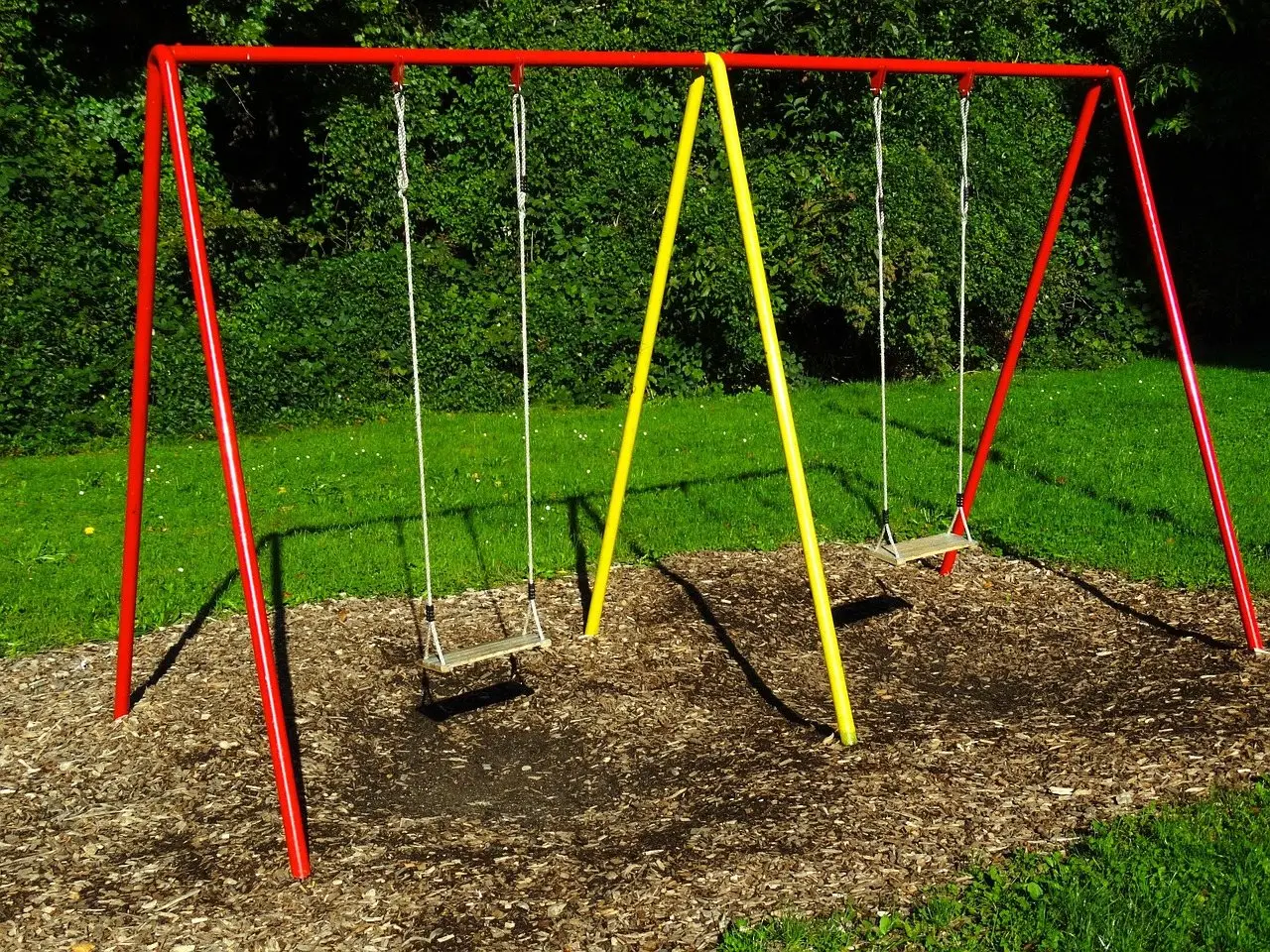
How Much Weight Can a Metal Swing Set Hold? Check Twice
Domestic sets commonly state 100 to 125 lb per swing. The frame rating and the per-seat rating are different numbers, and anchoring decides both.
DIY Backyard Putting Green: Base, Turf and Real Costs
A putting green lives or dies on the base, not the turf. Excavation depths, the stone layers that make it roll true, and what it actually costs.