
How Many Springs Are on a 14 Foot Trampoline? Usually 72 to 96
Most 14ft trampolines carry 72, 84 or 96 springs. Count your own V-rings before ordering — the number varies by maker and so does spring length.
 By
On this page
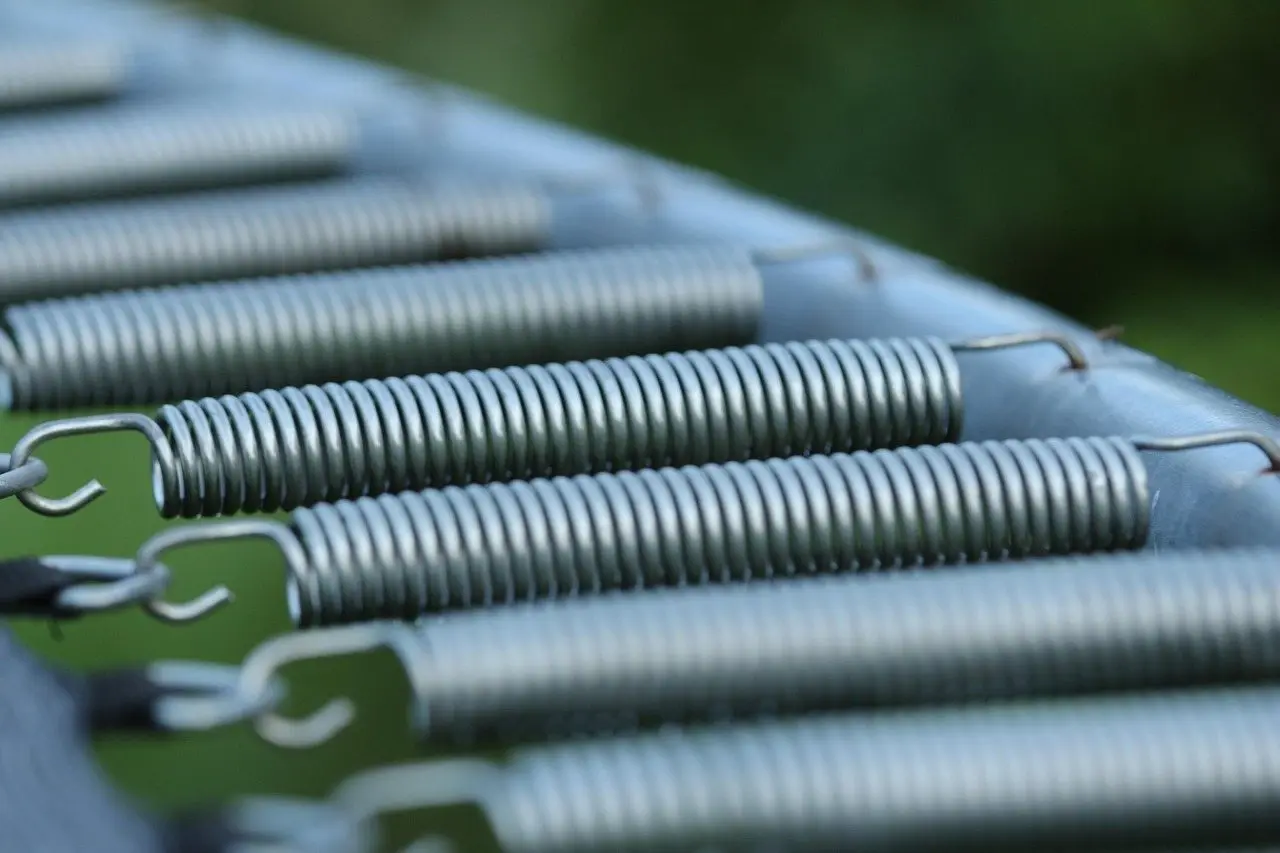
Usually 72, 84 or 96 — with 96 most common on better models. It is not standardised, so count your own V-rings before ordering. And spring length matters more than count.
What you will find on a 14ft frame
| Spring count | Typical of | Feel |
|---|---|---|
| 72 | Budget and mid-range | Firmer, less even |
| 84 | Mid-range | Good |
| 96 | Better-built models | Smoother, load spread wider |
Common lengths: 6.5 in, 7 in, 8.5 in. The same frame diameter is sold with different lengths, which is why diameter alone cannot identify a replacement.
Measure hook tip to hook tip, relaxed
Not coil to coil. Fitting shorter springs than the original stretches them past their working range and they fatigue fast; longer ones will not tension the mat properly. Measure an existing spring — do not assume.
Count is the least important number
A trampoline with 96 long, thick, well-galvanised springs bounces far better than one with 96 short cheap ones, and a 72-spring model with good long springs can beat a 96-spring budget one. More springs spread load and smooth the feel, which is why premium models carry more — but the count alone tells you very little.
Replacing them
The side-by-side test
Lay the springs out together. A spring visibly longer than the others at rest has lost its tension permanently and will not recover. If more than a few are like that, replace the whole set — mixing new and fatigued springs gives an uneven bounce and overloads the new ones.
- Work opposite pairs, not round the circle — one spring, then the one directly across. That keeps the mat centred and the tension even.
- Use a spring pull tool or T-hook. By hand it is slow, and it is how fingers get pinched.
- Hook the mat end first, then stretch outward to the frame.
- The last few are the hard ones, fitted against full mat tension. That is where the tool earns its keep.
- Check the V-rings and frame holes for wear while everything is off.
Winter
Galvanising resists rust but not indefinitely, and the hooks go first — which is where they fail. Taking the springs and mat off and storing them dry over winter is the single most effective thing you can do for them, and it stops the mat flapping and fatiguing in storms.
Common questions
How many springs are on a 14 foot trampoline?
What length springs does a 14ft trampoline use?
Do more springs mean a better bounce?
Should I replace all the springs at once?
How do you fit trampoline springs?
Do springs rust and does it matter?
Backyard Weekly
Know what to plant, week by week
Join the weekly email for seasonal jobs, fixes for what is going wrong, and gear worth buying.
Not ready to subscribe? The planting calendar is free and needs no email.
By subscribing you agree to our privacy policy. Grow In Backyard will never sell your address.
Keep reading
How Big Is a 12 Foot Trampoline? The Frame, Not the Jump Mat
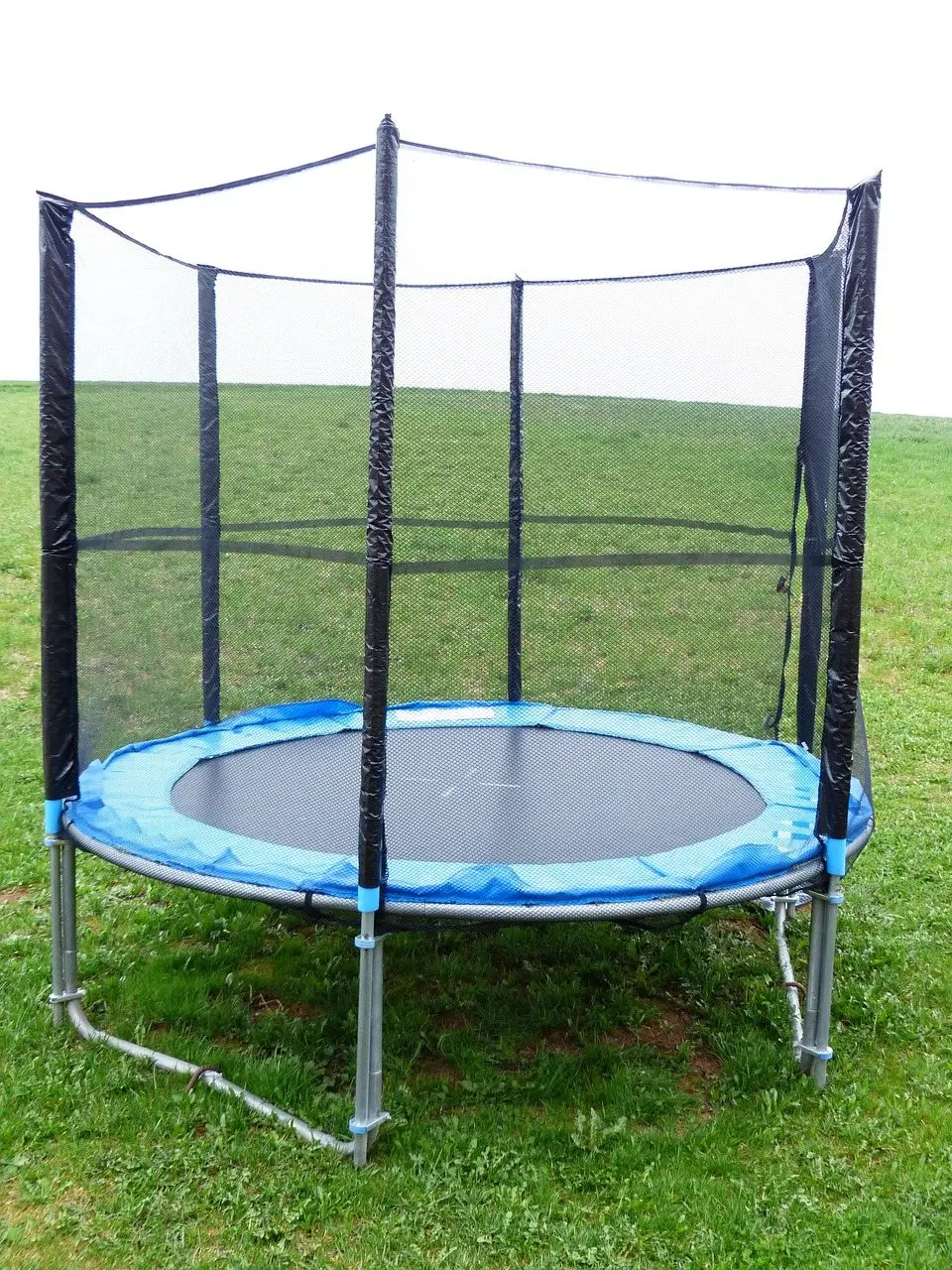
Twelve feet is the outer frame diameter. The mat is nearer 10, and the safe footprint including clearance is closer to 18 feet across.
What Size Trampoline Is Best for Adults? 14 Foot and Up
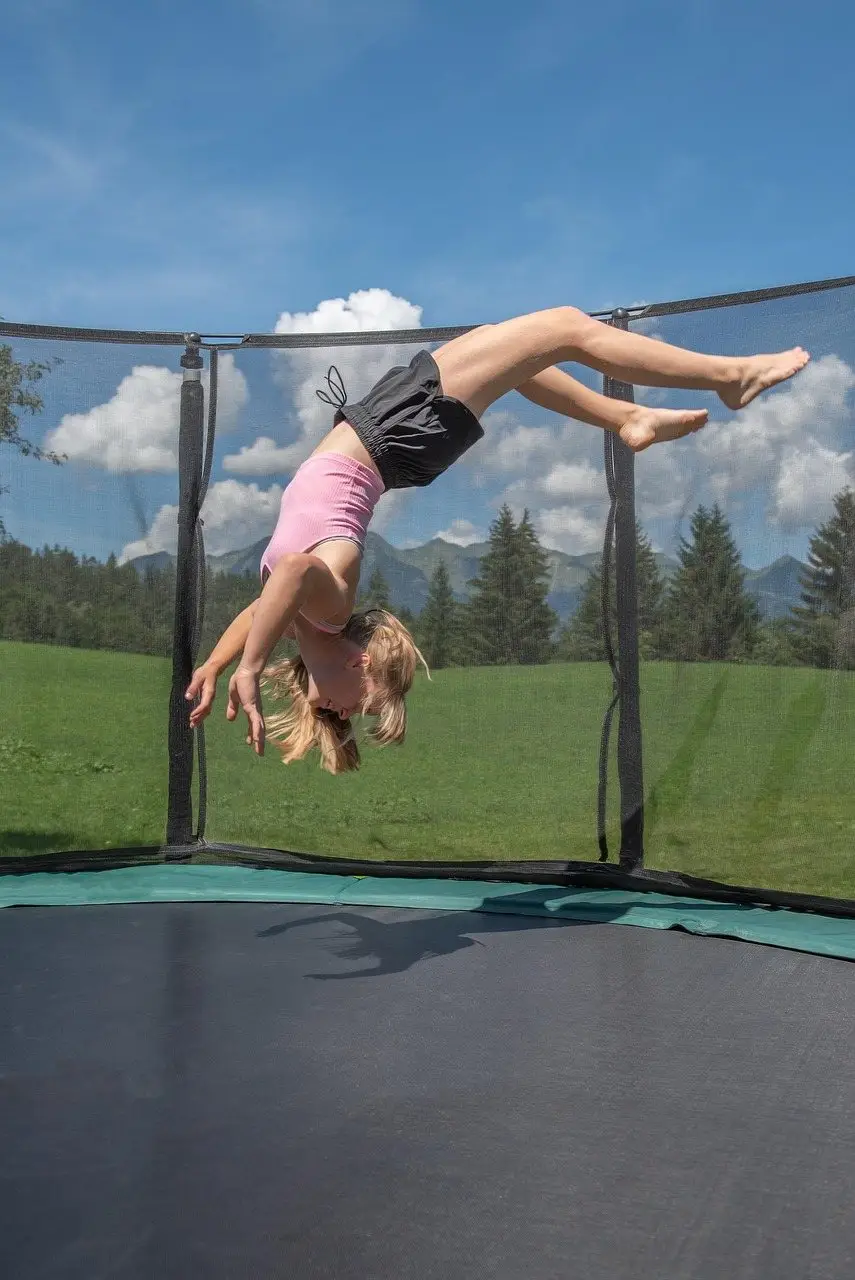
A 14ft round or a 10x17ft rectangle suits adult use. The number that matters more than diameter is the weight rating — and whether it is per user.
Are Backyard Trampolines Safe? Safer With Four Rules
Most injuries come from two things: more than one jumper, and attempted somersaults. Nets and pads help, but the rules do more than the equipment.

Games That Work Indoors and Out When Plans Change
Rain moves a gathering inside with ten minutes' notice. Games that survive the move, what each needs in a living room, and the ones not to attempt indoors.