
What Is Rustic Decor? Raw Materials, Visible Wear, No Polish
Rustic decor keeps materials in their natural state — unfinished wood, iron, stone — and treats age and imperfection as the point rather than a flaw.
 By
On this page
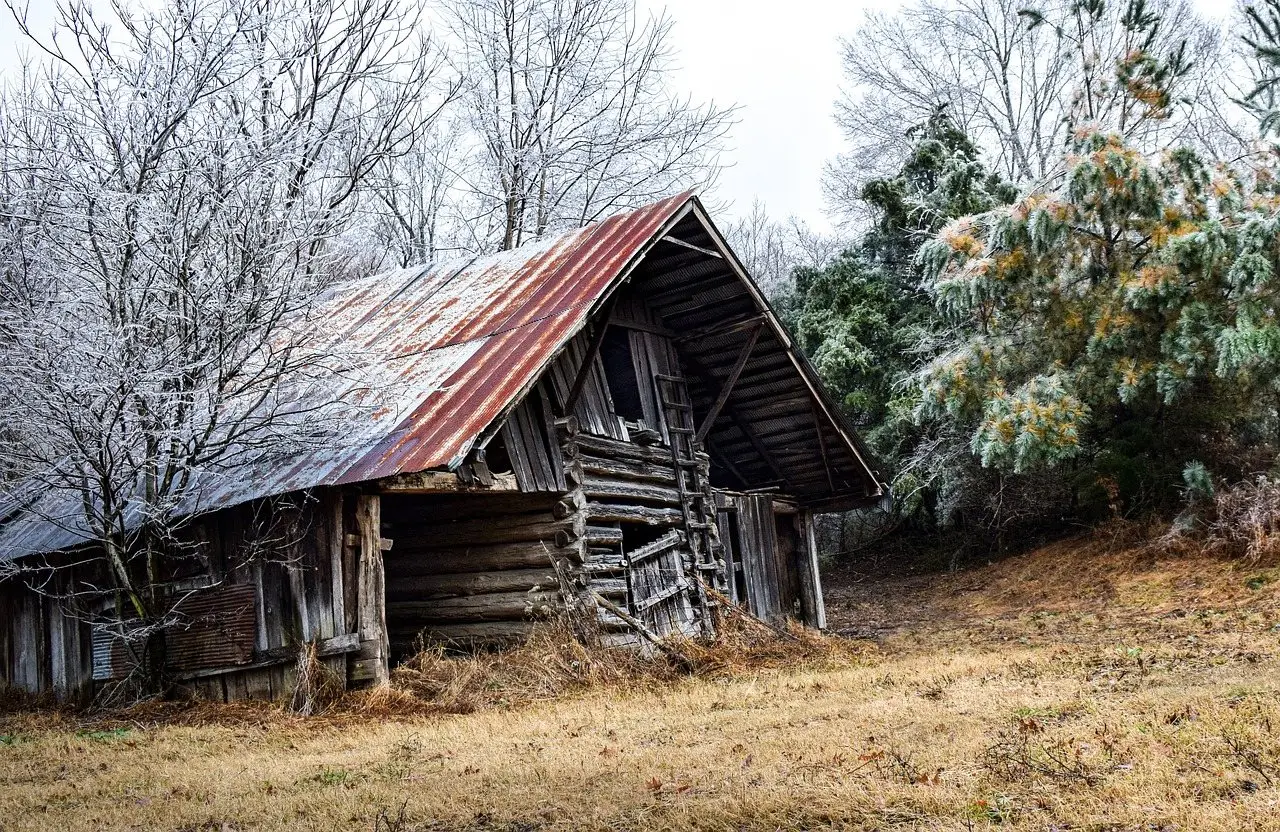
Raw materials, visible wear, no polish. Unfinished timber, iron, stone and terracotta, with age and imperfection treated as the point rather than a flaw. In a garden it reads as a space that looks like it grew rather than one that was installed.
The material palette
| In | Out |
|---|---|
| Rough-sawn and reclaimed timber | Gloss-painted or laminated surfaces |
| Wrought and cast iron, galvanised steel | Bright plastic, chrome |
| Dry stone, slate, cobbles | Uniform concrete block |
| Terracotta, stoneware, zinc | Moulded resin planters |
| Linen, hessian, wool | Synthetic brights |
| Weathered grey, rust, moss | Even factory colour |
Rustic against farmhouse
Same vocabulary, different discipline. Rustic keeps the bark, the saw mark and the dark iron. Farmhouse sands it, paints it pale and tidies the lines. A reclaimed oak bench with the saw marks showing is rustic; the same bench sanded and painted off-white is farmhouse.
Getting it in a garden
- Stop sealing things. Let oak, cedar, larch and chestnut weather to grey. That is the look, and those timbers lose no strength doing it.
- Choose irregular over machined — a dry-stone edge rather than concrete blocks, split log steps rather than poured ones.
- Use reclaimed items. Old galvanised buckets, a worn bench, a salvaged gate carry the style instantly.
- Soften every edge. Planting that spills over a path or seeds into a wall does more than any object you buy.
- Let moss and lichen alone. They are finishing the job.
Distressed new furniture is the one thing that gives it away
Manufactured wear sits where real wear never happens — uniform scuffs on flat faces, even ‘ageing’ across a whole piece. Real wear concentrates at edges, handles, feet and anywhere weather or hands actually reach. One genuinely old item beats five distressed ones.
Planting that suits it
Cottage and meadow rather than clipped formality: hardy geraniums, foxgloves, lavender, sprawling roses, grasses, herbs, and anything that self-seeds into gaps. Climbers on timber and stone do a great deal of the work. Straight blocks of bedding undo the effect faster than any single object.
What you still owe it
Rustic forgives the surface but not the structure. Keep timber off wet ground, make sure water drains away from posts, and check joints and fixings. Grey is fine; rotten is not.
Common questions
What is rustic decor?
What is the difference between rustic and farmhouse style?
How do you make a garden look rustic?
Does rustic mean cheap?
Which plants suit a rustic garden?
Does rustic decor hold up outdoors?
Backyard Weekly
Know what to plant, week by week
Join the weekly email for seasonal jobs, fixes for what is going wrong, and gear worth buying.
Not ready to subscribe? The planting calendar is free and needs no email.
By subscribing you agree to our privacy policy. Grow In Backyard will never sell your address.
Keep reading
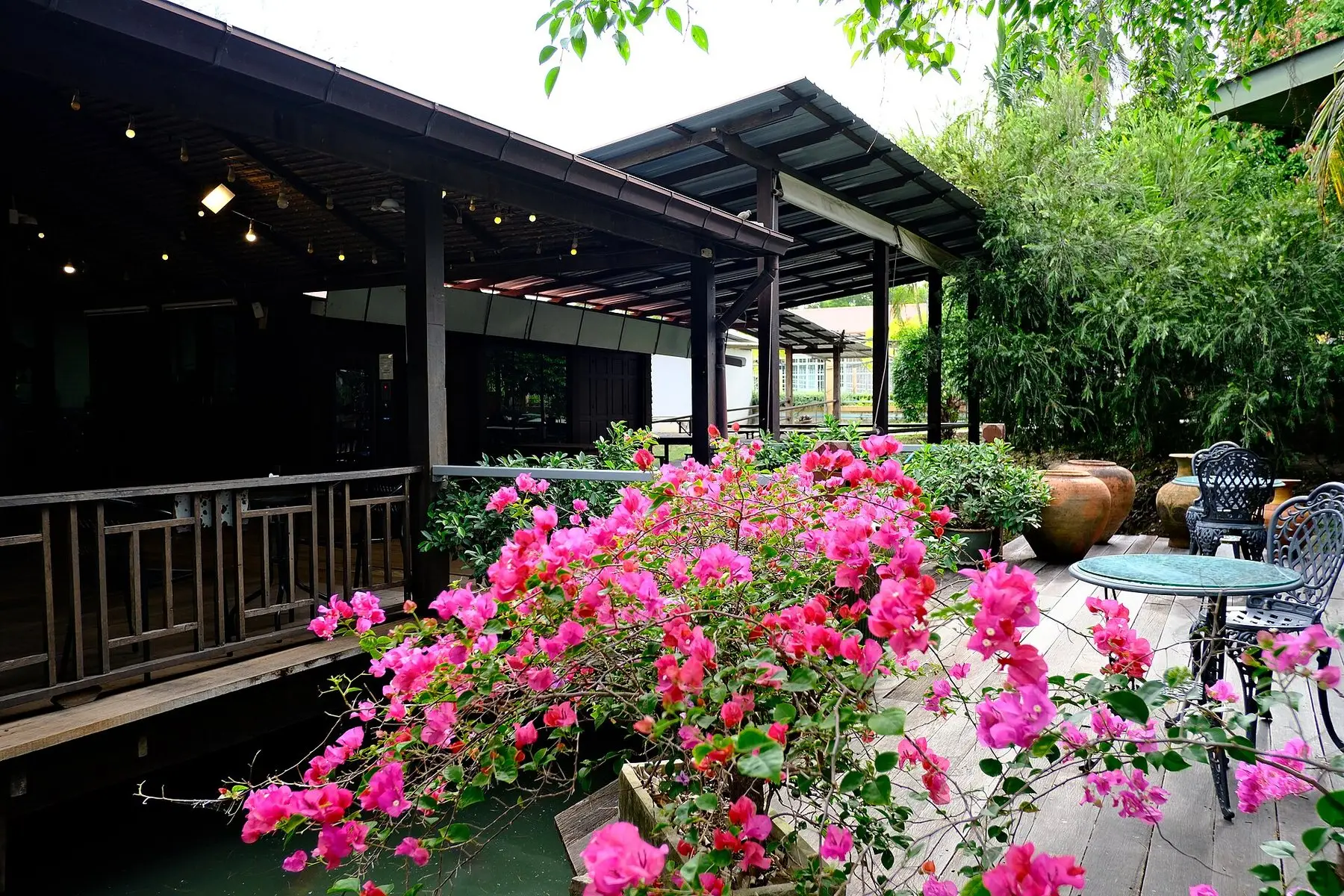
Garden Decor Ideas That Don't Look Cluttered in a Year
Most backyard decor gets added piece by piece until the yard looks like a garden center. A short list of what earns its place, and what to skip.
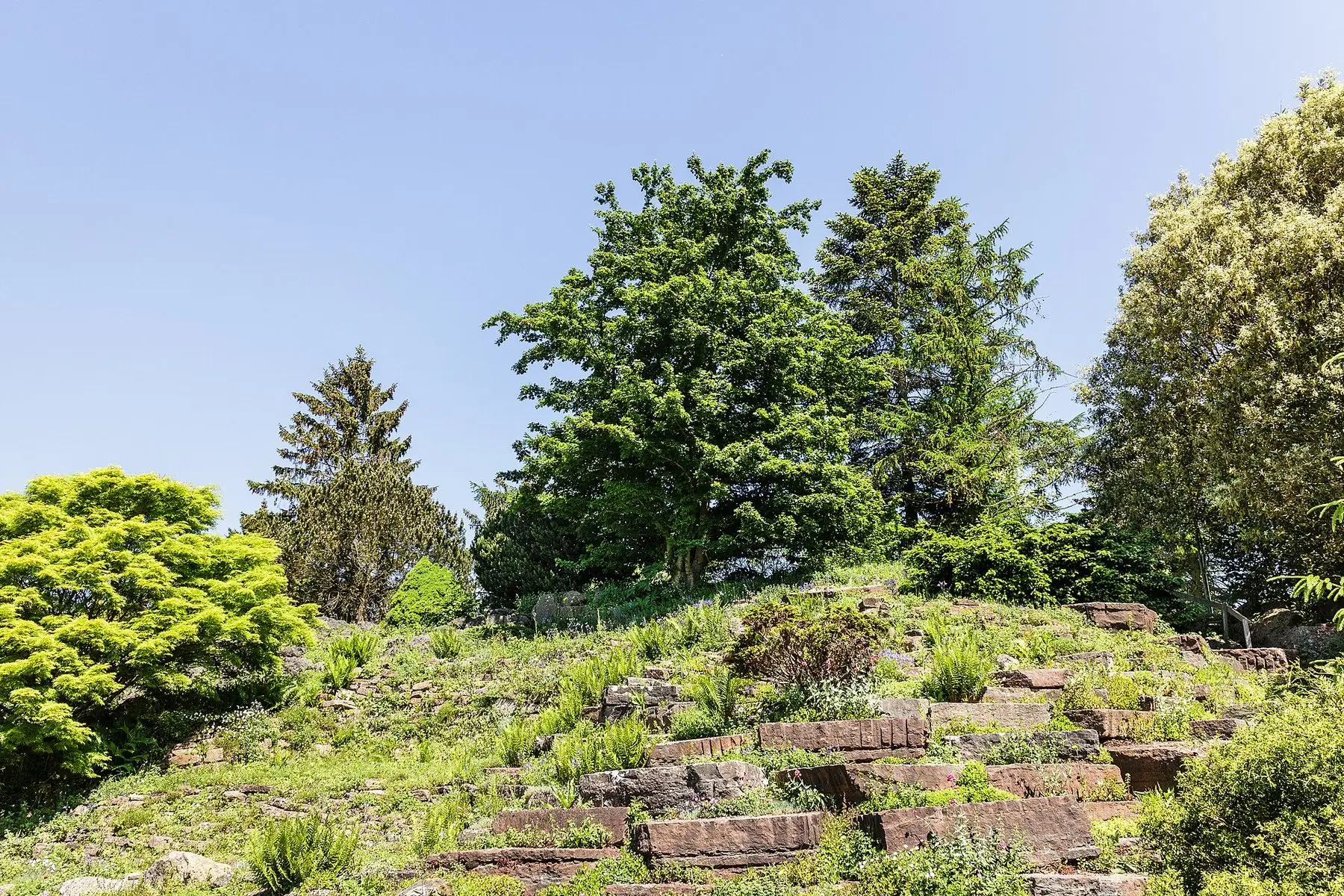
Rock Garden Ideas That Look Like They Belong There
The difference between a rockery and a pile of stones is drainage and burial. How to set rock so it reads as outcrop, and what actually survives in it.
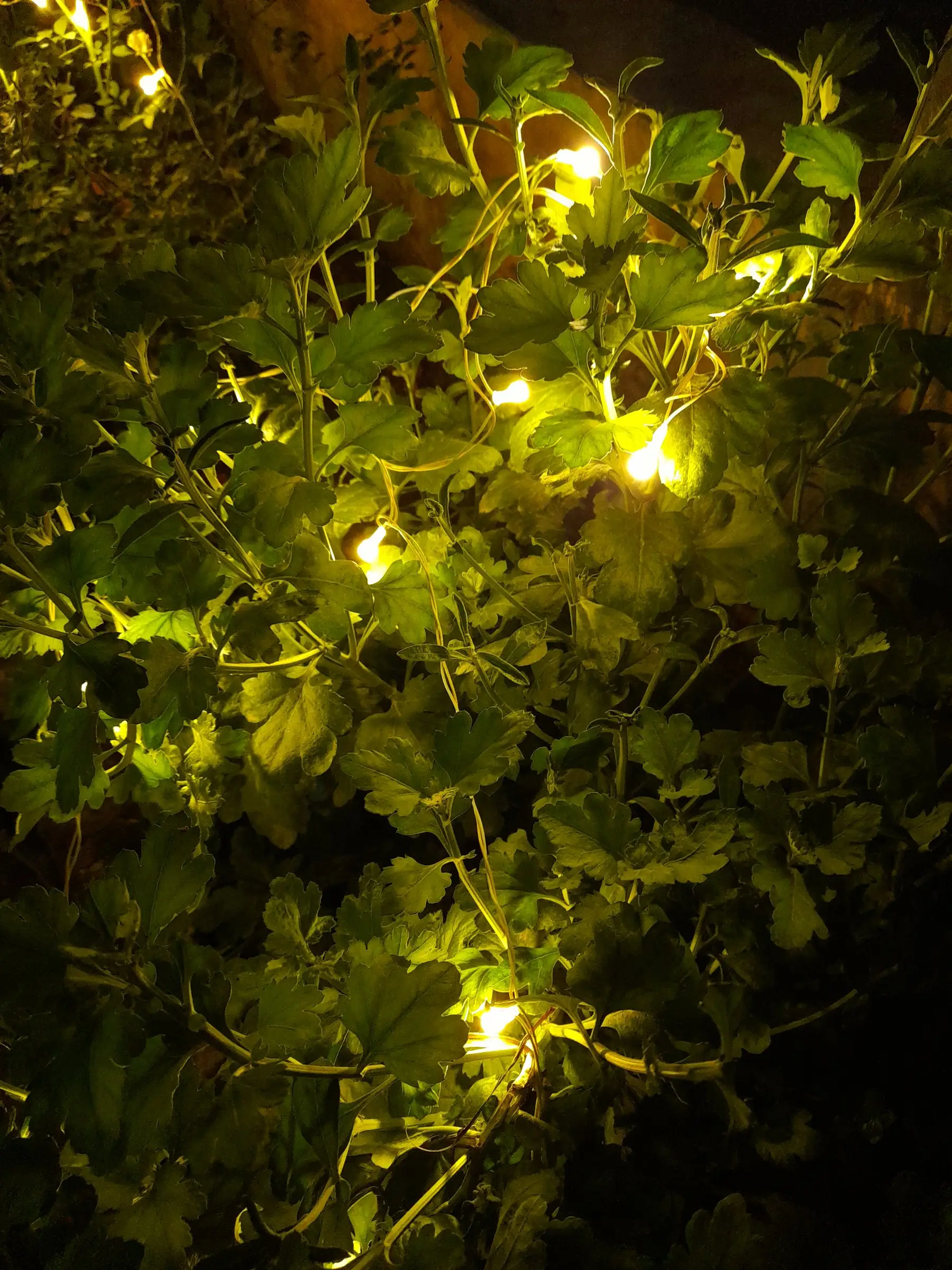
Outdoor Garden Lighting Ideas That Get Used Past Month Two
Most outdoor lighting gets hung once and never turned on again. The five kinds worth the effort, and the color temperature that makes or breaks all of them.
What to Put Under Decorative Stones: Fabric, Not Plastic
Woven landscape fabric lets water through and holds stones clear of soil. Plastic sheeting traps water and kills the ground beneath it.