
Landscaping Under Trees: What Survives Dry Shade
Under a mature tree the problem is root competition and drought, not shade. Plants that cope, how to plant without damaging roots, and what never works.
 By
On this page
The problem under a tree is rarely the shade. It is that the tree takes the water first, from exactly the depth everything else roots in.
Why it is difficult
- Root competition. A mature tree’s feeding roots occupy the top 12 to 18 inches across an area wider than the canopy, and they are better at taking water than anything you plant
- Rain shadow. A dense canopy sheds rain outward, so the ground near the trunk can be dry even after a wet week
- Low light, which rules out most flowering plants but matters less than the first two
- Compaction, because the area under a tree is usually walked on
That combination is called dry shade, and the plant list for it is short but reliable.
What to plant
| Plant | Type | Notes |
|---|---|---|
| Epimedium | Ground cover | The outstanding one. Evergreen, spreads steadily |
| Hardy geranium (macrorrhizum) | Ground cover | Tough, smothers weeds, scented foliage |
| Bergenia | Clump | Evergreen, thick leaves, winter colour |
| Hellebore | Clump | Flowers in late winter when nothing else does |
| Pulmonaria | Clump | Early flowers, spotted foliage |
| Dryopteris ferns | Clump | Tolerates dry far better than most ferns |
| Japanese anemone | Tall | Late flower; can spread enthusiastically |
| Vinca minor | Ground cover | Fast, dense — check it is not invasive locally |
| Sweet woodruff | Ground cover | Spreads, fragrant |
| Spring bulbs | Bulb | Flower before the canopy closes |
Spring bulbs are the trick worth knowing: snowdrops, aconites, wood anemone and daffodils complete their year before the tree is in full leaf, so the shade never affects them.
Planting without damaging the tree
- Clear by hand. No rotavator, no digging over
- Feel for roots with a hand trowel before committing to a position
- Plant in the gaps. If a spot is solid root, move a foot sideways
- Never cut a root thicker than about an inch — those are structural
- Small plants, 9 cm pots, which need a far smaller hole than a 2-litre
- Backfill with compost in the planting pocket only, not as a layer over everything
- Plant in autumn, so roots establish before the first dry summer
- Water through two summers. This is the step people skip and the reason plantings fail
Do not raise the soil level over the roots
Adding four inches of topsoil to make a nice level bed is the most common way gardens kill mature trees — and the tree dies three to five years later, so the cause is rarely connected to the effect.
Roots need gas exchange. An inch or two of compost or mulch is fine; a continuous layer of soil is not, and nothing should ever be piled against the trunk.
Mulch, which does most of the work
- Two to three inches of bark or wood chip over the whole area
- Six inches clear of the trunk. The mulch volcano piled against bark rots the collar
- Top up annually at first
- It conserves the moisture you are competing for, which helps the tree as well as the planting
- Free arborist chip is ideal here, composted for six months first
If you would rather not plant at all
Entirely reasonable, and often the best-looking answer:
- A clean mulched circle out to the drip line, edged
- A bench or a seat under the canopy, on gravel over a membrane-free compacted base
- Large pots standing on the mulch, planted with whatever you like — no root competition at all, and movable
- Stepping stones through the mulch to make it a route rather than a dead area
What never works
- Grass. It will always be thin. Stop fighting it
- A raised bed built over the roots, which is the soil-burial problem with edges
- Trenching for irrigation or lighting across the root zone
- English ivy where it is invasive — it climbs, and the canopy weight is a storm risk
- Planting large specimens, which need holes that cut roots
- Skipping the water in the first two summers
Common questions
What can I plant under a tree?
Why won't grass grow under my tree?
Can I put soil on top of tree roots?
What is the best ground cover for under trees?
Should I mulch under a tree?
Is it safe to dig under a tree?
Backyard Weekly
Know what to plant, week by week
Join the weekly email for seasonal jobs, fixes for what is going wrong, and gear worth buying.
Not ready to subscribe? The planting calendar is free and needs no email.
By subscribing you agree to our privacy policy. Grow In Backyard will never sell your address.
Keep reading
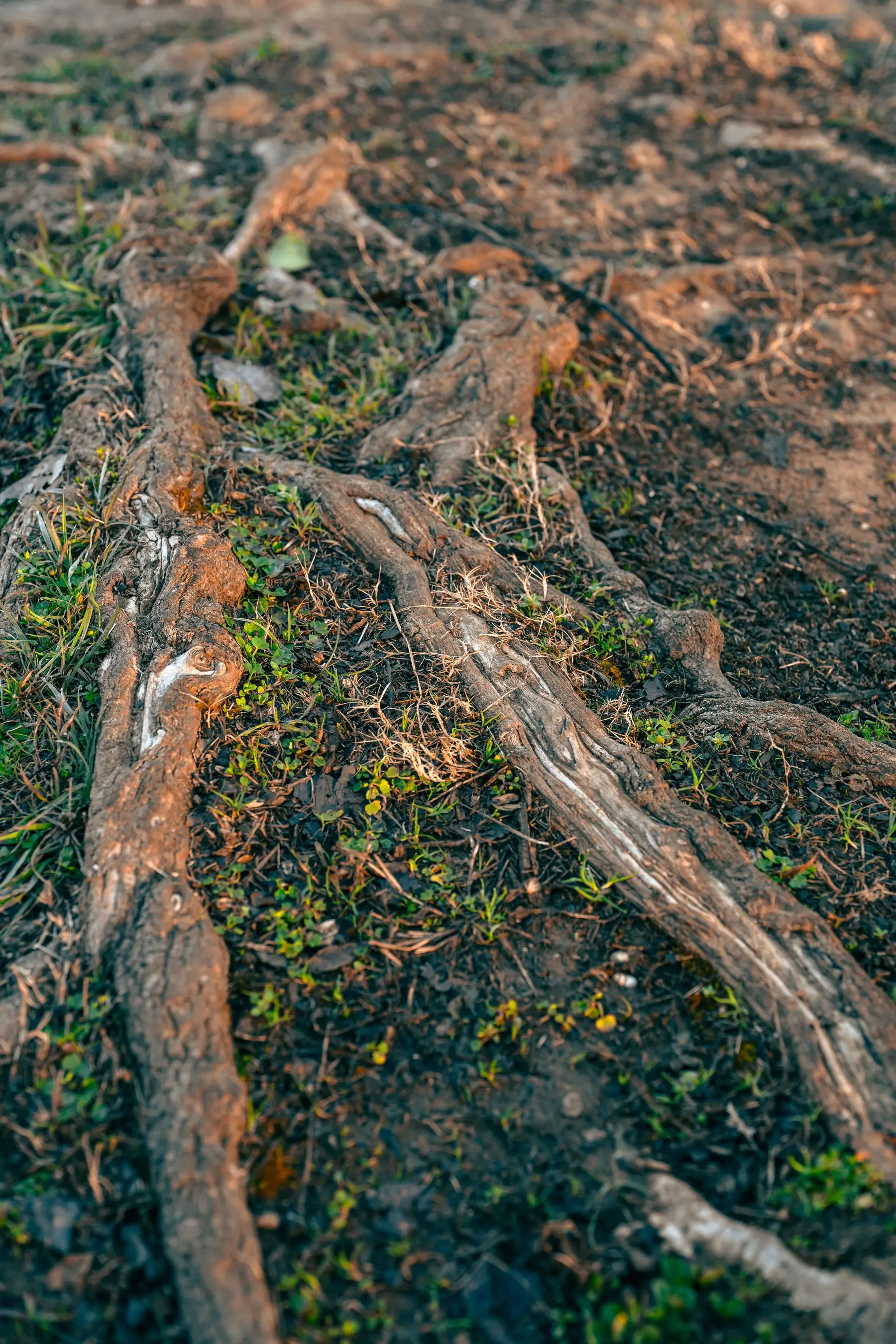
How to Landscape Around a Tree With Exposed Roots
Adding soil over roots suffocates them and cutting them risks the tree. What you can safely do instead, and why the raised bed idea kills mature trees.

Low Maintenance Flower Bed Ideas for the Front of a House
Front beds fail from the same four mistakes. The planting plan, spacing and edge detail that keep a bed looking deliberate with an hour of work a month.
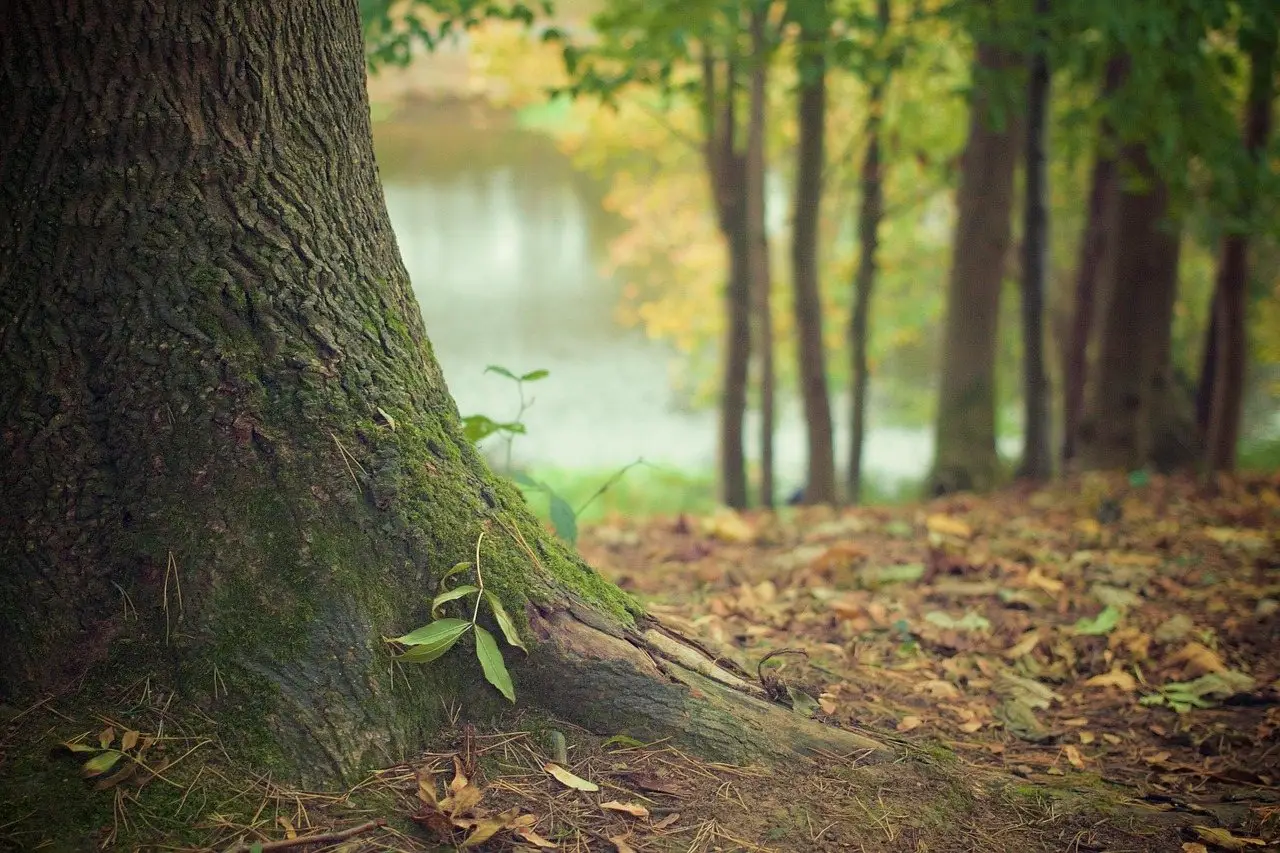
Should You Mulch Around Trees? Yes — But Never Against the Trunk
A wide, shallow ring of mulch is one of the best things you can do for a tree. Piling it against the bark is one of the worst, and it is common.
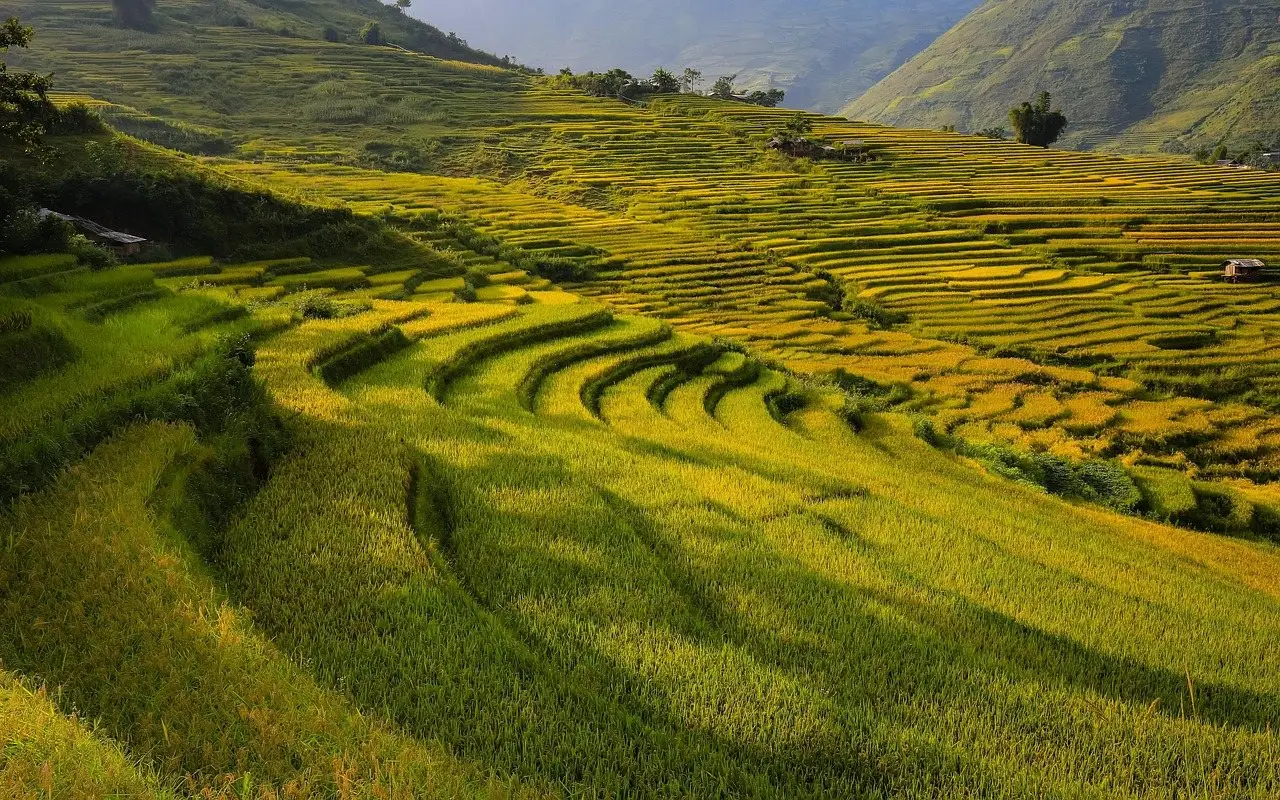
Leveling a Sloped Yard: Methods, Costs and What to Skip
Cut and fill, terracing or raising — which one suits your slope, what each costs, and the drainage and retaining-wall rules that decide if it holds.