
Leveling a Sloped Yard: Methods, Costs and What to Skip
Cut and fill, terracing or raising — which one suits your slope, what each costs, and the drainage and retaining-wall rules that decide if it holds.
 By

On this page
The method is decided by one measurement: how much fall there is across the area. Everything else — cost, permits, whether it holds — follows from that number.
Measure it first
Two stakes, a string line and a line level, or a laser if you have one.
- Drive a stake at the top of the slope and one at the bottom
- Run a string between them, levelled with a line level
- Measure from the string down to the ground at the low stake. That is your fall
- Measure the run between the stakes
- Fall divided by run gives the gradient — useful for talking to anyone you hire
| Fall across the area | Method | Typical cost driver |
|---|---|---|
| Under 12 in | Cut and fill, regrade | Machine hire, a day |
| 1–3 ft | One retaining wall + level bench | Wall face area |
| 3–6 ft | Terracing, two or more walls | Number of walls, permits |
| Over 6 ft | Engineered design | Engineer, drainage, access |
| Any, against the house | Regrade away first | Damp risk if ignored |
Cut and fill — the cheap one
Move soil from the high side to the low side. The point is that the volumes balance, so nothing has to be bought or carted away.
- Strip and stack the turf if it is worth reusing
- Cut from the high end, barrow to the low end
- Place fill in six-inch lifts, compacting each one. Fill placed in one dump settles ten to twenty percent and leaves a hollow
- Keep a fall away from the house — about an inch per foot for the first ten feet
- Keep soil six inches below siding, below weep holes and below the damp course
- Re-lay the turf or reseed immediately. Bare graded soil erodes in the first storm
Topsoil goes back on top. Cutting means you are exposing subsoil, and grass will not establish in it.
Raising the grade against a house causes damp
This is the most expensive mistake on this page, and it is a common one — filling a low corner right up to the wall.
Soil must stay six inches below siding and below the damp proof course. If the low spot is against the house, the answer is drainage and a regrade away from the wall, not fill.
Retaining walls and terraces
A wall creates the level ground; drainage keeps the wall standing.
- Two short walls beat one tall wall. Cost, permits and engineering all escalate sharply with height, and two 2-foot walls with a bench between are usually far cheaper than one 4-foot wall
- Check the permit threshold. Many places require a permit and an engineer’s design above three or four feet
- Set the first course below grade — commonly one course, on compacted crushed stone
- Batter the wall back into the slope slightly rather than building it plumb
- Free-draining backfill, not soil, behind the wall
- Perforated pipe at the base, with fall to a real outlet
- Geotextile between backfill and retained soil, or the voids silt up and the wall becomes a dam
A wall with no drainage holds water, and saturated soil weighs far more than dry soil. That is how walls lean.
What each method actually costs
Orders of magnitude, since local rates swing these hard.
- Cut and fill with on-site soil — machine hire for a day, plus seed or turf. Hundreds
- Imported fill — commonly twenty to fifty dollars a cubic yard delivered. A 20 by 20 area raised a foot is about fifteen yards, so the soil alone adds up quickly
- Retaining wall — frequently thirty to seventy dollars per square foot of wall face installed, less for DIY block
- Spoil removal — often the hidden line. Skip hire or grab lorry, and excavated soil bulks up by about twenty-five percent
- Access — if a machine cannot reach the back garden, labour multiplies
Before you start
- Call the utility locating service. Free in most countries
- Check the permit position for wall height and soil volume
- Work out where the water goes after the change, and confirm it is not a neighbour’s land
- Photograph the slope from fixed points first — the before-and-after is also how you check settlement over the next year
What to skip
- Dumping fill on a slope and hoping it stays. It slumps with the first heavy rain
- A tall wall with no drainage. The commonest failure, and it fails slowly then suddenly
- Railway sleepers in contact with soil without a liner. They rot and the wall goes with them
- Levelling the whole garden when a single level terrace is what you actually wanted
- Starting without measuring the fall, which is how a weekend job becomes an engineer’s job
Common questions
How do you level a sloped yard?
How much does it cost to level a backyard?
Do I need a permit to level my yard?
Can I just fill in a sloped yard with soil?
Is terracing better than one big retaining wall?
What do I do about drainage when leveling?
Backyard Weekly
Know what to plant, week by week
Join the weekly email for seasonal jobs, fixes for what is going wrong, and gear worth buying.
Not ready to subscribe? The planting calendar is free and needs no email.
By subscribing you agree to our privacy policy. Grow In Backyard will never sell your address.
Keep reading
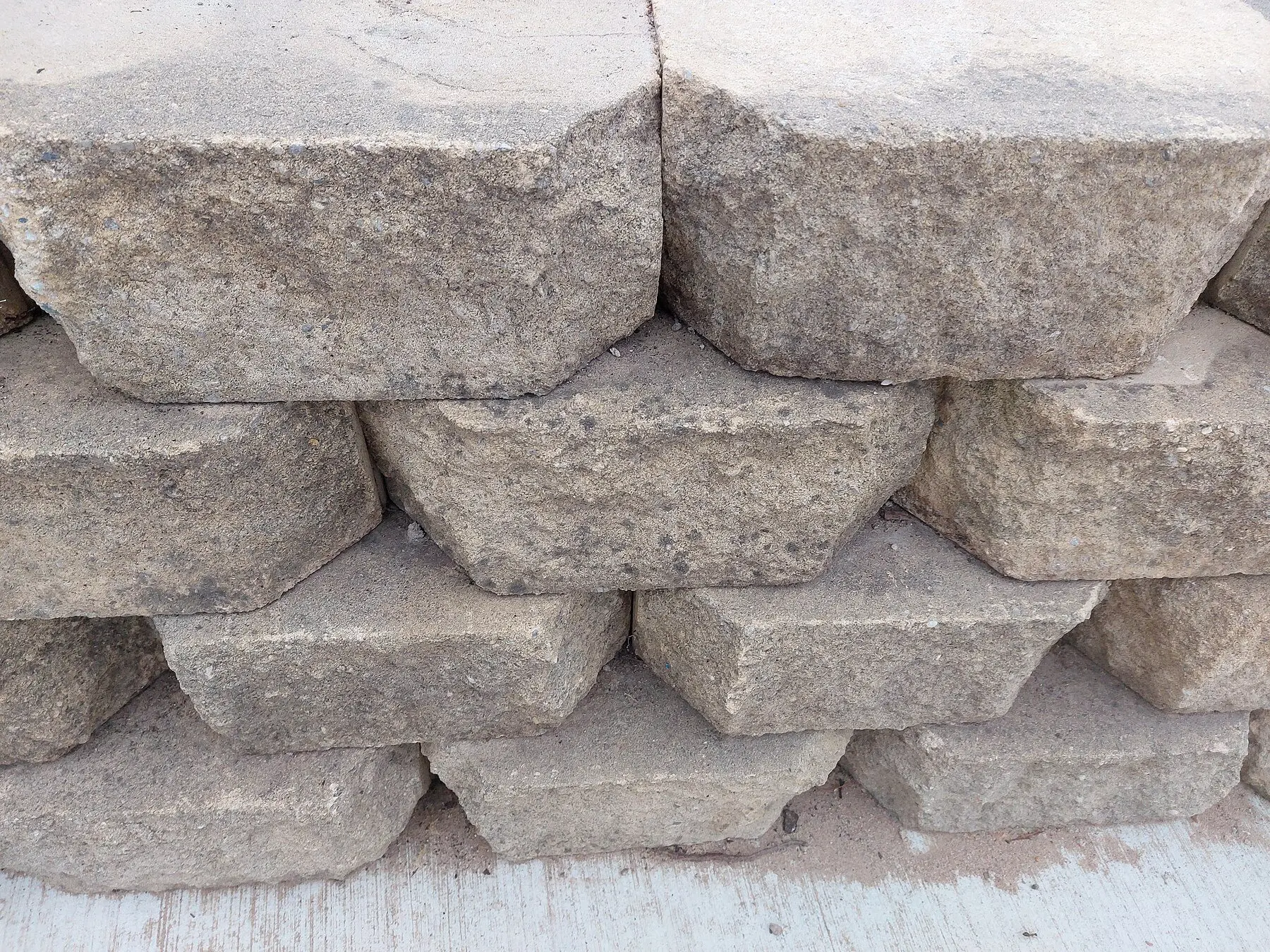
How to Build a Retaining Wall — 4 Parts, No Lean
How to build a retaining wall that stays upright: base and drainage. 4 parts decide it, with engineering above 4 ft. See which your plan needs.
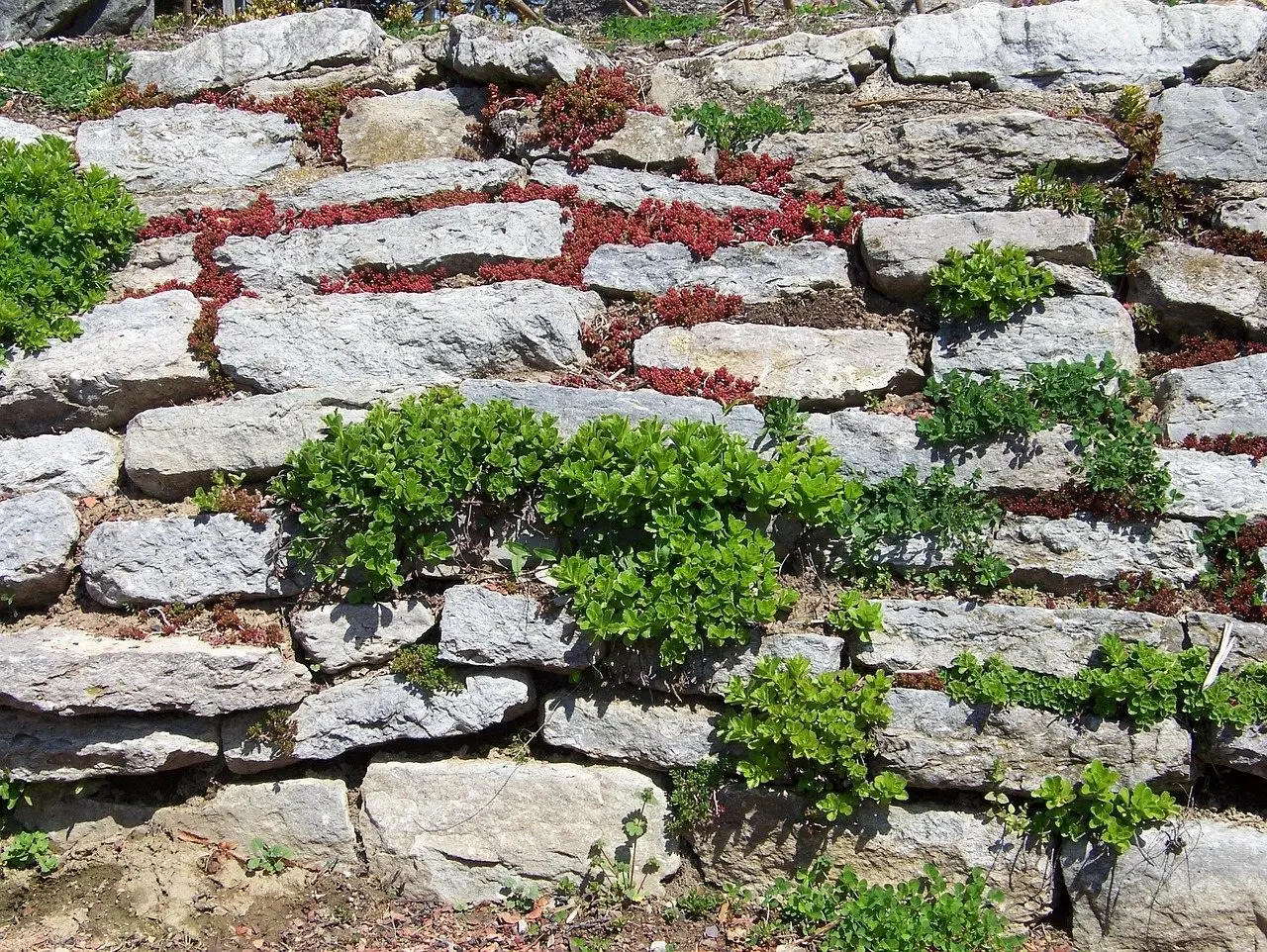
Does a 2 Foot Retaining Wall Need Drainage? Usually Yes
Height is the wrong test. What the wall is holding back and how water reaches it decide whether gravel and a pipe are optional or essential.
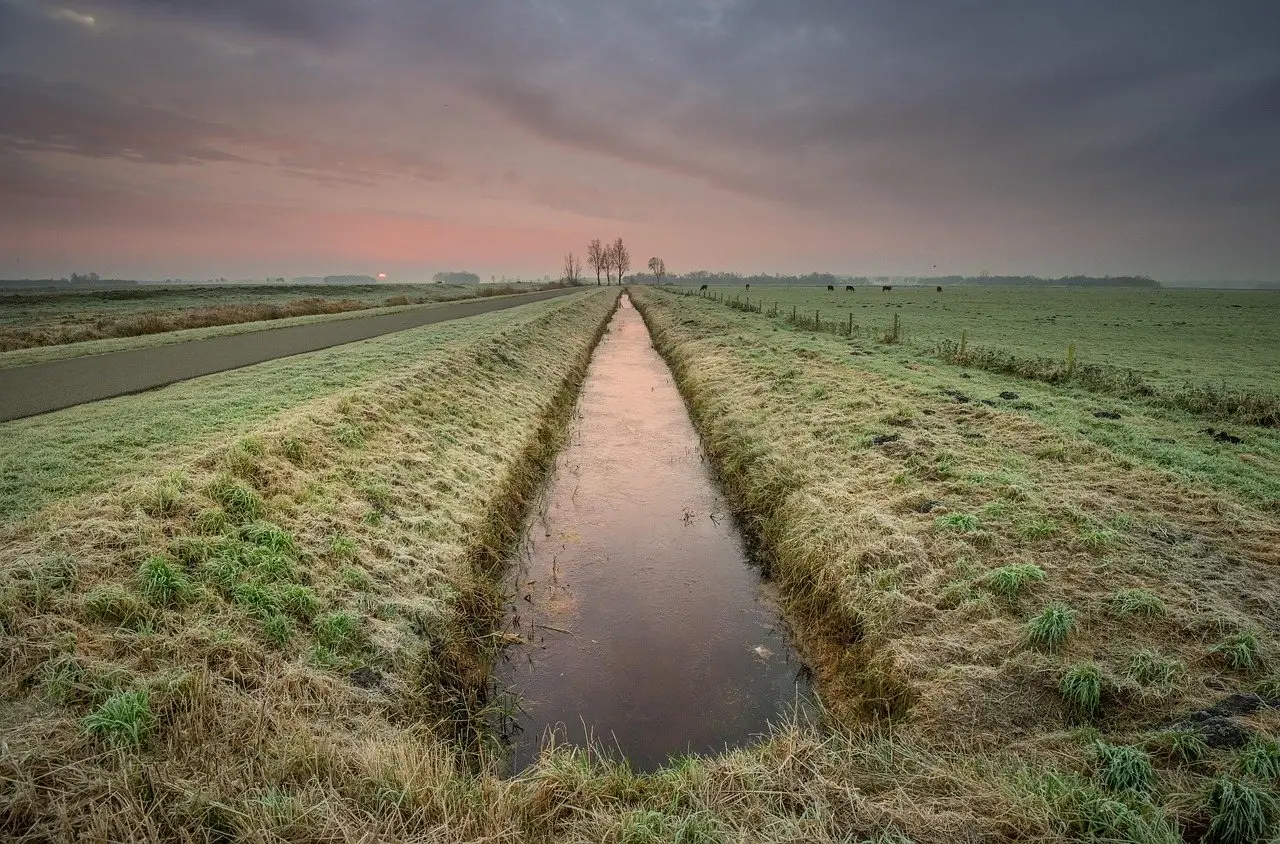
Backyard Drainage Ideas That Fix the Water, Not the Symptom
A wet yard has one of four causes. How to find which, and which fix matches it — French drain, dry creek, regrade, or dry well — with real costs.

Low Maintenance Flower Bed Ideas for the Front of a House
Front beds fail from the same four mistakes. The planting plan, spacing and edge detail that keep a bed looking deliberate with an hour of work a month.