
Are Outdoor Patio Rugs a Good Idea? On Decking, Rarely
A polypropylene rug transforms a hard patio cheaply. On timber decking it traps moisture and marks the boards, which is the one real catch.
 By
On this page
On stone or concrete, yes. A polypropylene rug is the cheapest way to make a patio feel like a room. On timber decking, usually not — it holds moisture against the boards and causes staining, mildew and eventually rot. The surface decides this, not the rug.
Surface decides it
| Surface | Verdict | Why |
|---|---|---|
| Stone, concrete, porcelain | Yes | Free draining, nothing to damage |
| Gravel | Yes, with a flat base | Rug needs something level |
| Timber decking | Usually no | Traps moisture against boards |
| Composite decking | Cautiously | Won’t rot, but will stain and mildew |
| Grass | No | Dead patch within two weeks |
What a rug does to a deck
It stops the boards drying after rain. Moisture sits in the gap, and you get dark staining, mildew, and accelerated decay of both the boards and the fixings. A solid rubber backing makes it certain. If you must have one on a deck, use an open-weave rug with no backing and lift it regularly to let the boards dry.
Materials
- Polypropylene — the default, and the right answer nearly always. Non-absorbent, UV-stable, dries fast, hoses down and scrubs.
- Recycled plastic flatweave — same idea, often reversible, usually cheaper.
- Jute, sisal, natural fibres — look better, rot, stain and hold water. A covered porch at most.
- Anything with a solid rubber or latex backing — avoid on any surface that needs to dry.
Keeping it put
Weight the corners with furniture first — a table leg on each side holds most rugs through ordinary weather. For exposed positions, outdoor rug grippers or landscape pins into the gaps between pavers both work. Roll it up when a storm is forecast: a soaked rug is heavy, slow to dry and mildews quickly.
Cleaning and storing
- Shake or sweep regularly — grit underneath is what abrades a rug and the surface below it.
- Hose, then scrub with mild soapy water and a stiff brush.
- Dry it completely before it goes back — draped over a railing or fence, not laid flat.
- Store it rolled and bone dry over winter. Freeze-thaw cycles on a wet rug ruin it.
The quickest patio upgrade there is
On tired paving a rug does more for the look of a seating area, per pound spent, than furniture does. Just put it on something that drains.
Common questions
Are outdoor patio rugs a good idea?
Do outdoor rugs damage decking?
What is the best material for an outdoor rug?
Will an outdoor rug kill the grass underneath?
How do you stop an outdoor rug blowing away?
How do you clean an outdoor rug?
Backyard Weekly
Know what to plant, week by week
Join the weekly email for seasonal jobs, fixes for what is going wrong, and gear worth buying.
Not ready to subscribe? The planting calendar is free and needs no email.
By subscribing you agree to our privacy policy. Grow In Backyard will never sell your address.
Keep reading
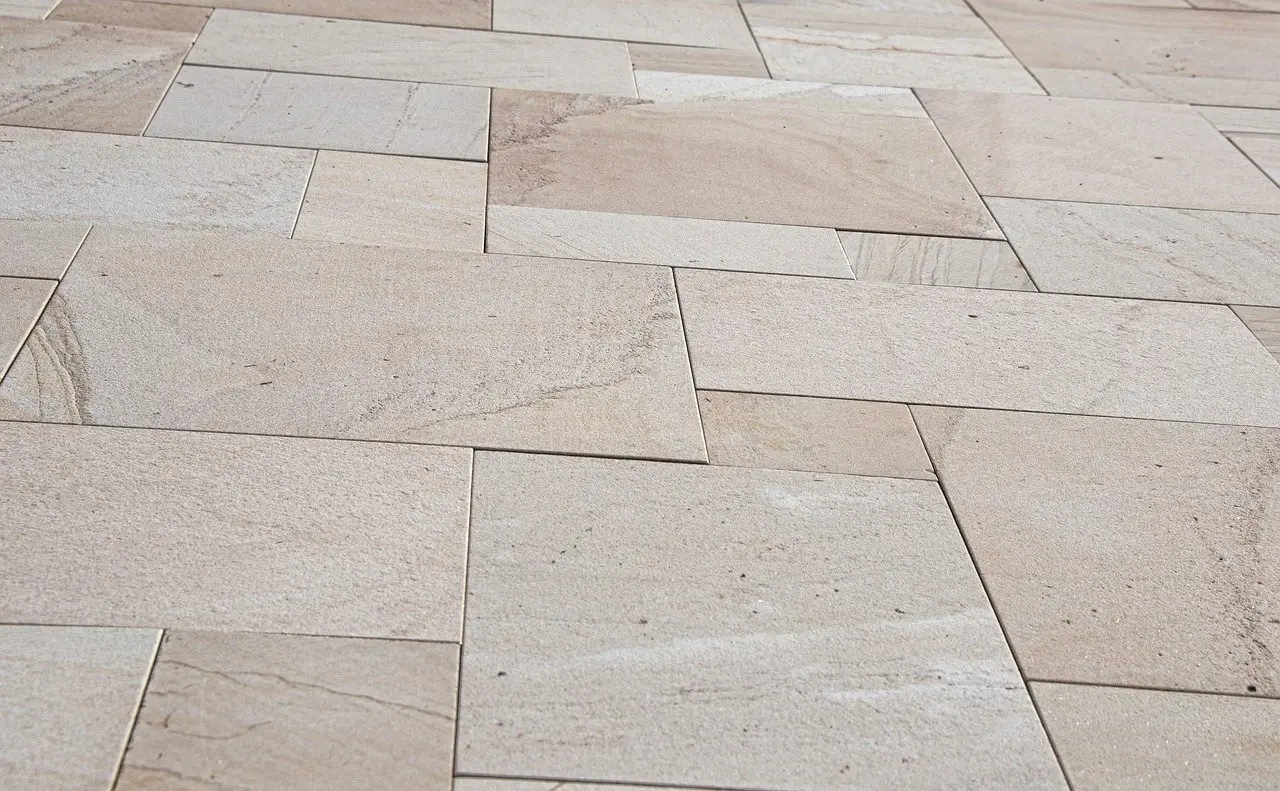
What Is the Best Surface for a Patio? Match It to the Use
Concrete slabs are the cheapest solid option, porcelain the most maintenance-free, gravel the easiest to lay. The base matters more than any of them.
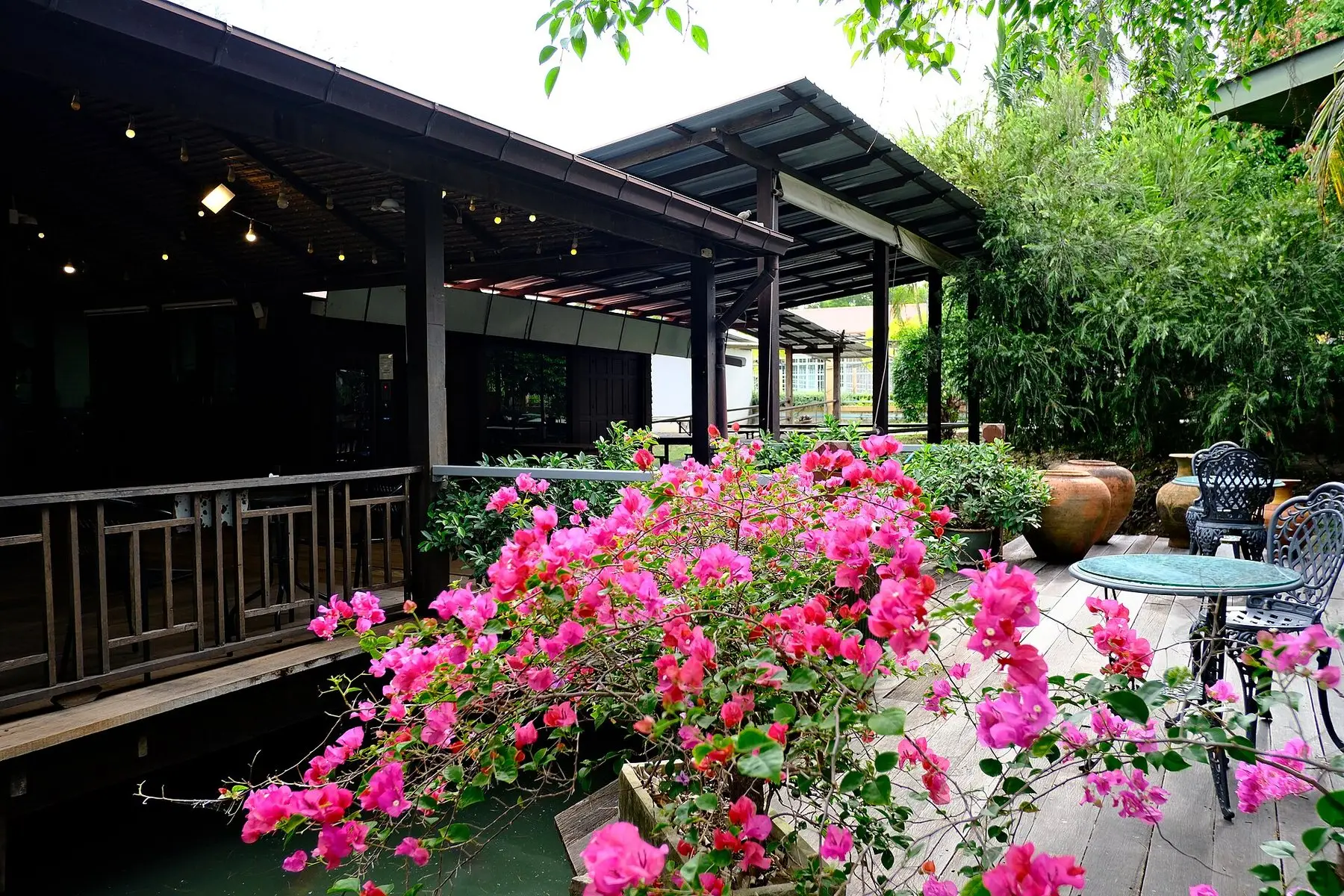
Garden Decor Ideas That Don't Look Cluttered in a Year
Most backyard decor gets added piece by piece until the yard looks like a garden center. A short list of what earns its place, and what to skip.
Is Pressure Treated Wood Good for Decks? Yes, With Care
It is the default for good reason — rot resistance at low cost. The catches are movement as it dries, cut ends, and matching the treatment to the use.
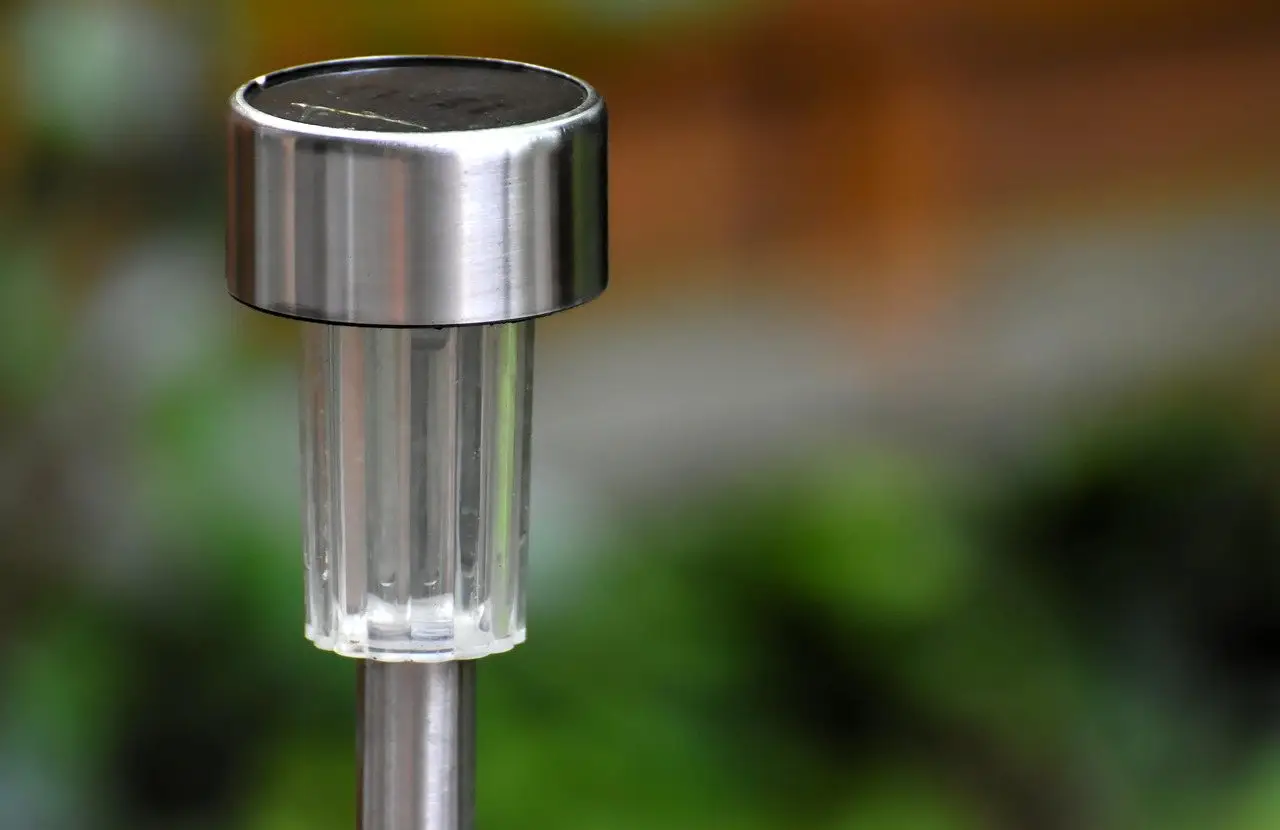
Are Solar Outdoor Lights Worth It? For Ambience, Yes
Solar lights need no wiring and cost nothing to run, but output and winter runtime are limited. They suit marking paths, not lighting them.