
Front Yard Landscaping With Ornamental Grasses
Grasses carry a front yard for three seasons on almost no work. Which to plant where, the clumping-versus-running trap, and when to cut them back.
 By

On this page
Grasses do something no other plant does in a front garden: they move. They also hold their shape from spring to the following March on one cut-back a year.
Clumping or running — the decision that matters
| Habit | Behaviour | Verdict |
|---|---|---|
| Clumping | Expands slowly as a tuft | Plant freely |
| Running | Spreads by rhizome, colonises | Avoid in a bed |
| Heavy self-seeder | Seeds into lawn, beds, neighbours | Check local status |
Ribbon grass is the classic mistake — pretty, cheap, and it will take the bed and then the lawn. Some fountain grass and miscanthus cultivars self-seed heavily in warm climates and are listed as invasive in parts of the United States and Australia.
Check the status for your region before buying. A local extension service or native plant society answers this in one search, and it is the difference between a feature and a decade of digging.
What to plant, by role
Tall, back of bed or as a screen — 4 to 7 ft
- Miscanthus (compact cultivars) — the classic plume, upright, reliable
- Switchgrass — native to North America, tough, red-bronze autumn colour, stands through snow
- Feather reed grass — the most upright and formal; excellent beside a path or drive because it does not flop into it
Medium, the main body — 2 to 4 ft
- Little bluestem — blue-green to copper, superb autumn colour, poor-soil tolerant
- Fountain grass — softer, arching, bottlebrush heads
- Prairie dropseed — fine-textured, fragrant in flower, slow and very tidy
Low, edge and front — under 2 ft
- Blue fescue — steel blue, small tufts, needs sun and drainage
- Sedges — the shade answer, semi-evergreen, combed rather than cut
- Japanese forest grass — shade, arching, the one that justifies itself in a dark bed
Planting them so they read as a design
- Drifts, not dots. Three, five or seven of one species. A single grass in a lawn looks like something that escaped
- Repeat along the frontage — the same grass appearing three times down a bed is what makes it look designed from the street
- Space at mature width. Large grasses three to four feet apart, medium two to three, small twelve to eighteen inches
- Contrast the texture. Grasses against broad leaves — hosta, heuchera, sedum, a clipped evergreen — because grass against grass reads as nothing
- Keep them off the path edge by half their mature width, or you will be walking through them by August
- Plant in spring in cold climates, so the crown establishes before winter
Plant them where the light comes through
The reason to use grasses is backlighting. A miscanthus or switchgrass with low morning or evening sun behind it is lit from within, and the seed heads glow.
Site them on the east or west side of the frontage rather than flat against a north wall, and the same plant does several times the work.
The annual cut-back
- Late winter or very early spring, before new shoots appear
- Four to six inches from the ground for deciduous types
- Hedge shears or a hedge trimmer — tie the clump with string first and the whole thing lifts out in one bundle
- Sedges and evergreens are not cut. Comb through with gloved hands and pull the dead blades out
- Divide every three to five years if the centre dies out — lift, split with a spade, replant the outer sections
Do not cut in autumn. You lose the winter structure, the crown loses its frost protection, and the overwintering insects and seed-eating birds lose the shelter.
Wear sleeves and gloves
Many ornamental grasses have finely serrated leaf edges that cut skin exactly like paper, and miscanthus is the worst of them.
Long sleeves and gloves for the cut-back, and keep the blades away from bare forearms.
Mistakes that show from the street
- One grass, alone, in the middle of a lawn. The single most common front-yard error
- Cutting them down in October, leaving the bed bare for five months
- Planting a running species and spending years removing it
- Spacing from the pot, so they merge into one shapeless mass by year three
- All grasses, no contrast — no broad leaves, nothing evergreen, nothing with a different form
- Too close to the drive, so they are cut back mid-season and never look right
Common questions
Are ornamental grasses good for a front yard?
What is the best low maintenance ornamental grass?
When should I cut back ornamental grasses?
Do ornamental grasses spread and become a problem?
How far apart should ornamental grasses be planted?
Will ornamental grasses look dead in winter?
Backyard Weekly
Know what to plant, week by week
Join the weekly email for seasonal jobs, fixes for what is going wrong, and gear worth buying.
Not ready to subscribe? The planting calendar is free and needs no email.
By subscribing you agree to our privacy policy. Grow In Backyard will never sell your address.
Keep reading

Low Maintenance Flower Bed Ideas for the Front of a House
Front beds fail from the same four mistakes. The planting plan, spacing and edge detail that keep a bed looking deliberate with an hour of work a month.
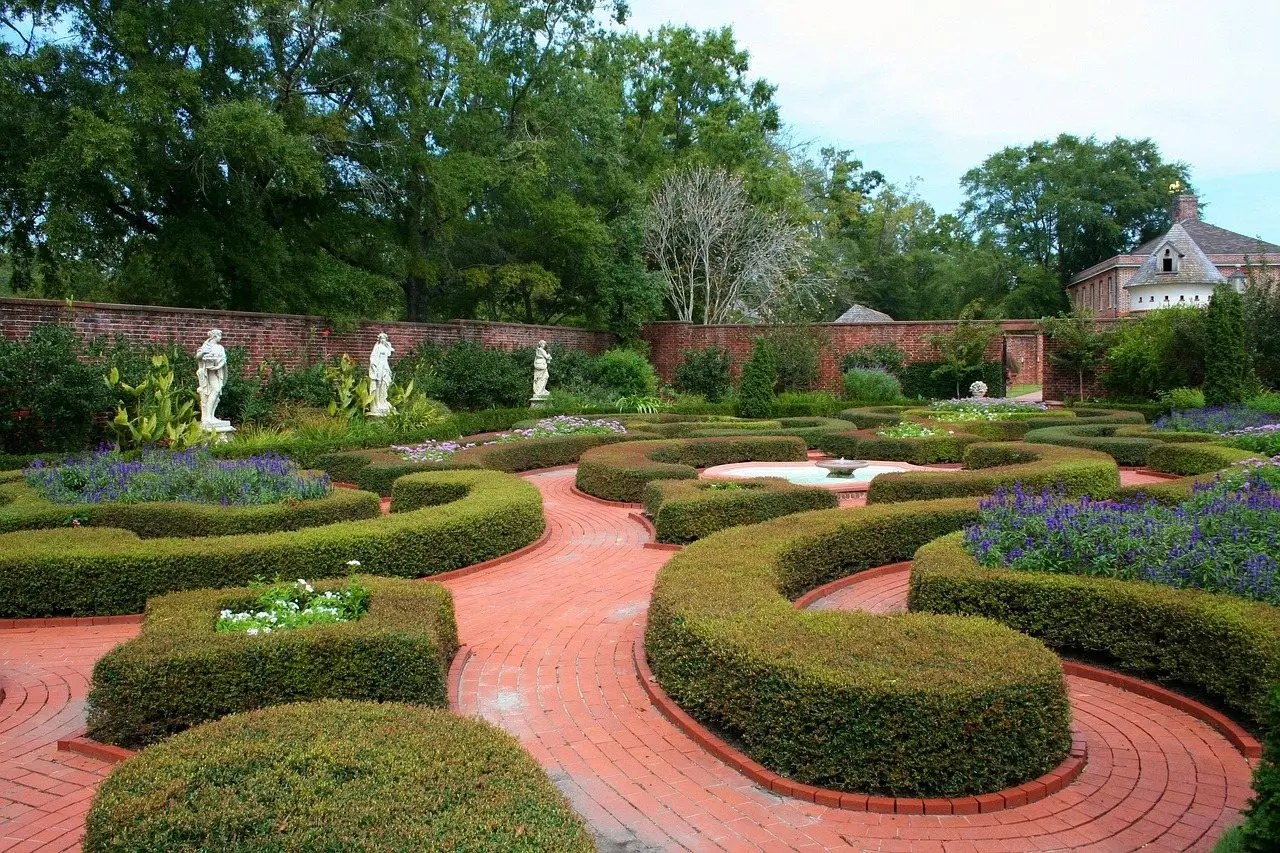
What Are the 7 Principles of Landscape Design?
Unity, balance, proportion, rhythm, emphasis, contrast and transition. Each is a question to ask about a garden, not a rule to follow blindly.
Tall Hedges for Privacy: What to Plant and How Fast It Grows
Screening height in two years or ten, depending on what you plant. Growth rates, spacing, final size and the species that become a liability.
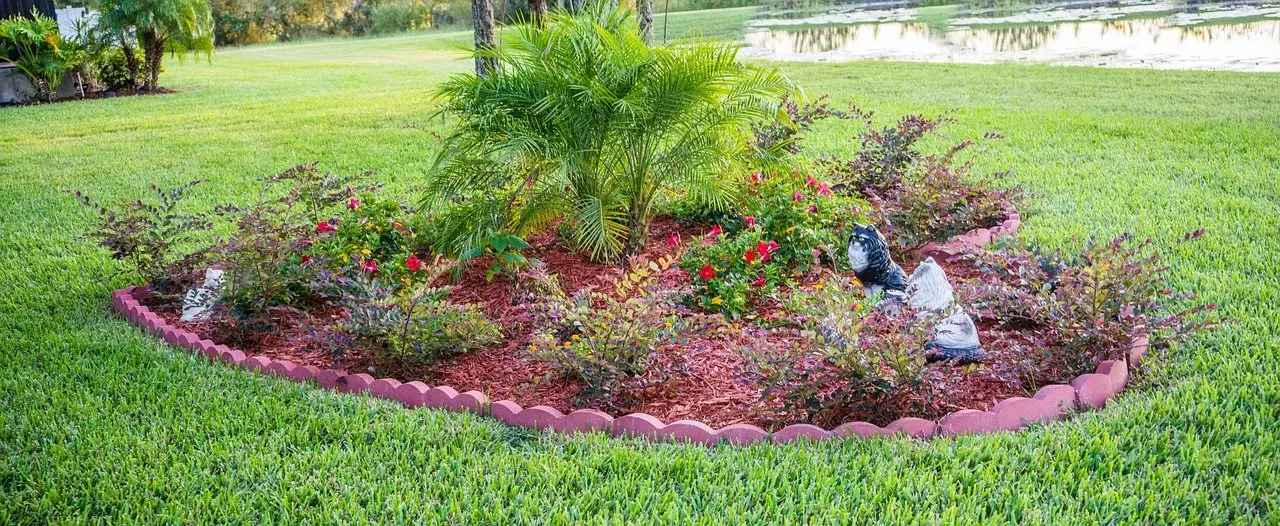
Landscaping Ideas on a Budget: Where the Money Actually Goes
Most budget landscaping advice ignores the two costs that dominate: hard surfaces and plant size. What to spend on, what to phase, and what to skip.