
Can String Lights Cause a Fire? Rarely, With LEDs
LED string lights run cool and are a low risk. The hazards that remain are daisy-chaining, damaged cable and indoor-rated sets left out in the weather.
 By
On this page
Rarely, with LEDs. They run barely warm and draw a fraction of the current. The risk has moved from the bulbs to the wiring — daisy-chaining, damaged cable, and indoor sets used outside.
Where the risk actually sits
| LED sets | Incandescent sets | |
|---|---|---|
| Bulb temperature | Barely warm | Hot enough to scorch |
| Current drawn | Low | Much higher |
| Sets you can chain | More | Few |
| Overnight unattended | Reasonable, certified set | Not advisable |
| Main risk | Cable, plug, driver | Bulbs and cable |
Daisy-chaining is the hazard people underestimate
Each set draws its current through the one before it, so the first cable carries the load of everything downstream. The manufacturer’s maximum number of connected sets exists for exactly that reason. Run long installations from separate outlets rather than extending the chain.
Indoor versus outdoor rated
Indoor sets have no weather sealing at sockets, plug or joints. Outdoors that means moisture ingress, corrosion, short circuits and tripped breakers.
Outdoor sets carry an ingress protection rating and sealed connections. The rating is on the packaging or the tag on the lead, and it is the one thing to check before hanging anything outside.
Safe installation
- Outdoor-rated sets only, for anything outdoors.
- Respect the chaining limit printed on the box.
- Run through an RCD — a plug-in one is inexpensive.
- Support the cable on hooks or wire; do not let it take its own weight or pinch it on a staple.
- Keep bulbs clear of dry foliage and fabric, especially with any older incandescent set.
- Outdoor-rated extension leads, kept off wet ground and with connections raised.
- Put them on a timer rather than relying on remembering.
Check the cable where it bends
Most string light failures start at a pinch point or a tight bend — over a fence rail, through a window frame, under a staple. That is where insulation cracks and water gets in.
When to replace rather than repair
Unplug and bin the set if you find:
- A plug or transformer that is hot, not just warm
- Any smell of hot plastic
- Discoloured, brittle or cracked insulation
- Cracked sockets or exposed copper
- A set that trips the breaker
- Unexplained flickering that is not a lighting mode
Repairs to low-cost string lights rarely restore the original weather sealing, which is the part that was keeping them safe outdoors.
Common questions
Can string lights cause a fire?
Are LED string lights a fire hazard?
Can you leave string lights on all night?
Why is daisy-chaining string lights dangerous?
Are indoor string lights safe to use outside?
What are the warning signs that string lights are unsafe?
Backyard Weekly
Know what to plant, week by week
Join the weekly email for seasonal jobs, fixes for what is going wrong, and gear worth buying.
Not ready to subscribe? The planting calendar is free and needs no email.
By subscribing you agree to our privacy policy. Grow In Backyard will never sell your address.
Keep reading
Outdoor Garden Lighting Ideas That Get Used Past Month Two
Most outdoor lighting gets hung once and never turned on again. The five kinds worth the effort, and the color temperature that makes or breaks all of them.
Garden Decor Ideas That Don't Look Cluttered in a Year
Most backyard decor gets added piece by piece until the yard looks like a garden center. A short list of what earns its place, and what to skip.
Can You Use a Patio Heater Indoors? Gas Ones, Never
Propane and gas patio heaters consume oxygen and produce carbon monoxide — outdoor appliances only. Electric radiant heaters are a different question.
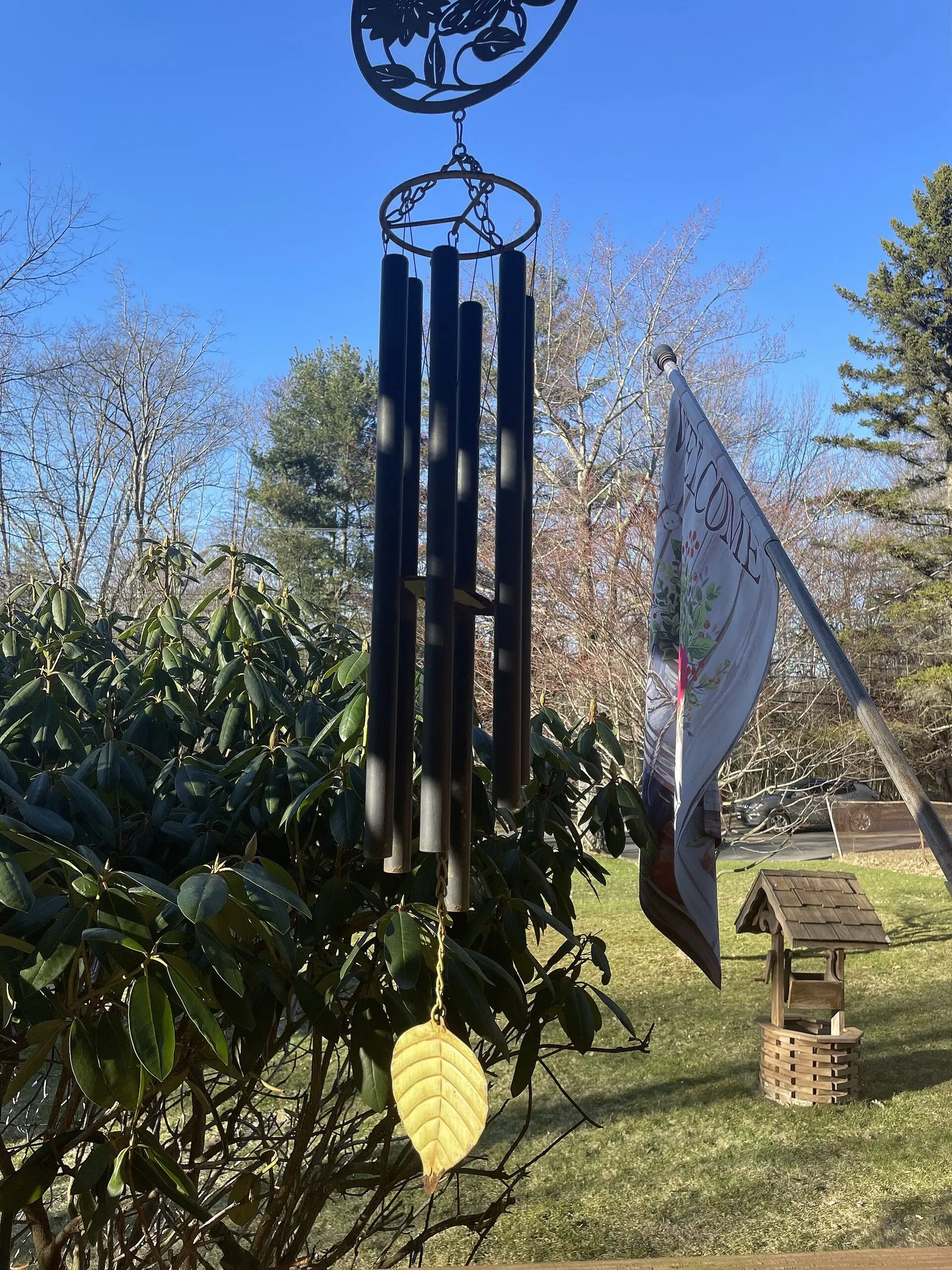
How to Restring a Wind Chime (10 Minutes, No Special Tools)
A wind chime with a snapped string is a five-dollar fix, not a reason to replace it. The order to rethread the tubes in, and the knot that actually holds.