
Stonecrop Varieties — 10 Sedums and Where Each Belongs
Stonecrop varieties split into upright and creeping sedums, and the 2 groups want different ground. 10 compared on height, hardiness and foot traffic.
 By
On this page
Stonecrop is a genus of roughly 400 species that behave like two entirely different plants. The tall border kinds and the ground-hugging mats share drought tolerance and nothing else about where they belong.
Upright border sedums
| Variety | Height | Flower | Hardy to | Foliage |
|---|---|---|---|---|
| ‘Autumn Joy’ | 24 in | Pink → rust, Aug–Oct | −30°F | Grey-green |
| ‘Matrona’ | 24 in | Dusty pink | −30°F | Purple stems |
| ‘Purple Emperor’ | 18 in | Pink | −20°F | Near-black |
| ‘Brilliant’ | 18 in | Bright pink | −30°F | Pale green |
| Sedum telephium | 18 in | Dull purple | −30°F | Green |
1. ‘Autumn Joy’ (Hylotelephium ‘Herbstfreude’). The standard, and deservedly. Flat flower heads open pale pink in August and dry to rust, holding through winter. Leave the stems standing — they look better in frost than anything else in the border.
2. ‘Matrona’. Taller, with purple-flushed stems and a stronger silhouette. Holds itself up better than ‘Autumn Joy’ in soil that is slightly too rich.
3. ‘Purple Emperor’. Grown for near-black foliage rather than flower. Needs full sun to keep the colour; in shade it is an ordinary green sedum.
4. ‘Brilliant’. The brightest pink of the border types, and the one bees find first.
5. Sedum telephium. The wild European species the garden varieties came from. Less showy, more drought-hardy, and useful in a naturalistic planting.
Creeping stonecrops
6. Sedum spurium — two-row stonecrop. ‘Dragon’s Blood’ and ‘Tricolor’ are the common forms. Four inches tall, spreads steadily, takes light footfall, and colours deep red in cold.
7. Sedum album — white stonecrop. Tiny bead-like leaves, two inches, red-tinted in sun. One of the toughest plants available and a green-roof staple.
8. Sedum acre — goldmoss. Bright yellow-green, two inches, flowers acid yellow. Spreads aggressively from the smallest fragment, which is either the point or the problem depending on where you put it.
9. Sedum rupestre ‘Angelina’. Needle foliage, chartreuse in summer and orange in winter, six inches. The brightest foliage colour in the genus.
10. Sedum ternatum — woodland stonecrop. The exception that prefers part shade and slightly more moisture. Native to eastern North America and the one to use under trees.
Tip
Every creeping sedum here propagates from a broken piece laid on soil. Snap off a few inches, lay it on the surface, press it down, and water once. There is no need to bury it or to use rooting hormone — stems root from wherever they touch ground, which is how they colonise rock in the wild.
Where each group belongs
- Border, late season — upright kinds, planted in groups of three, in the poorest sunny spot you have.
- Between pavers and on steps — album, acre or spurium, light traffic only.
- Walls and rockeries — anything creeping; they root into mortar joints.
- Green roof — a mixed mat of album, acre, rupestre and spurium, which is what commercial suppliers ship.
- Containers — upright kinds alone look awkward; a creeping variety spilling over the rim is what makes the pot work.
Common questions
What is the difference between sedum and stonecrop?
Which stonecrop can you walk on?
Do sedums need full sun?
Are sedums good for green roofs?
Why is my sedum flopping open in the middle?
Backyard Weekly
Know what to plant, week by week
Join the weekly email for seasonal jobs, fixes for what is going wrong, and gear worth buying.
Not ready to subscribe? The planting calendar is free and needs no email.
By subscribing you agree to our privacy policy. Grow In Backyard will never sell your address.
Keep reading
How Long Can Succulents Live? Months to Centuries
Succulent lifespan runs from one year to several hundred, and it is set by species, not by care. What yours is, and what actually shortens it.
Types of Cactus and How to Care for Them — 7 Groups
Types of cactus and how to care for them split into 7 groups, and 2 of them want the opposite of desert treatment. Which yours is, and what it changes.
Peperomia Varieties — 12 Worth Growing, in 3 Care Groups
Peperomia varieties number over 1,500 species, but 12 cover the houseplant trade. Which group yours is in decides the watering, and that is the whole job.
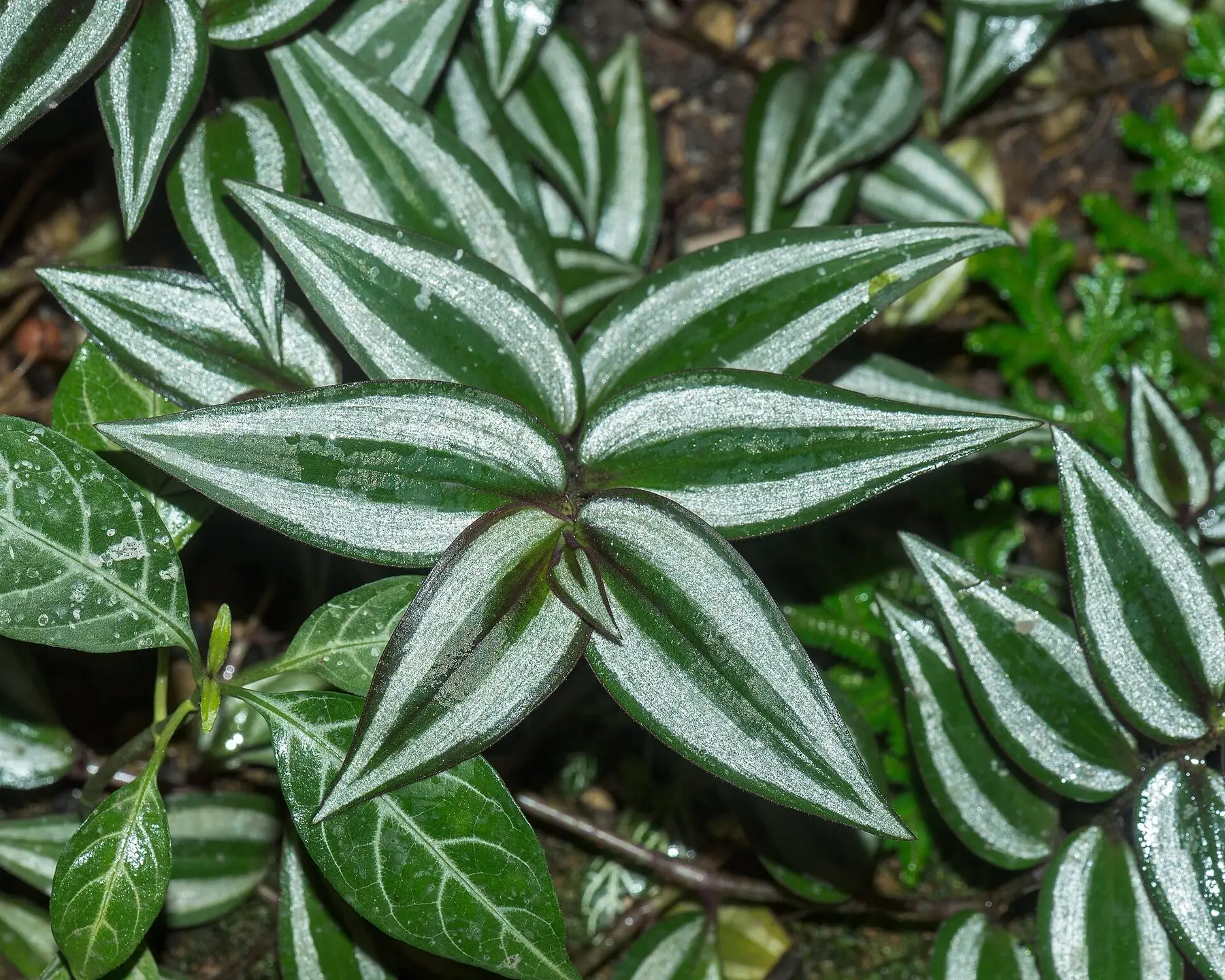
Tradescantia Zebrina Care: Light, Pinching, and Legginess
The stripes fade and the stems go bare in low light, and no amount of feeding fixes it. What this plant needs, and how to rebuild one that has gone straggly.