
Types of Cactus and How to Care for Them — 7 Groups
Types of cactus and how to care for them split into 7 groups, and 2 of them want the opposite of desert treatment. Which yours is, and what it changes.
 By
On this page
The family runs to roughly 1,500 species, and nearly all the care advice written about it describes one half. The split that matters is desert against jungle, and getting it wrong is why a Christmas cactus sulks on a sunny windowsill.
The seven groups
| Group | Light | Summer water | Winter | Example |
|---|---|---|---|---|
| Globular | Bright, some direct | Every 2–3 weeks | Dry, 45–55°F | Mammillaria, Rebutia |
| Columnar | Full sun | Every 2–3 weeks | Dry, frost-free | Cereus, Pachycereus |
| Prickly pear | Full sun | Every 3–4 weeks | Dry; some hardy to −20°F | Opuntia |
| Barrel | Full sun | Every 2–3 weeks | Dry, above 50°F | Ferocactus, Echinocactus |
| Old man / hairy | Bright, filtered | Every 2–3 weeks | Dry, above 50°F | Cephalocereus, Espostoa |
| Jungle / epiphytic | Dappled, no direct | Weekly, never bone dry | Cool 6 weeks, then water | Schlumbergera, Epiphyllum |
| Climbing / trailing | Bright, filtered | Weekly in growth | Reduce, do not stop | Selenicereus, Rhipsalis |
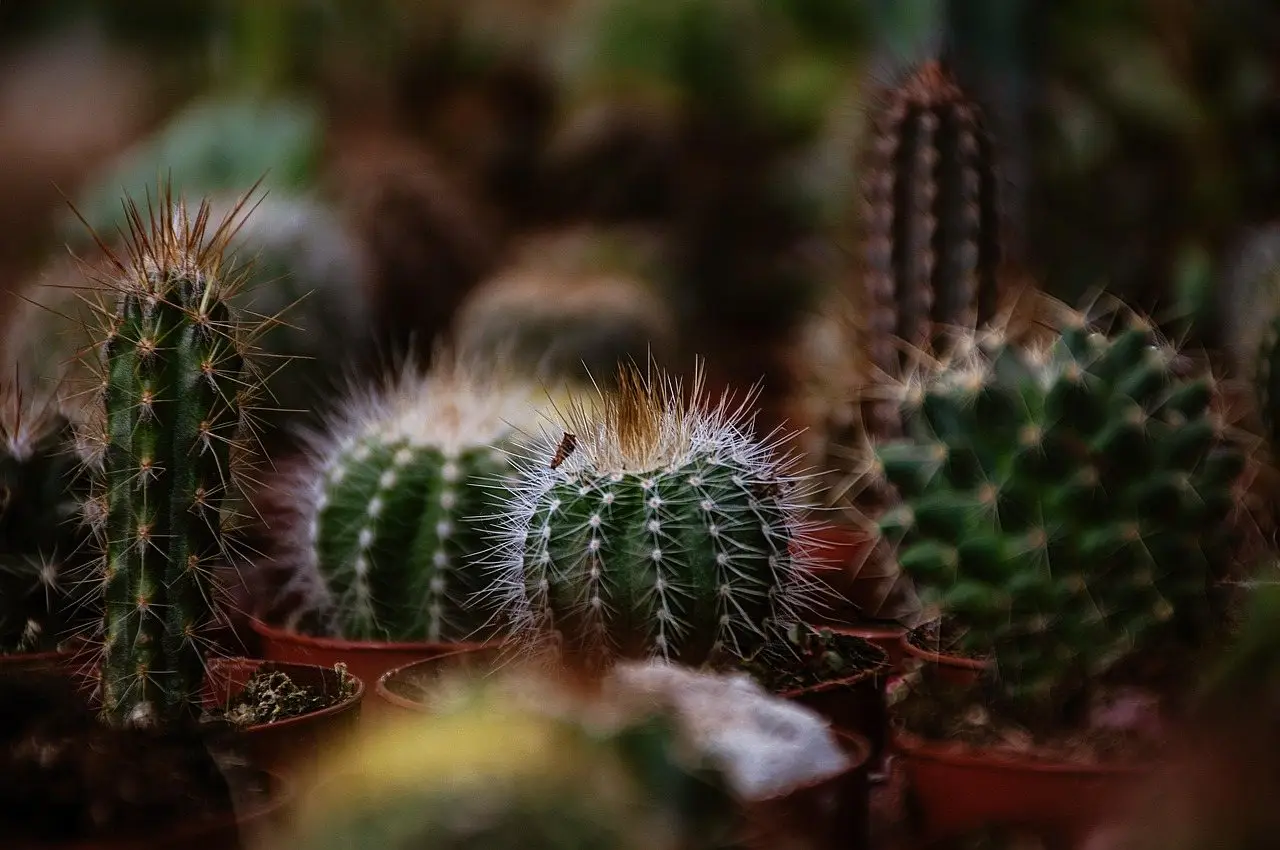
1. Globular cacti. Mammillaria, Rebutia, Gymnocalycium, Parodia — the small round ones most collections start with. Easy, and the most rewarding flowerers if they get a genuinely dry, cold winter. Gymnocalycium is the one exception on light: it scorches in full summer sun.
2. Columnar cacti. Cereus, Pachycereus, Trichocereus. Upright, fast for a cactus, and eventually large. They want as much light as you can give and a pot heavy enough to stop them toppling, which means terracotta rather than plastic once they pass about a foot.
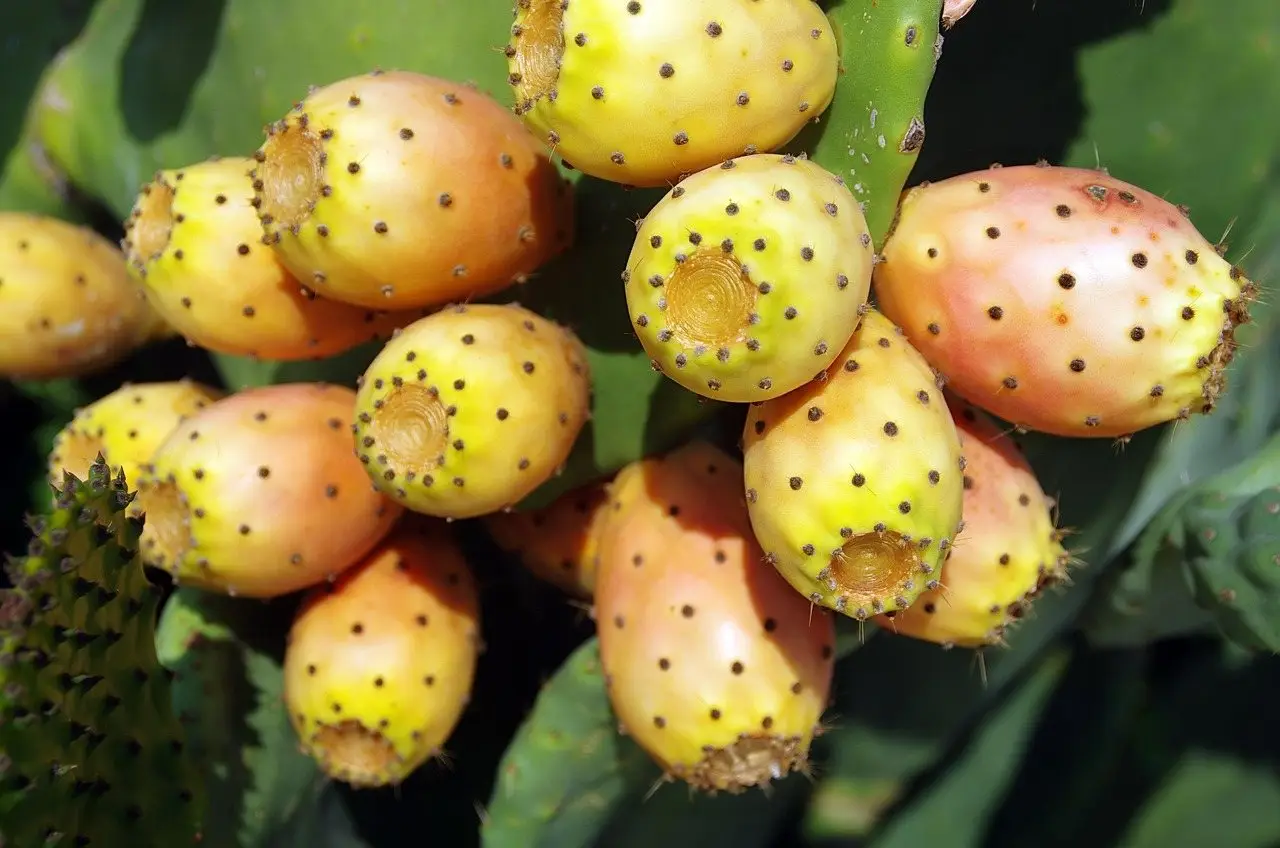
3. Prickly pear — Opuntia. Flat pads, and the group with the most cold-hardy members: Opuntia humifusa and O. fragilis survive hard frost outdoors if the ground is sharply drained. The glochids — the tufts of tiny barbed hairs — are the practical problem, and they are far worse than the spines.
4. Barrel cacti. Ferocactus, Echinocactus. Slow, long-lived, heavily armed. Straightforward except that they resent being moved, and they are the group most often lost to a single overwatering in cold weather.
5. Old man and hairy types. Cephalocereus, Espostoa, Oreocereus. The hair is a sun shield, and it also traps moisture against the stem, so these want air movement and no water on the body.
6. Jungle cacti. Schlumbergera (Christmas and Thanksgiving cactus), Hatiora (Easter cactus), Epiphyllum. These grow in leaf litter in the forks of forest trees. Dappled light, a mix with bark and compost in it, water when the top inch dries, and never the baking windowsill the others want.
7. Climbing and trailing. Rhipsalis, Selenicereus, Disocactus. Also epiphytes, also forest plants, and the ones that do best in a hanging pot in a bright bathroom.
Watch out
The commonest fatal mistake is winter water. A desert cactus at 50°F has effectively stopped growing, so the roots take up almost nothing and the mix stays wet for weeks. That is the condition basal rot needs. From about November to March, for desert types, water once or not at all.
What applies to all of them
- Drainage hole, always. No mix compensates for a sealed pot.
- Water thoroughly, not little and often. Fill the pot until it runs out of the bottom, then leave it until dry through. Shallow sips keep the surface damp and the roots thirsty.
- Feed in growth only, a low-nitrogen feed every four to six weeks from spring to late summer.
- Introduce sun gradually. A plant that wintered indoors scorches in a week if it goes straight outside in June — the same plant takes full desert sun once hardened.
- Repot in spring, into a pot barely larger than the last, and keep it dry for a fortnight after.
Telling a jungle cactus from a desert one
If you do not know which you have, the stem answers it. Flattened, segmented, leaf-like pads with scalloped edges and no real spines mean jungle. Ribs, areoles and proper spines mean desert. Trailing growth and aerial roots mean epiphyte whatever else it looks like.
Common questions
Do all cacti need the same care?
How often should I water a cactus?
Why is my cactus going soft and brown at the base?
Do cacti need a cold rest in winter?
What soil should cacti be in?
Backyard Weekly
Know what to plant, week by week
Join the weekly email for seasonal jobs, fixes for what is going wrong, and gear worth buying.
Not ready to subscribe? The planting calendar is free and needs no email.
By subscribing you agree to our privacy policy. Grow In Backyard will never sell your address.
Keep reading
How Often Should I Water My Cactus? Every 2 to 4 Weeks
Most cacti need water every two to four weeks in summer and almost none in winter. The schedule is wrong; what matters is how dry the compost is.
How to Plant Cactus Cuttings: Callus First, Water Last
A fresh cut planted straight into damp compost rots. Let the wound callus for days or weeks, pot dry, and wait before the first watering.
Prickly Pear Cactus Propagation: Pads, Callus, Patience
A pad twisted off at the joint and left to callus for two weeks roots easily. Rushing the callus, or burying the pad deep, is what kills them.
Types of Worms in Potted Plants — 6 and Which Harm Roots
Types of worms in potted plants are mostly harmless decomposers, but 2 of the 6 eat living roots. How to tell them apart before you repot anything.