
Best Time to Repot Indoor Plants: Early Spring
Repot as growth resumes, not on a schedule. Most houseplants need it every two to three years — and several are better off left pot-bound.
 By
On this page
Early spring, as growth resumes — and only when the plant actually needs it, which is less often than most people repot.
When, by season
| Season | Verdict |
|---|---|
| Early spring (Feb–April) | Best. Growth resuming, full season to recover |
| Late spring to early summer | Good second window |
| Midsummer | Acceptable, but heat stress adds to transplant stress |
| Early autumn | Only if necessary — limited recovery time |
| Late autumn and winter | Avoid. Damp unused compost around disturbed roots |
The logic is simple: repotting always damages some roots, and a plant replaces them quickly when it is growing and slowly or not at all when it is not. Spring repotting is a minor setback. Winter repotting is an open wound in wet compost.
Signs it genuinely needs it
- Roots through the drainage holes, or circling on the surface
- Water runs straight through without wetting the compost
- It dries out within a day or two of watering
- Growth has stalled despite adequate light and feeding
- The pot is bulging, cracked, or the plant keeps toppling
- Compost has broken down into dense, water-repellent material
- A crust of white mineral deposits on the surface and pot rim
And a sign that is not a reason: it has been a year. Plenty of plants are content in the same pot for three or four years, and some perform better for it.
The bigger pot instinct is the main mistake
Moving a plant into something much larger feels generous and causes rot. Compost that no roots are occupying stays wet for weeks, and that persistent moisture around the rootball is where root rot starts.
One size. 2.5 to 5 cm more in diameter. A 12 cm plant goes into a 15 cm pot.
Plants that prefer to stay pot-bound
Repotting these on a schedule actively reduces what you want from them:
| Plant | Why |
|---|---|
| Snake plant | Flowers when confined; rots in oversized pots |
| Peace lily | Flowers better slightly pot-bound |
| African violet | Blooms when roots are restricted |
| Christmas cactus | Flowering is reduced by frequent repotting |
| Spider plant | Produces more plantlets when crowded |
| Clivia | Notoriously reluctant to flower if repotted often |
| Most orchids | Repotted for medium breakdown, not for space |
For these, wait until the plant is physically pushing itself out of the pot or the compost has degraded — see how to repot a snake plant for what that looks like in practice.
Doing it
- Water the day before. A moist rootball slides out and holds together
- Tip it out — never pull the plant by its stem
- Inspect the roots. Firm and pale is healthy; brown, soft or sour-smelling is rot, and should be cut away with clean scissors
- Tease out circling roots gently, or score the outside of a tightly bound rootball
- A layer of fresh compost in the base, then set the plant at the same depth as before
- Fill around the sides, firming lightly — do not compact it
- Water in thoroughly and let it drain completely
- Skip the feed for four to six weeks; fresh compost contains enough
- Out of direct sun for a week or two while it settles
Two details that matter more than they sound: same depth — burying a stem deeper than it grew causes rot at the collar — and no crocks or gravel in the base, which is an old practice that raises the saturated zone rather than improving drainage.
Potting on, top-dressing, or neither
Not every plant that looks tired needs a bigger pot.
- Pot on when roots genuinely fill the container
- Top-dress a large or mature plant — scrape off the top 5 cm of compost and replace with fresh. Far less disruptive, and often all a big specimen needs
- Refresh in the same pot when the compost has broken down but the plant is the right size: remove it, shake off old compost, trim the roots lightly, and return it to the same container with fresh mix
Common questions
When is the best time to repot indoor plants?
How do you know a plant needs repotting?
Can you repot a plant in winter?
How much bigger should the new pot be?
Which houseplants should not be repotted often?
Backyard Weekly
Know what to plant, week by week
Join the weekly email for seasonal jobs, fixes for what is going wrong, and gear worth buying.
Not ready to subscribe? The planting calendar is free and needs no email.
By subscribing you agree to our privacy policy. Grow In Backyard will never sell your address.
Keep reading
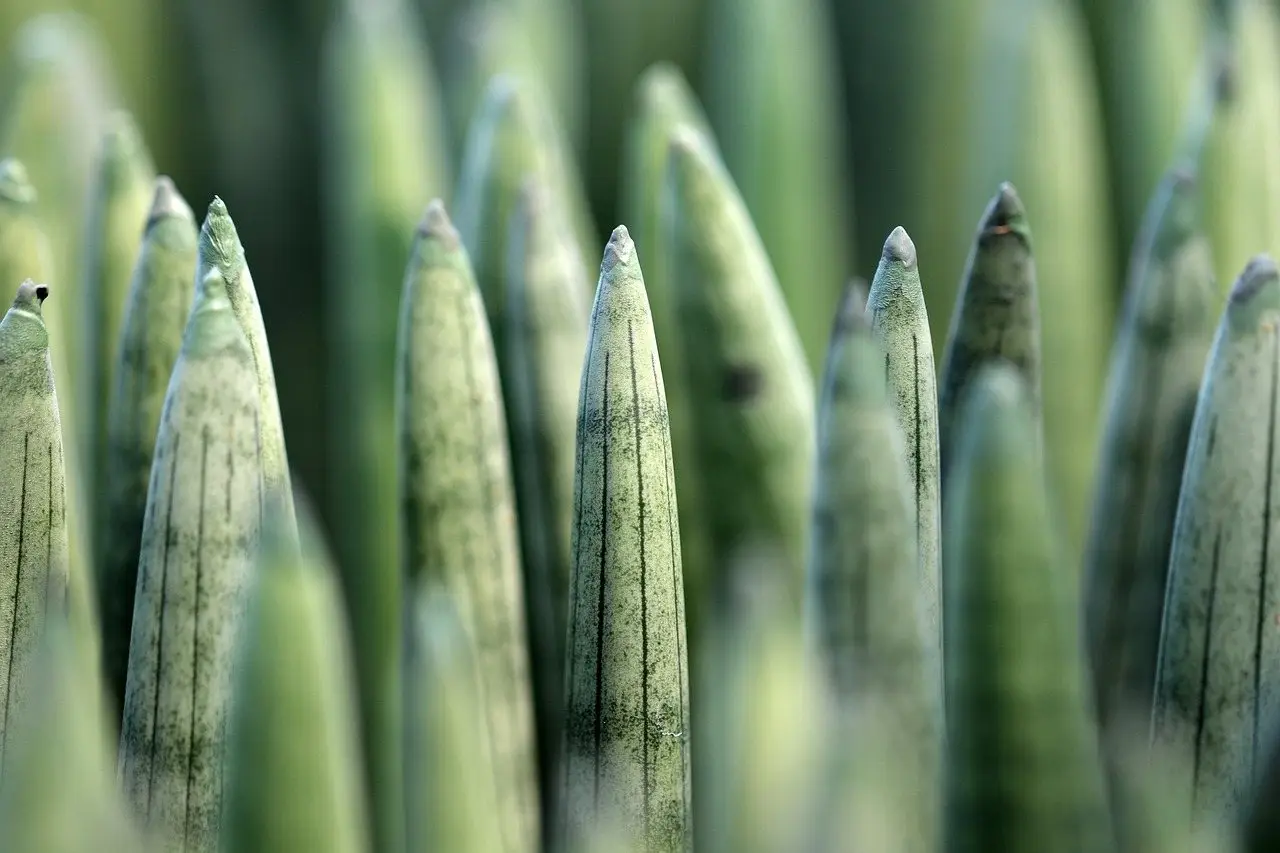
How to Repot a Snake Plant: Only When It Has To Be Done
Snake plants flower better and rot less when slightly pot-bound. Repot every 3–5 years, one size up, into gritty mix — and keep it dry afterwards.
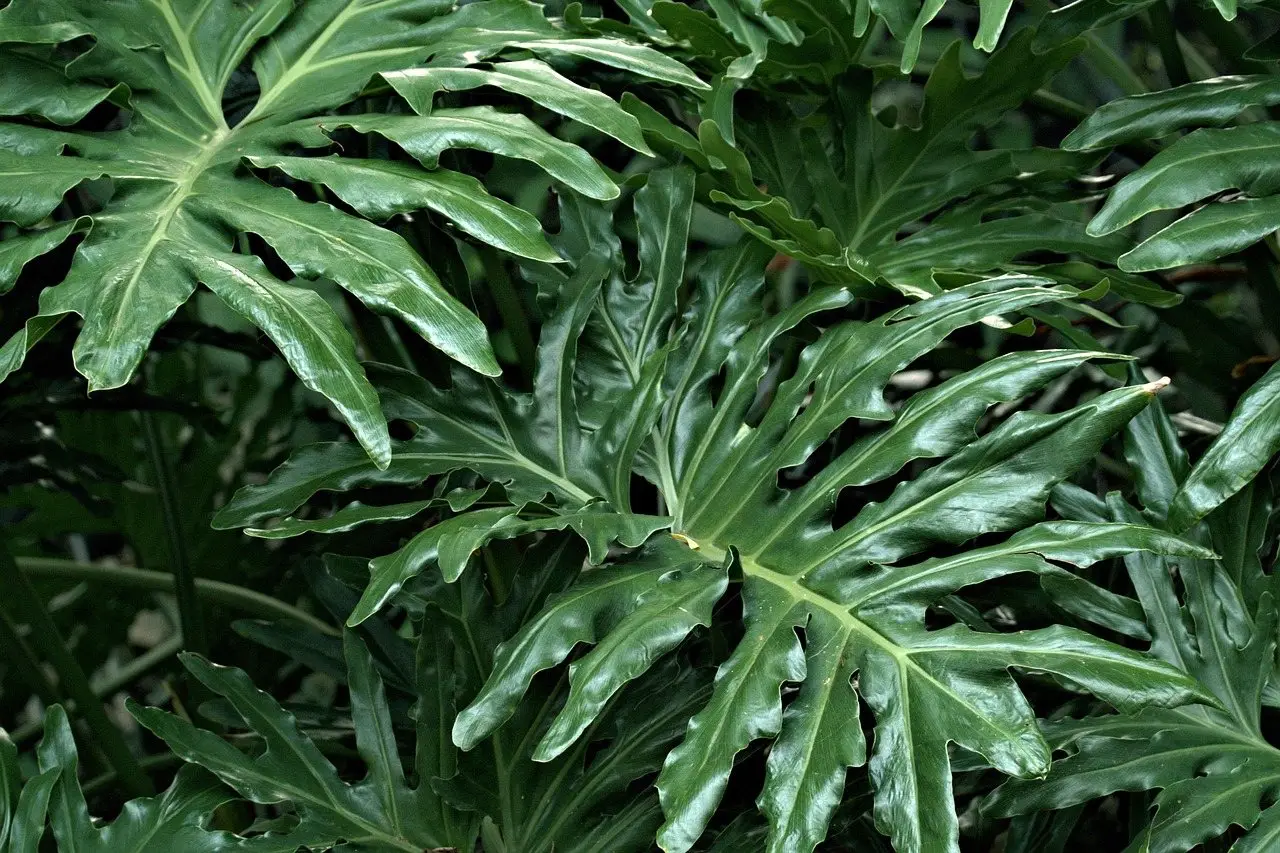
Heart Leaf Philodendron Care: Why Yours Has Gone Leggy
Long bare stems with leaves only at the ends means too little light. Pinching, not more water, is what turns a straggly plant back into a full one.
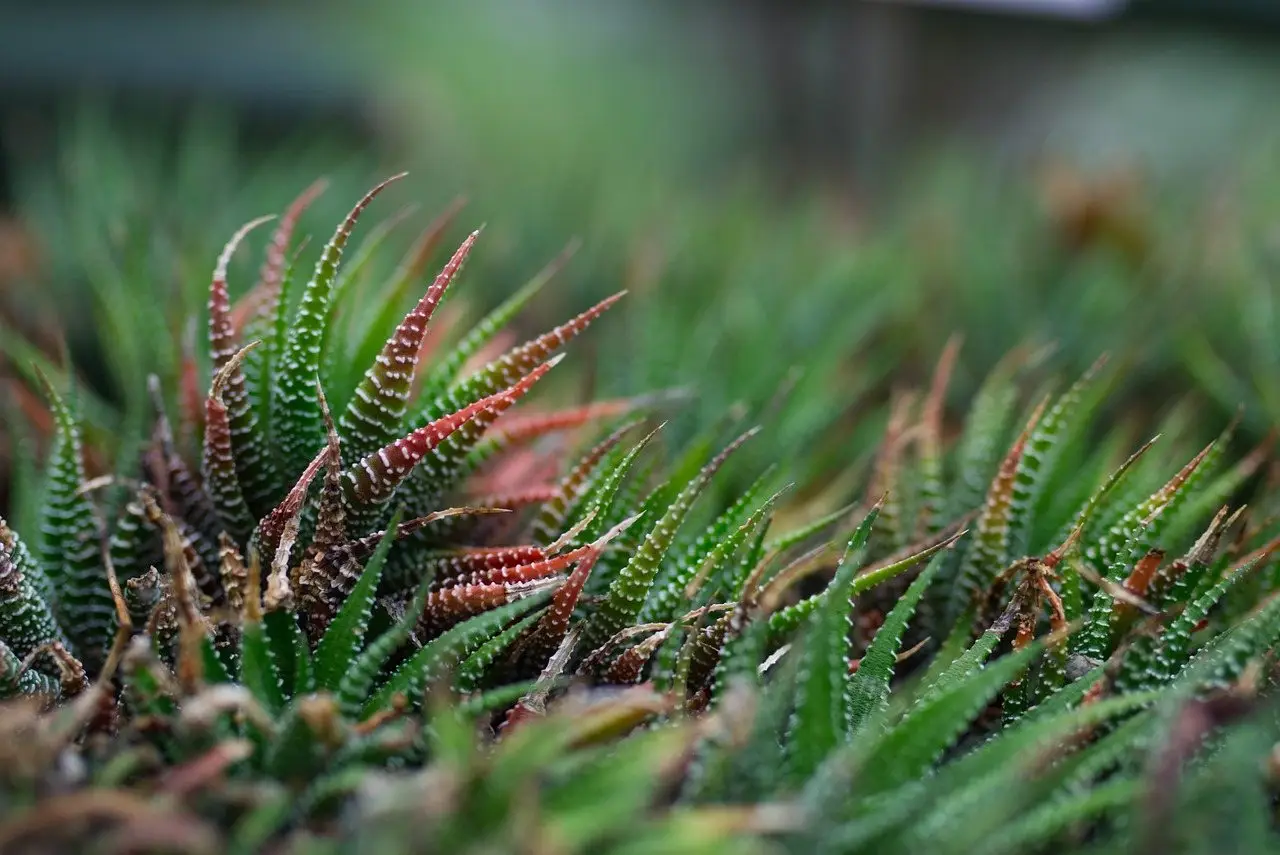
Zebra Plant Succulent: Haworthia Care, and Two Plants
Two very different plants share this name. The succulent Haworthiopsis is near-indestructible; the tropical Aphelandra is not. Here is how to tell.
Bird's Nest Fern Problems: Browning, Crisping and Rot
Almost every bird's nest fern problem is water in the crown, dry air, or direct sun. How to read the fronds and what each symptom actually means.