
How to Grow a Jade Plant: Underwater It and Give It Sun
Jade plants live for decades on neglect. Soak then dry completely, full sun for solid growth, and repot rarely — overwatering is the only real killer.
 By
On this page
Jade plants fail from water, not neglect. Soak, dry out completely, repeat — and give it the sunniest window you own.
Light and shape
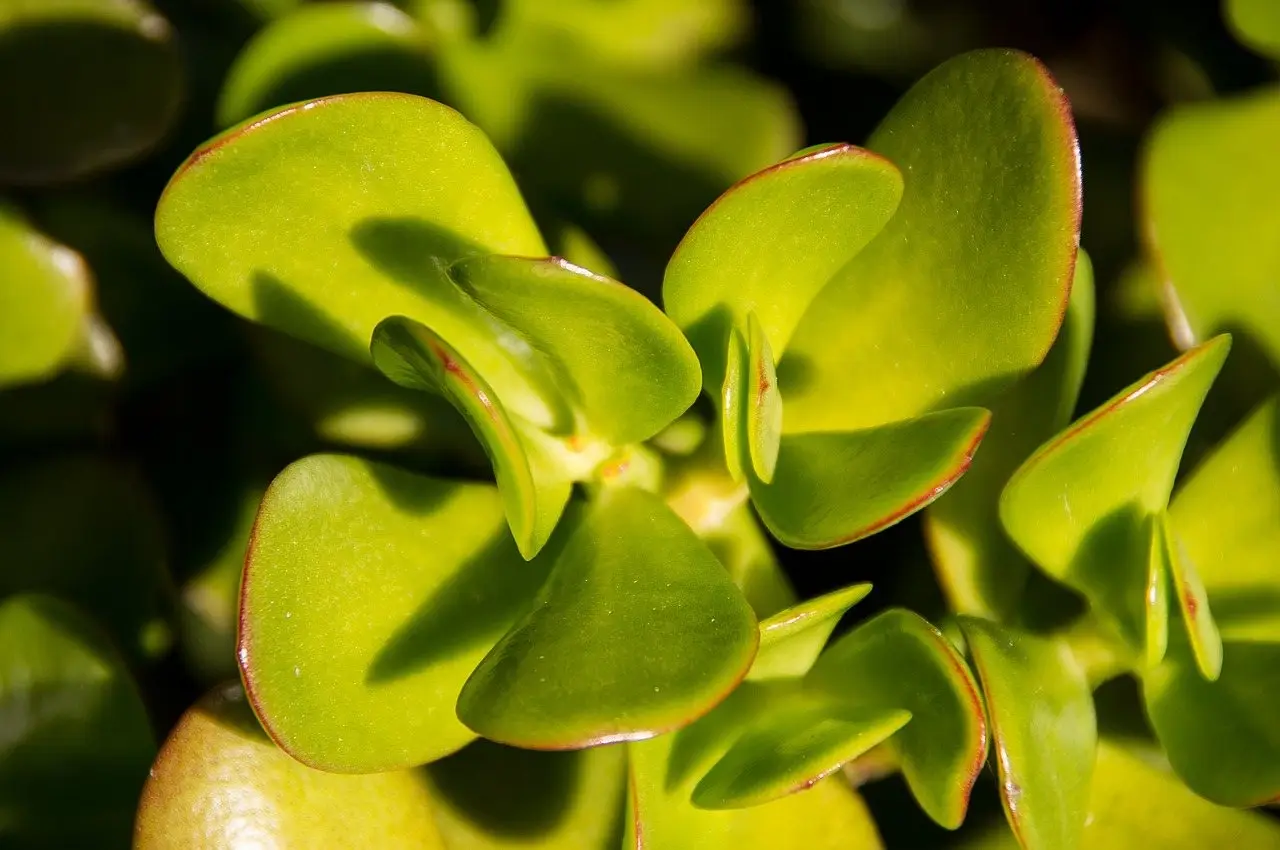
A jade in a dim corner produces long weak stems with widely spaced leaves that eventually flop and snap. In strong light it grows compact and stocky, often with a red edge to the leaves — which is a sign of good light rather than of stress.
- Brightest window available, four hours of direct sun or more
- Turn the pot every week or two so it grows evenly
- Outdoors in summer builds the sturdiest growth, with gradual acclimatisation
- Bring it in well before frost
Watering, the thing that kills them
| Leaves | Meaning |
|---|---|
| Soft, yellow, translucent, dropping | Overwatered. Stop, let it dry fully |
| Wrinkled, shrivelled, thin | Underwatered — soak it |
| Firm, plump, red edges | Correct |
| Soft brown mushy base of stem | Rot. Take cuttings from above it now |
| Pale and widely spaced | Not enough light |
Finger test, not surface
The top of the compost dries long before the middle does. Push a finger in as deep as you can, or lift the pot — a dry pot is noticeably light.
In winter, a month between waterings is normal and six weeks is not unusual.
Pruning for a tree
The thick-trunked jade in people’s windows is the result of pruning early, not of age alone.
- Cut just above a leaf scar or a pair of leaves
- The stem branches there, producing two
- Remove the lowest branches on a plant you want to grow as a tree
- Do it in spring, as growth resumes
- Keep the cuttings — all of them root
Propagating
Both stem cuttings and individual leaves work:
- Twist a leaf off cleanly at the stem, or take a stem cutting a few inches long
- Callus it for three to seven days somewhere dry and airy
- Set it on or just into dry gritty compost
- No water for one to two weeks
- Then water sparingly and let it dry fully between
Leaves take much longer to make anything of size, but both work. This is why jade plants get passed down between households — a single plant supplies cuttings indefinitely.
Step by step
- Time
- P365D
- Cost
- 12
- You need
- A jade plant or a leaf or stem cutting, Cactus compost with added perlite or grit
- Tools
- A heavy pot with drainage holes, Clean secateurs
Give it the brightest spot you have
Four or more hours of direct sun. A jade in low light grows pale, soft and stretched, with large widely spaced leaves on weak stems. Strong light gives compact growth and often a red edge to the leaves, which is a sign of health rather than stress.
Use gritty compost and a heavy pot
Cactus compost with extra perlite, pumice or grit. Terracotta is ideal because it dries out, and a mature jade becomes top-heavy, so weight in the base is worth having.
Water by soaking, then let it dry out completely
Water thoroughly until it runs from the drainage holes, then do not water again until the compost is dry all the way through. In practice that is every two to three weeks in summer and as little as once a month or less in winter.
Never leave it in a saucer of water
Standing water is the fastest route to root rot. Empty the saucer after watering, every time.
Feed lightly, if at all
A dilute cactus feed once or twice during spring and summer is ample. Nothing in autumn and winter, when the plant is barely growing.
Prune to shape in spring
Cut just above a leaf scar or a pair of leaves and the stem branches there. Pruning a young plant early is how you get the thick trunk and tree shape rather than a sprawl.
Propagate from what you cut
Let a cutting or a detached leaf callus for a few days, then set it on or just into dry gritty compost. Do not water for a week or two. Jade roots very easily, which is why these plants get passed between households for generations.
Repot rarely
Every three to four years at most, one pot size up. Jade is happy pot-bound, and an oversized pot full of damp compost is the usual cause of rot in an otherwise healthy plant.
Common questions
How often should you water a jade plant?
Why is my jade plant dropping leaves?
Why is my jade plant leggy and floppy?
Can a jade plant live outside?
How do you propagate a jade plant?
Backyard Weekly
Know what to plant, week by week
Join the weekly email for seasonal jobs, fixes for what is going wrong, and gear worth buying.
Not ready to subscribe? The planting calendar is free and needs no email.
By subscribing you agree to our privacy policy. Grow In Backyard will never sell your address.
Keep reading
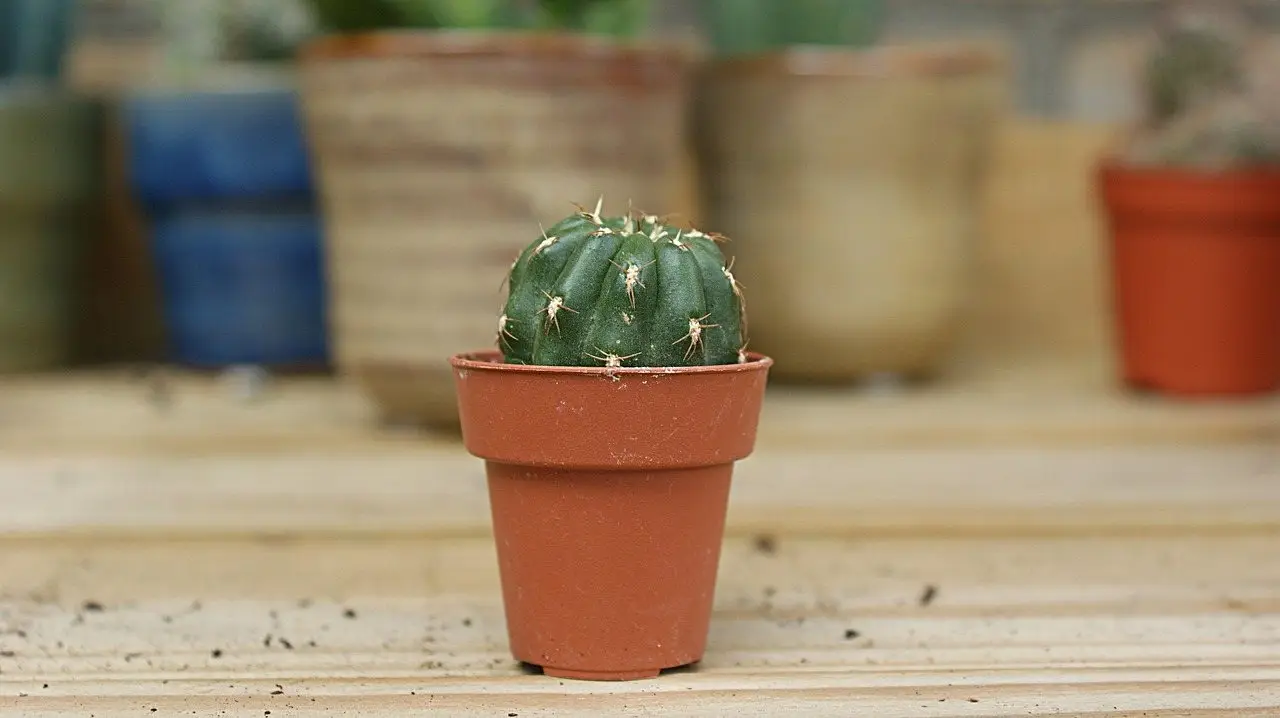
How to Plant Cactus Cuttings: Callus First, Water Last
A fresh cut planted straight into damp compost rots. Let the wound callus for days or weeks, pot dry, and wait before the first watering.
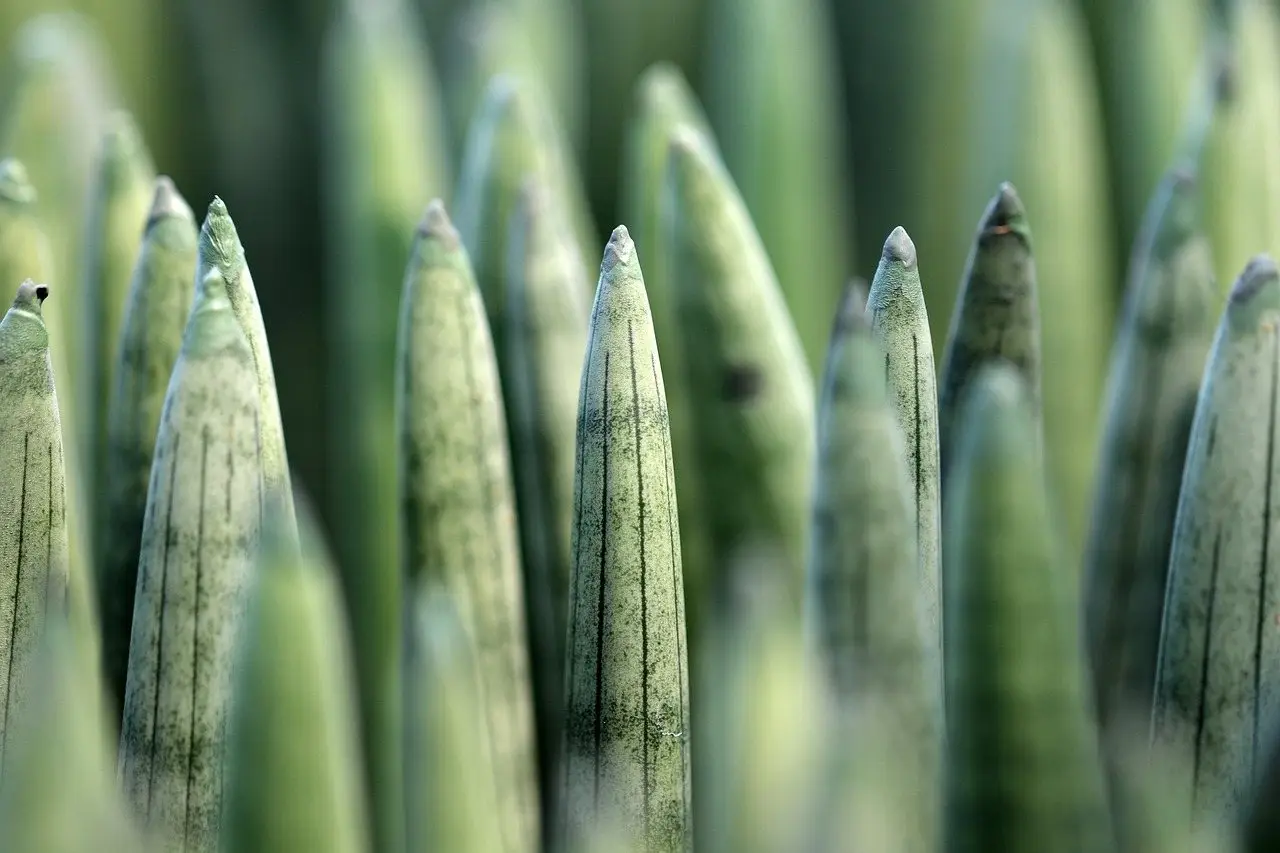
How to Repot a Snake Plant: Only When It Has To Be Done
Snake plants flower better and rot less when slightly pot-bound. Repot every 3–5 years, one size up, into gritty mix — and keep it dry afterwards.
What Is Perlite Made Of? Volcanic Glass, Popped Like Corn
Perlite is volcanic glass heated to 900°C until its trapped water flashes to steam and expands it. That is why it is white, light and permanent.
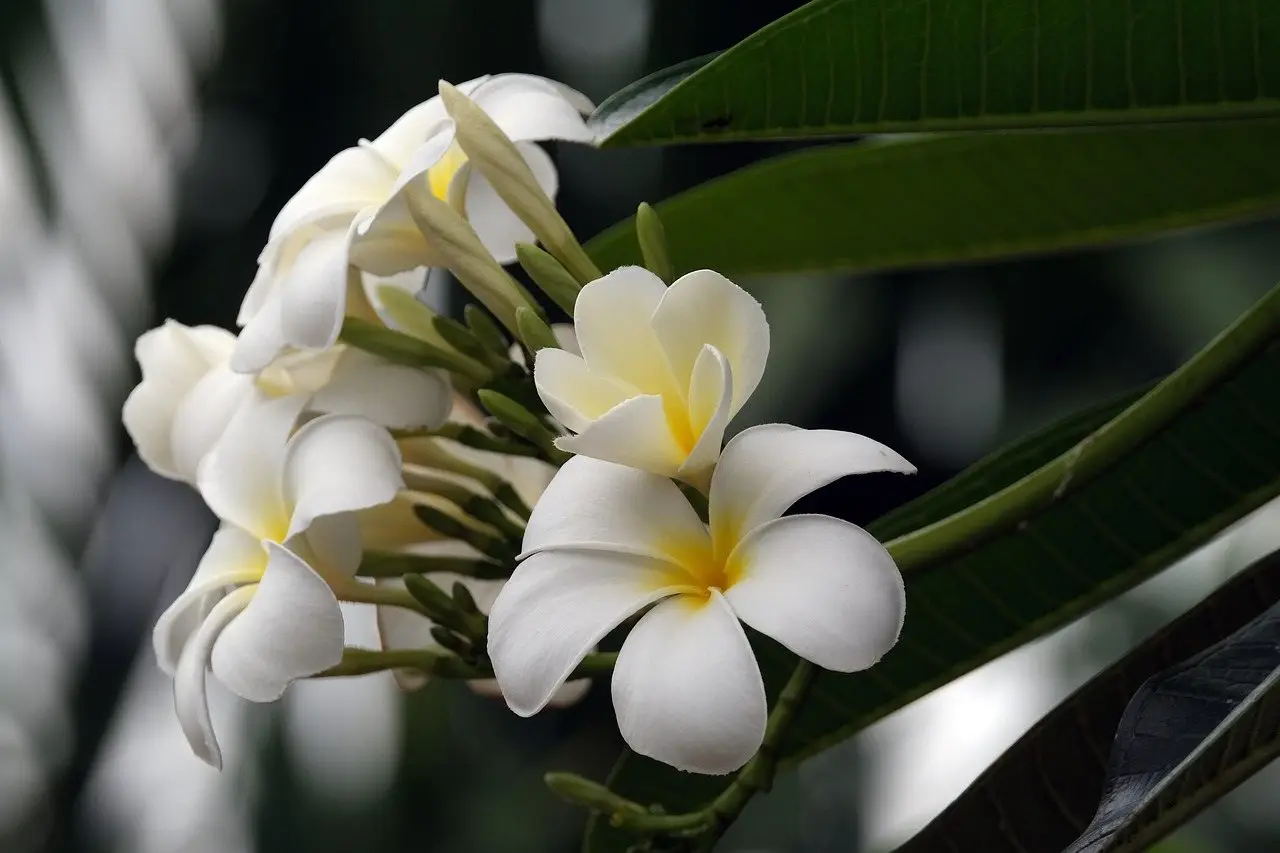
How to Grow Plumeria: Sun, Sharp Drainage and a Dry Winter
Plumeria wants full sun and soil that drains fast. The thing that kills it is a wet dormant winter, not cold alone — and it flowers on mature tips.