
China Doll Plant Care: Why It Drops Leaves, and the Fix
China doll plants drop leaves the week they come home. It is a light problem, not a watering one — and the fix is brighter, not wetter.
 By
On this page
A china doll plant (Radermachera sinica) comes home glossy, dense and beautiful, and ten days later the carpet is covered in little leaflets. This is one problem with one cause, and it is not the one most people act on.
What is actually happening in those first two weeks
A commercial glasshouse runs at light levels many times higher than a living room, even a bright one. A plant grown there builds a canopy sized to that light budget.
Move it indoors and the budget collapses. The plant does the arithmetic and sheds the leaves it can no longer pay for — starting with the oldest and the most shaded. This is a normal adjustment, not a disease.
Two things follow from that:
- Some leaf loss after purchase is unavoidable, and a plant that drops a third of its leaves and then stabilises has adjusted correctly
- The lever is light, not water. Giving a plant more water because it is dropping leaves adds root rot on top of the original problem, and that combination is what actually kills them
The failure loop
Leaves drop → assume underwatering → water more → compost stays wet → roots rot → more leaves drop → water more.
If your plant is dropping leaves and the compost has been damp for days, stop watering and let it dry to the top inch before anything else.
Getting the light right
| Position | Result |
|---|---|
| Beside an east or west window | Ideal. Bright, no harsh midday sun |
| 2–3 ft from a south window | Very good |
| Directly in south-facing glass | Risk of scorched leaflets |
| Middle of a room, 6+ ft from glass | Steady slow leaf loss |
| North-facing room | Too dark; it will thin out |
It is frequently sold and placed as a low-light plant, and it is not one. It is a bright indirect plant with fine, divided foliage that needs a lot of light to maintain.
And once you have found the spot, leave it there. Each move restarts the adjustment and costs another flush of leaves.
Water, feed, humidity
Water when the top inch of compost is dry — commonly every five to ten days in spring and summer, considerably less in winter. Soak thoroughly, let it drain fully, empty the saucer. It wants consistently moist, which is a narrower target than either a fern or a cactus.
Feed with a balanced liquid houseplant feed at half strength every three or four weeks through spring and summer only. Nothing in winter.
Humidity: average room humidity is fine. It appreciates more, and a pebble tray or a group of plants together helps, but dry air is rarely the cause of a problem here — light is.
Keeping it bushy
China doll grows fast and gets leggy, with bare lower stems and all the foliage at the top. The answer is routine pinching.
- Pinch the growing tips whenever a shoot runs away, any time in the growing season
- Harder pruning in spring or early summer: cut back to just above a leaf node, taking no more than a third of the plant at once
- A badly bare plant can be cut back hard into the woody stems and will usually resprout, though it will look unpromising for a month
Prunings do not root easily, so this is pruning for shape rather than propagation.
Quick diagnosis
| Symptom | Likely cause |
|---|---|
| Sudden leaf drop after purchase or a move | Light change. Normal; stabilise and wait |
| Yellowing lower leaves, damp compost | Overwatering |
| Crisp brown leaf tips | Dry air or compost drying out fully |
| Pale scorched patches | Direct midday sun through glass |
| Long bare stems, leaves only at tips | Too little light, and needs pinching |
Common questions
Why is my china doll plant dropping leaves?
How much light does a china doll plant need?
How often should you water a china doll plant?
Is the china doll plant hard to care for?
Should you prune a china doll plant?
Is the china doll plant toxic to cats and dogs?
Backyard Weekly
Know what to plant, week by week
Join the weekly email for seasonal jobs, fixes for what is going wrong, and gear worth buying.
Not ready to subscribe? The planting calendar is free and needs no email.
By subscribing you agree to our privacy policy. Grow In Backyard will never sell your address.
Keep reading
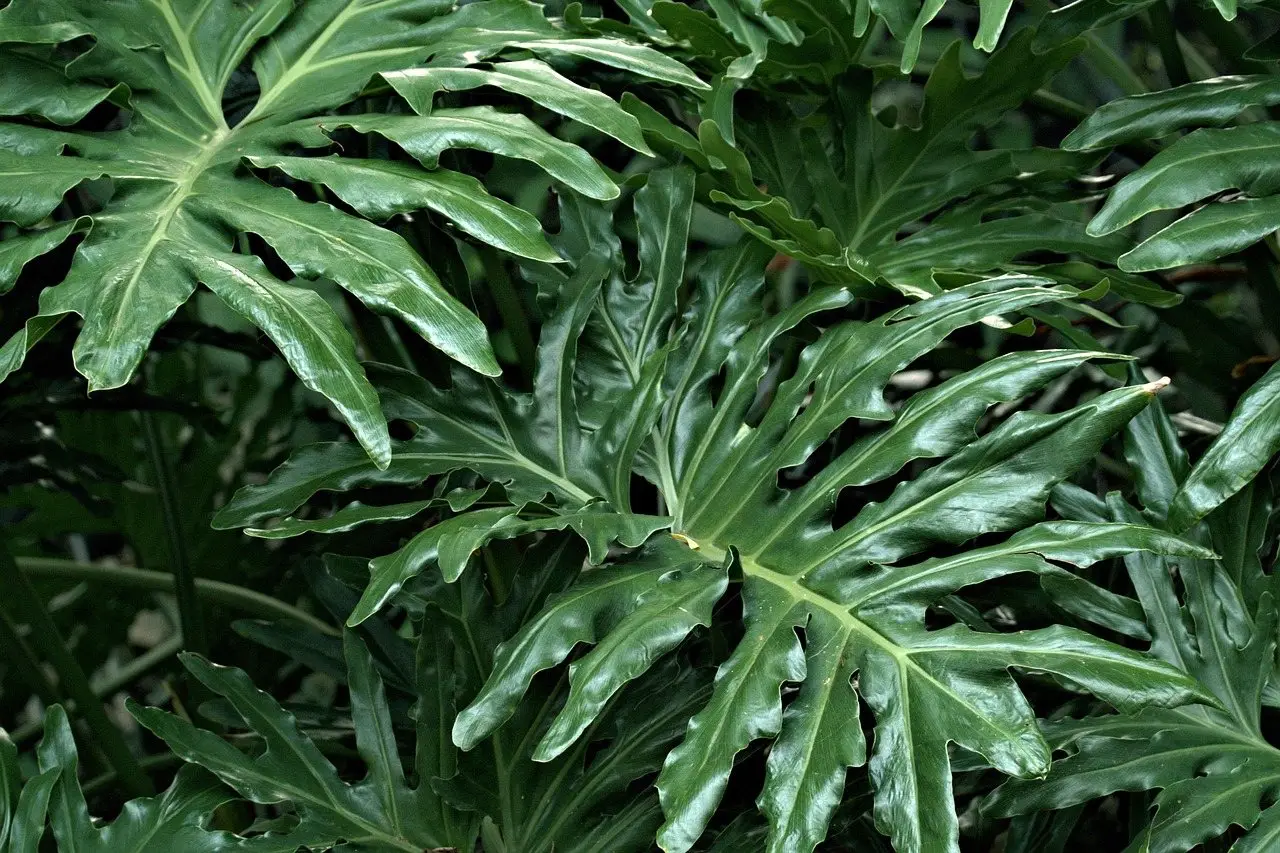
Heart Leaf Philodendron Care: Why Yours Has Gone Leggy
Long bare stems with leaves only at the ends means too little light. Pinching, not more water, is what turns a straggly plant back into a full one.
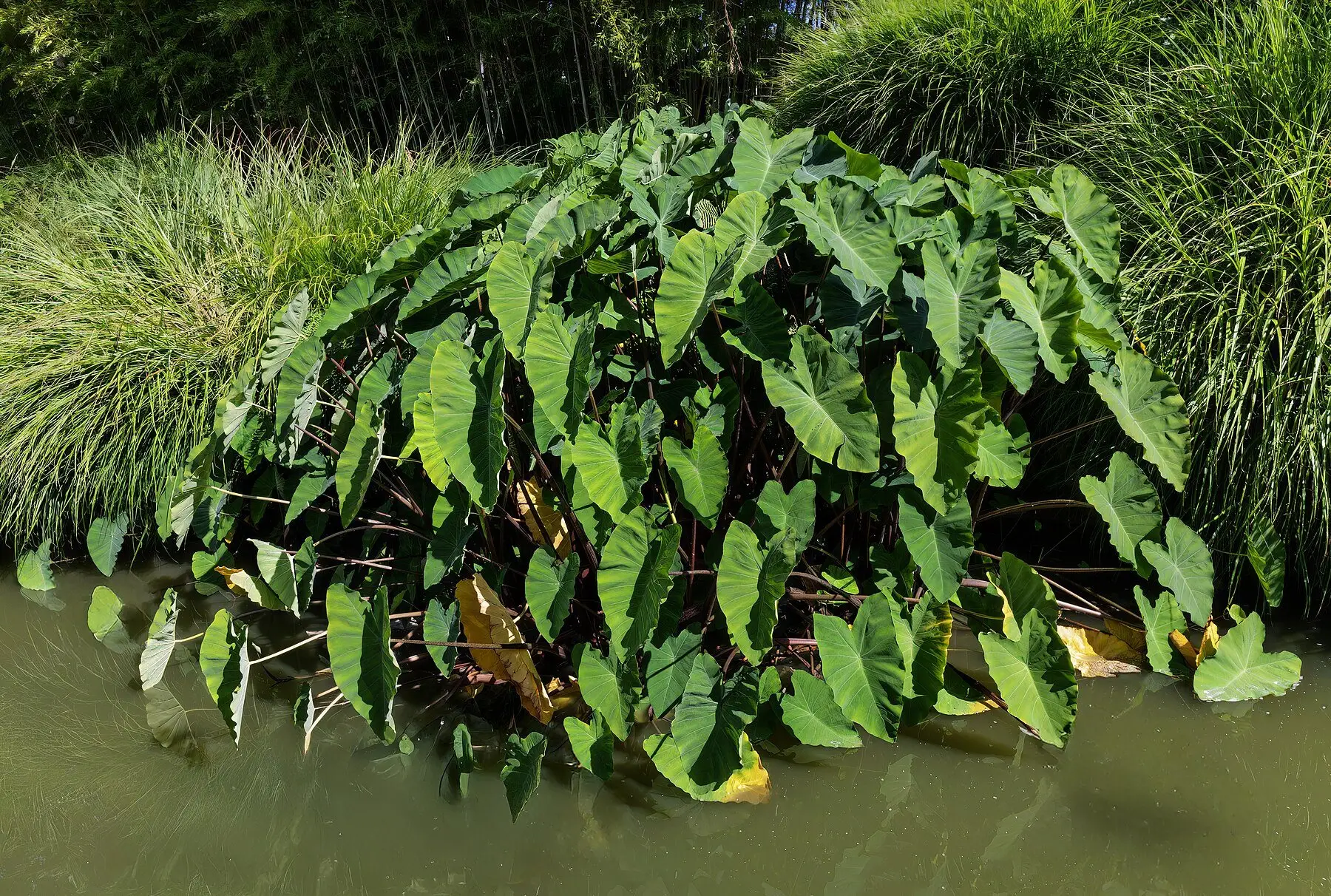
Elephant Ear Plant Care: Light, Water and Overwintering
Colocasia wants wet feet and heat; Alocasia wants drainage and humidity. Which one you have decides the care — plus how to lift and store the tubers.
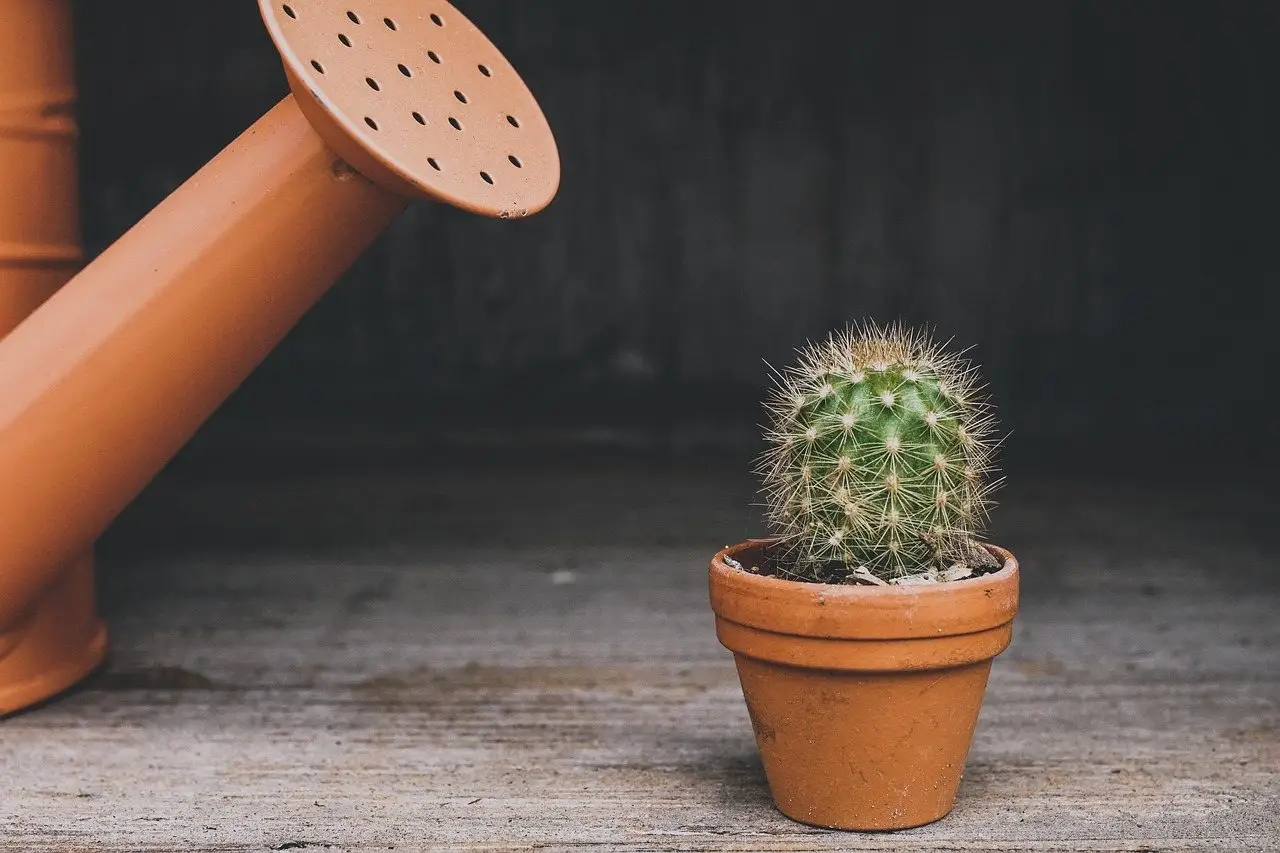
How Often Should I Water My Cactus? Every 2 to 4 Weeks
Most cacti need water every two to four weeks in summer and almost none in winter. The schedule is wrong; what matters is how dry the compost is.
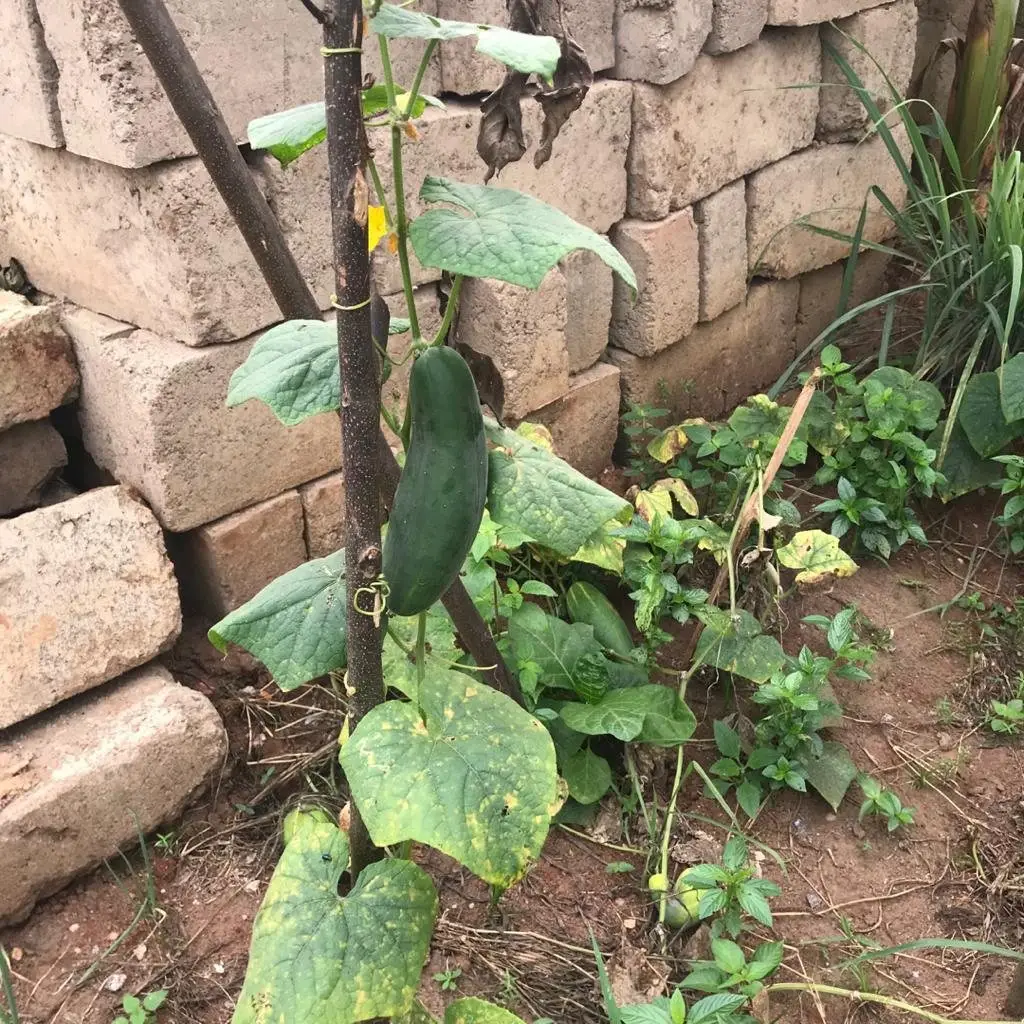
Growing Cucumbers in Pots: Size, Support, and Water
Cucumbers grow well in containers if the pot is big enough and they climb. Pot size, variety choice, and the watering rhythm that prevents bitter fruit.