Southern Magnolia: Size It Before You Plant It
Magnolia grandiflora reaches 60 to 80 feet and drops leathery leaves all year. The cultivars that stay small, and what it needs to flower well.

On this page
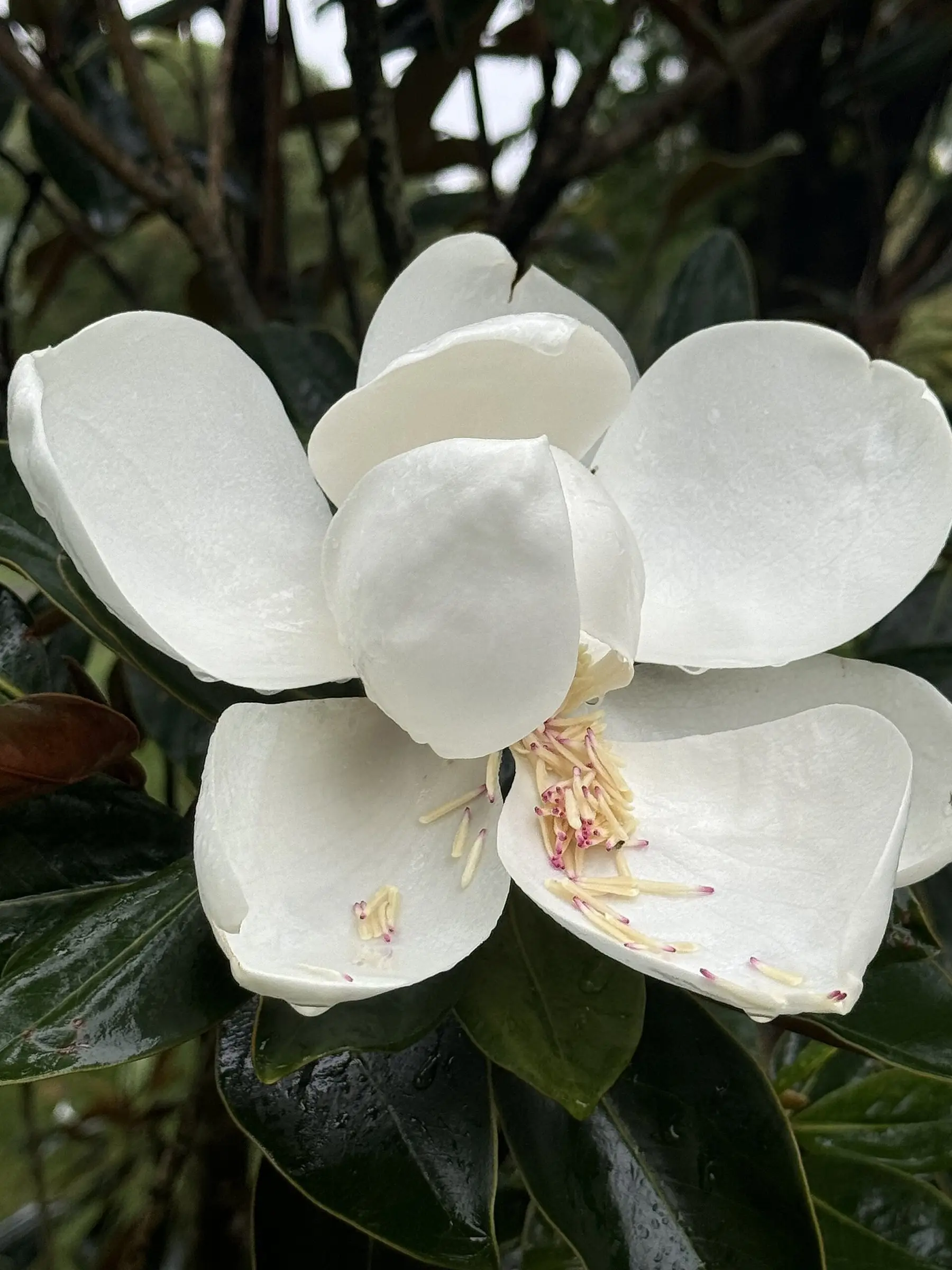
Magnolia grandiflora is one of the great flowering trees — glossy evergreen leaves with rust-brown undersides, and creamy flowers up to a foot across that smell of lemon and vanilla.
It is also 60 to 80 feet tall at maturity, and it drops thick leathery leaves twelve months a year. Both facts are routinely discovered after planting.
Size, and the cultivars that solve it
| Cultivar | Height | Notes |
|---|---|---|
| Species | 60–80 ft | Parkland scale; rarely right for a garden |
| ‘Little Gem’ | 15–20 ft | The standard compact choice; flowers young and long |
| ‘Teddy Bear’ | 16–20 ft | Dense, upright, very dark leaves |
| ‘Kay Parris’ | 20–30 ft | Hardier; excellent rust-brown leaf undersides |
| ‘Bracken’s Brown Beauty’ | 30–50 ft | Hardiest of the group; still a large tree |
| ‘Alta’ | 20–30 ft | Narrow and columnar; good in tight spaces |
‘Little Gem’ is the one most gardens want. It stays around 20 feet, flowers from a young age, and flowers over a much longer season than the species — sporadically from late spring into autumn rather than one concentrated flush.
A nursery plant of the straight species and a ‘Little Gem’ look nearly identical at six feet tall. The label is the only thing distinguishing a 20-foot tree from an 80-foot one.
The leaf drop is continuous and it is not tidy
Southern magnolias are evergreen, which people take to mean they do not shed. They shed constantly, and heavily in spring when new growth pushes the old leaves off. The leaves are large, stiff, leathery and slow to break down — they do not blow away, they do not mulch down quickly, and they smother a lawn. Plant one over a bed rather than over grass or a patio, and let the leaves stay where they fall.
Conditions
- Sun: full sun to light shade. More sun means more flowers and denser growth.
- Soil: moist, rich, free-draining, slightly acidic at roughly pH 5.5 to 6.5. In alkaline soil the leaves yellow between the veins — see lowering soil pH.
- Shelter: cold, dry winter wind scorches the foliage. A sheltered spot or a wall makes a real difference at the cold end of its range.
- Space: the roots are shallow and spread wide, well beyond the canopy. Do not plant close to paving, drains or foundations.
Plant in spring where winters are cold, autumn where they are mild, at the same depth it sat in the pot. Mulch generously and keep the mulch off the trunk.
Water and feed
Water regularly for the first two or three years — this is the establishment period and it matters more than anything you do later. Deep soaks rather than frequent sprinkling.
Once established it is moderately drought-tolerant, though it looks better with consistent moisture.
Feed lightly in spring with a balanced or acid-loving fertiliser. Excess nitrogen gives vigorous leafy growth at the expense of flowers, which is one of the standard reasons a healthy-looking magnolia does not bloom.
Flowering, and why it might not
Age is the usual answer. A seedling M. grandiflora can take ten to fifteen years to flower. A grafted named cultivar flowers in two or three. If flowering matters to you, buy grafted — and that is most of what you are paying for.
The other causes, in order of frequency:
- Too much shade.
- Too much nitrogen — often from lawn feed applied nearby.
- Pruning at the wrong time. Buds form during the previous growing season, so a winter tidy-up removes the flowers.
- Recent transplanting. Magnolias sulk for a year or two after moving.
Pruning
As little as possible, immediately after flowering.
Magnolias compartmentalise wounds slowly and large cuts heal badly, so restrict yourself to:
- Dead, damaged or crossing branches.
- Light shaping while the tree is young.
- Removing lower limbs if you want a clear trunk — decide this early.
Do not attempt to reduce the height of a mature magnolia. It responds poorly, and the shape rarely recovers.
Problems worth knowing
Yellowing between green veins — iron chlorosis from alkaline soil. Treat with chelated iron short-term, sulfur long-term.
Scale insects — brown or white bumps on stems with sticky honeydew and sooty mould below. Horticultural oil in the dormant season.
Leaf spot — cosmetic in most cases; improve airflow and clear fallen leaves if it is severe.
Nothing growing underneath — not a disease. The combination of dense evergreen shade, shallow greedy roots and a thick leathery leaf litter makes it genuinely difficult to plant beneath a mature magnolia. Plan for mulch rather than underplanting.
Common questions
How big does a southern magnolia get?
Why is my magnolia not flowering?
Do southern magnolias drop their leaves?
What soil does a southern magnolia need?
When should you prune a southern magnolia?
Can you grow a southern magnolia in a pot?
Backyard Weekly
Know what to plant, week by week
Free planting calendar. Join the weekly email for seasonal jobs, fixes for what is going wrong, and gear worth buying.
Set MONETIZATION.email.endpoint in src/config/site.ts to enable this form.
By subscribing you agree to our privacy policy. Grow In Backyard will never sell your address.
Keep reading
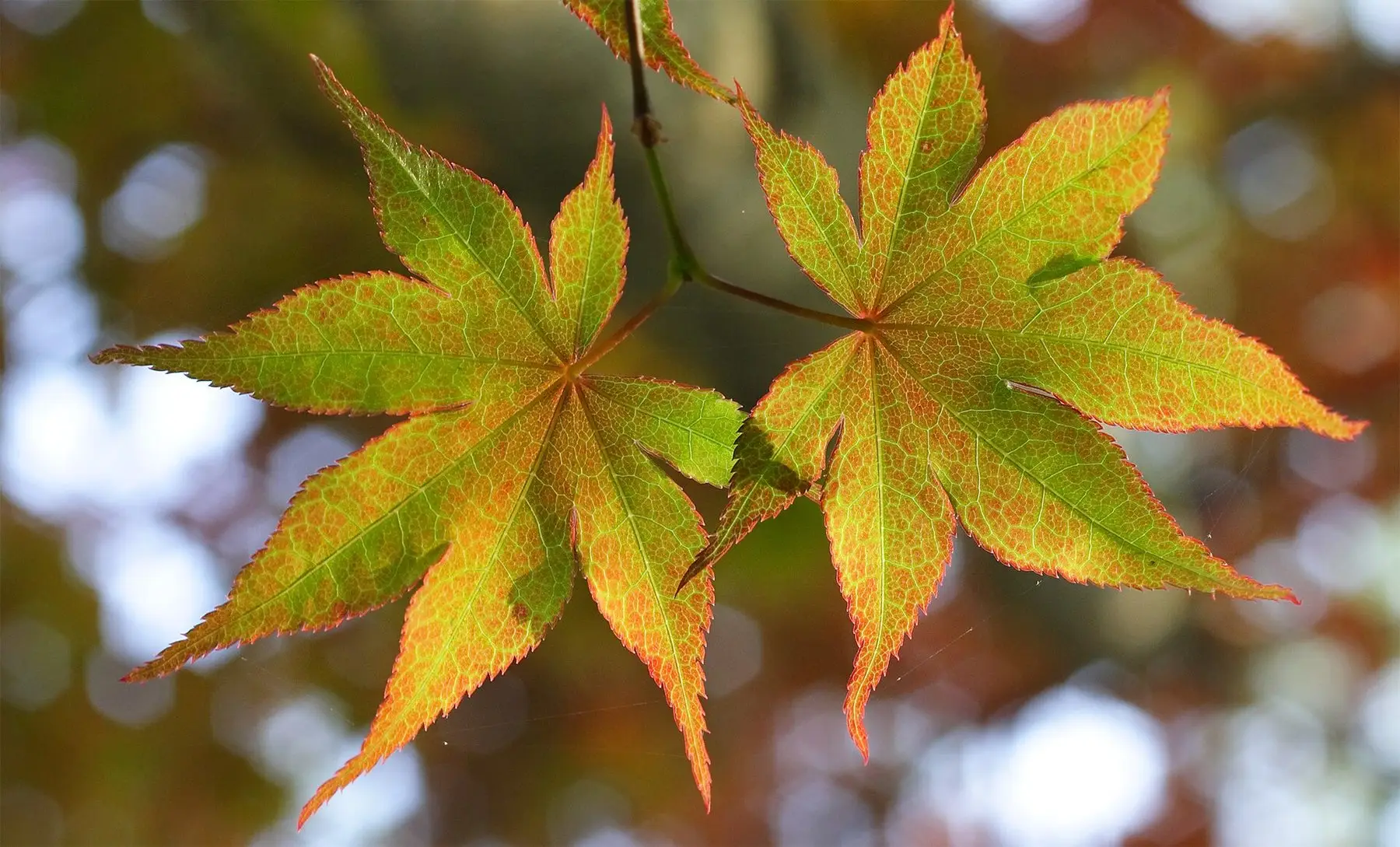
Japanese Maple: Choosing One, Siting It, and Leaf Scorch
Crisp brown leaf edges are wind and sun, not disease. How to pick between upright and dissected forms, where to plant, and why you should barely prune one.
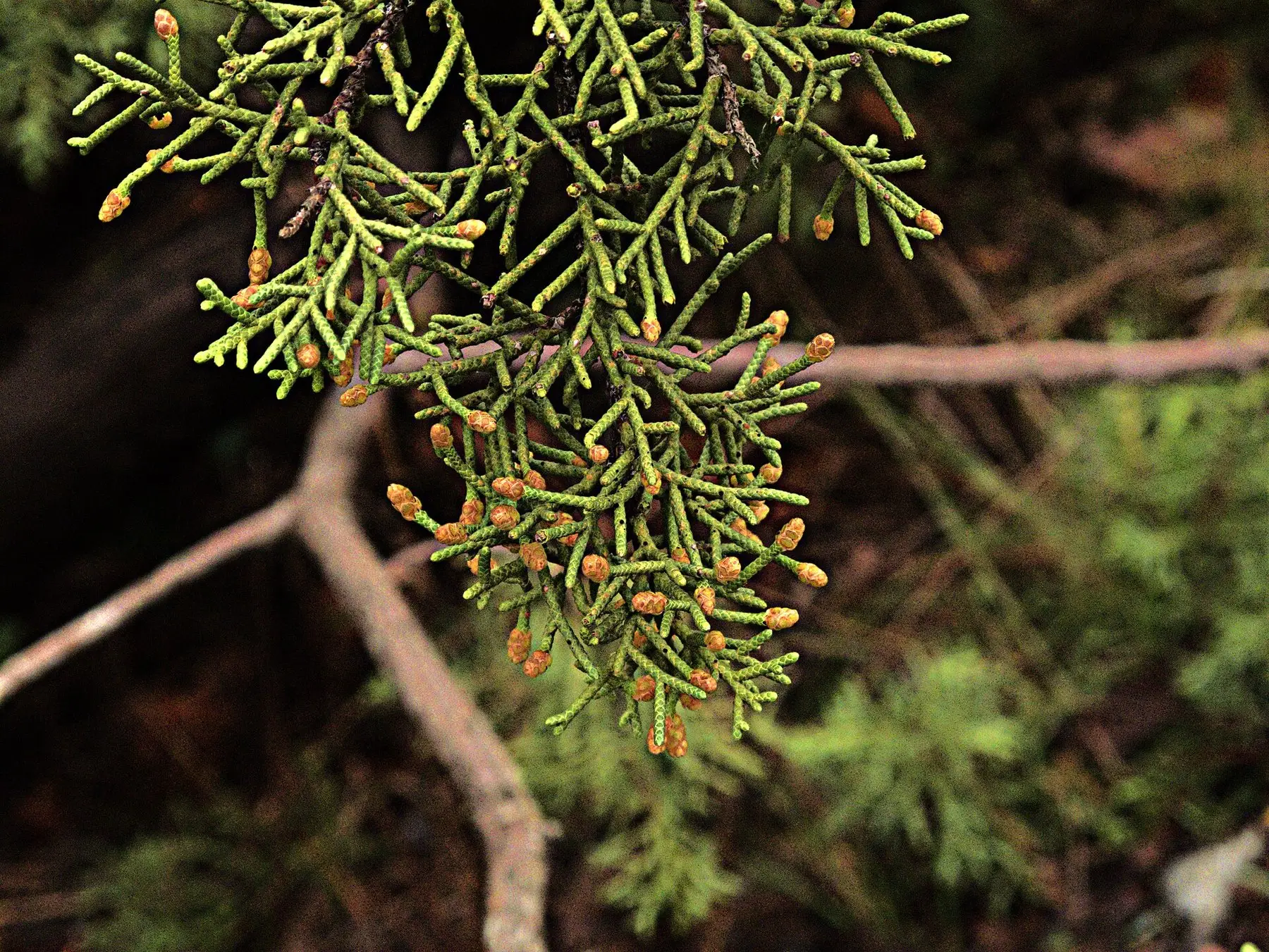
Juniper: Choosing One That Fits, and Keeping It Alive
Junipers are near-indestructible in sun and sharp drainage, and doomed in shade or wet soil. Picking a form that suits the space, and the pruning rule that matters.
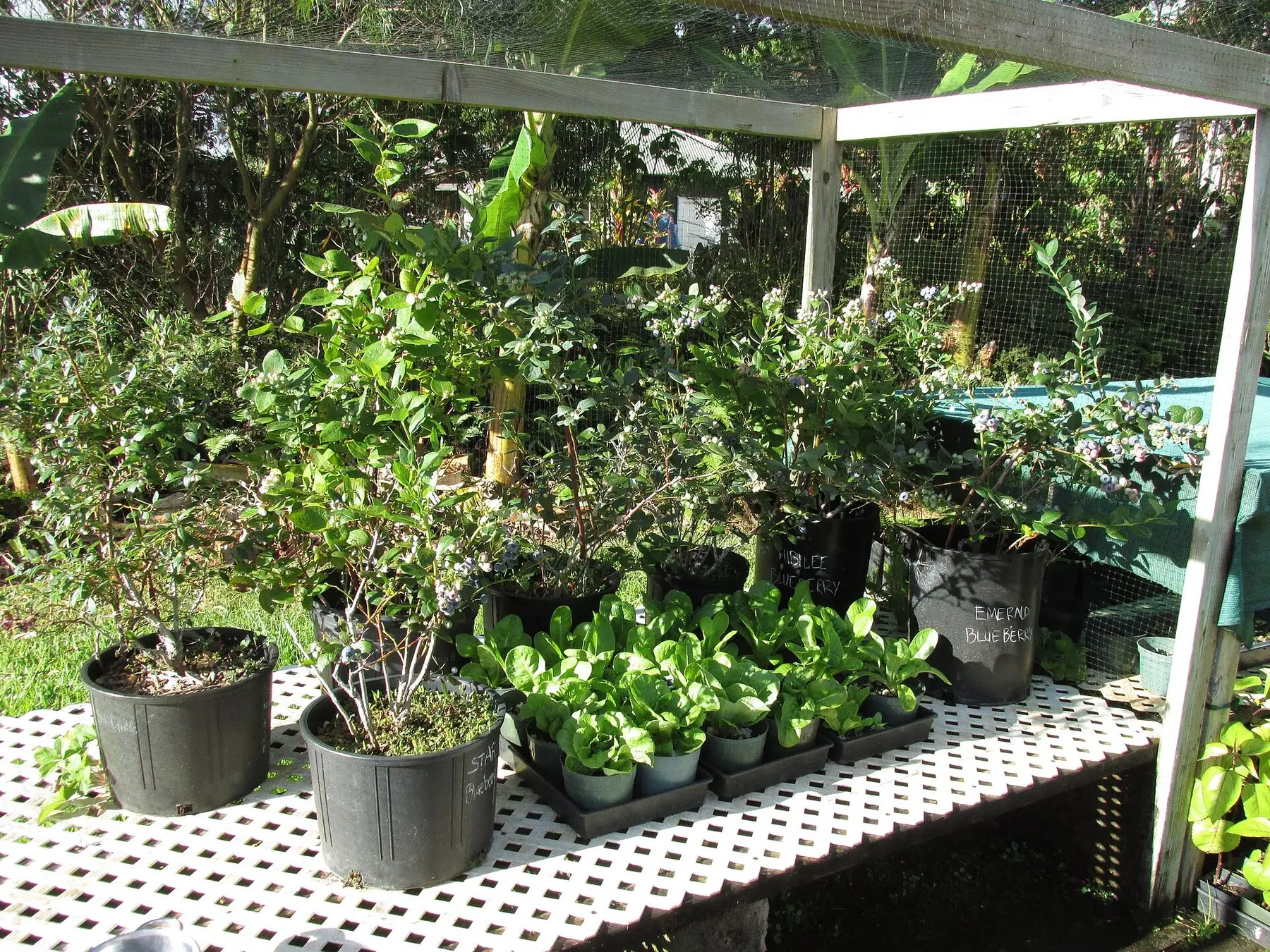
How to Lower Soil pH: What Works and How Long It Takes
Elemental sulfur is the reliable way to acidify soil, and it takes months. What to use, how much, and why coffee grounds and vinegar do not work.
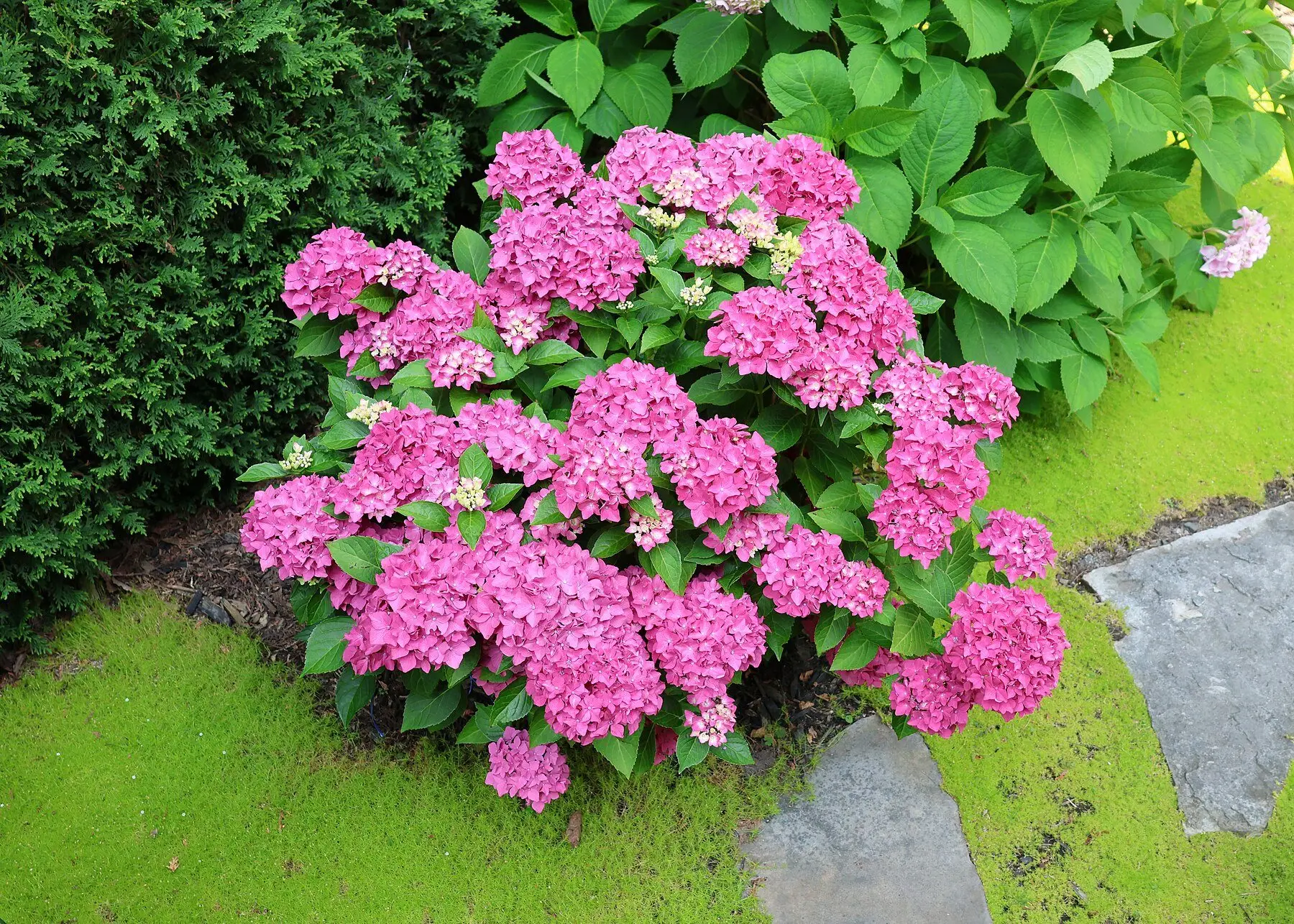
How to Grow Hydrangeas: Where to Plant and When to Prune
Morning sun, afternoon shade, and never let them dry out. Which type you have decides when to prune — and getting that wrong is why hydrangeas stop flowering.