
Growing Guides ·
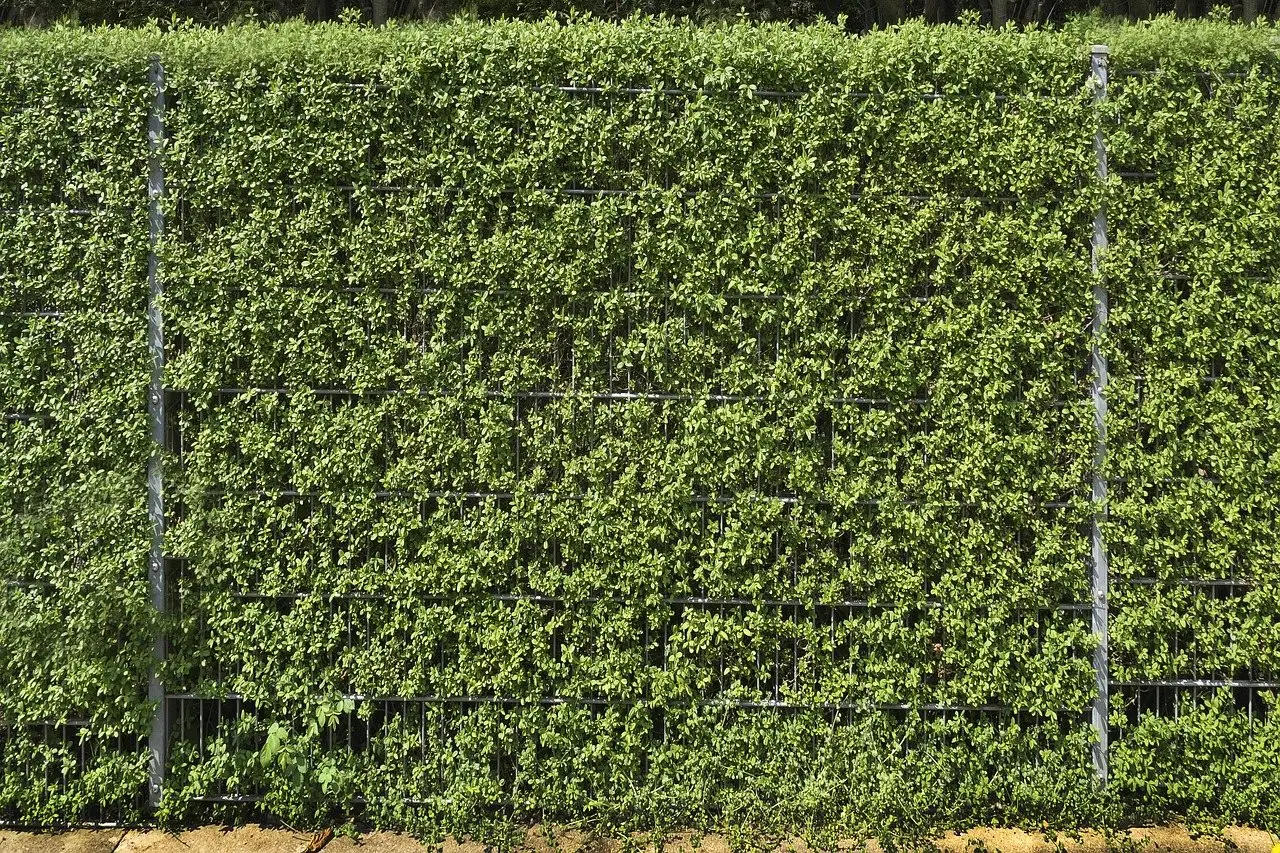
Tall Hedges for Privacy: What to Plant and How Fast It Grows
Screening height in two years or ten, depending on what you plant. Growth rates, spacing, final size and the species that become a liability.
32 guides in Growing Guides.
Start here
Junipers are near-indestructible in sun and sharp drainage, and doomed in shade or wet soil. Picking a form that suits the space, and the pruning rule that matters.
Screening height in two years or ten, depending on what you plant. Growth rates, spacing, final size and the species that become a liability.
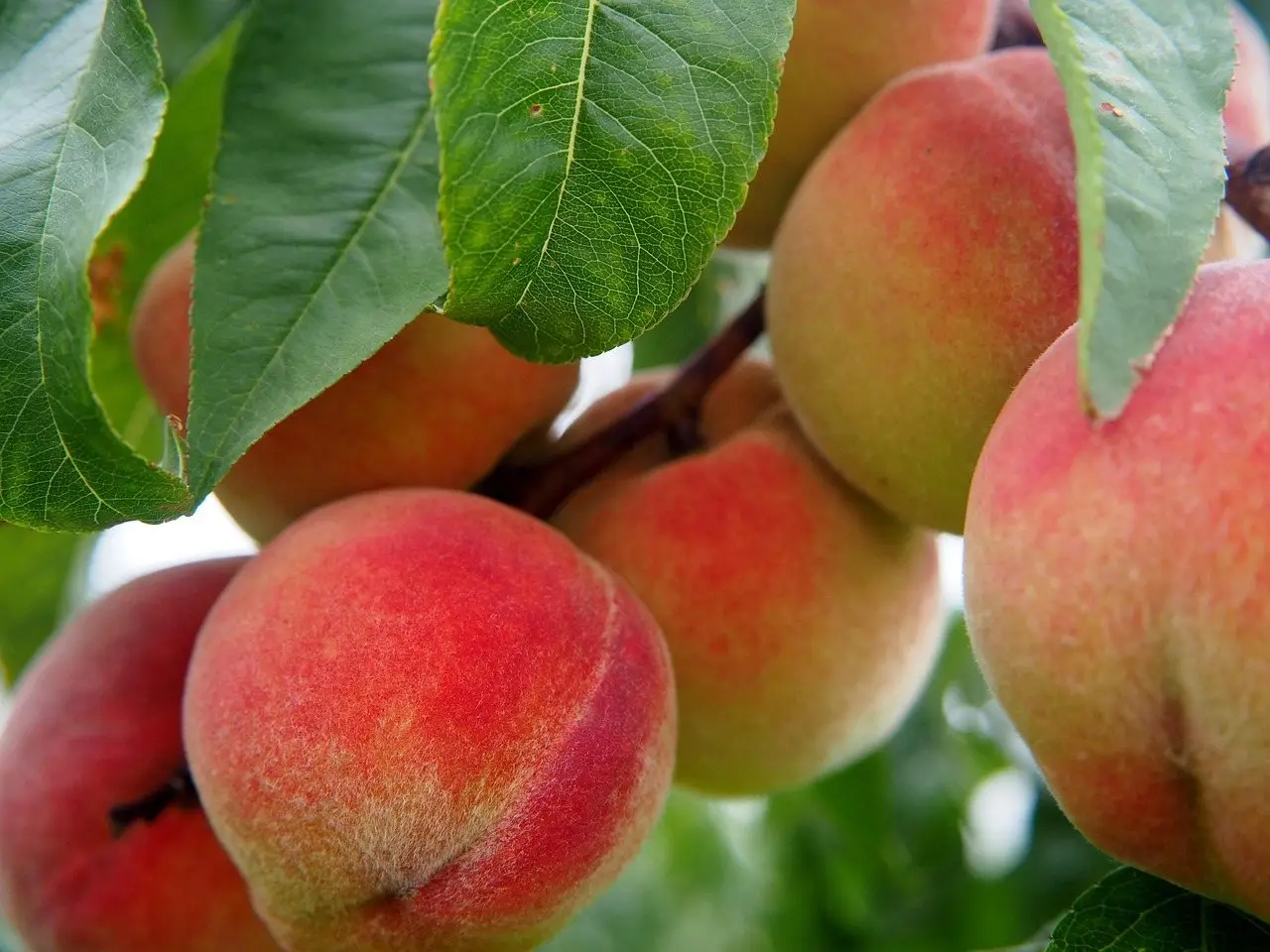
Peach size is set by rootstock, not variety. Standard trees reach 18 to 25 feet, semi-dwarf 12 to 15, and dwarf 8 to 10 — and pruning keeps all of them lower.
Crape myrtle flowers on new wood, so pruning timing decides the display. Full sun and airflow prevent the powdery mildew that spoils most of them.
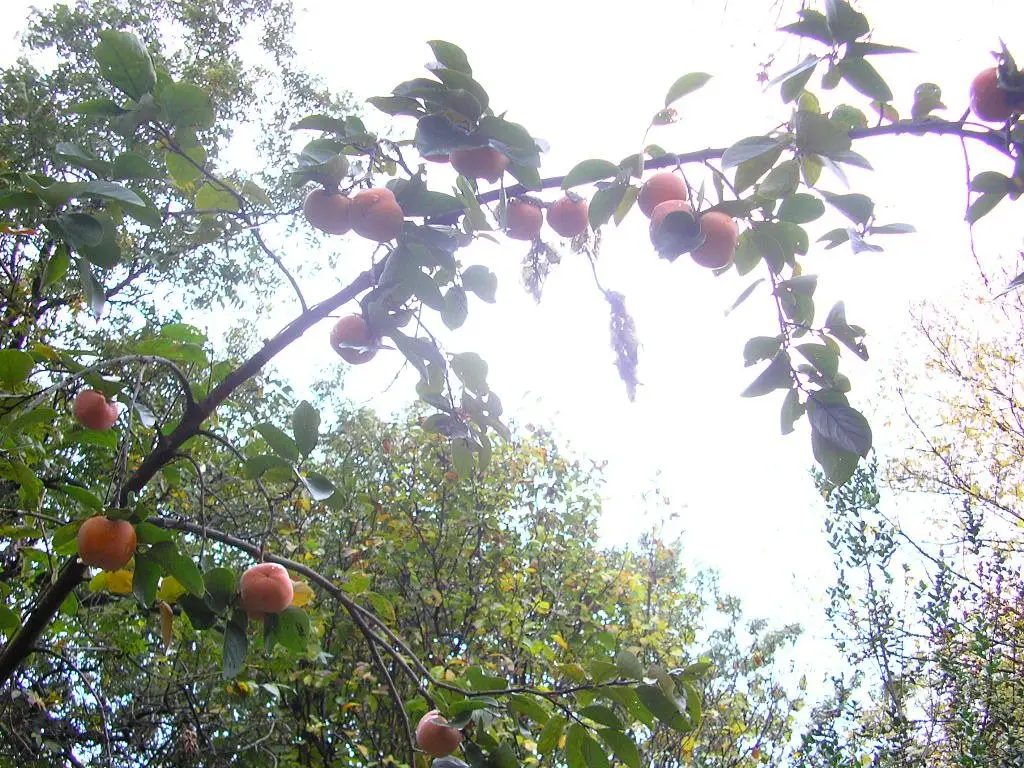
The variety decides everything. Non-astringent fuyu is eaten firm; astringent hachiya must go jelly-soft or it is inedible. Plus pollination and chill.
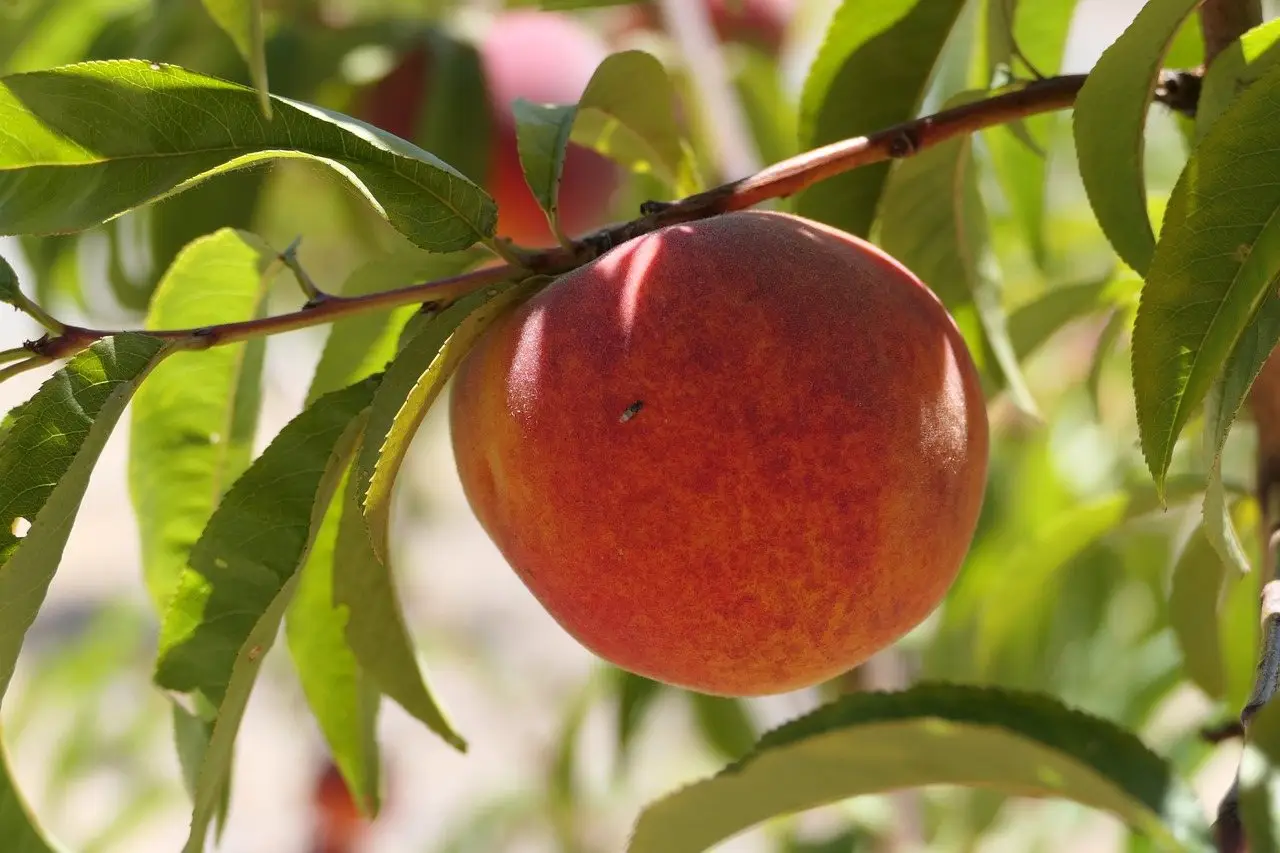
Peach and fig crop in two to three years from a grafted tree. But fast growth and fast fruiting are different things, and rootstock beats species.
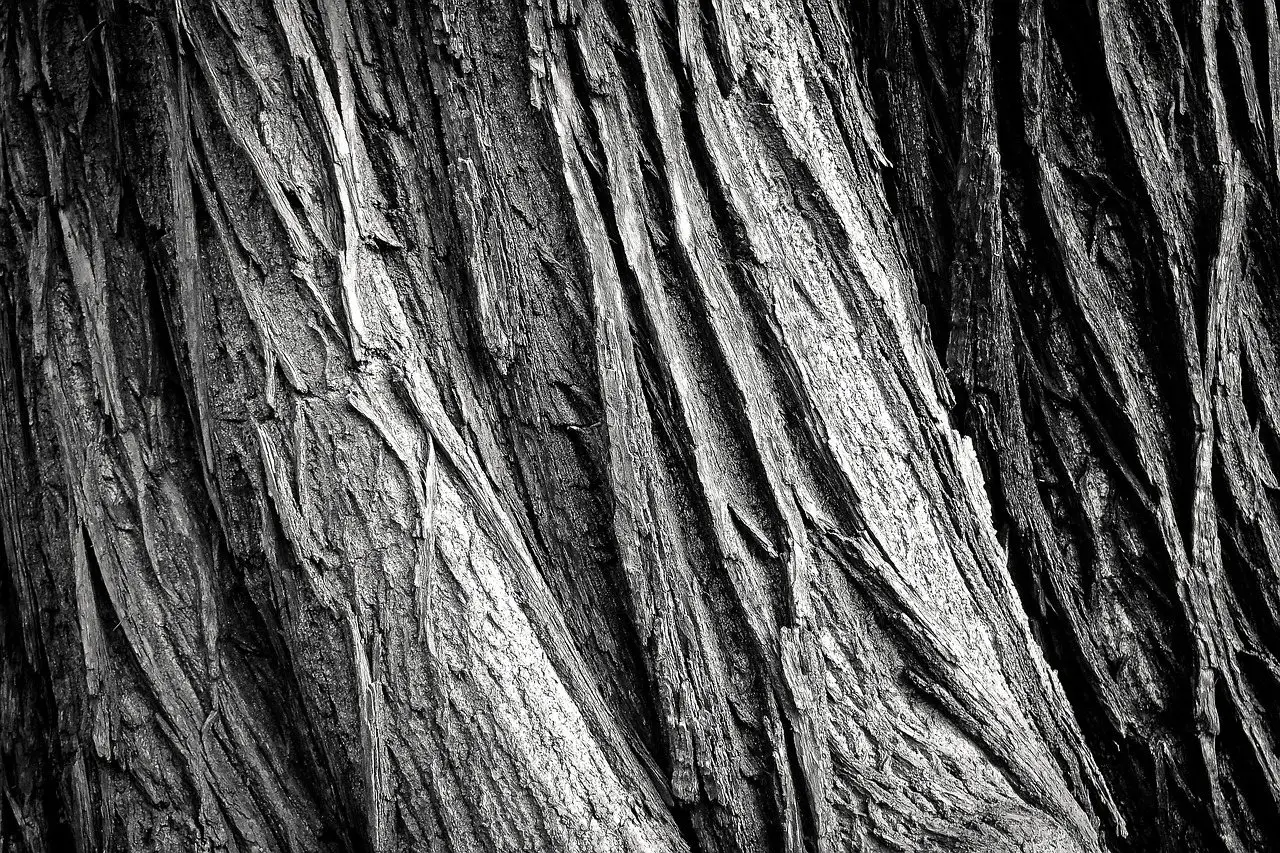
Smooth grey bark that stays smooth for two centuries is the giveaway. It is also unusually thin, which is why beech is easily killed by carving and sun.
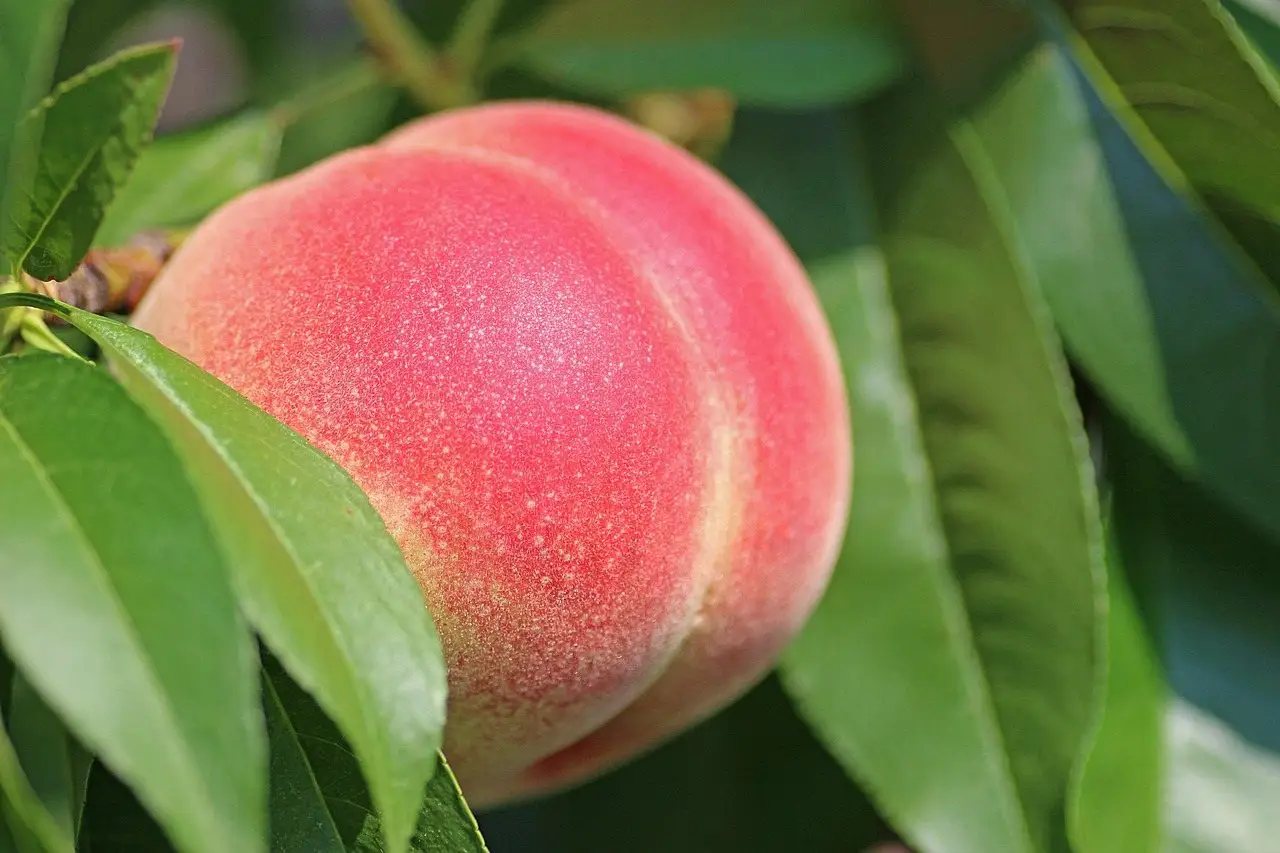
A peach pit will sprout and make a tree, and it is easy. What it will not reliably make is the peach you ate. Here is why, and how to do it anyway.
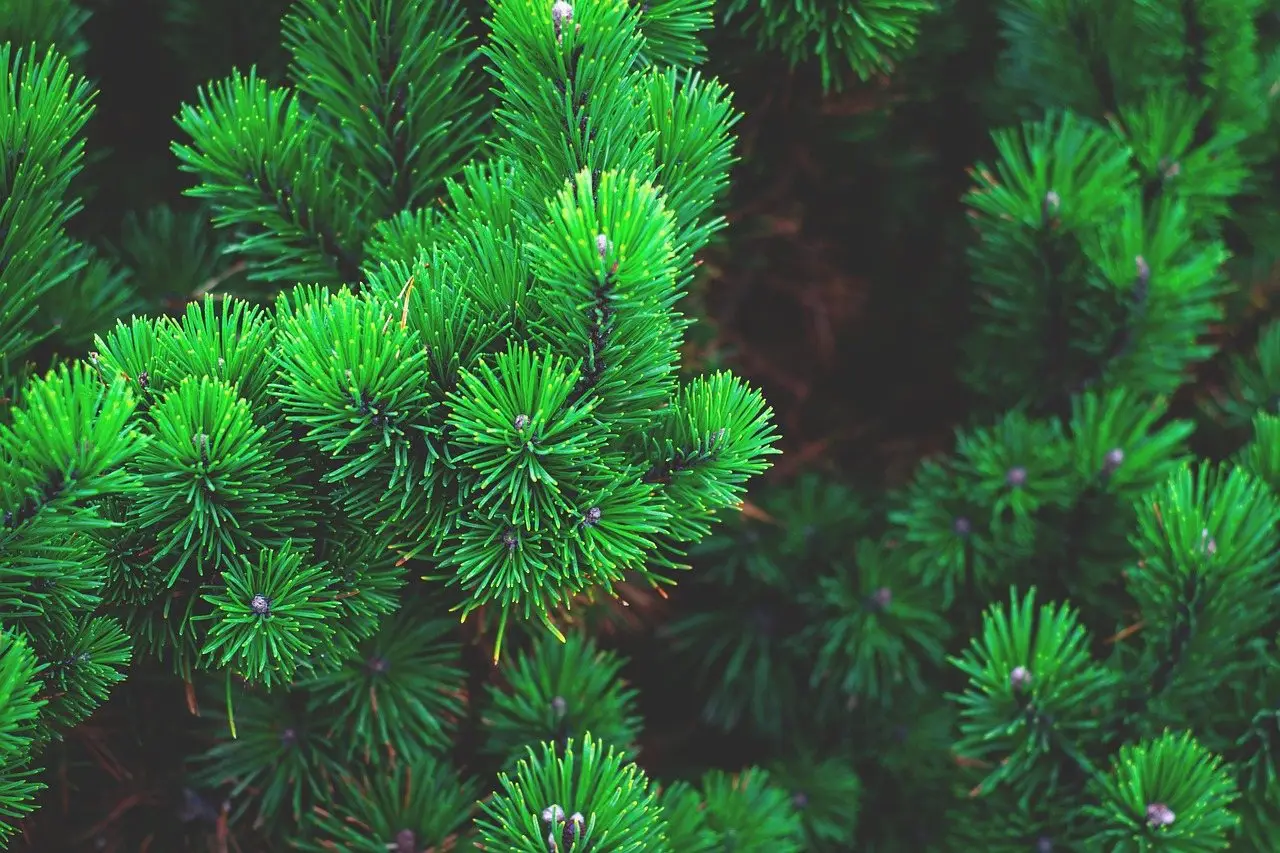
Established trees add 60–90 cm annually and reach 25 m. Fast growth brings weak wood, storm damage and a tree most gardens plant too close to the house.
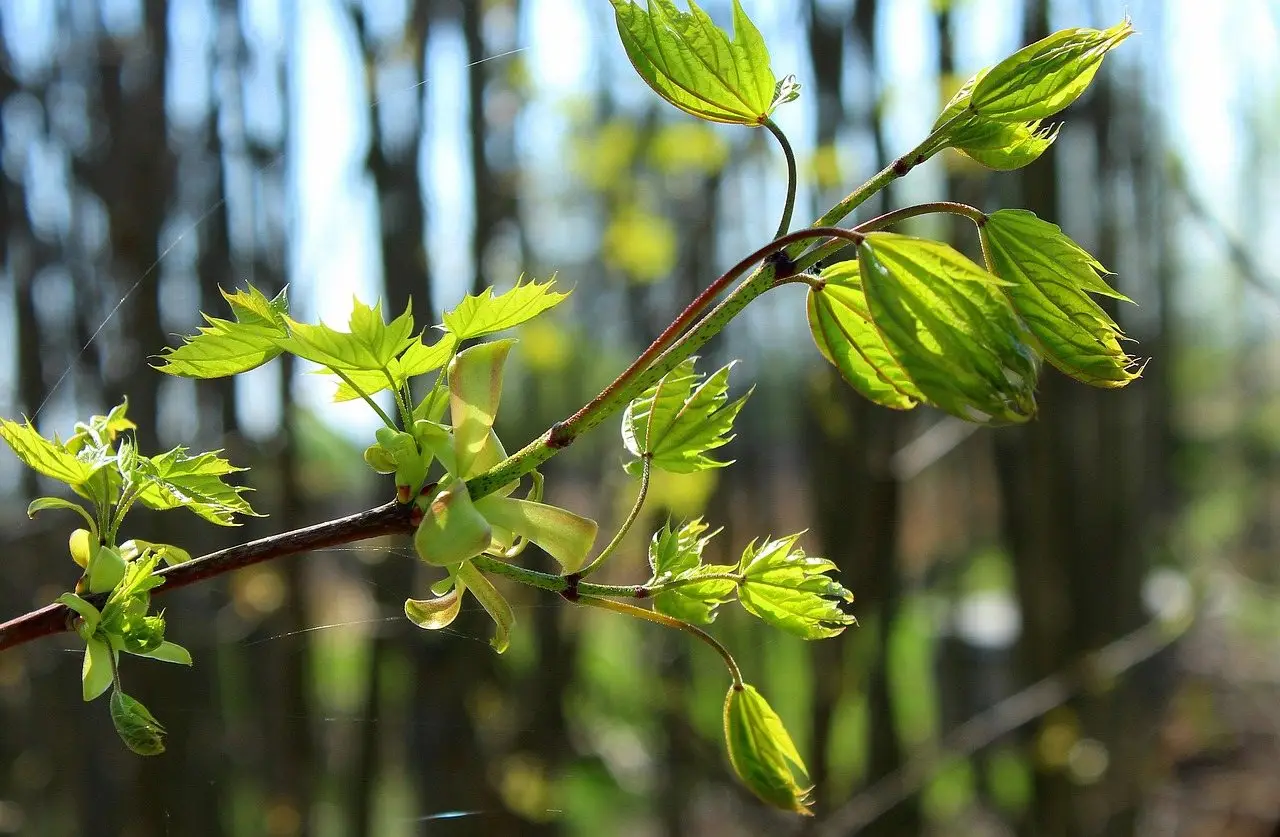
Willow, poplar and fig root from a cut branch pushed into the ground. Oak, maple and most fruit trees will not. The split, and the method for each.
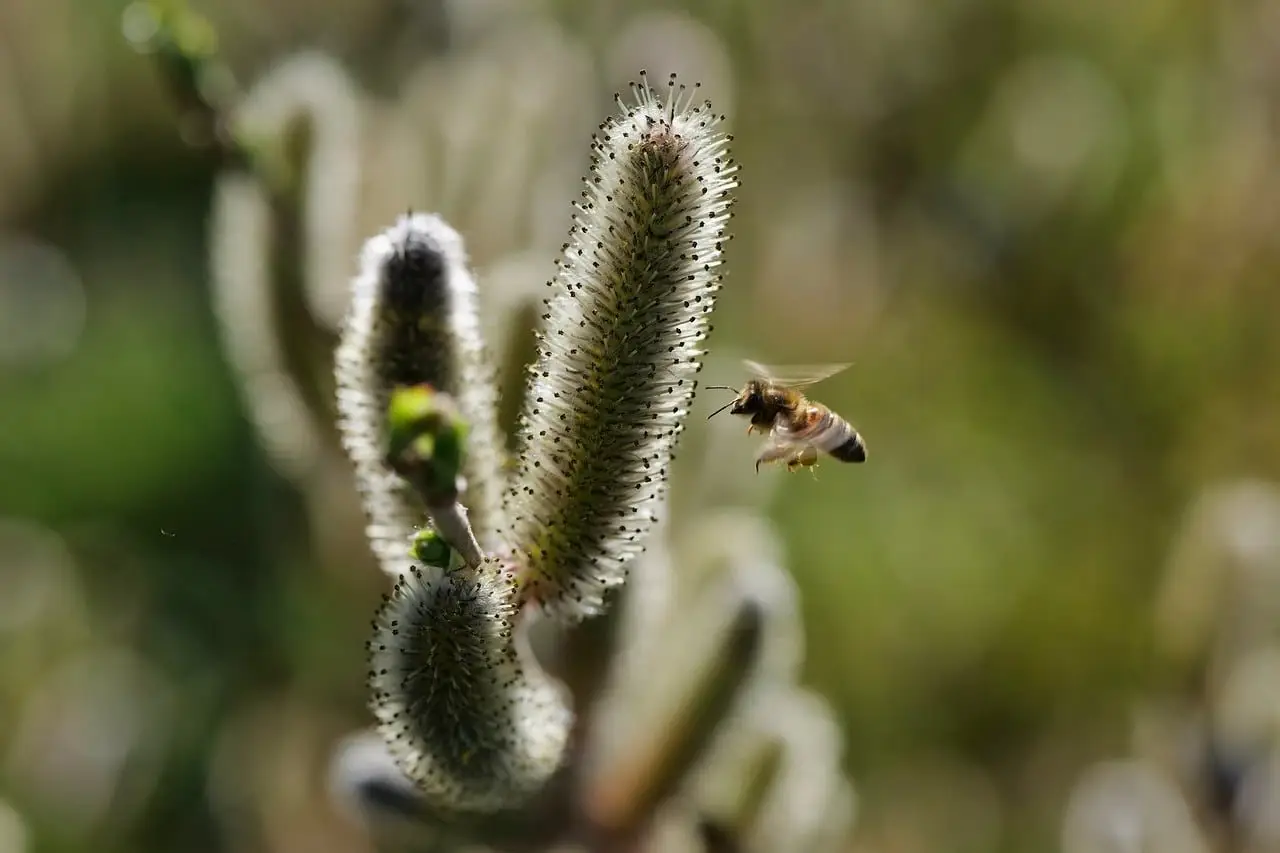
Glycerine keeps branches supple for years; air drying makes them brittle but keeps the catkins. Which you choose depends on what you plan to do with them.
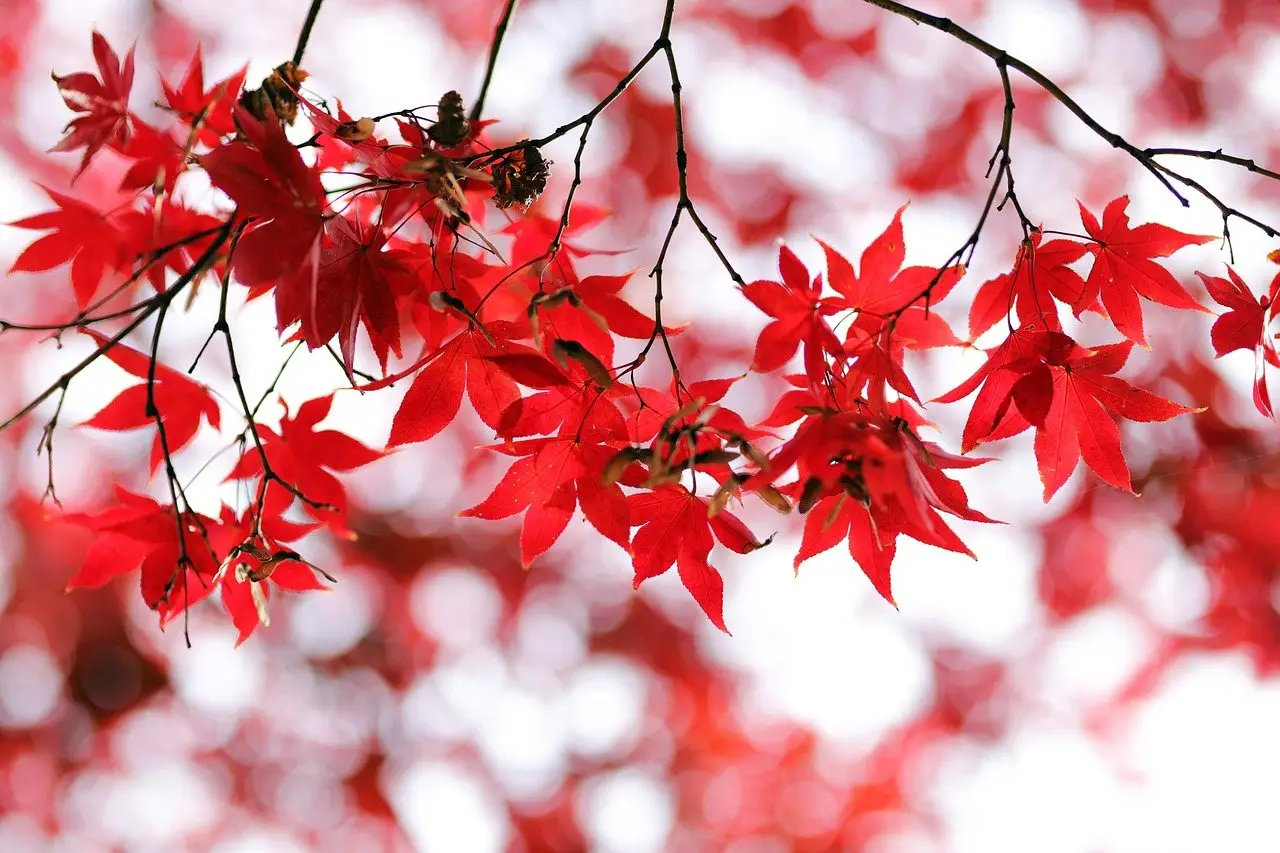
A red maple adds 13 to 24 inches a year in good conditions, reaching 40 feet in about 20 years. Soil moisture is the lever that decides where in that range.
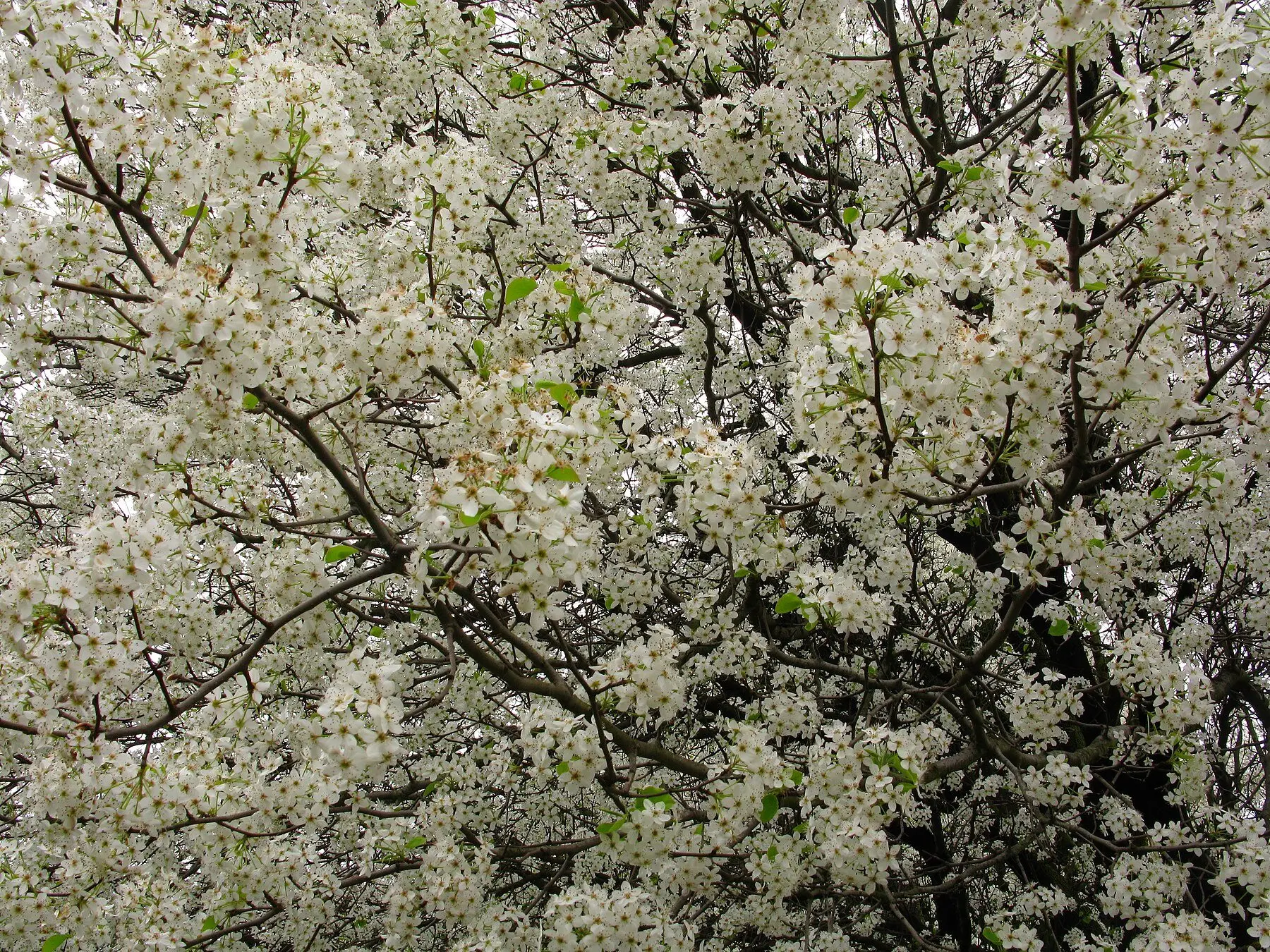
Most pears are self-incompatible and crop poorly alone. What matters is not two trees but two compatible varieties flowering at the same time.
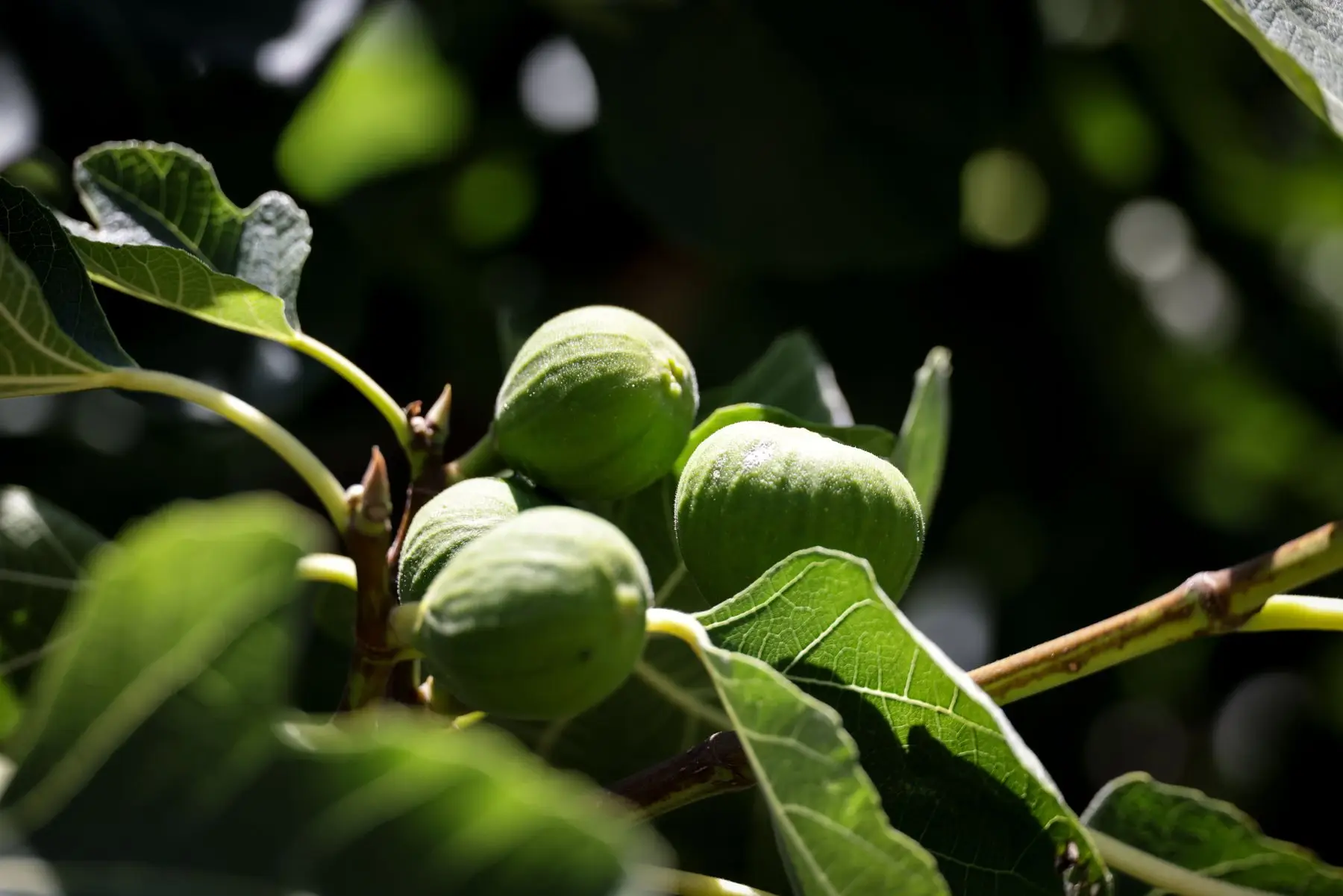
A rooted cutting fruits in 3–6 years, a bought potted tree often in 1–2. Restricting the roots is what brings a stalling fig into production.
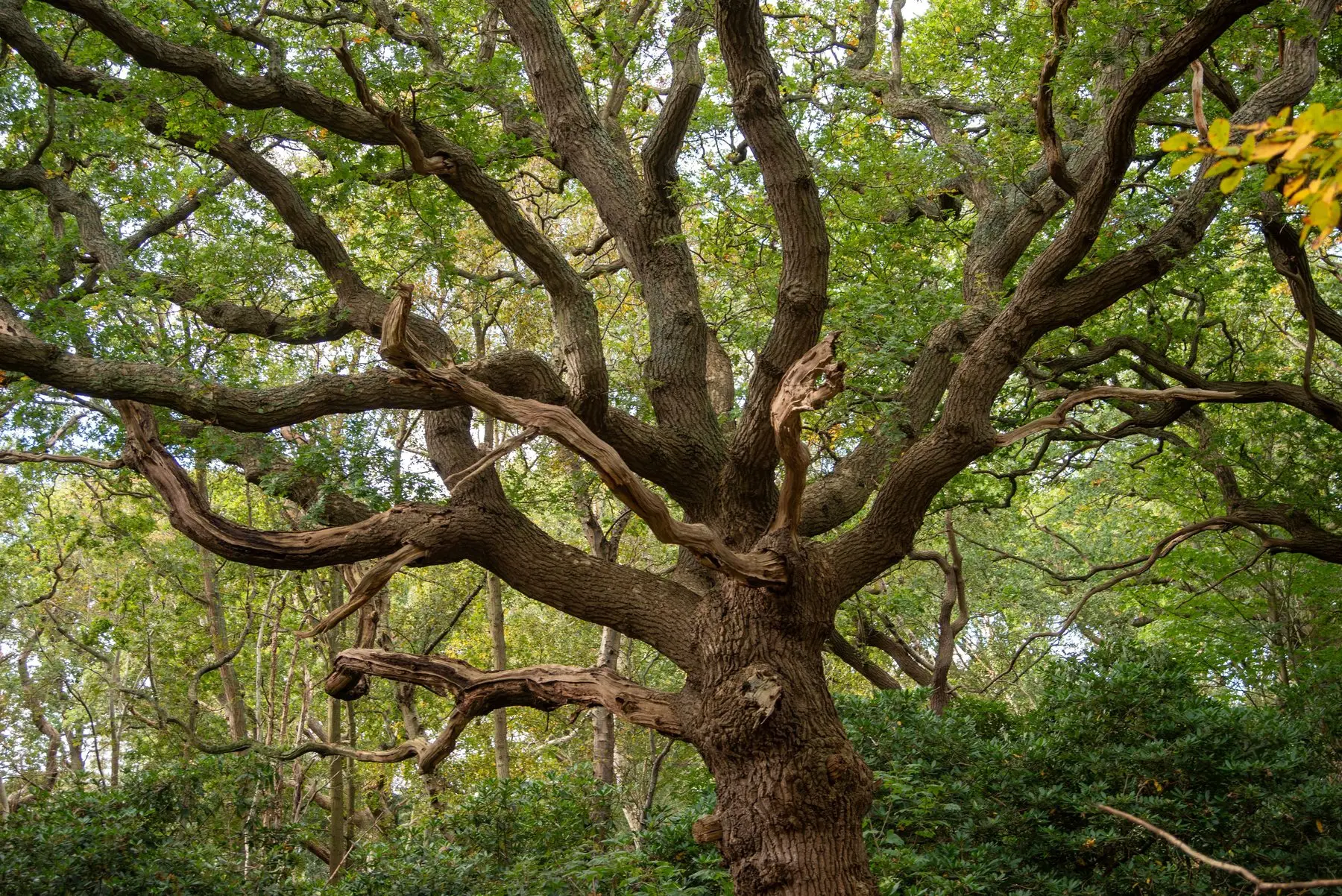
Most oaks live 200–400 years, but pollarded and open-grown trees reach 800 or more. Why an oak's shape predicts its lifespan better than its species.
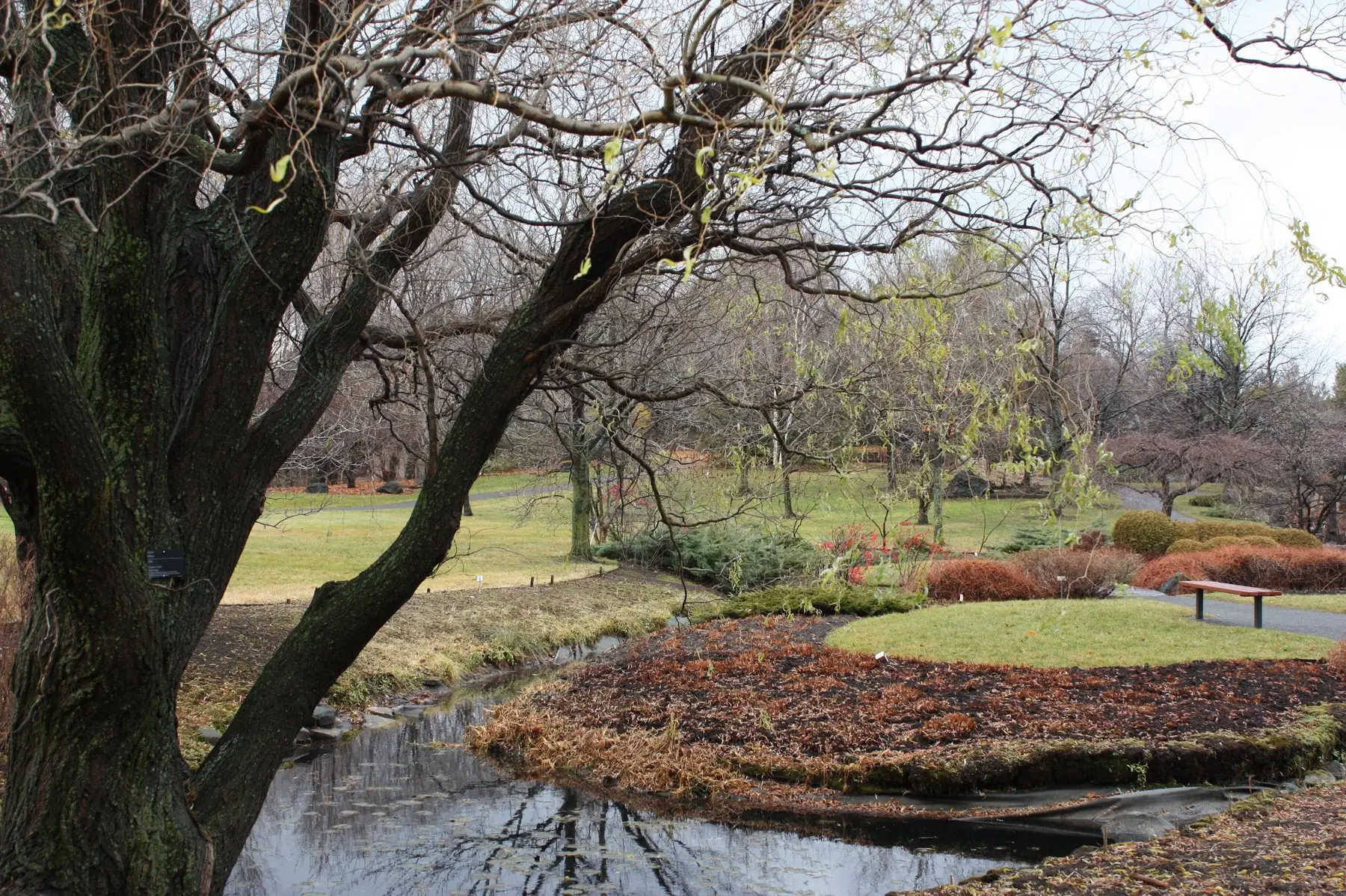
Move trees in late autumn after leaf drop or early spring before bud break. Dormancy is what lets roots re-establish before the canopy needs water.
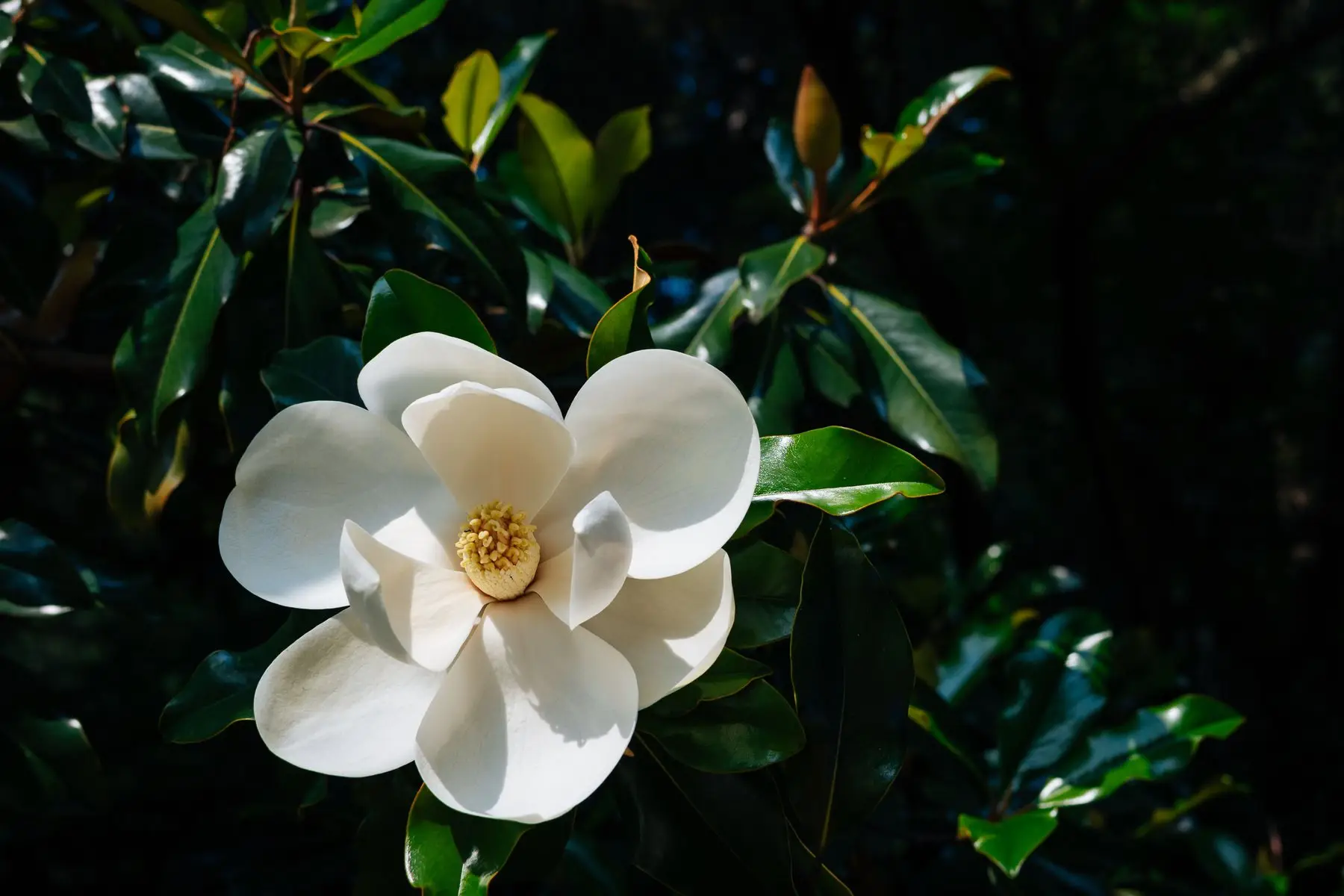
Deciduous magnolias drop everything in autumn; evergreen ones shed year-round. How to tell which you have, and when leaf drop signals a problem.
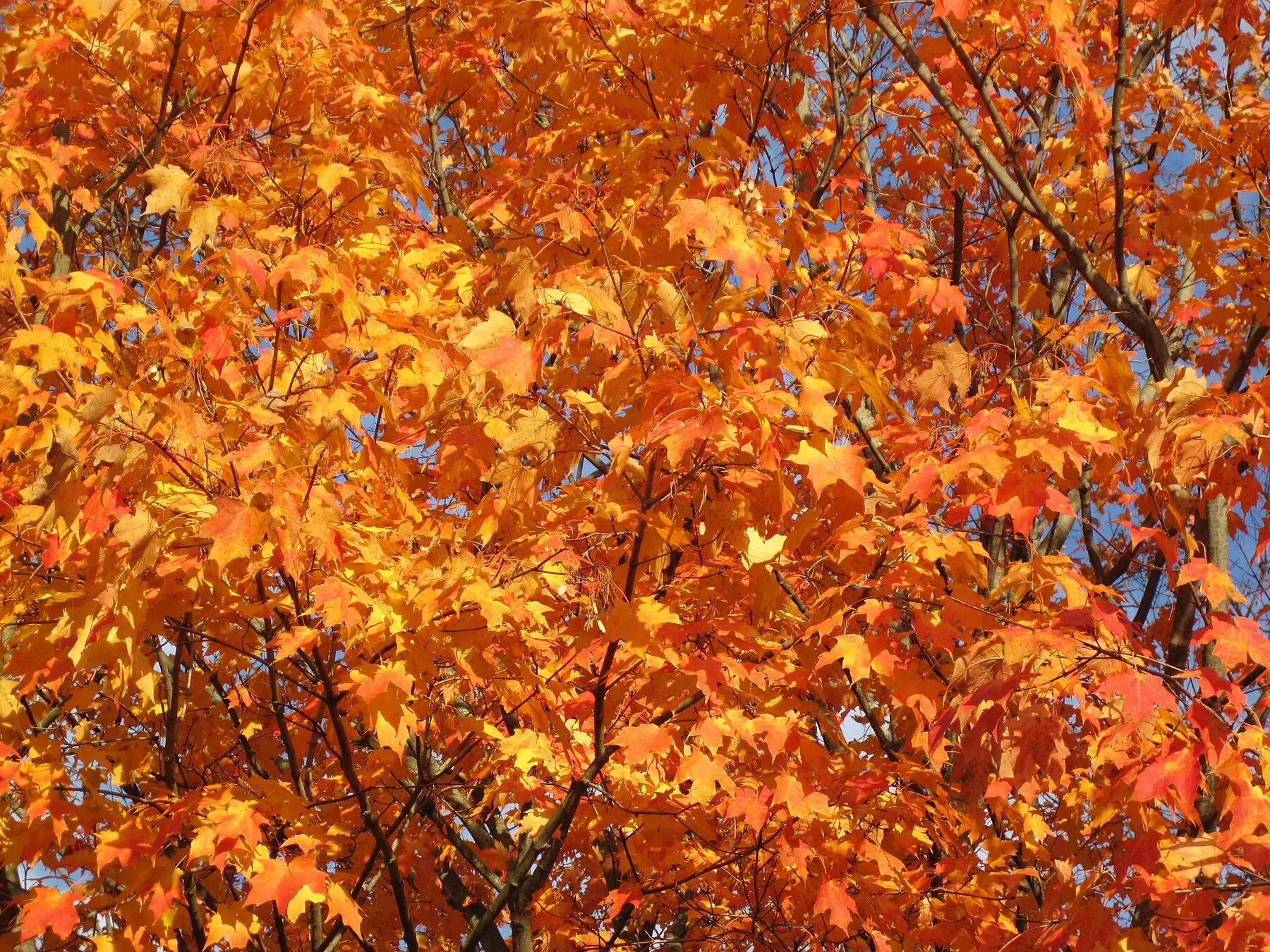
Maple lifespan depends almost entirely on species: silver maple 60–100 years, red maple 100–150, sugar maple 200–300. Where yours actually sits.
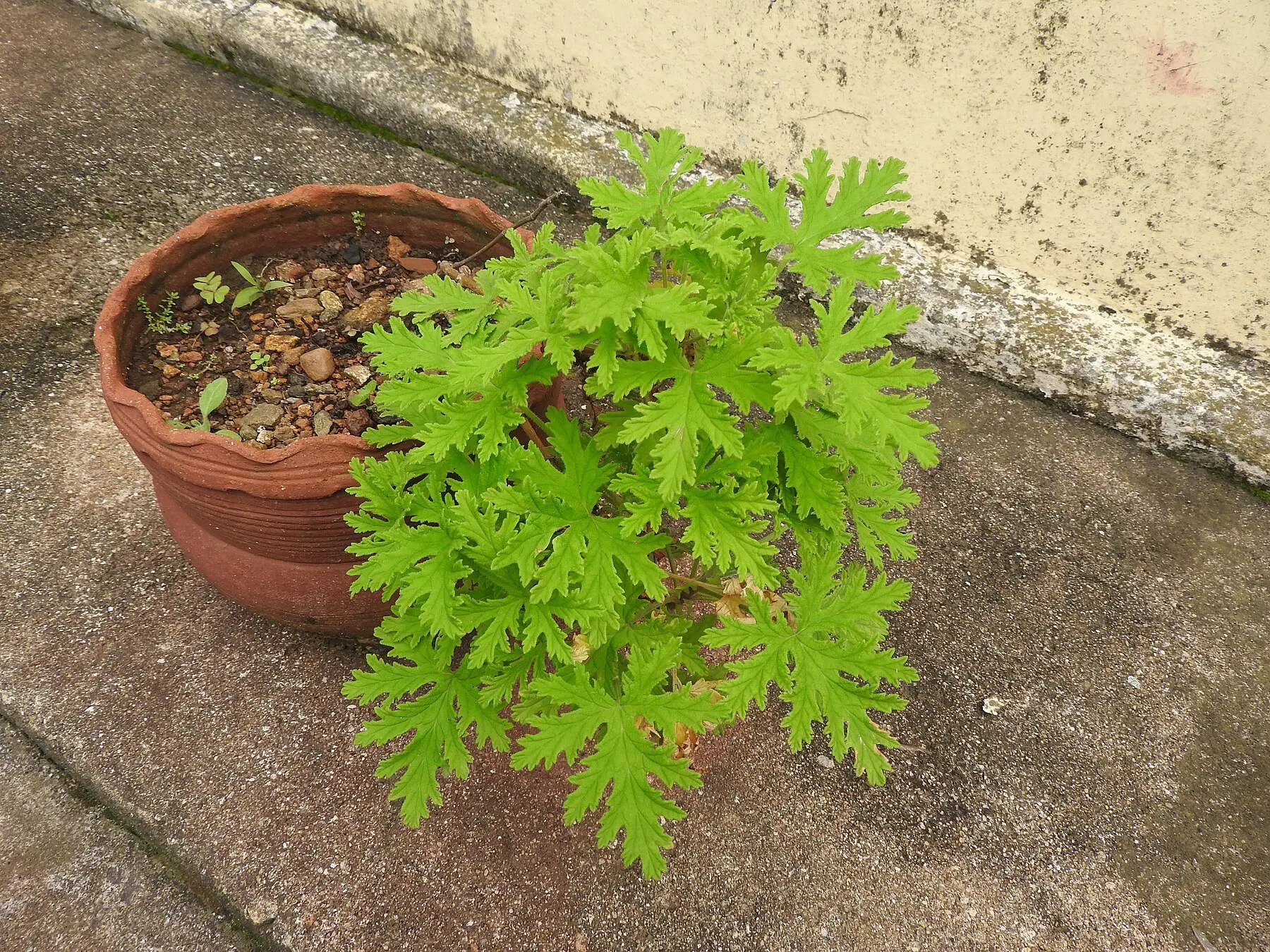
The plant sold as citronella is a scented geranium, not the grass the oil comes from. What each one is, how to grow it, and the honest mosquito answer.
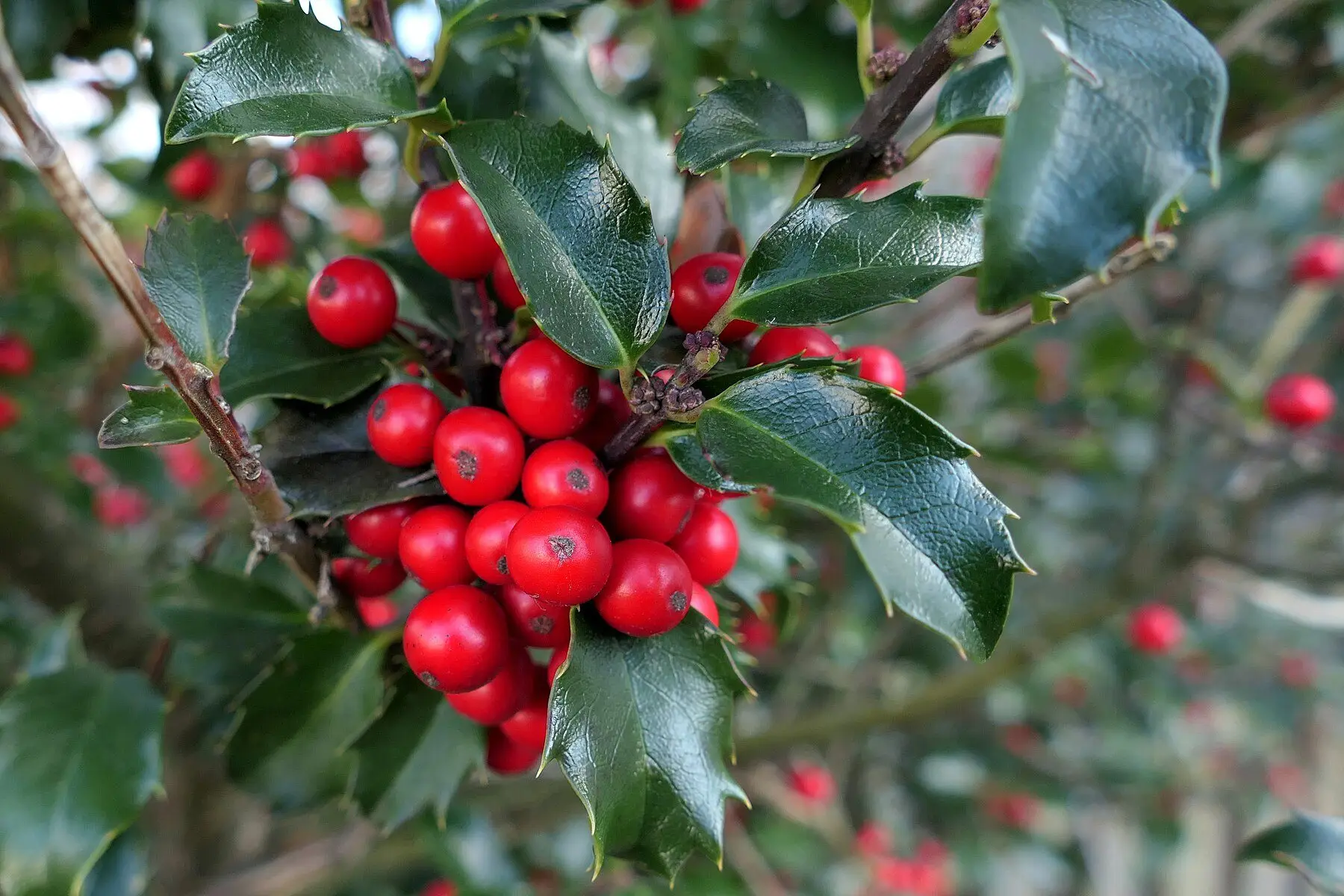
Hollies are male or female and only females berry, with a male nearby. Species, pairing cultivars, acid soil, and why yours has no berries this year.
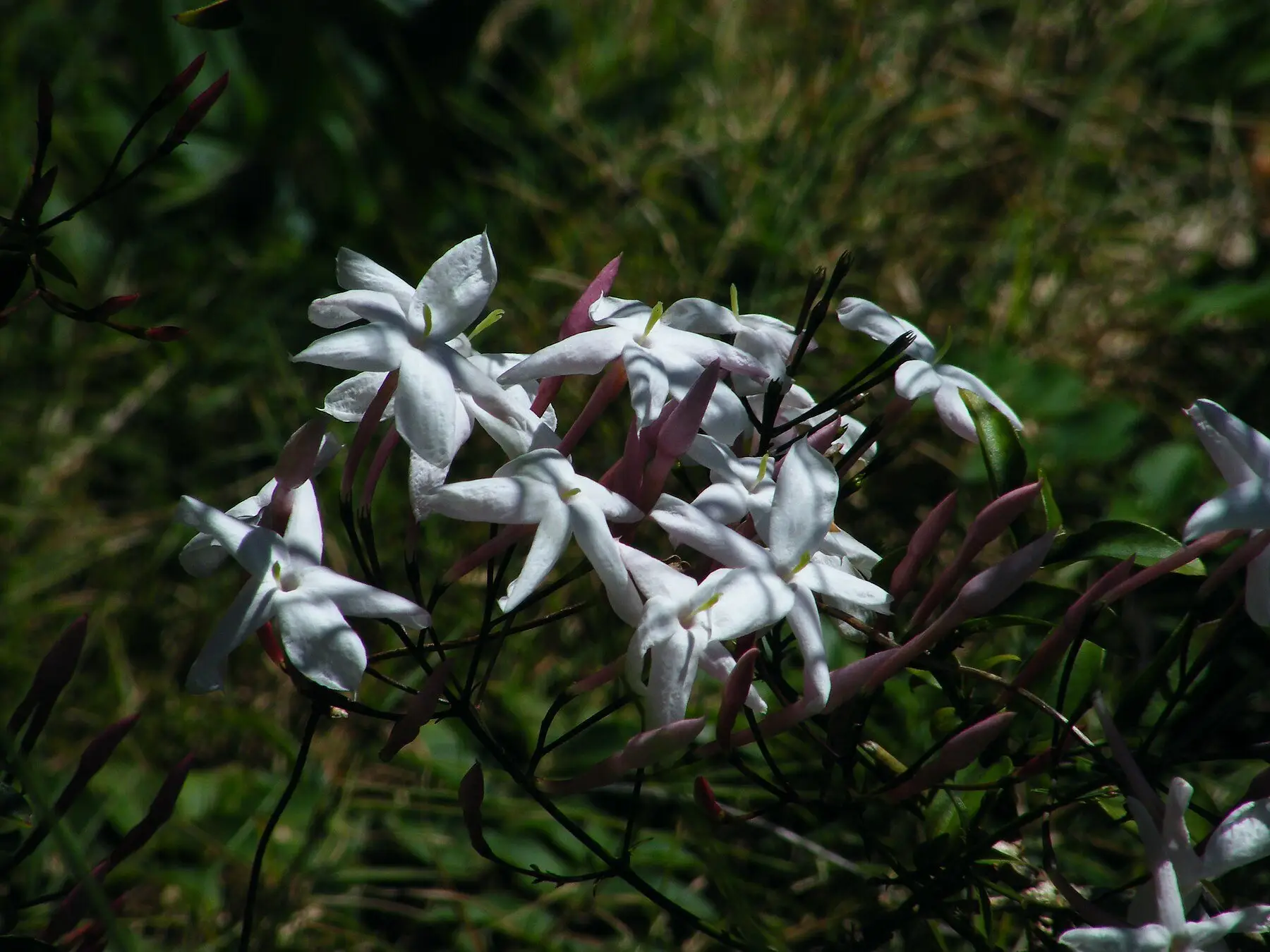
Half the plants sold as jasmine are not jasmine. How to tell them apart, which are hardy, and the pruning mistake that costs a season of flower.
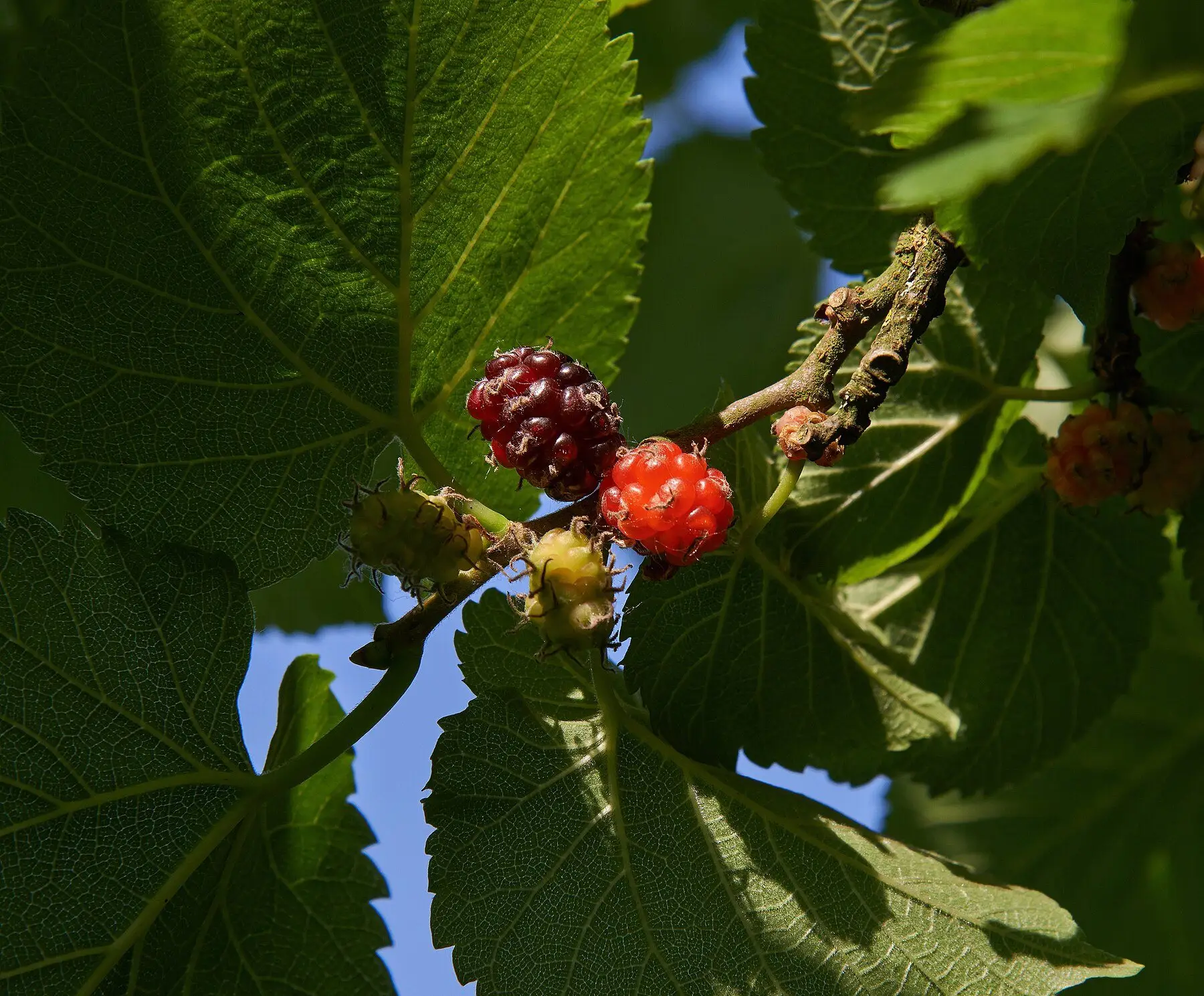
Mulberries crop heavily within a few years and stain everything under them. Choosing a species, siting it away from paths, and the fruitless myth.
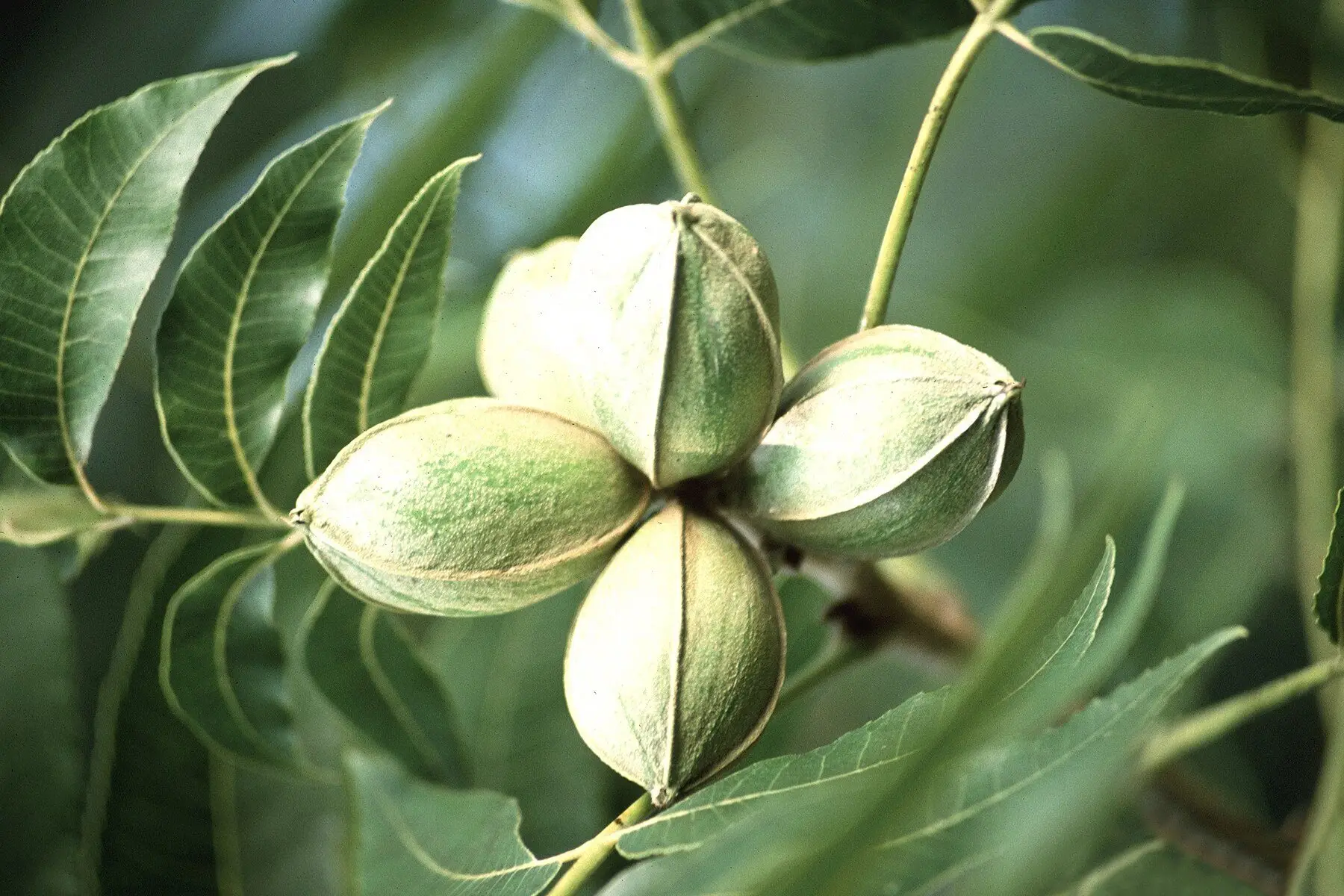
Pecans need two compatible cultivars, 60 to 80 feet of room and a decade before a real crop. Zones, type I and II pollination, and alternate bearing.
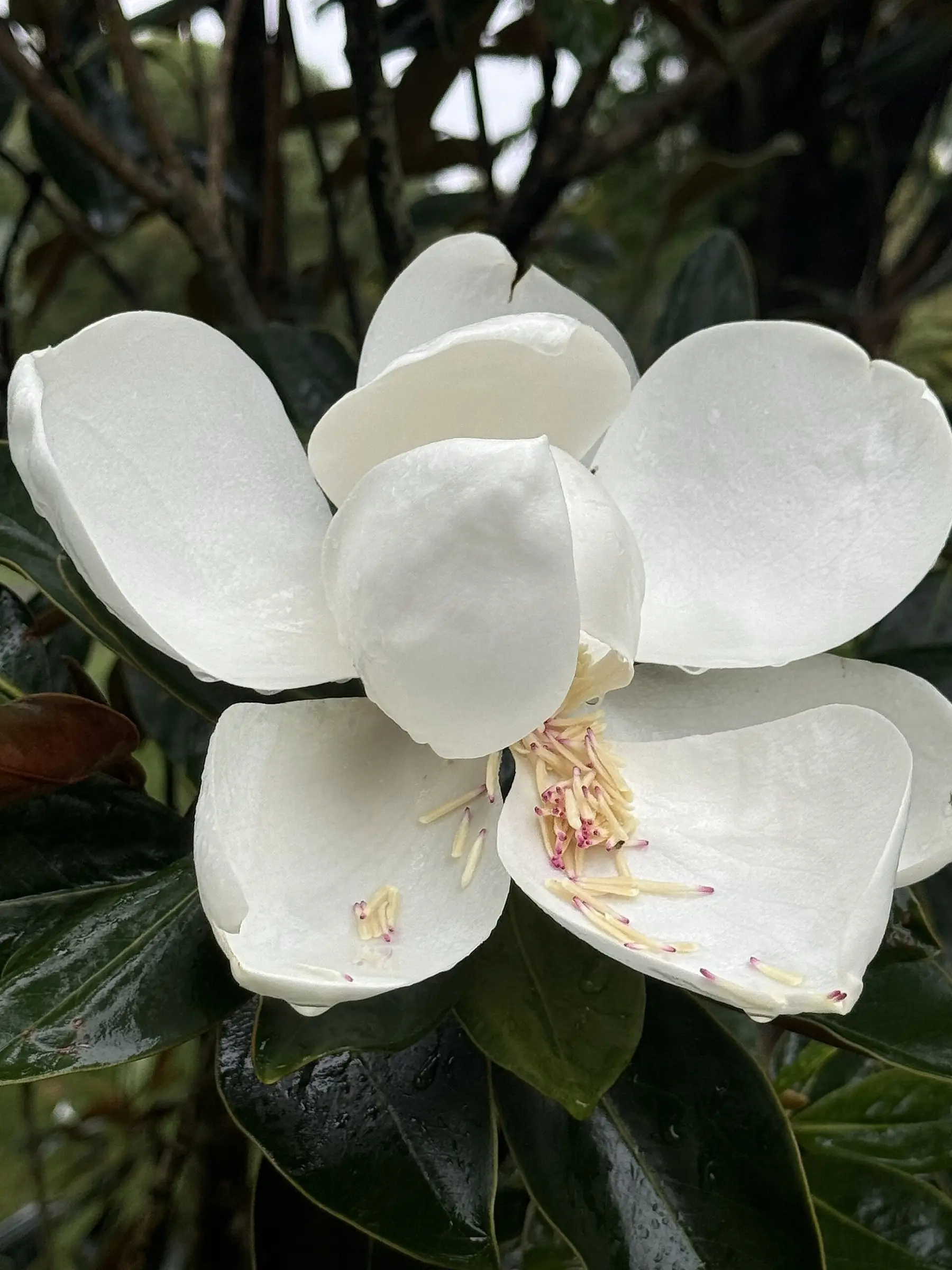
Magnolia grandiflora reaches 60 to 80 feet and drops leathery leaves all year. The cultivars that stay small, and what it needs to flower well.
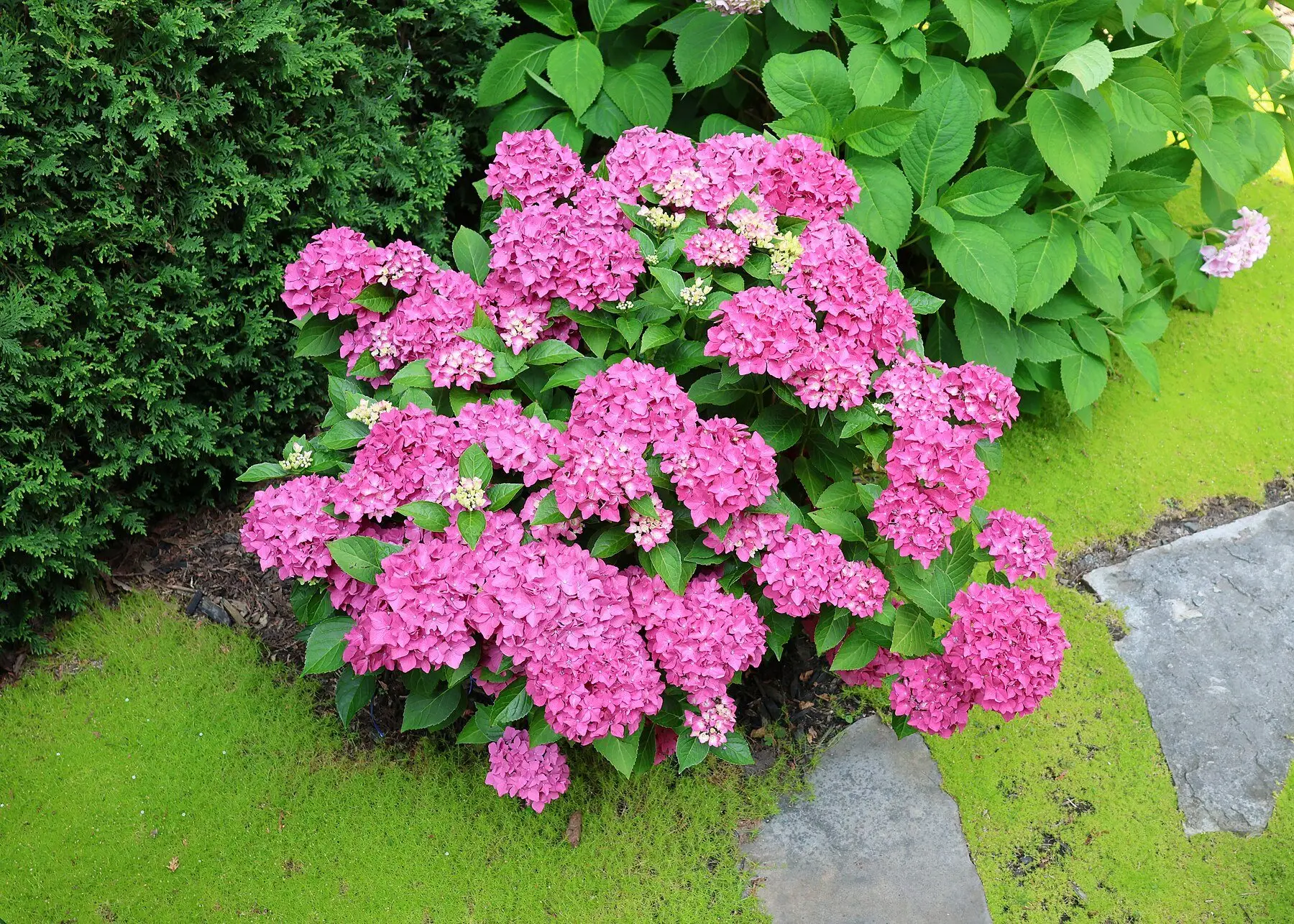
Morning sun, afternoon shade, and never let them dry out. Which type you have decides when to prune — and getting that wrong is why hydrangeas stop flowering.
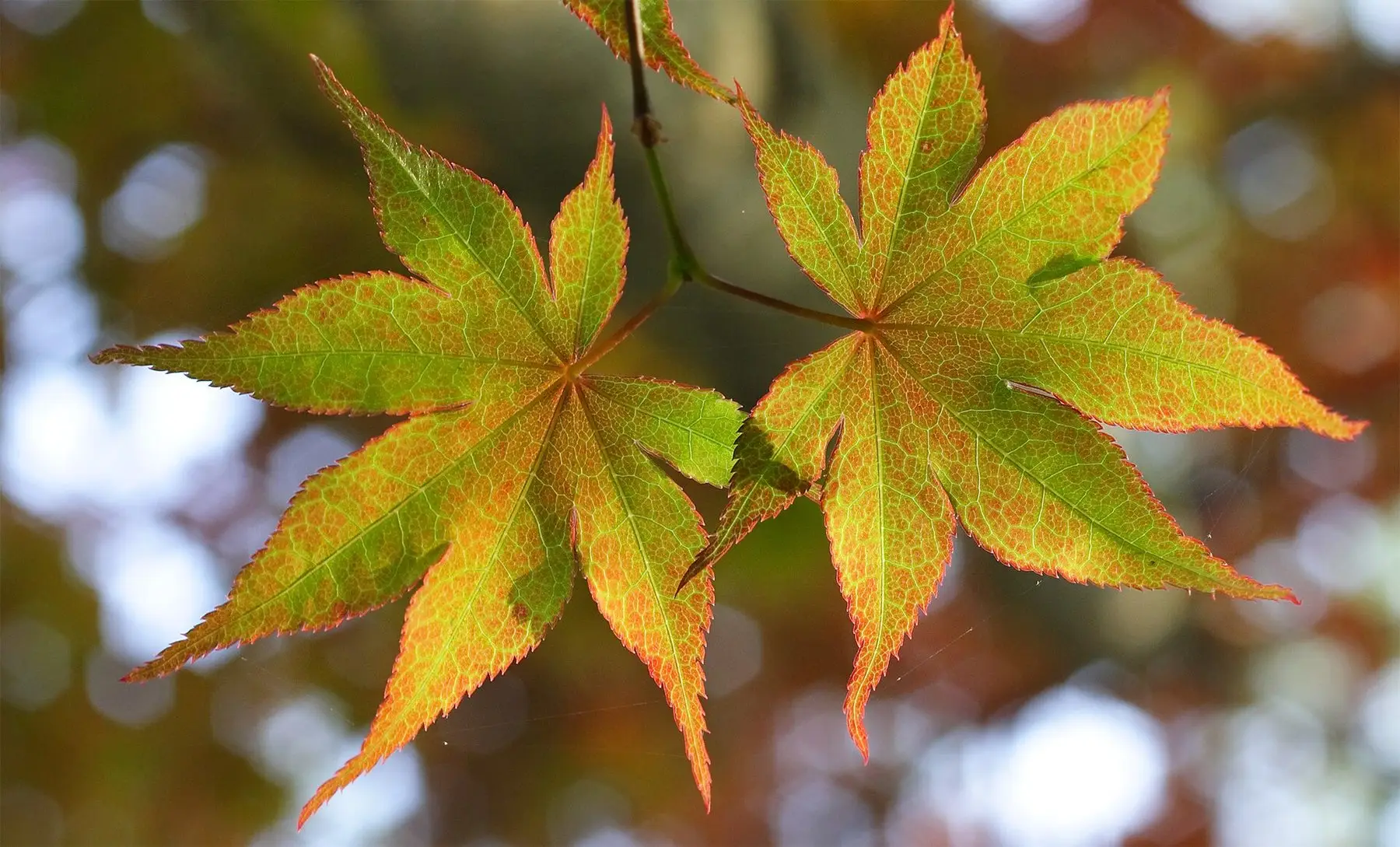
Crisp brown leaf edges are wind and sun, not disease. How to pick between upright and dissected forms, where to plant, and why you should barely prune one.
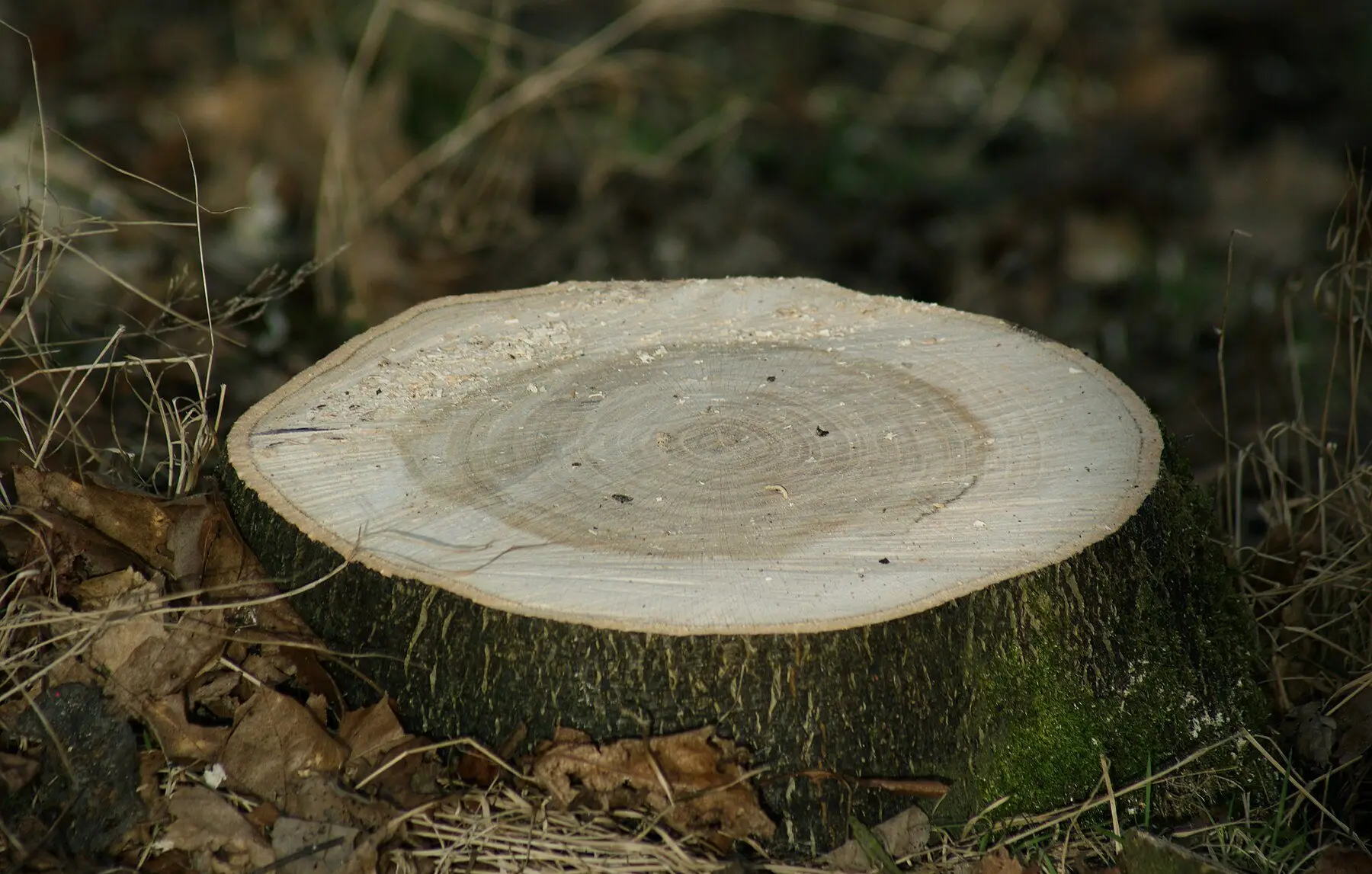
Planters, seating, wildlife habitat, and log stools — what to do with a stump you would rather not grind, and when removal is the only sensible answer.
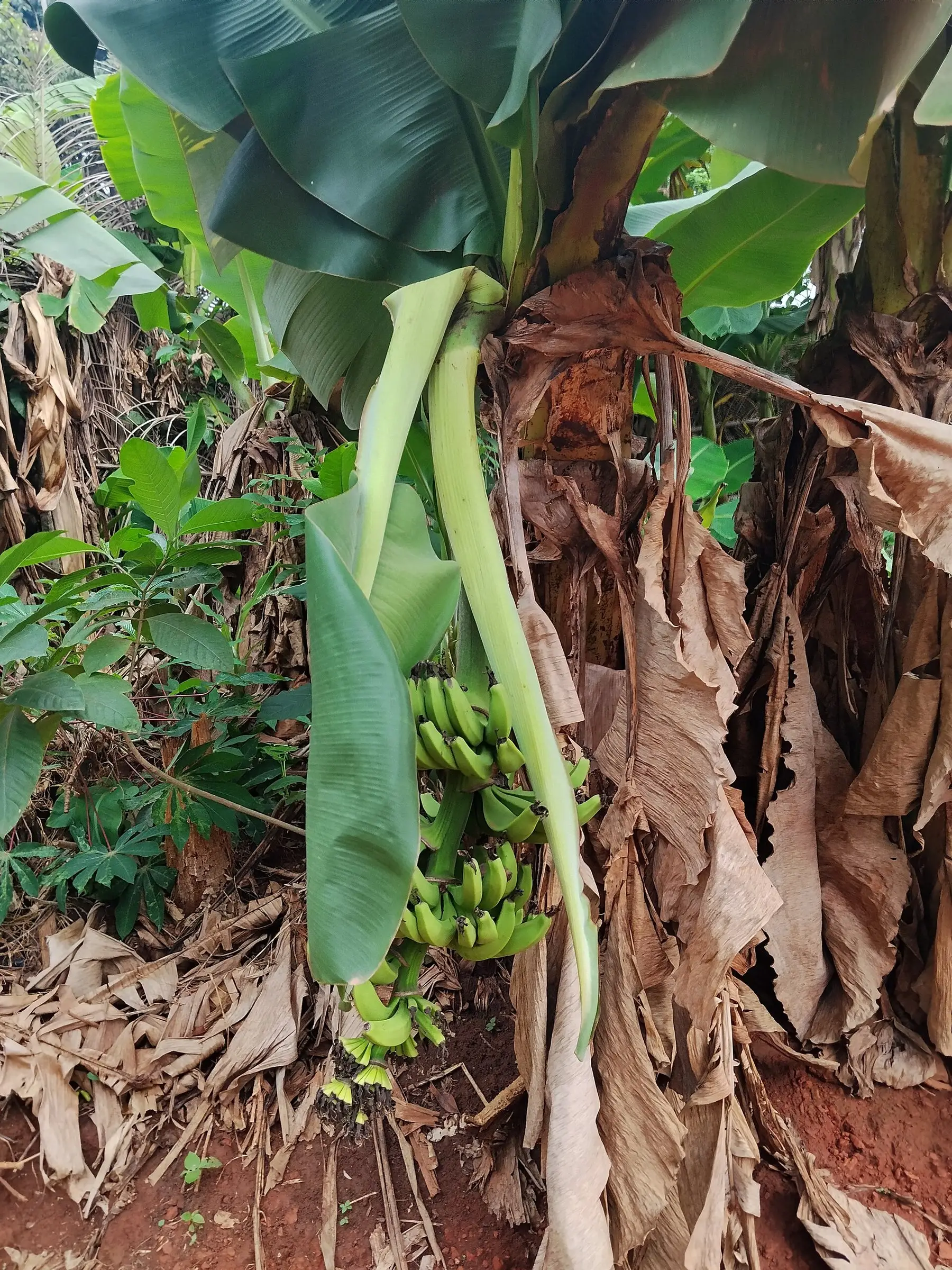
Supermarket bananas are seedless clones, so there is nothing in one to plant. What actually works is a pup or a corm — and a banana is not a tree at all.
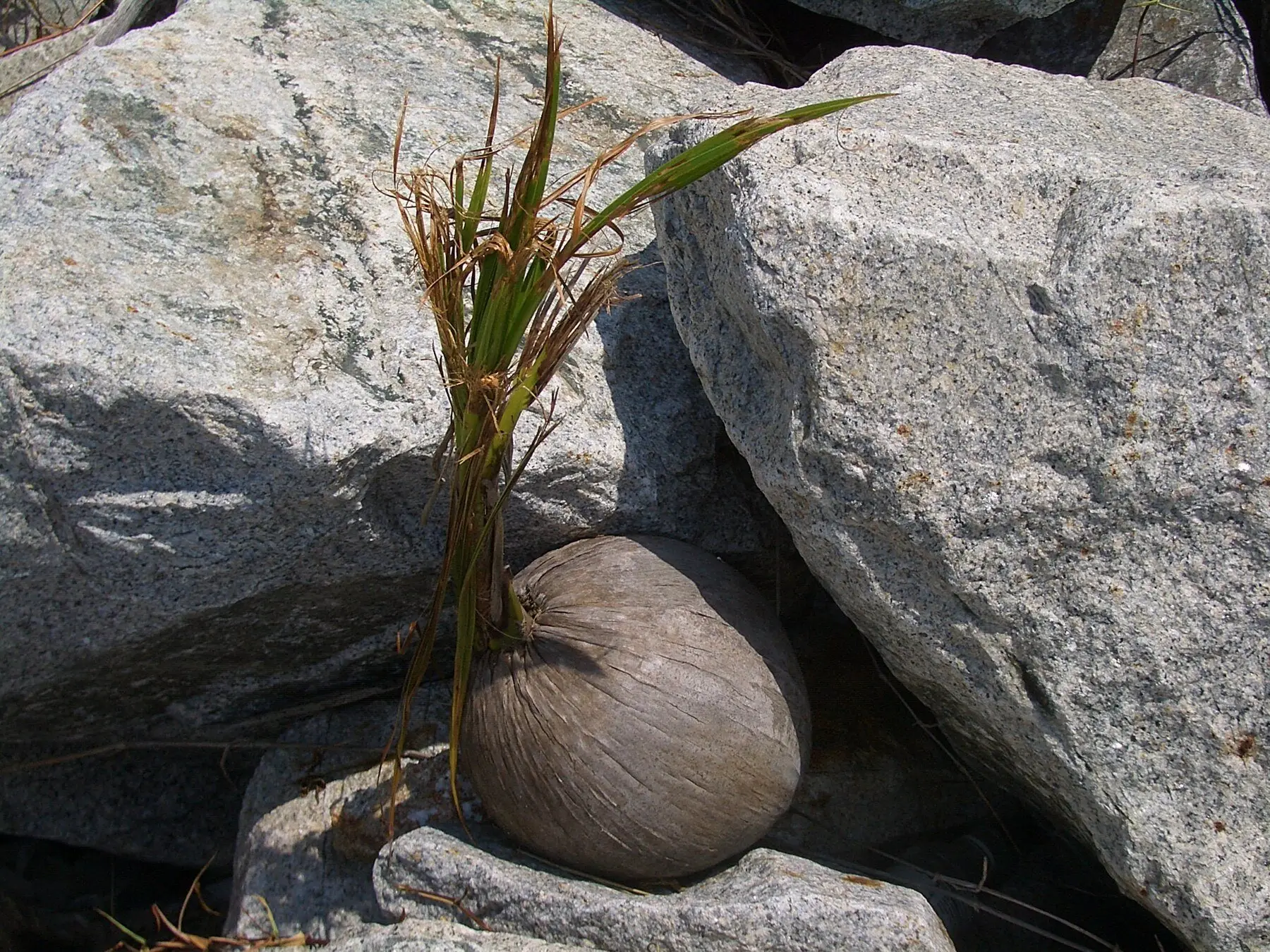
A supermarket coconut almost never sprouts, because the husk is removed. What you actually need, how to germinate it, and why it will not fruit indoors.
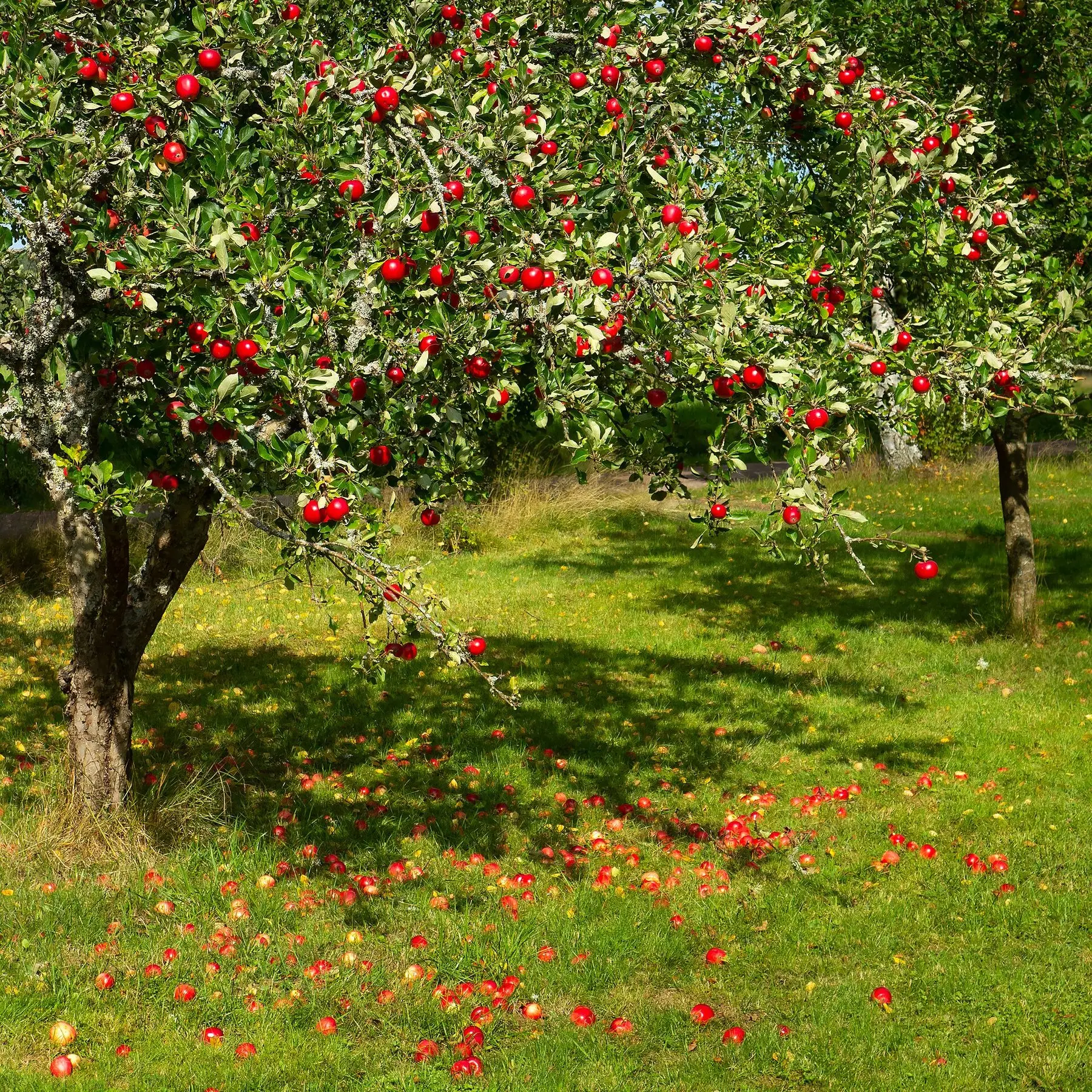
Apple seeds grow, but never into the apple you ate — every seed is a new variety. How to germinate them anyway, and what you will actually get.
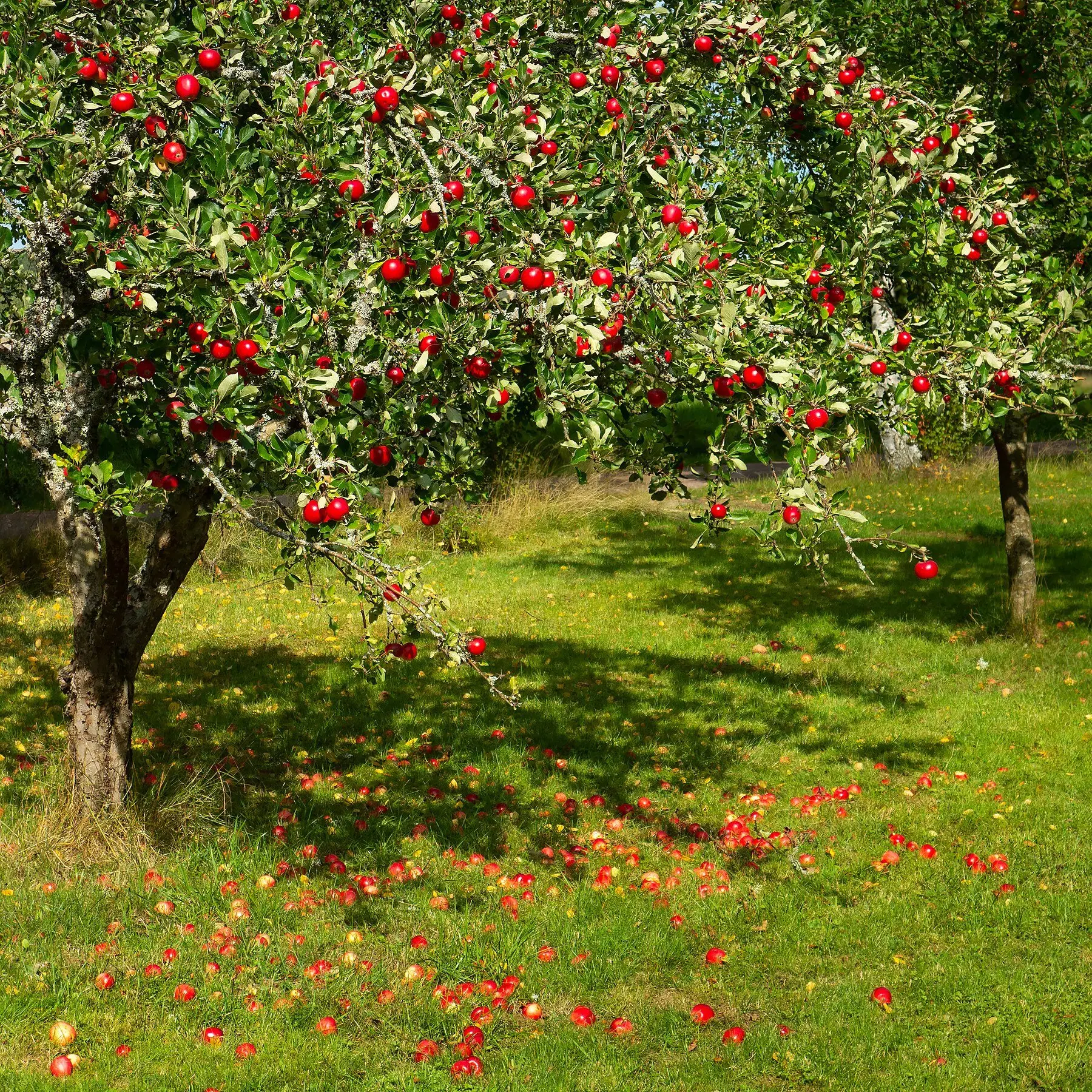
Two decisions made at purchase set the size of the tree and whether it ever fruits. Rootstock codes, flowering groups, and the pruning that keeps it productive.
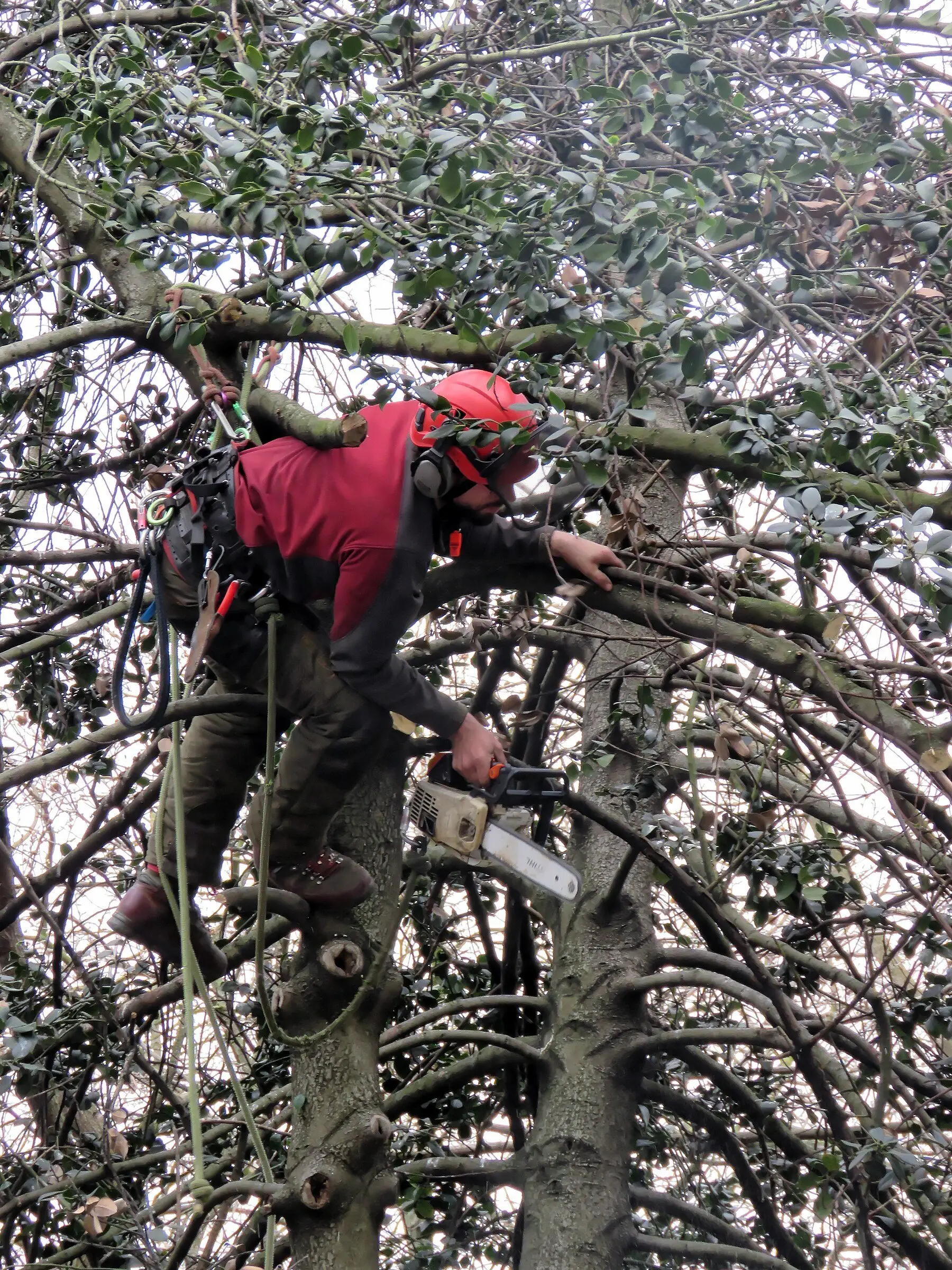
Felling is decided before the saw starts: lean, hazards, escape routes, and whether the tree is within your competence at all. Where the line is, honestly.
Backyard Weekly
One email a week: what to plant now, what to fix, and what is worth buying. No spam, unsubscribe anytime.
Not ready to subscribe? The planting calendar is free and needs no email.
By subscribing you agree to our privacy policy. Grow In Backyard will never sell your address.
Cookies
We use analytics cookies to see which guides get read, so we know what to write next. Decline and nothing is set. Privacy policy.