
Pecan Tree: Space, Pollination and the Wait for a Crop
Pecans need two compatible cultivars, 60 to 80 feet of room and a decade before a real crop. Zones, type I and II pollination, and alternate bearing.
 By

On this page
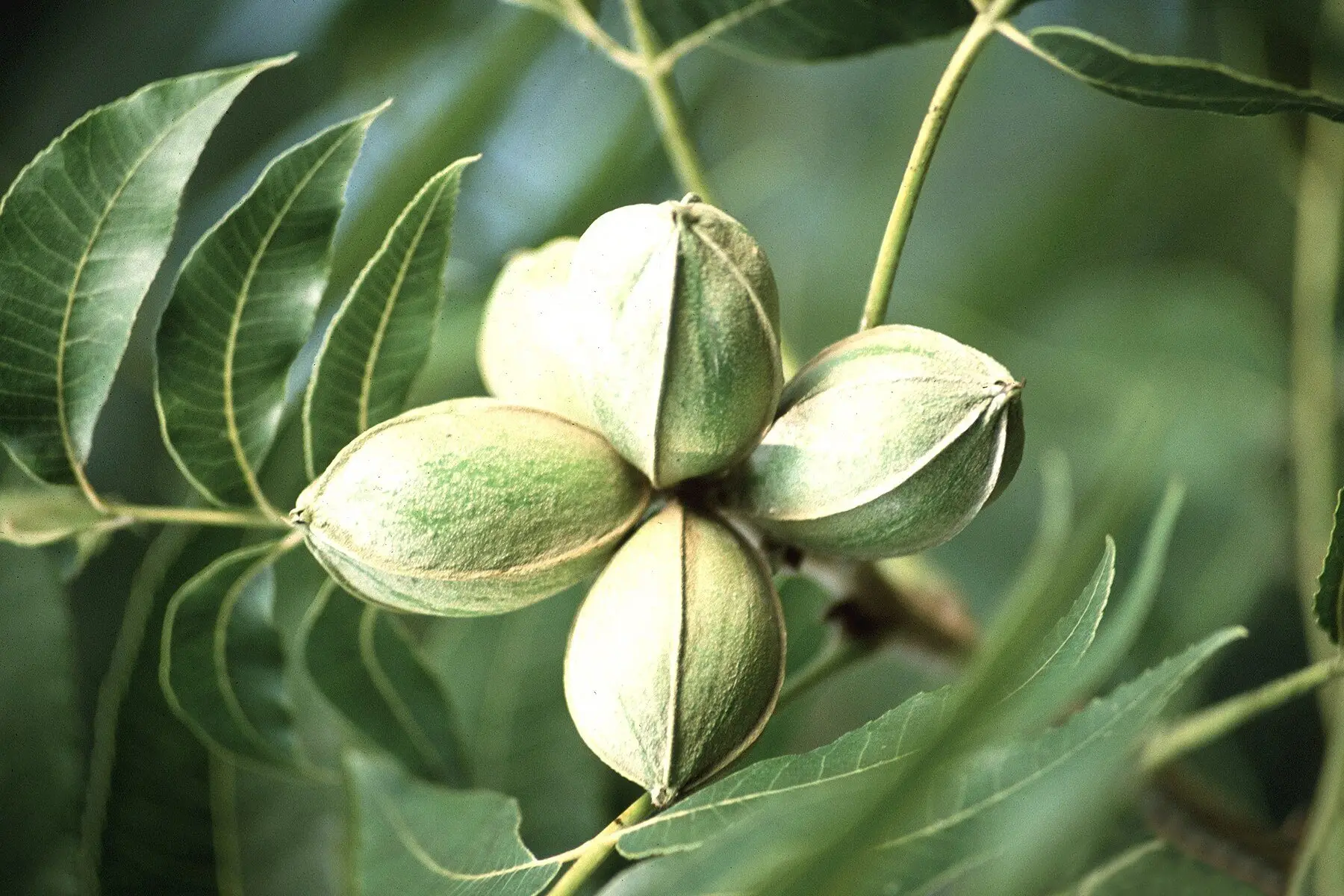
A pecan is a hundred-year decision made in an afternoon. It wants 70 feet of air, a partner for pollination, and about a decade before it gives you anything.
Pollination, which is the part people get wrong
Pecans are monoecious — male catkins and female flowers on the same tree — and that misleads people into buying one. The trap is dichogamy: the two sexes are not ready at the same time on the same tree.
| Type | Also called | Sheds pollen | Female flowers receptive |
|---|---|---|---|
| Type I | Protandrous | Early | Later |
| Type II | Protogynous | Later | Early |
A type I tree is shedding pollen while its own flowers are not yet ready; a type II is receptive before its own pollen appears. One of each covers both windows.
| Cultivar | Type | Scab resistance | Notes |
|---|---|---|---|
| Pawnee | I | Moderate | Early ripening — the northern choice |
| Kanza | II | Good | Cold-hardy, small nut, alternates little |
| Desirable | I | Poor | Big nut, southern, scab-prone |
| Elliott | II | Very good | Small nut, heavy cropper, humid-region pick |
| Stuart | II | Moderate | The old southern standard |
| Major | I | Good | Cold-hardy, reliable pollenizer |
A workable northern pair: Pawnee (I) with Kanza (II). A workable humid-southeast pair: Elliott (II) with a scab-tolerant type I such as Major.
Do not plant a seedling and hope
A pecan grown from a nut is a lottery ticket. It will not come true to the parent, the nuts are usually small and thin-fleshed, and it takes fifteen to twenty years to find out.
Buy a grafted tree of a named cultivar. It is the difference between a decade and two, and between known nuts and unknown ones.
Space, honestly
| From | Distance |
|---|---|
| Another pecan | 60–80 ft |
| House, garage, drive | 40–50 ft minimum |
| Septic field, drains | 40 ft+ |
| Anything parked | Well clear — limbs drop in storms |
| A pollen partner | Within 150 ft, and closer is better |
Pecans are brittle. Ice storms and summer squalls take large limbs out of mature trees routinely, and the wood is heavy. Siting one over a driveway is a decision you live with for fifty years.
They also cast dense shade and drop shucks, leaves and nuts over a long autumn. Grass under a mature pecan is a losing battle.
Planting one
When: dormant season — late winter to very early spring in most of the range, autumn in the deep south.
The taproot is the whole job. A young pecan puts its energy into a deep taproot before it does anything visible on top, and that root is easily wrecked at planting.
- Dig deep rather than wide — a bare-root pecan needs a hole that takes the taproot straight down without bending or coiling it.
- Do not amend the backfill. Native soil, returned as it came out. Enriched backfill keeps roots circling inside the hole.
- Plant at the same depth the tree grew at, with the graft union above soil level.
- Water deeply and keep it watered through the first two summers. Drought in year one kills more young pecans than cold does.
- Cut the top back by a third to a half on a bare-root whip at planting. It looks brutal and it is correct — it rebalances a top the damaged root cannot yet support.
- Mulch a wide ring, not a volcano against the trunk, and keep grass off the root zone for several years. Turf out-competes a young pecan badly.
Zinc is the deficiency to know about
Pecans are unusually zinc-hungry, and a shortage shows as small, crinkled, yellow-mottled leaves with shortened growth between buds — “rosetting”. It is common on alkaline soils.
Confirm it with a leaf analysis rather than guessing, then correct with foliar zinc in spring. Soil-applied zinc does very little on high-pH ground.
The crop, and the wait
| Years from planting | What happens |
|---|---|
| 1–3 | Very little on top. Root establishment |
| 4–6 | Real canopy growth; a few nuts possible |
| 6–10 | First useful crop on a grafted cultivar |
| 12–15 | Full production begins |
| 20+ | Mature yields, alternating heavy and light |
Alternate bearing starts as soon as the tree crops properly. A heavy year drains the reserves that set next year’s flower buds, so a light year follows. It is characteristic of the species, not a problem to solve, and thinning a 70-foot tree is not realistic.
What genuinely moderates it:
- Water through nut fill — August and September are when the kernel forms, and drought then costs the crop outright
- Nitrogen and zinc to leaf-test rather than by habit
- A cultivar that alternates less, such as Kanza or Elliott
Harvest
- Nuts ripen October into December, depending on cultivar and region
- The shuck splits open and the nut drops — that is the signal, not colour
- Shake or pole the limbs, or let them fall and gather every few days
- Beat the squirrels and the damp. Nuts left lying go mouldy, and squirrels will clear a young tree entirely
- Cure in a single layer somewhere dry and airy for about two weeks, then store cold. In-shell pecans keep months in a fridge and years in a freezer
Problems worth planning for
- Pecan scab — olive-black lesions on leaves and shucks; the main disease in humid regions, and the reason cultivar choice matters more than any spray you will realistically apply
- Pecan weevil — grubs inside the nut, most damaging in the southeast
- Aphids and sooty mould — sticky honeydew on everything beneath the canopy
- Webworm — alarming silk tents on branch ends, mostly cosmetic on a large tree
- Squirrels and crows — the harvest competition you will not win entirely
Is it the right tree?
Yes if you have an acre or more, live in zone 6 to 9 with a genuinely hot summer, can plant two, and are content to wait a decade.
No if you want nuts this decade on a suburban plot. There is no dwarf pecan worth planting and no way to keep one small — a hard-pruned pecan is a large tree that fruits badly rather than a small tree that fruits well.
Common questions
How long does a pecan tree take to produce nuts?
Do you need two pecan trees to get nuts?
How much space does a pecan tree need?
What growing zone do pecans need?
Why does my pecan tree produce heavily one year and nothing the next?
What is the black spotting on my pecan leaves and shucks?
Backyard Weekly
Know what to plant, week by week
Join the weekly email for seasonal jobs, fixes for what is going wrong, and gear worth buying.
Not ready to subscribe? The planting calendar is free and needs no email.
By subscribing you agree to our privacy policy. Grow In Backyard will never sell your address.
Keep reading
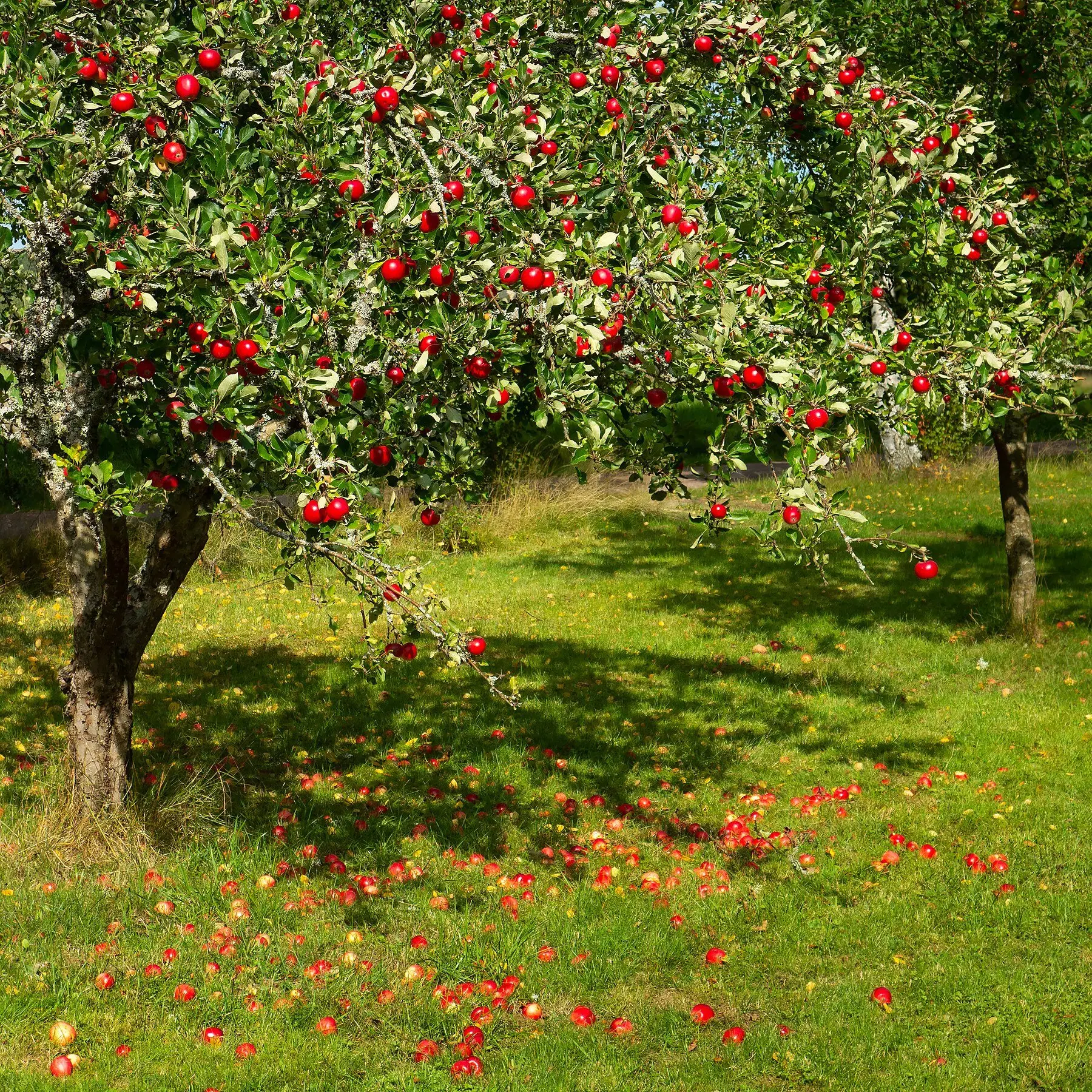
How to Grow Apple Trees: Rootstock and Pollination First
Two decisions made at purchase set the size of the tree and whether it ever fruits. Rootstock codes, flowering groups, and the pruning that keeps it productive.
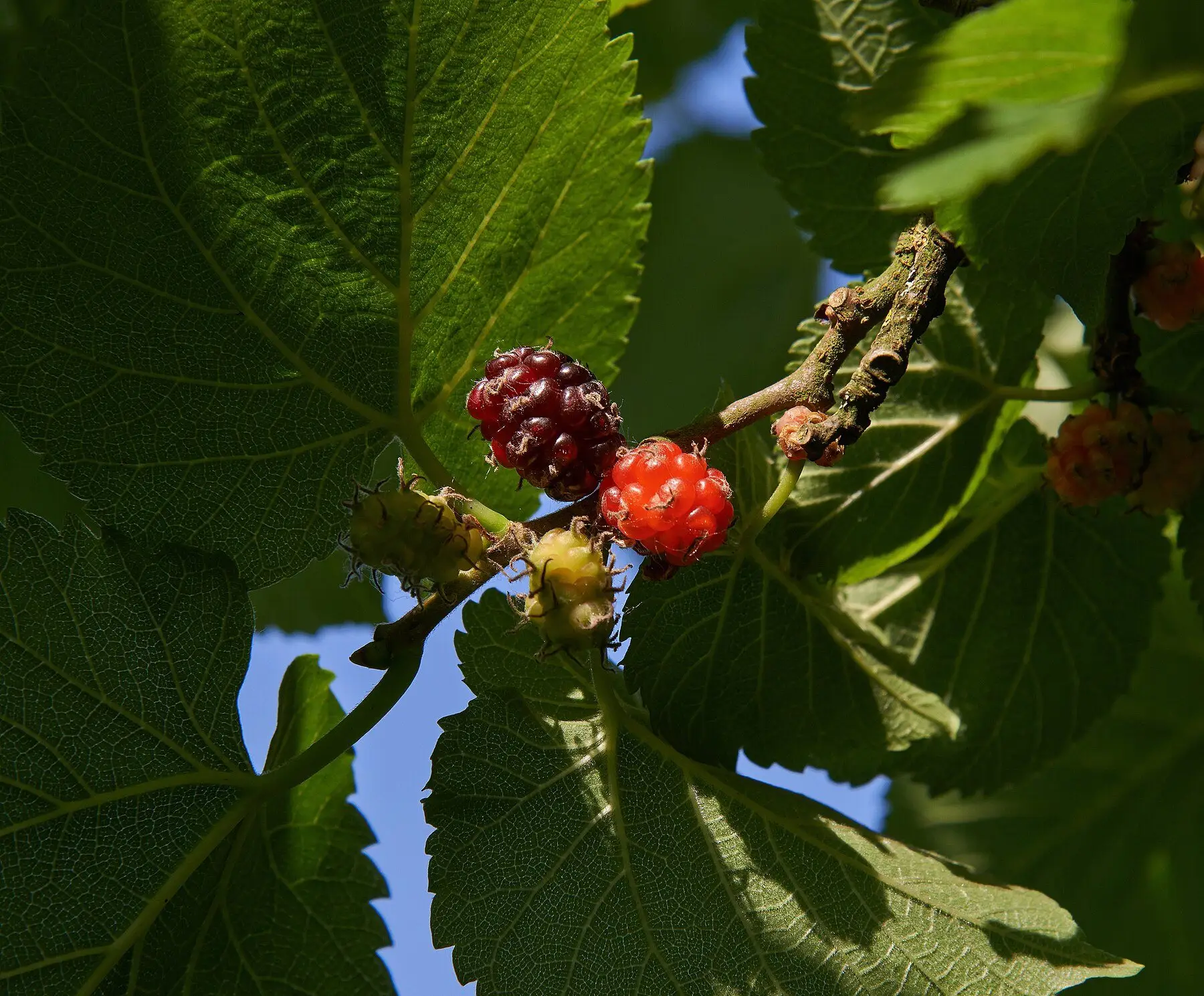
Mulberry Tree: Which to Plant, and the Staining Problem
Mulberries crop heavily within a few years and stain everything under them. Choosing a species, siting it away from paths, and the fruitless myth.
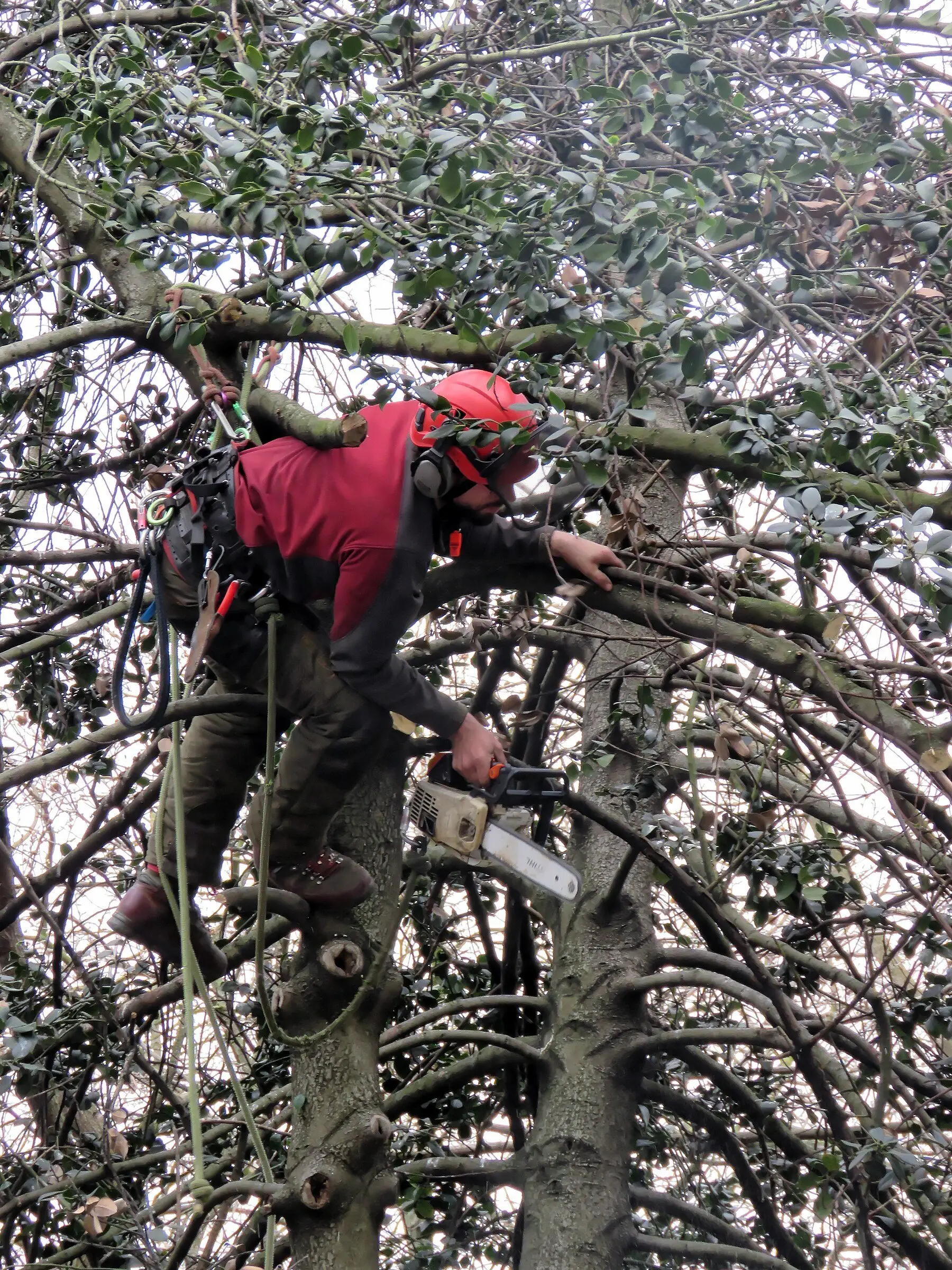
How to Cut a Tree Down, and When Not to Try
Felling is decided before the saw starts: lean, hazards, escape routes, and whether the tree is within your competence at all. Where the line is, honestly.
Red Maple Growth Rate: 13 to 24 Inches a Year
A red maple adds 13 to 24 inches a year in good conditions, reaching 40 feet in about 20 years. Soil moisture is the lever that decides where in that range.