
Can You Grow a Peach Tree From a Pit? Yes, With Catches
A peach pit will sprout and make a tree, and it is easy. What it will not reliably make is the peach you ate. Here is why, and how to do it anyway.
 By
On this page
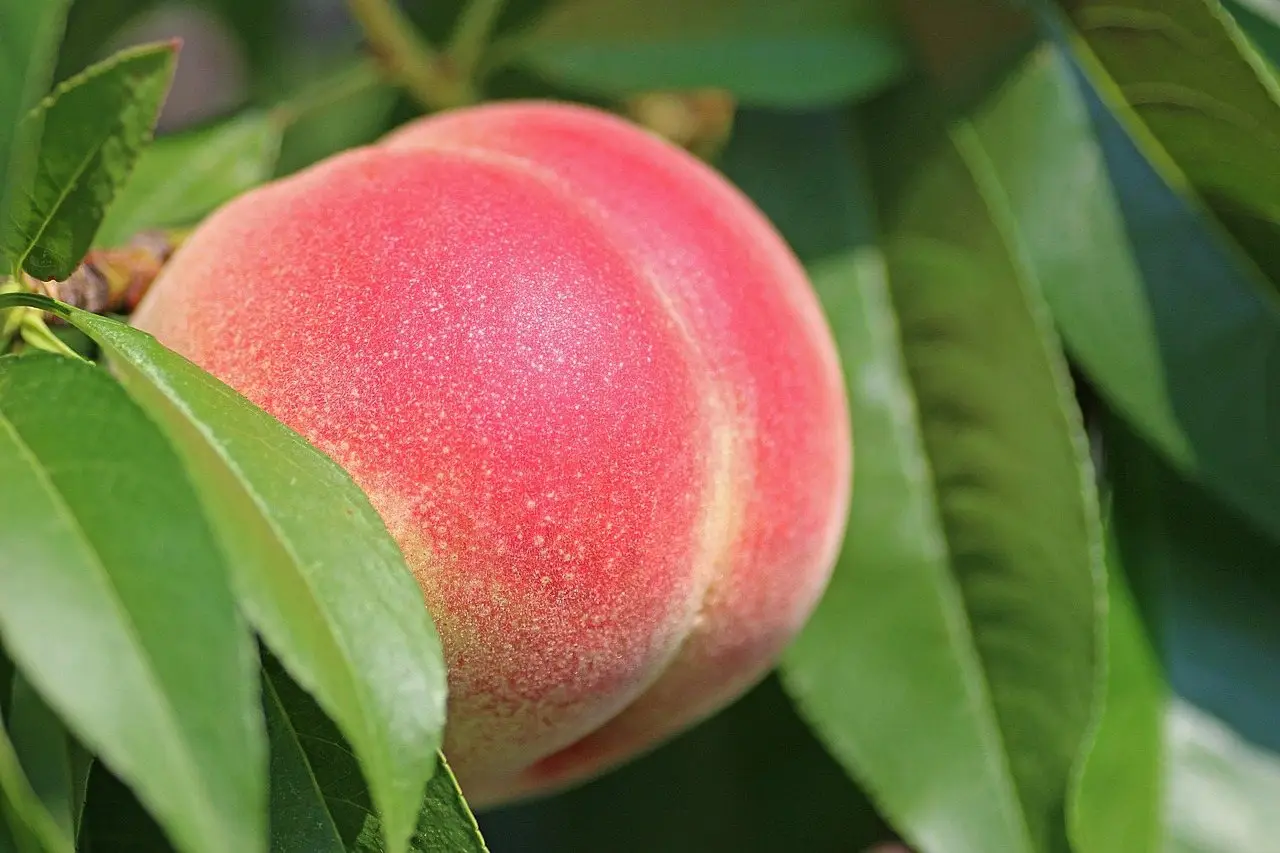
Yes. A peach pit sprouts readily and makes a real tree, faster than almost any other stone fruit you could try this with. What it will not make is the peach you ate.
The first catch: it will not be the same peach
This is the part worth understanding before you spend four years on it.
A named peach — Redhaven, Elberta, whatever the label said — is a clone. Every tree of that variety is a graft traced back to one original seedling, which is why a Redhaven in Ohio tastes like a Redhaven in Spain.
A seed is not a clone. It is a new individual, carrying a reshuffled half of each parent’s genes. The peach you plant is the result of a flower pollinated by whatever pollen reached it, and the seedling expresses a new combination.
Peach is a kinder lottery than most
Peach is largely self-pollinating and modern varieties share a fairly narrow gene pool, so seedlings often resemble their parent more closely than, say, an apple seedling does — apple seedlings are reliably awful. Peach seedlings are variable: some are genuinely good, many are smaller and later-ripening, a few are fibrous and bland.
You are not guaranteed a bad peach. You are guaranteed an unknown one.
The second catch: the pit may be dead
Commercial peaches are picked firm for shipping, and a peach picked before full ripeness often has an immature embryo inside the stone. Canning clingstones are the worst offenders. Cold storage and some post-harvest treatments finish off the rest.
Crack one open and look. A viable kernel is plump, pale and almond-like. A dead one is shrivelled, brown, or hollow.
The fix is simply sourcing: a tree-ripe peach from a farm stand, a neighbour’s tree, or a farmers’ market gives dramatically better odds than one that travelled two thousand miles.
How to actually do it
| Method | Timing | Notes |
|---|---|---|
| Fridge stratification | Start any time | More control. Check monthly for mould |
| Plant outdoors in autumn | Sep–Nov | Easier, but mice and squirrels take pits |
Fridge method
Clean every scrap of flesh off the pit — residual fruit is what moulds. Let it dry a day or two, then wrap in a damp (not wet) paper towel, seal in a labelled bag, and refrigerate at roughly 1–5 °C for eight to twelve weeks.
Check it monthly. Re-dampen the towel if it has dried; discard and restart if it has gone fuzzy. You are looking for a white root tip pushing out of the hinge — that is the signal to pot it.
Outdoor method
Plant the cleaned pit about 8 cm deep in autumn, in a pot of free-draining compost left outside, or straight into a nursery bed. Winter does the stratification. Cover the pot with wire mesh, because rodents dig pits up with impressive reliability.
After germination
Seedlings grow fast — commonly 60–120 cm in their first full season. Pot on generously or plant out once the tree is established, and resist feeding heavily with nitrogen, which buys leaf at the expense of flower buds and delays fruiting.
So should you?
Two honest reasons to do it:
- It is free, easy, and takes four years you were going to spend anyway. Plant three pits, keep the best tree
- A seedling peach is on its own roots, so if it dies back to the ground it regrows as the same tree rather than as rootstock
One honest reason not to: if you want a specific peach, buy a grafted tree of that variety. A £25 nursery tree fruits in two to three years and tastes like the thing on the label. Growing from a pit is an experiment, and it is worth doing as an experiment rather than as a shortcut.
Common questions
Can you grow a peach tree from a pit?
Will a peach grown from a pit taste the same as the one it came from?
Do peach pits need to be refrigerated before planting?
How long before a peach tree grown from seed produces fruit?
Why do supermarket peach pits often fail?
Should you crack the pit open before planting?
Backyard Weekly
Know what to plant, week by week
Join the weekly email for seasonal jobs, fixes for what is going wrong, and gear worth buying.
Not ready to subscribe? The planting calendar is free and needs no email.
By subscribing you agree to our privacy policy. Grow In Backyard will never sell your address.
Keep reading
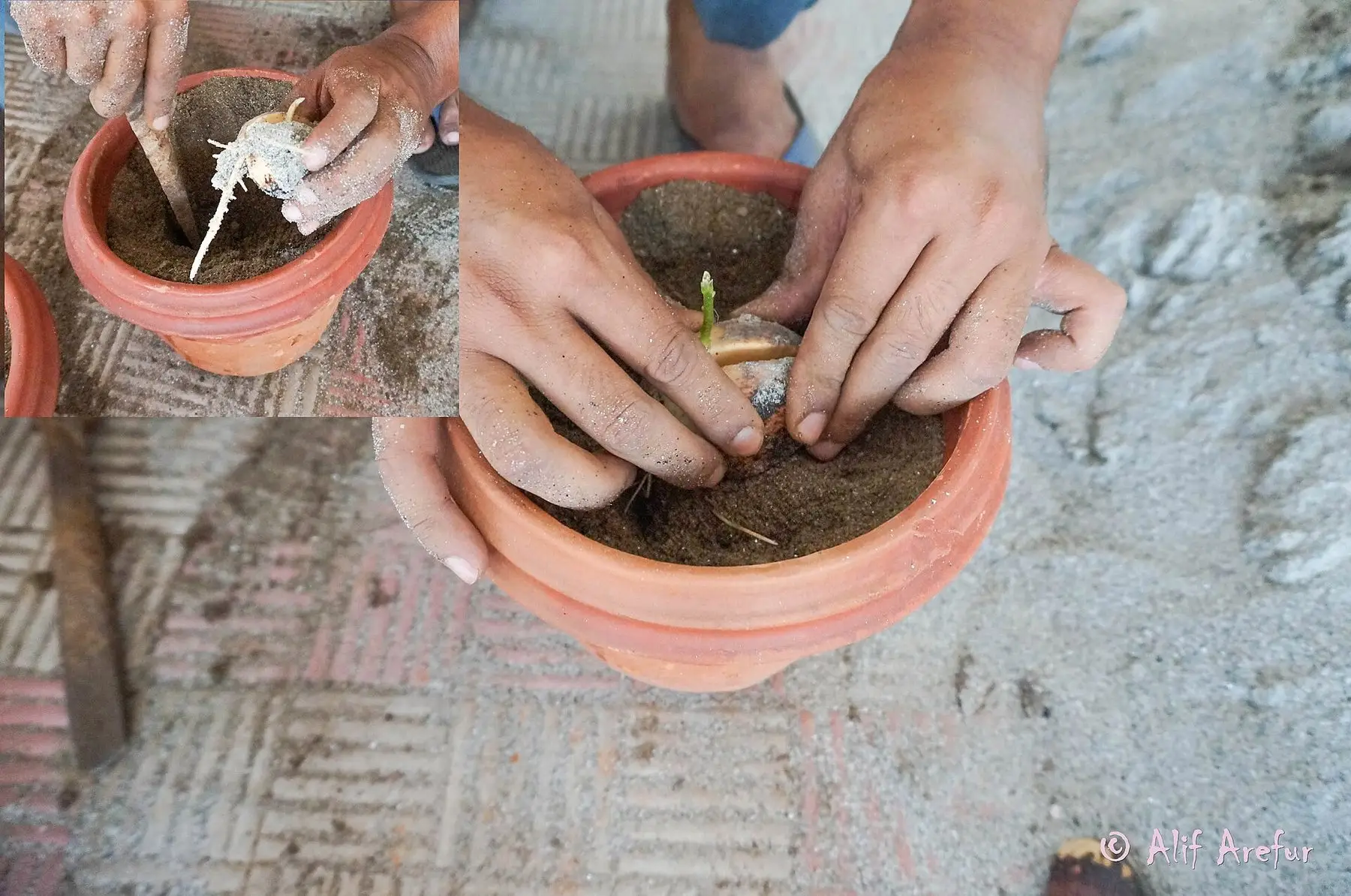
How to Grow an Avocado: From a Pit, and From a Tree
A pit sprouts easily and almost never fruits. What the toothpick trick produces, why grafted trees exist, and the A/B flowering quirk that decides pollination.
How Long Do Maple Trees Live? 80 to 300 Years by Species
Maple lifespan depends almost entirely on species: silver maple 60–100 years, red maple 100–150, sugar maple 200–300. Where yours actually sits.
How to Grow a Tree From a Branch: Which Species Root
Willow, poplar and fig root from a cut branch pushed into the ground. Oak, maple and most fruit trees will not. The split, and the method for each.
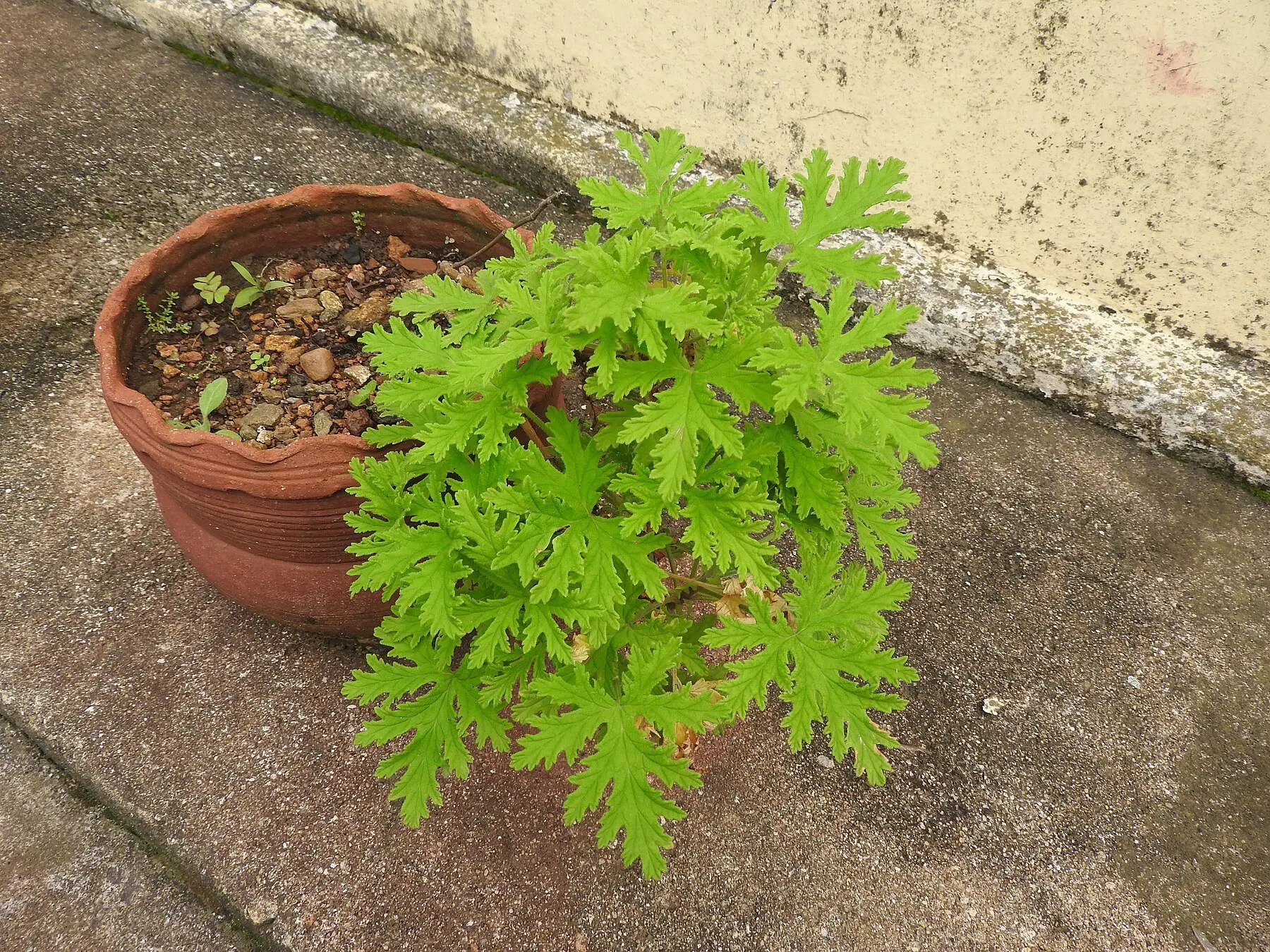
Citronella Plant: What It Is, and Whether It Repels Anything
The plant sold as citronella is a scented geranium, not the grass the oil comes from. What each one is, how to grow it, and the honest mosquito answer.