
Beech Tree Bark: How to Identify It and What Damages It
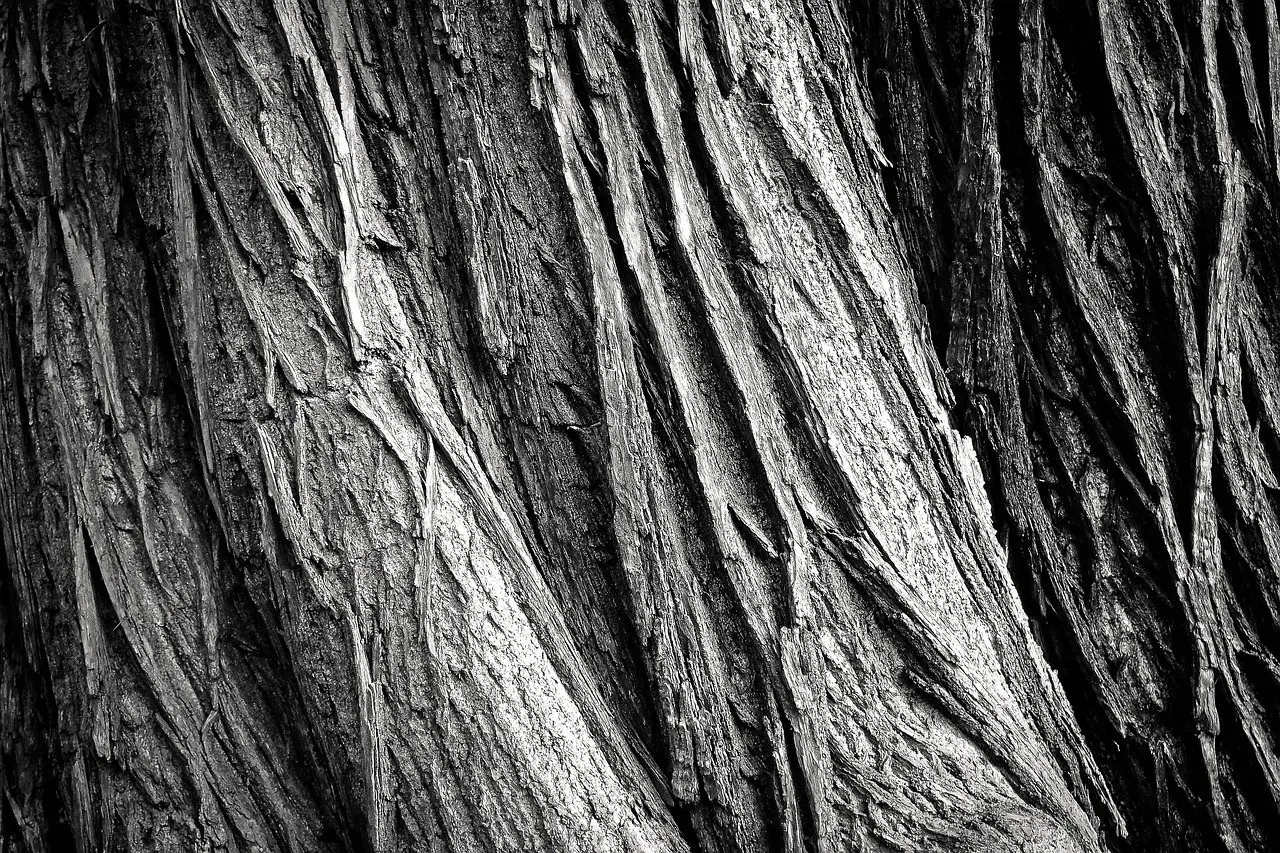
Smooth grey bark that stays smooth for two centuries is the giveaway. It is also unusually thin, which is why beech is easily killed by carving and sun.
 By
On this page
Smooth, thin and pale grey, staying smooth for two hundred years. That is both how you identify a beech and why it is so easily damaged.
Identifying it
| Tree | Bark | Leaf |
|---|---|---|
| Beech | Smooth, pale grey, stays smooth | Wavy edge, hairy fringe when young |
| Hornbeam | Smooth but fluted, sinewy, muscular | Sharply double-toothed, pleated veins |
| Oak | Deeply fissured, blocky | Lobed |
| Ash | Smooth when young, fissured with age | Compound, opposite |
| Birch | Peeling, white or silver | Small, triangular, toothed |
Other beech signs: dense shade beneath it with almost nothing growing, a thick carpet of slow- rotting leaves, spiky husks holding triangular nuts in autumn, and long pointed copper-coloured buds in winter.
Why it stays smooth, and what that costs
Most trees shed and crack their outer bark as the trunk expands. Beech keeps a long-lived outer layer that stretches instead — which is why a 200-year-old beech can still be smooth enough to write on.
The price is thickness. Beech bark is only a few millimetres on much of the trunk, against the deep corky armour of an oak. That makes it unusually vulnerable to:
- Physical damage — strimmers, mowers, ropes, vehicles
- Sunscald, when a neighbouring tree that shaded the trunk is removed
- Insects and fungi, which have little to penetrate
- Carving, which cuts straight through to living tissue
Carved initials never heal — they grow
A wound in beech bark does not close over cleanly. As the trunk expands, the scar expands with it, so initials cut by somebody in 1970 are now several times the size and still an open route for decay.
It is also the tree people most often carve, because the bark invites it.
Beech bark disease
A two-stage problem that has killed large numbers of American beech and affects European beech too.
- Beech scale insect colonises the trunk — a white, waxy, woolly coating
- Its feeding punctures the thin bark
- Neonectria fungi enter through those wounds
- Cankers form, killing patches of bark and the wood beneath
- The trunk is girdled over years, and the crown dies back
Signs to look for: white woolly patches on the trunk, weeping or sunken cankers, rough blistered areas interrupting otherwise smooth bark, and thinning in the crown.
There is no practical cure for a mature infected tree. Reducing other stresses, avoiding compaction and mechanical damage around the base, and not moving infected wood are the realistic responses.
Looking after a beech in a garden
- Keep mowers and strimmers well away from the trunk — use a mulch ring instead
- Do not remove a sheltering neighbour abruptly; the exposed bark can scald
- Avoid compaction over the root plate, which extends well beyond the canopy
- Do not pile soil against the base
- Leave the leaf litter where you can. Beech recycles its own mulch
Common questions
How do you identify a beech tree by its bark?
Why is beech bark so smooth?
How do you tell beech from hornbeam?
What is beech bark disease?
Does carving into beech bark harm the tree?
Backyard Weekly
Know what to plant, week by week
Join the weekly email for seasonal jobs, fixes for what is going wrong, and gear worth buying.
Not ready to subscribe? The planting calendar is free and needs no email.
By subscribing you agree to our privacy policy. Grow In Backyard will never sell your address.
Keep reading
When to Harvest Okra: The Three-Day Window That Decides It
Pick pods at 2–4 inches, every day or two. Past about four days they turn woody, and leaving one on the plant slows everything that follows.
Tree Sprouts in Lawn: Why They Appear and How to Stop Them
Shoots coming up across a lawn are usually root suckers from one living tree, not seedlings. Which they are decides whether mowing ever ends it.
Firewood Moisture Content Chart: Seasoning Times by Species
Dry firewood is under 20 per cent moisture. Here is what each species starts at, how long it takes to get there, and how to check without guessing.
Can You Grow a Peach Tree From a Pit? Yes, With Catches
A peach pit will sprout and make a tree, and it is easy. What it will not reliably make is the peach you ate. Here is why, and how to do it anyway.