
Jasmine: Which One You Have, and Getting It to Flower
Half the plants sold as jasmine are not jasmine. How to tell them apart, which are hardy, and the pruning mistake that costs a season of flower.
 By

On this page
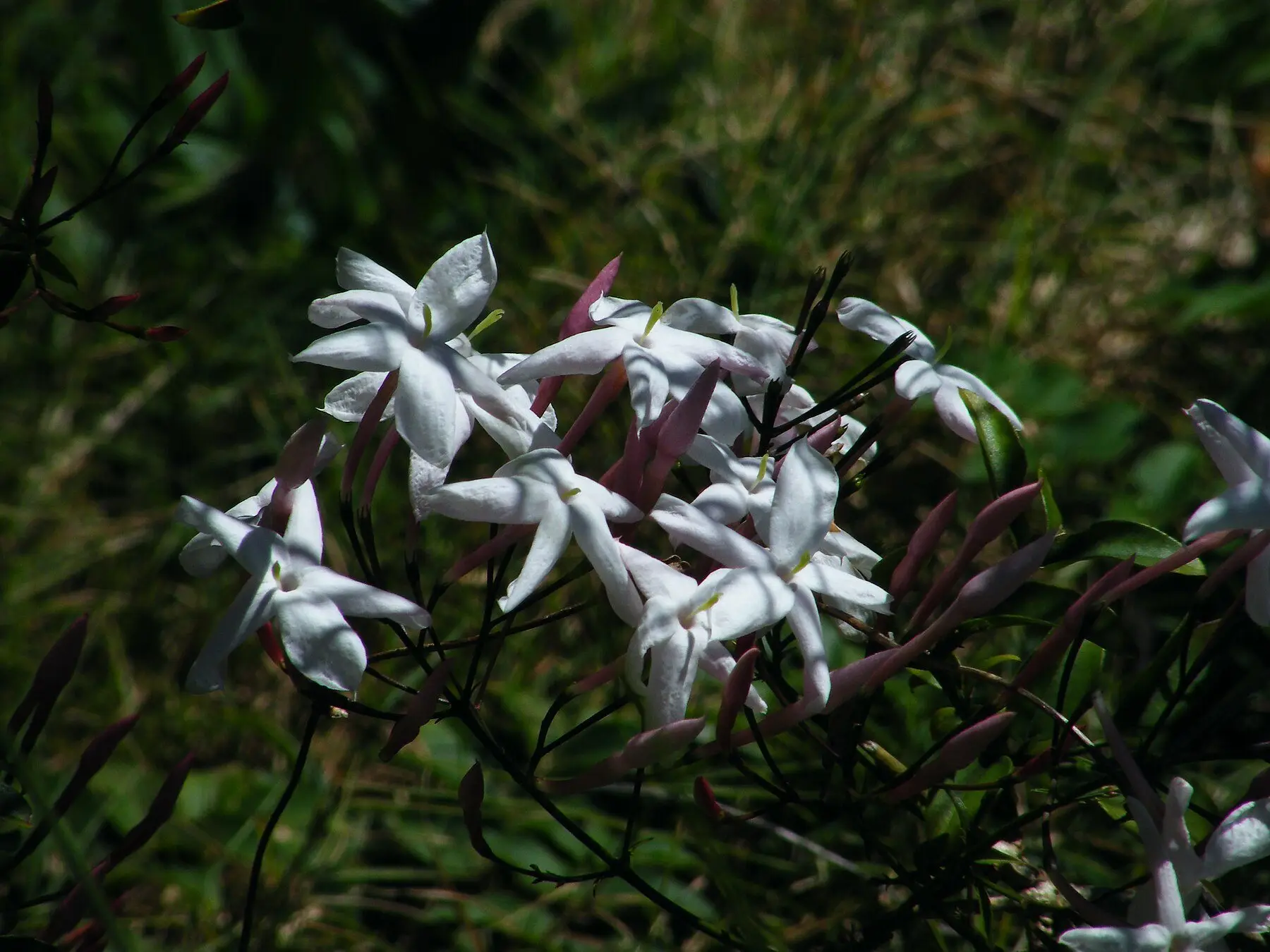
More plants are sold as “jasmine” than are actually jasmine — and the impostors need different care, one of them is seriously poisonous, and the commonest failure is pruning at the wrong moment.
Which one do you have?
| Plant | Genus | Hardy to | Scent | Notes |
|---|---|---|---|---|
| Common / poet’s | Jasminum officinale | Zone 7 | Strong | The classic summer climber, white |
| Arabian / tea | Jasminum sambac | Zone 9 | Intense | Tender. Scents jasmine tea |
| Winter jasmine | Jasminum nudiflorum | Zone 6 | None | Yellow, on bare stems in midwinter |
| Star / confederate | Trachelospermum | Zone 8 | Strong | Not a jasmine. Evergreen, shade-tolerant |
| Asiatic jasmine | Trachelospermum asiaticum | Zone 7 | Slight | Groundcover, rarely flowers |
| Carolina jasmine | Gelsemium | Zone 7 | Sweet | Not a jasmine. Poisonous throughout |
| Night-blooming | Cestrum nocturnum | Zone 9 | Overpowering | Not a jasmine. Nightshade family |
| Madagascar jasmine | Stephanotis | Zone 10 | Strong | Not a jasmine. Waxy, florist’s plant |
Carolina jasmine is not a jasmine and is genuinely dangerous
Gelsemium sempervirens is the yellow-flowered evergreen climber sold across the American southeast, and every part of it is poisonous — leaves, flowers, roots, and the nectar, which has killed livestock and is toxic to honey bees.
It is a beautiful plant and perfectly reasonable to grow deliberately. It is not a plant to assume is jasmine because the label said so, and not one to put where children graze on things.
The pruning rule, which is the whole article
Summer-flowering true jasmine flowers on last year’s wood. Cut it back in spring and you have removed the entire coming display — this is far and away the most common reason a healthy, vigorous jasmine produces nothing.
| Plant | Flowers on | Prune |
|---|---|---|
| Common jasmine (J. officinale) | Last year’s wood | Straight after flowering |
| Arabian jasmine (J. sambac) | New growth | Late winter, lightly |
| Winter jasmine (J. nudiflorum) | Last year’s wood | After flowering, in spring |
| Star jasmine | Current season’s growth | After flowering, or lightly in spring |
The practical version for common jasmine: wait until the last flower has faded, then prune. Take out dead and tangled growth, shorten what flowered, and leave the strong new shoots alone — those are next year’s flowers.
Growing it
| Sun | 6+ hours for most. Star jasmine manages part shade |
| Soil | Free-draining, moderately fertile. Not waterlogged |
| Water | Regular in the first two years, then fairly drought-tolerant |
| Feed | Low nitrogen, higher potassium. A tomato feed works |
| Support | Twining — needs wires, trellis or a frame. Star jasmine self-clings |
| Shelter | From cold drying wind, which browns evergreen foliage |
If it is all leaf and no flower, look at the feed
A lush green jasmine covering its support and producing nothing has usually been fed a general-purpose or lawn fertiliser — high nitrogen drives foliage at the expense of buds.
Switch to something potassium-rich, and stop feeding altogether from late summer so the wood ripens before winter.
In a pot
The only realistic way to grow Arabian jasmine anywhere with frost, and a good way to grow any of them on a patio.
- A large container — 12 inches across minimum — with real drainage
- Gritty, free-draining compost, not a water-retentive mix
- An obelisk or small trellis put in at planting
- More water and more feed than a plant in the ground
- Indoors before frost for tender types: bright, above 50°F, watered sparingly
- Repot every two or three years. A slightly tight pot flowers better than a roomy one
A cool winter rest — around 50–60°F — is what triggers bud set in Arabian jasmine. A plant kept in a warm living room all winter often never flowers at all, and this is a far more common cause than any failure of care.
Problems
- No flowers — pruned in spring, too shady, too much nitrogen, or too young
- Yellow leaves — over-watering or poor drainage first; then a nitrogen or iron shortage
- Brown crisp leaf edges — cold wind, or drying out in a pot
- Sticky leaves and sooty mould — aphids or scale insects
- Fine webbing indoors — spider mites, which thrive in dry heated air
- Dieback after a cold winter — normal on zone-marginal plants; cut back to live wood in spring and it usually recovers
Picking one
- A hardy scented climber, zone 7+ — common jasmine, J. officinale
- Colder than zone 7 — winter jasmine for flowers on bare stems, accepting no scent
- A wall in part shade, zone 8+ — star jasmine, easily the best choice
- Scent indoors, any climate — Arabian jasmine in a pot, with a cool winter
- Groundcover rather than a climber — Asiatic jasmine, grown for foliage
Common questions
What are the main types of jasmine?
Is star jasmine a real jasmine?
Why is my jasmine not flowering?
Is jasmine poisonous?
How much sun does jasmine need?
Can jasmine grow in a pot?
Backyard Weekly
Know what to plant, week by week
Join the weekly email for seasonal jobs, fixes for what is going wrong, and gear worth buying.
Not ready to subscribe? The planting calendar is free and needs no email.
By subscribing you agree to our privacy policy. Grow In Backyard will never sell your address.
Keep reading
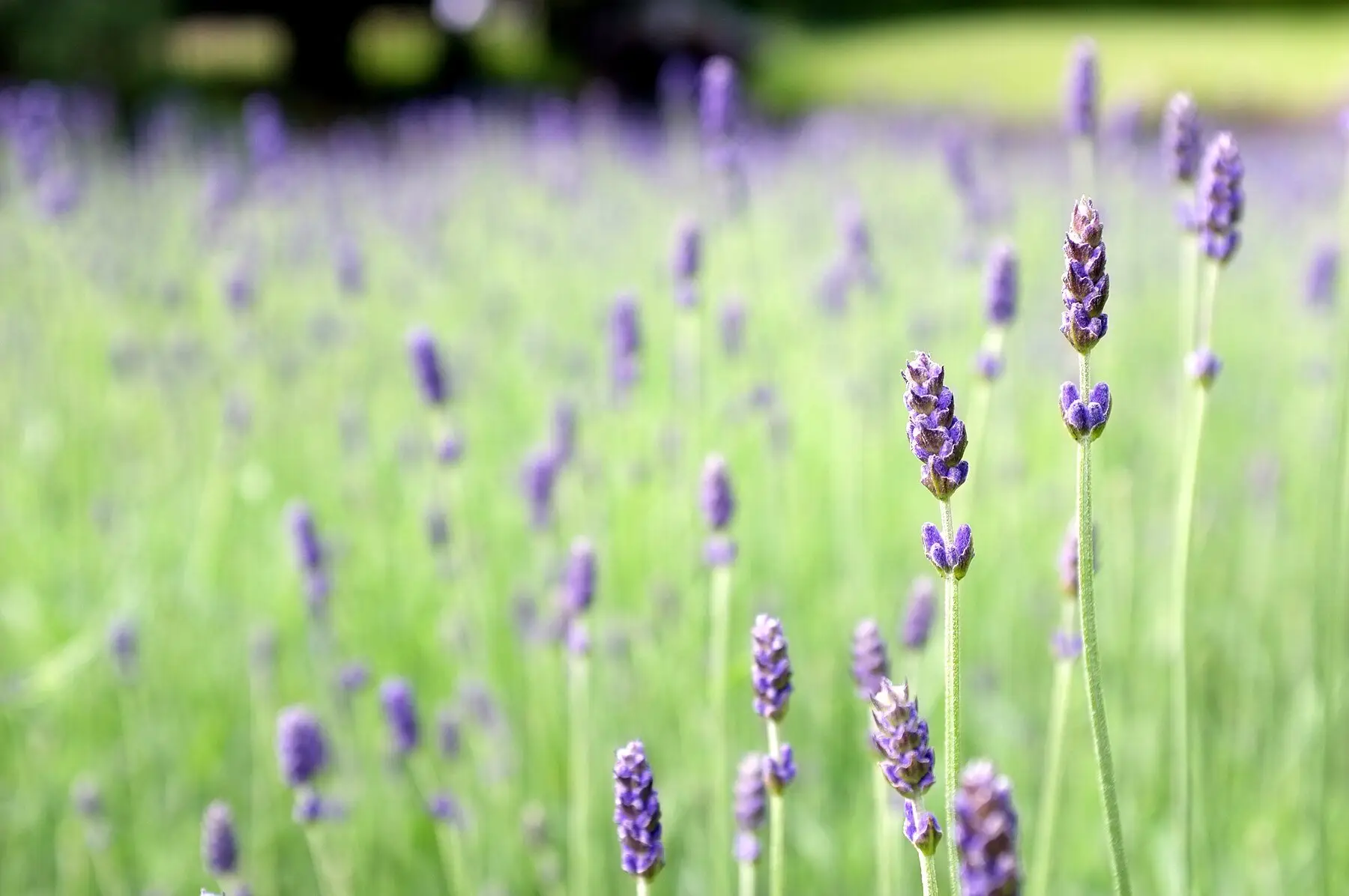
How to Grow Lavender: Drainage, Sun, and Almost Nothing Else
Lavender dies of wet feet and kindness, not cold. Which species suits your winter, why you plant it in poor soil, and the spacing that prevents rot.
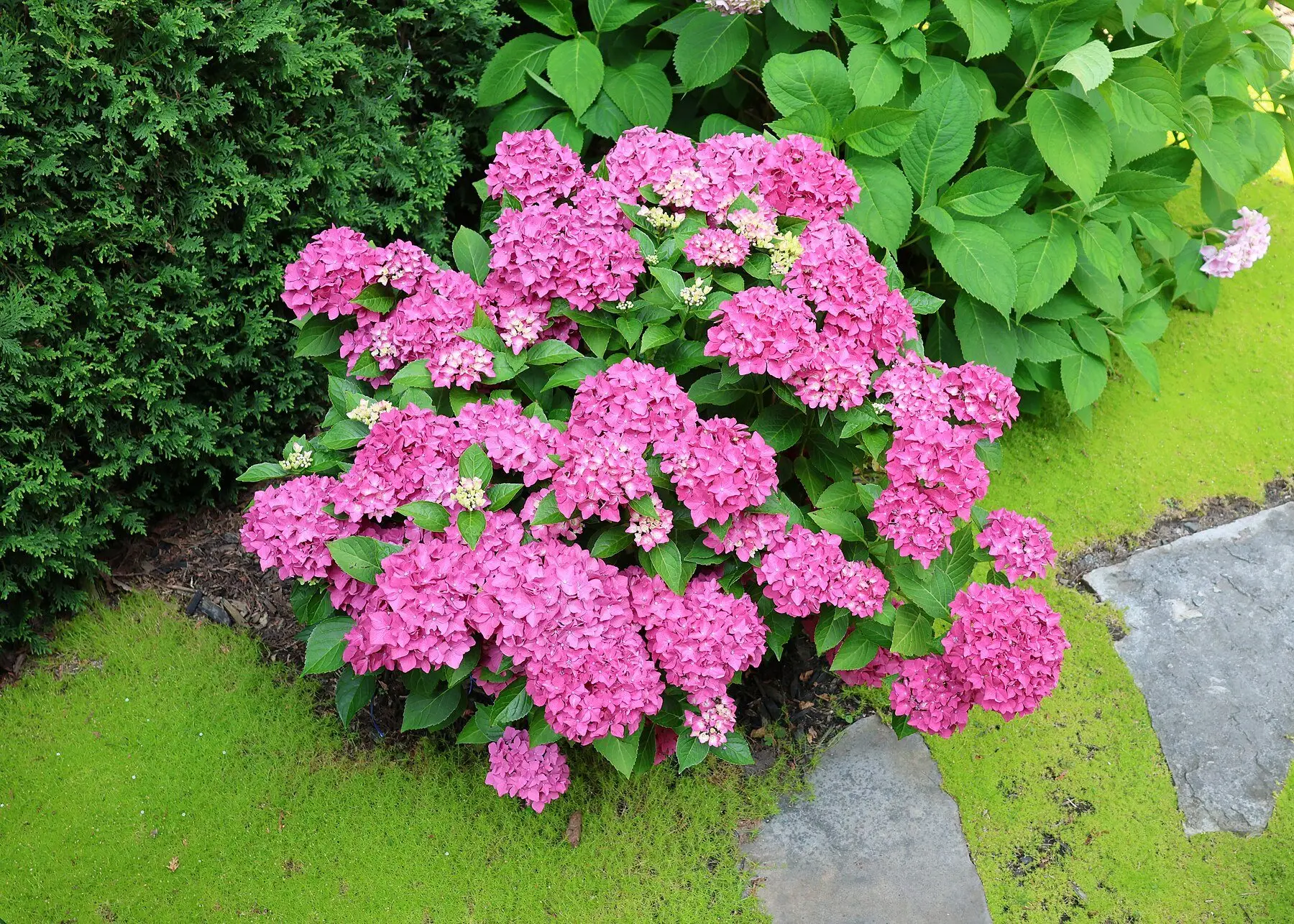
How to Grow Hydrangeas: Where to Plant and When to Prune
Morning sun, afternoon shade, and never let them dry out. Which type you have decides when to prune — and getting that wrong is why hydrangeas stop flowering.
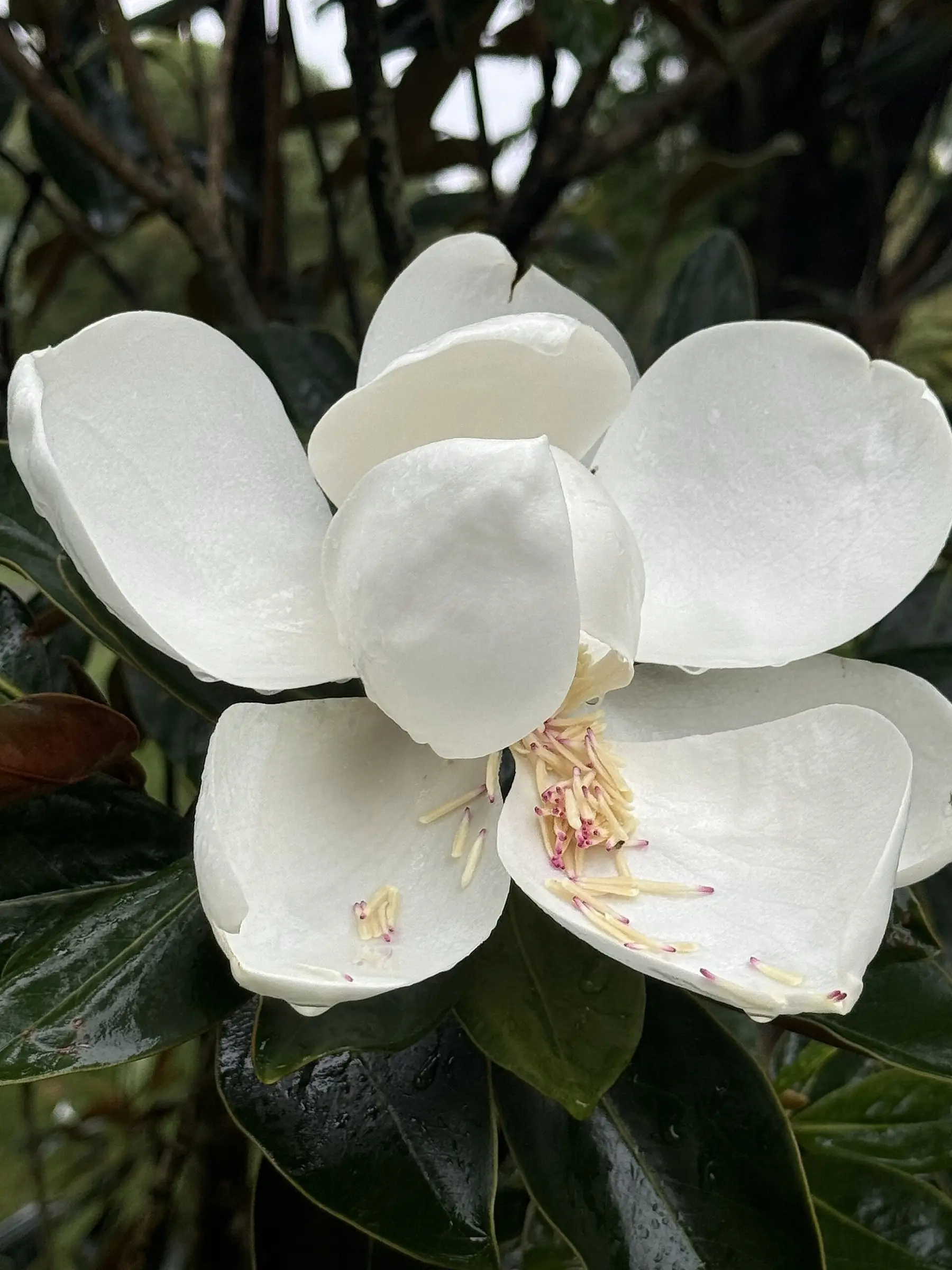
Southern Magnolia: Size It Before You Plant It
Magnolia grandiflora reaches 60 to 80 feet and drops leathery leaves all year. The cultivars that stay small, and what it needs to flower well.
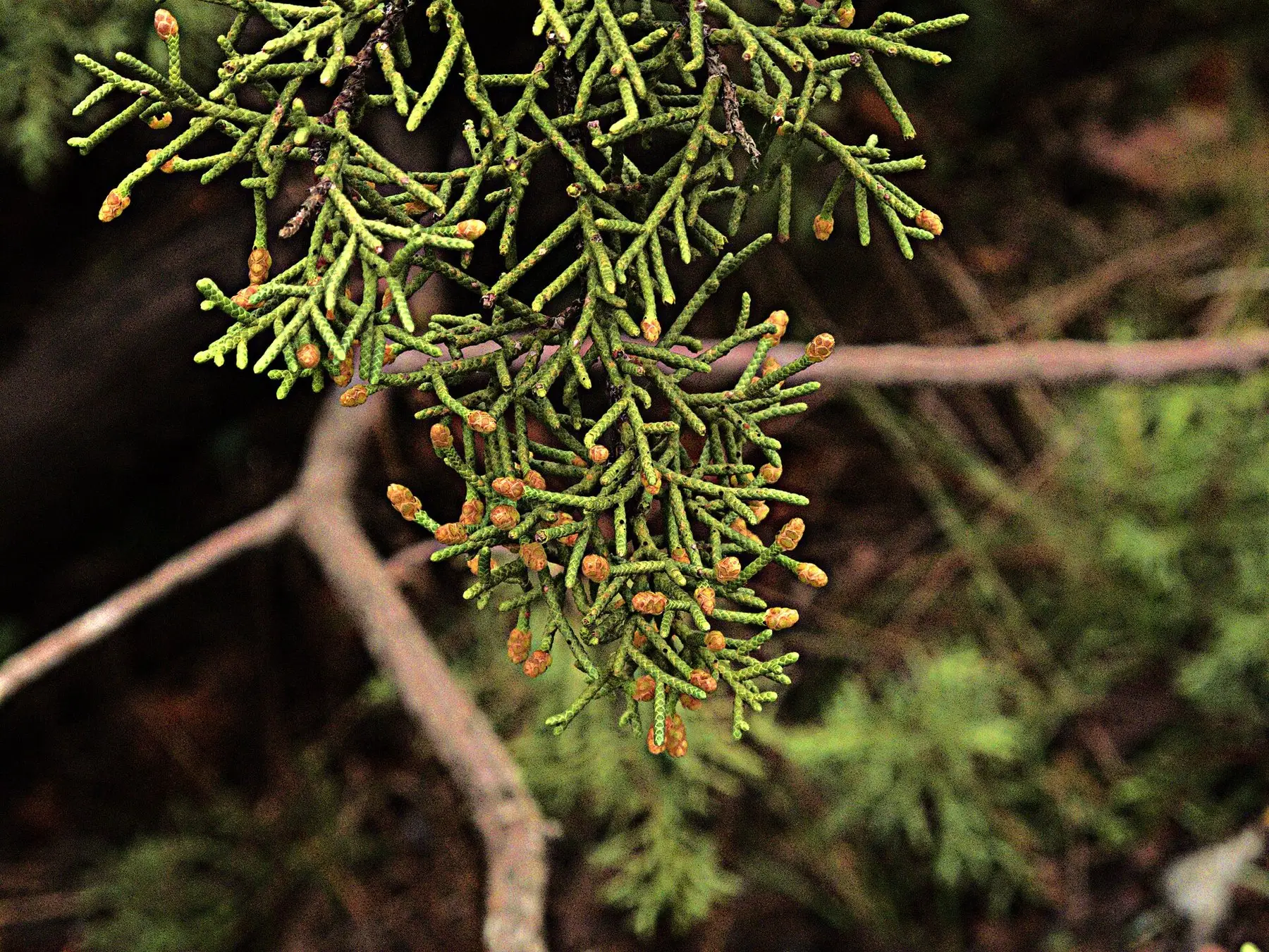
Juniper: Choosing One That Fits, and Keeping It Alive
Junipers are near-indestructible in sun and sharp drainage, and doomed in shade or wet soil. Picking a form that suits the space, and the pruning rule that matters.