
How to Grow Figs: Sun, Restraint and a Hard Prune
Figs fruit better in poor soil and a cramped root run than in a pampered bed. Planting, the two crops a year, and how far north you can push them.
 By

On this page
Figs are contrary: almost everything you would do to make another fruit tree happy makes a fig worse. Rich soil, generous feeding and plenty of root room give you a magnificent leafy tree with hardly any fruit on it.
Poor soil, cramped roots and full sun give you figs.
Two crops, and why it matters for pruning
A fig can carry two crops, and understanding which is which explains every pruning rule:
- The breba crop forms on last year’s wood and ripens in early summer. In cool climates it is often the only crop that ripens at all — and it is the one destroyed by a hard spring prune.
- The main crop forms on the current season’s new growth and ripens late summer into autumn. In hot regions this is the big one.
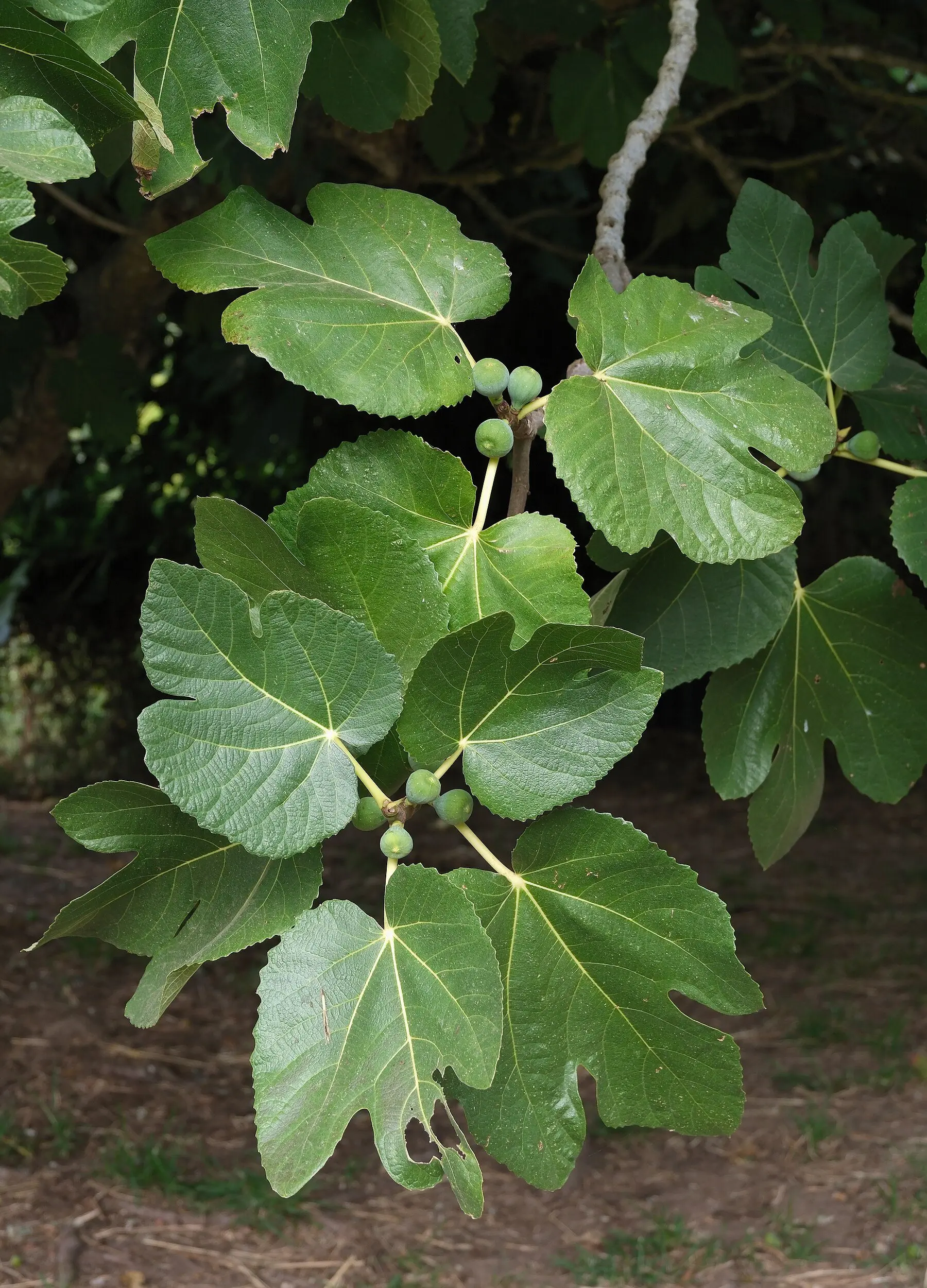
Tiny embryonic figs overwinter at the shoot tips. They look like nothing much. They are next summer’s breba crop, and frost or secateurs will take them.
Planting
Sun, and lots of it. Eight hours minimum. A south- or west-facing wall gives radiated heat overnight and is worth seeking out — it is what makes figs possible several zones further north than open ground does.
Soil that drains. Figs tolerate poor, stony, alkaline ground cheerfully. What they will not tolerate is sitting wet.
Restrict the roots if your soil is fertile. The traditional method is a pit lined with paving slabs, about 2 ft square and 2 ft deep, with rubble in the base. A large buried container does the same. In thin or stony soil, skip it — the restriction already exists.
Space 10–15 ft from buildings and other trees; the roots travel and the canopy spreads wider than people expect.
Water and feeding
Water consistently while fruit is swelling. Drought at that stage makes the tree drop its crop, and irregular watering splits the fruit that stays. A deep soak weekly beats daily sprinkling.
Feed sparingly. A high-nitrogen feed is the classic route to a leafy, fruitless tree. If anything, use a high-potassium feed — tomato feed works — from late spring, and only on container plants or genuinely poor ground.
Yellowing leaves in midsummer are usually thirst
A fig under water stress yellows and drops its lower leaves first, often while still holding fruit. Mulch heavily and water more deeply rather than more often.
Pruning
Late winter, while dormant, and restrained:
- Cut out dead, damaged, crossing wood.
- Open the centre so light and air reach the middle.
- Shorten the longest branches to keep it in bounds.
- Remove no more than a quarter of the tree in a year.
In summer, some growers pinch the growing tips after five or six leaves, which encourages the main crop to form and ripen rather than the shoot extending.
Hard renovation works — figs tolerate it — but it costs a season’s fruit. Spread it over three years instead if you can.
Fig sap burns skin in sunlight
The milky latex is a phototoxic irritant: on skin in sunshine it causes a genuine chemical burn with blistering. Wear gloves and long sleeves for any pruning, and keep it off your face.
Cold climates
Hardiness runs to roughly zone 7 for most varieties, around 15–20°F.
The roots are hardier than the top. A fig frozen to the ground frequently regrows from the base — you lose the year’s crop and keep the plant.
In zone 6 and colder, either grow in a large pot and move it into an unheated garage or shed for winter, or choose a hardy variety — Chicago Hardy, Brown Turkey, Celeste — and accept an unreliable breba crop. Wrapping and mulching the base of an in-ground tree buys a zone or so.
Picking
A ripe fig tells you clearly, and an unripe one will not ripen after picking:
- The neck softens and the fruit droops on its stalk
- It feels soft to a gentle squeeze
- Skin colour deepens, and the fruit may split slightly at the base
- A drop of nectar sometimes forms at the eye
Pick with the stalk attached, handle them gently, and eat them within a couple of days — figs bruise easily and do not keep. A glut freezes well whole, or dries.
Common questions
How do you grow a fig tree?
Why is my fig tree not fruiting?
When should you prune a fig tree?
Do figs need to be restricted at the root?
Can you grow figs in a pot?
How cold can fig trees tolerate?
Backyard Weekly
Know what to plant, week by week
Join the weekly email for seasonal jobs, fixes for what is going wrong, and gear worth buying.
Not ready to subscribe? The planting calendar is free and needs no email.
By subscribing you agree to our privacy policy. Grow In Backyard will never sell your address.
Keep reading
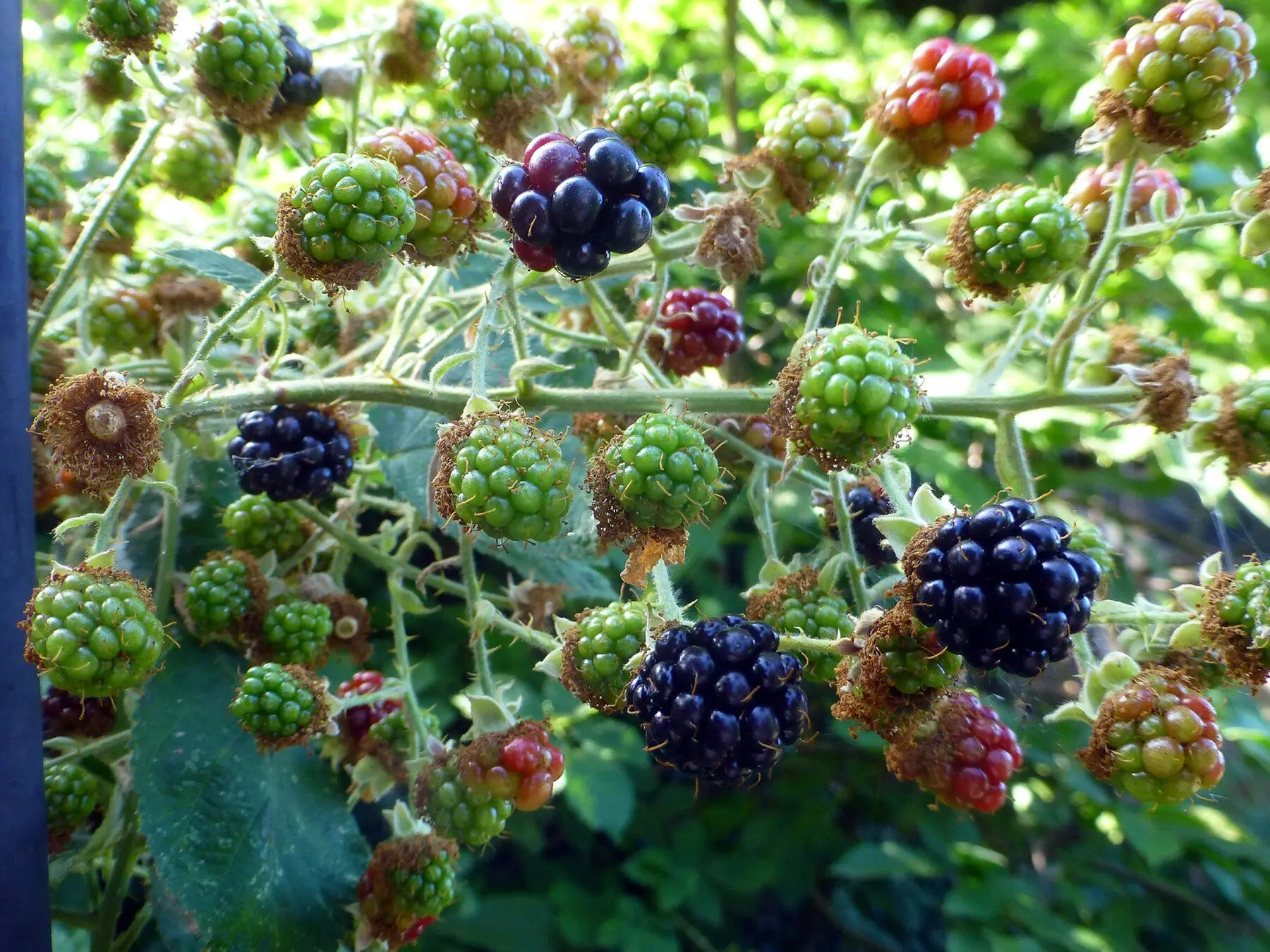
How to Grow Blackberries: Planting, Pruning and Picking
Thornless erect varieties on a two-wire trellis, pruned on the floricane-primocane cycle. Planting, feeding, and the one pruning rule that decides your crop.
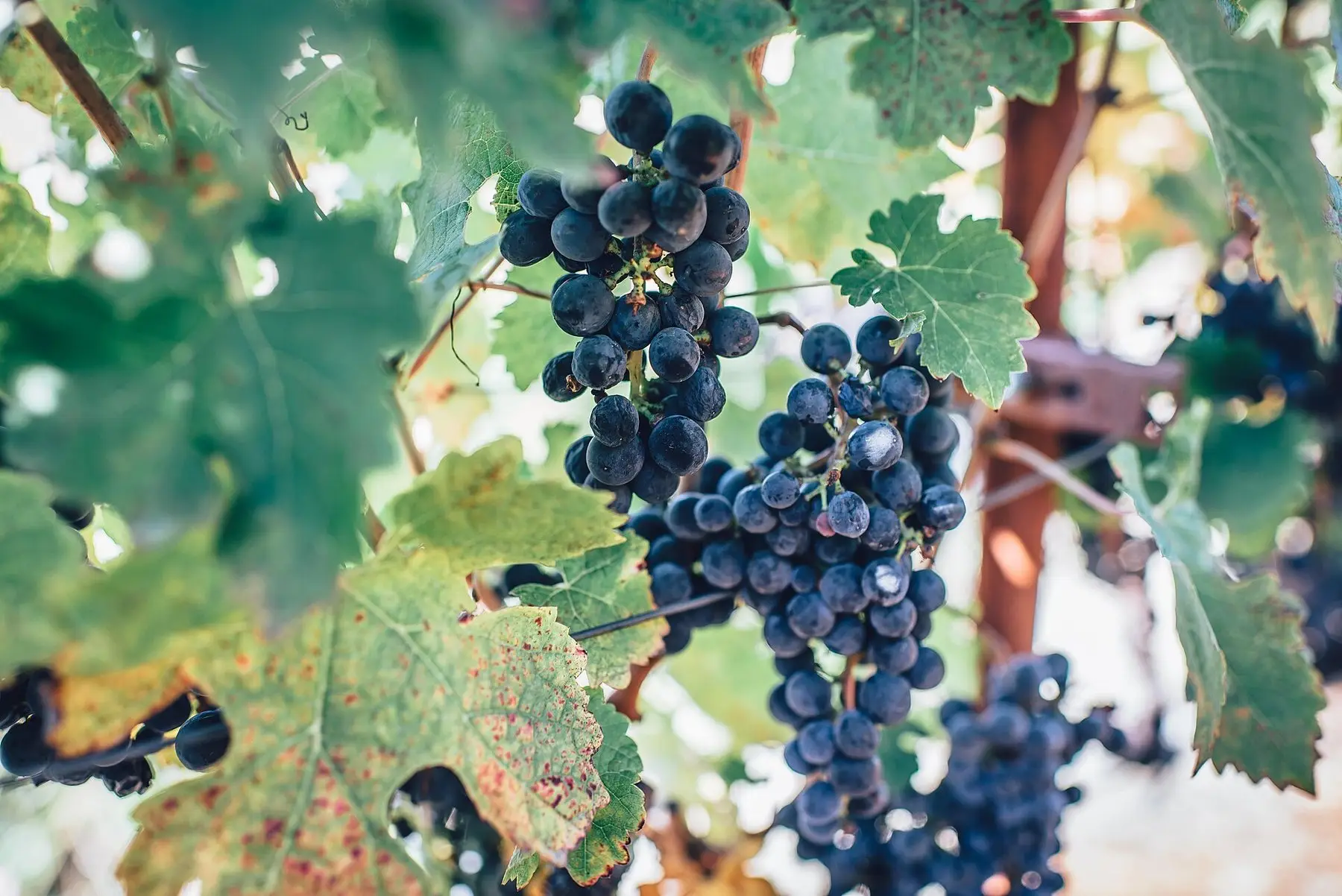
How to Grow Grapes: Prune Hard, and Prune in Winter
Grapes fruit on shoots from last year's wood, so timid pruning gives a huge vine and no crop. The two training systems, and why summer pruning is separate.
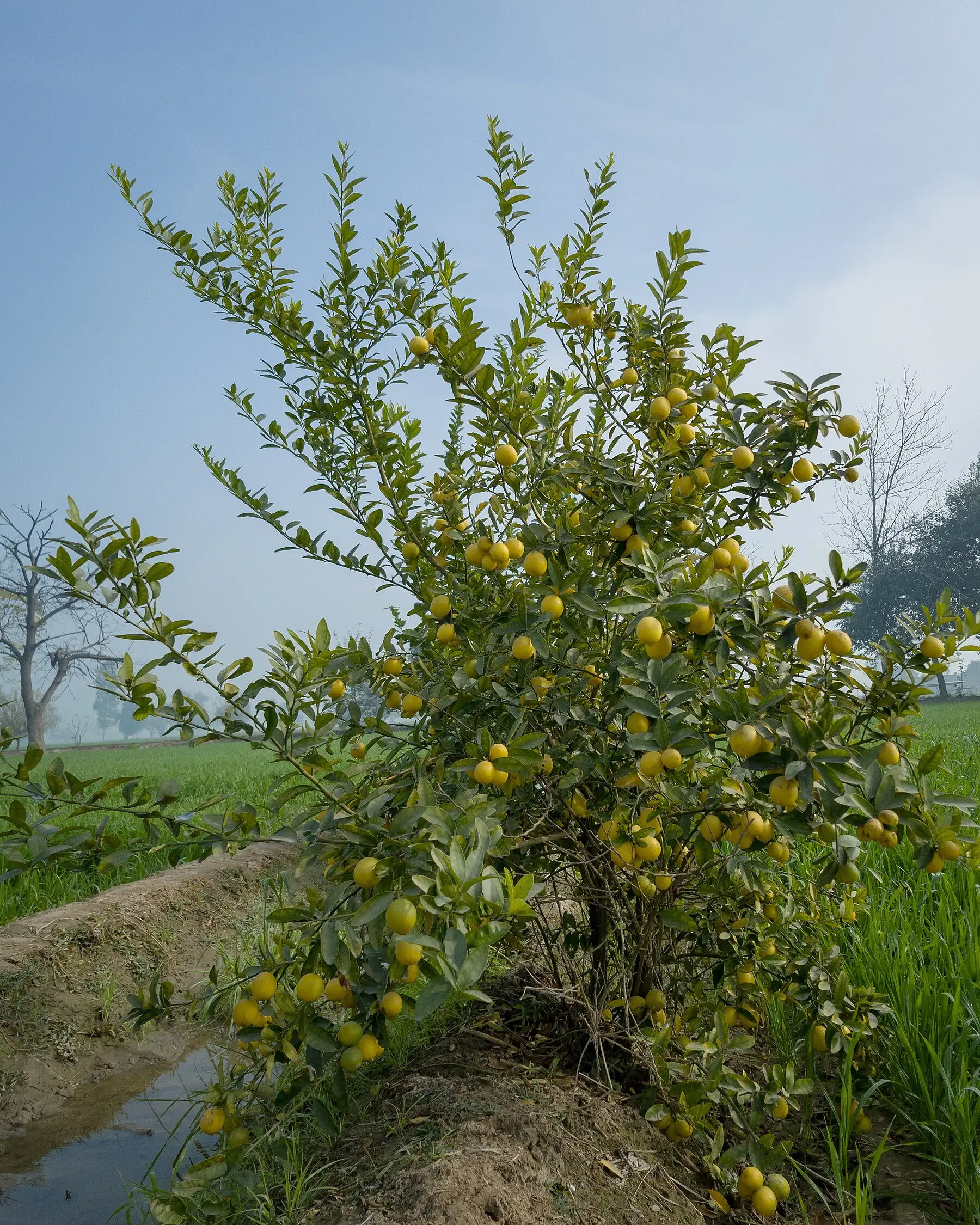
How to Grow a Lemon Tree in a Pot, Anywhere
Lemons fruit year round and survive cold winters in a container, given light and the right watering. Why grafted trees matter, and what leaf drop is telling you.
How to Grow Strawberries (And Get Fruit the First Year)
Strawberries are easy to grow and easy to get wrong. Which of the three types to plant, why you pinch the first flowers, and how to keep a bed producing.