
Are Strawberries Easy to Grow? Yes, With Two Catches
Strawberries are among the easiest fruit to start and the easiest to neglect. The two things that decide a crop, and why year three disappoints.
 By
On this page
Genuinely yes — they crop in the first year and forgive a lot. The two things that catch people out are not difficulty. They are a deadline and an expiry date.
What makes them easy
- Crop in the first season, unlike most fruit
- Self-fertile — one plant is enough
- Pots, baskets, grow bags, beds, towers all work
- Shallow-rooted, so no deep soil preparation
- Tolerant of imperfect soil and erratic gardening
Catch one: they expire
| Year | Crop |
|---|---|
| 1 | Light — many growers remove the first flowers to build the plant |
| 2 | Peak |
| 3 | Peak |
| 4 | Noticeably down, fruit smaller |
| 5+ | Little worth picking |
Virus load builds up and the crown ages. Nothing visibly dies, which is exactly why it catches people — the bed looks healthy and produces almost nothing.
Run a rolling third
Each summer, peg runners from your best plants into small pots of compost sunk beside them. Once rooted, sever and plant out. Retire the oldest third of the bed every year.
A third of your bed is then always young, you never have a replacement year with no crop, and it costs nothing.
Catch two: the last five days
Everything can go right for months and you still eat nothing. Birds and slugs take the fruit between colouring up and ripening.
- Net properly — held clear of the plants on hoops so birds cannot reach through, and pegged down at the edges so they cannot walk in underneath. A net lying on the foliage feeds them
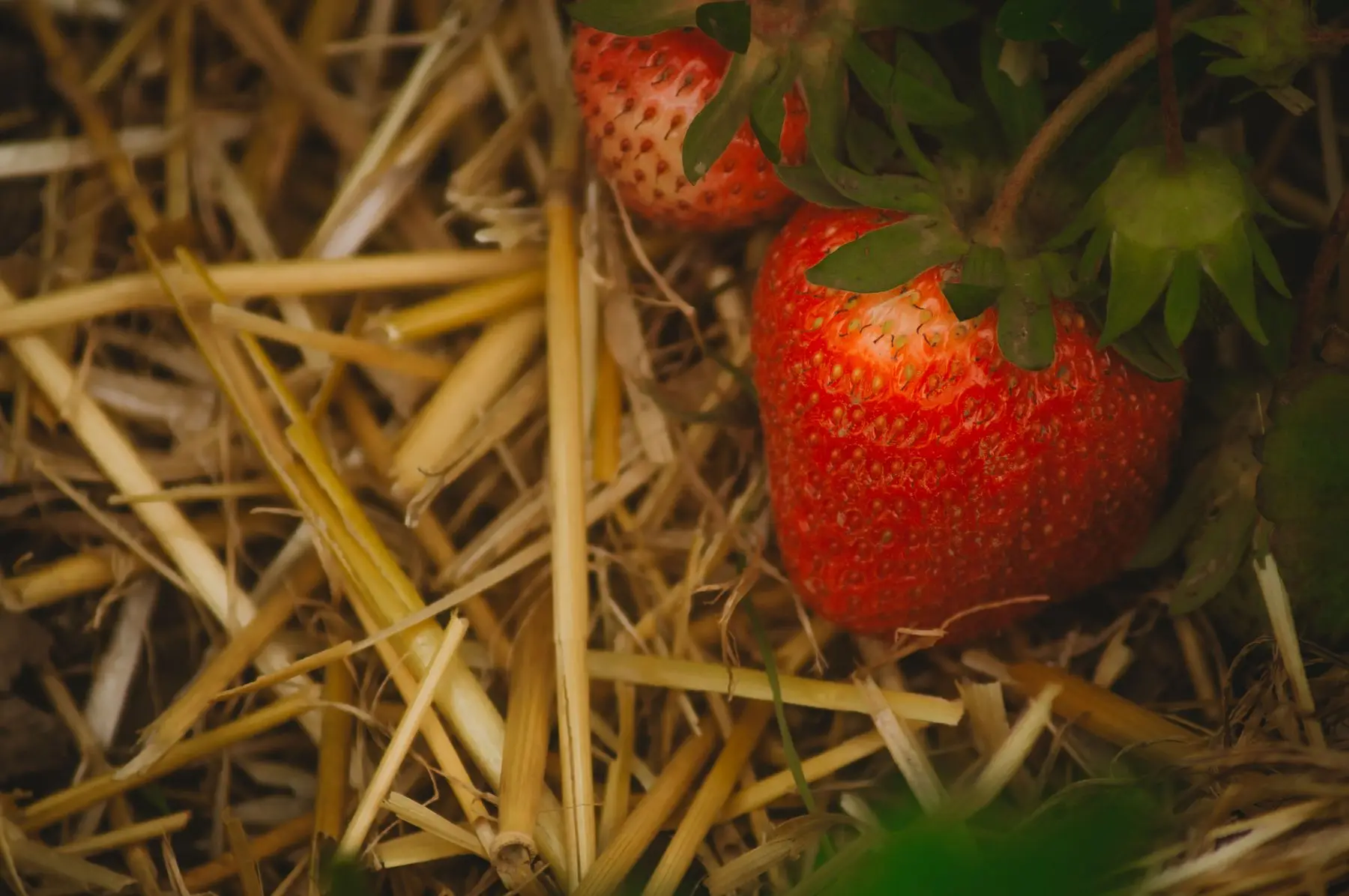
- Straw or mats under the fruit lifts it off wet soil and cuts slug damage sharply. It is where the name comes from
- Collect slugs after dark in the week before ripening — the highest-value fortnight of the year for it
- Pick promptly. An overripe fruit left on the plant draws everything in
Why the fruit is small
In order of likelihood:
- Old plants — see above
- Crowding. A bed thick with unchecked runners is plants competing with their own offspring
- Irregular water while the fruit is swelling. This one acts directly and fast
- Too much nitrogen — lush leaves, almost no fruit. The classic over-feeding symptom
Runners
They are the plant’s way of reproducing, and they are expensive. Cut them off through the cropping season and the plant puts that energy into fruit instead.
Keep a few from your healthiest plants only, and only when you want replacements — never from a plant that has looked sickly, since that is how virus travels through a bed.
Common questions
Are strawberries easy to grow?
How long do strawberry plants last?
Why are my strawberries small?
What do I do with strawberry runners?
Do strawberries come back every year?
What is the single biggest cause of losing the crop?
Backyard Weekly
Know what to plant, week by week
Join the weekly email for seasonal jobs, fixes for what is going wrong, and gear worth buying.
Not ready to subscribe? The planting calendar is free and needs no email.
By subscribing you agree to our privacy policy. Grow In Backyard will never sell your address.
Keep reading
How to Grow Strawberries (And Get Fruit the First Year)
Strawberries are easy to grow and easy to get wrong. Which of the three types to plant, why you pinch the first flowers, and how to keep a bed producing.
What Are Hydroponic Strawberries? How They Are Grown
Strawberries grown in nutrient solution rather than soil, usually in towers or gutters. What the method changes, what it costs, and whether taste suffers.
Do Birds Eat Tomatoes? They Are Usually After the Water
Birds peck tomatoes for moisture more than food, which is why you find one hole in six fruits. A birdbath fixes more of it than netting does.
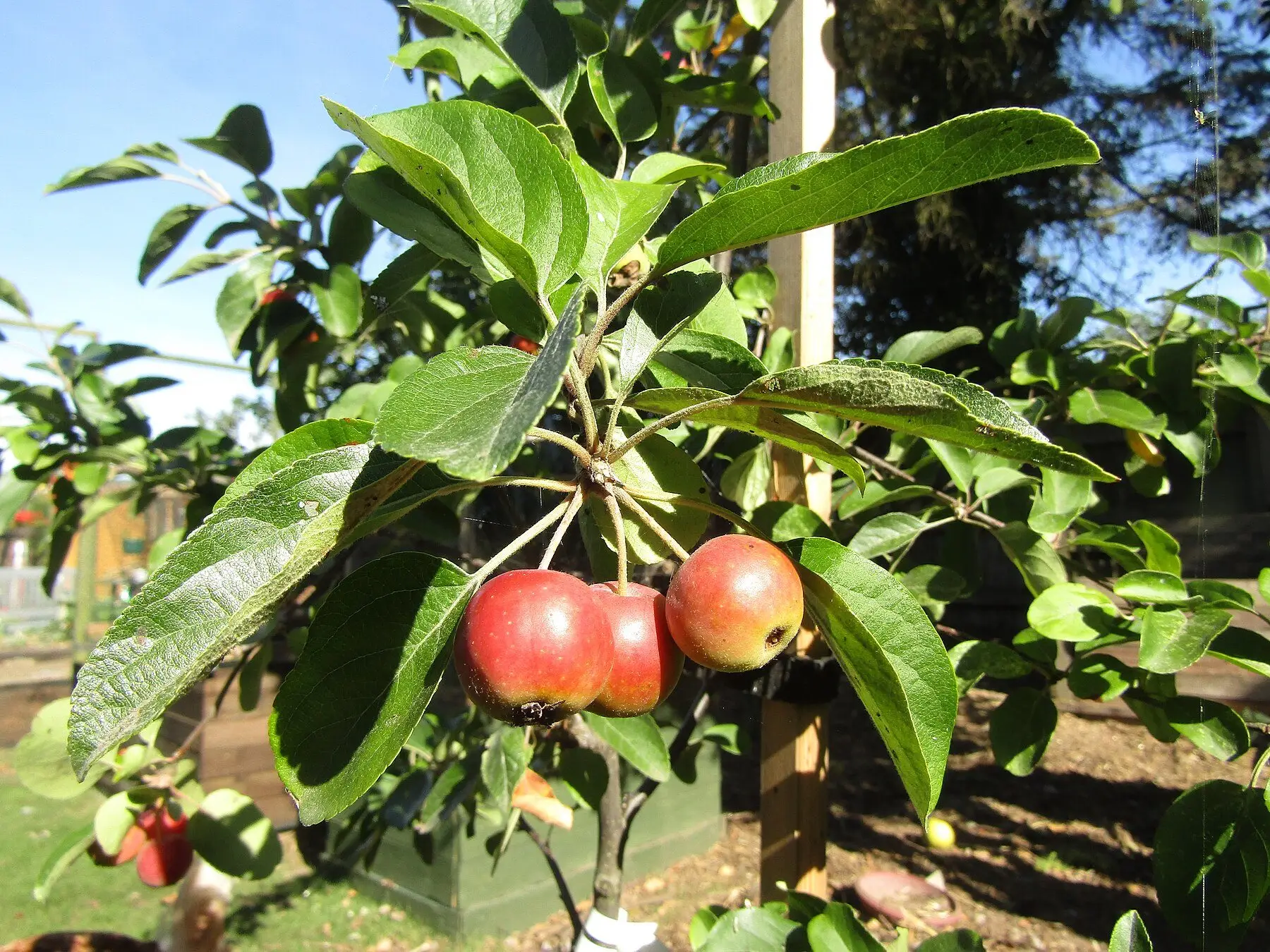
Can You Eat Crab Apples? Yes, and They Make Better Jelly
Crab apples are edible, sour, and unusually high in pectin — which is exactly why they set jelly no other fruit will. The one part to avoid, and which trees to pick.