Backyard Animals ·
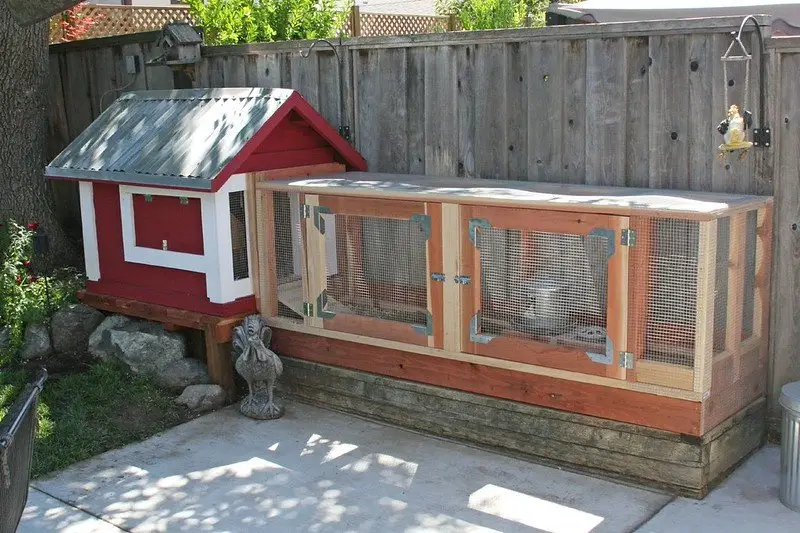
Best Chicken Coops You Can Buy (and When Building Is Cheaper)
Prefab coops range from genuinely good to a raccoon's first target. What to check before buying one, sized by flock, and when building instead saves real money.
21 guides in Backyard Animals.
Start here
Space, cost, time, and the rules nobody mentions. An honest account of keeping backyard chickens before you buy the coop — including why the eggs are not free.
Prefab coops range from genuinely good to a raccoon's first target. What to check before buying one, sized by flock, and when building instead saves real money.
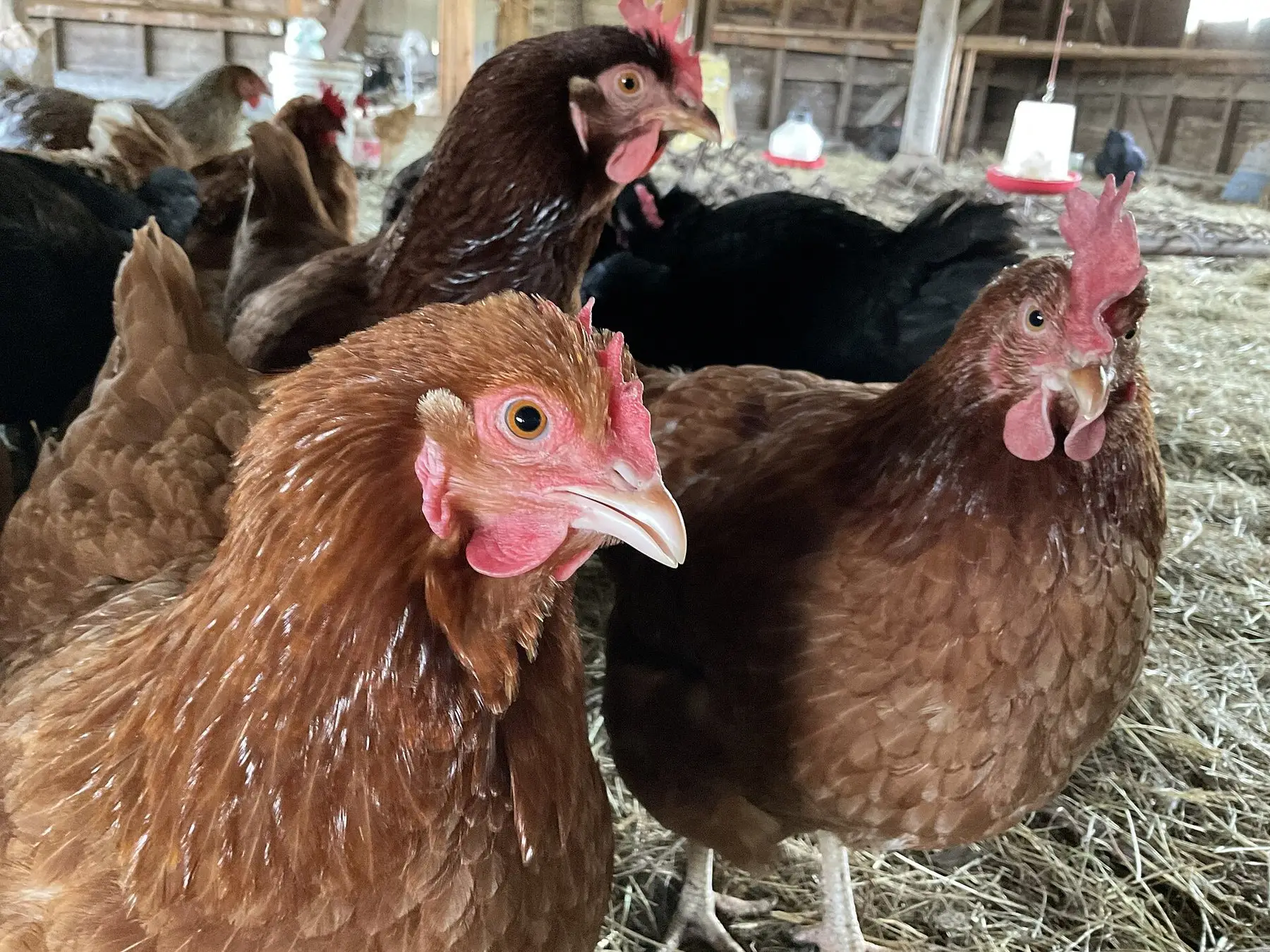
Every breeds list ranks by eggs. For a first flock, temperament, noise, and how forgiving a breed is of mistakes matter more. Five breeds picked on that basis.
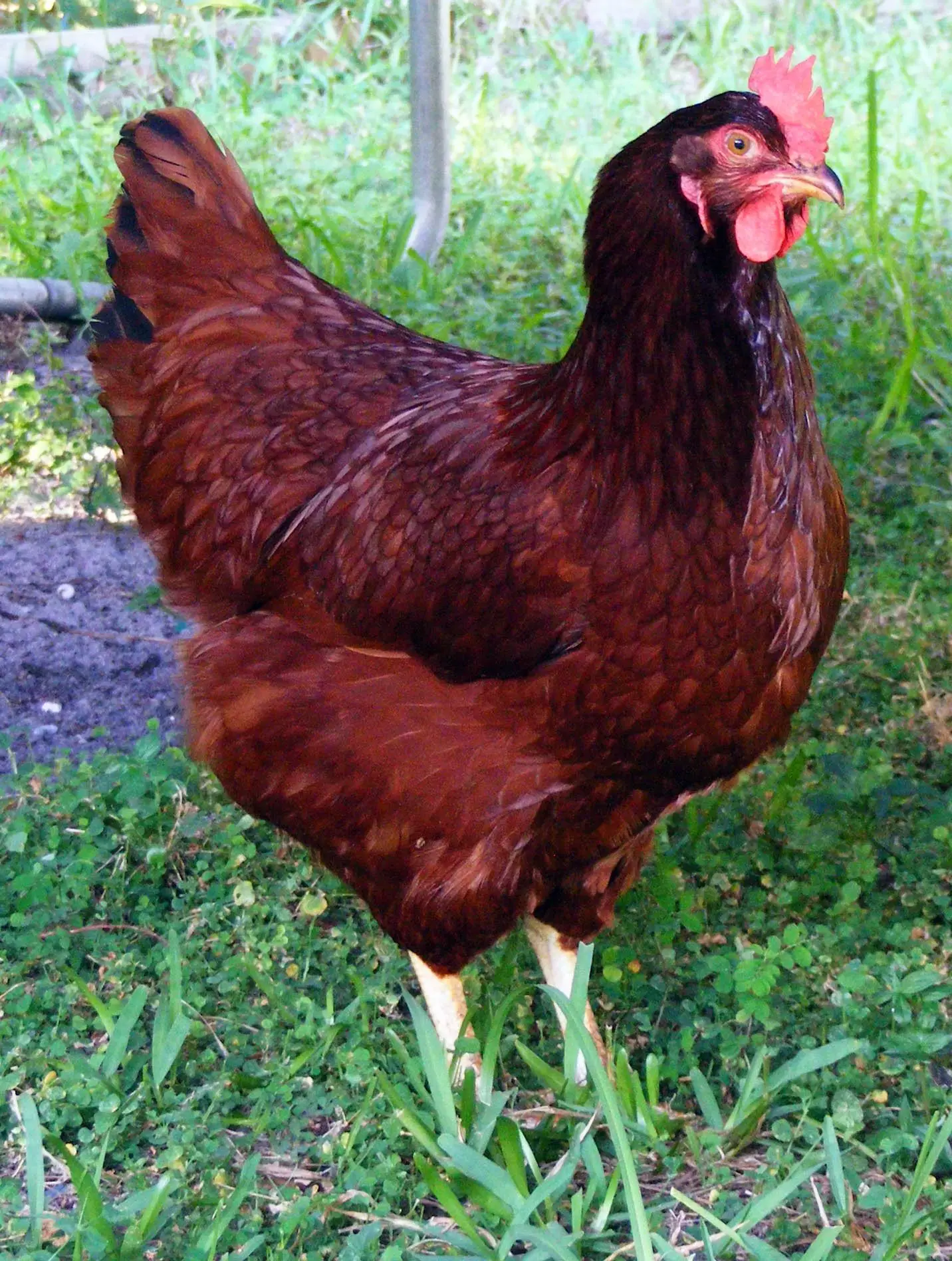
A dual-purpose breed will never out-lay a hybrid or out-grow a broiler. Five breeds that do both well enough that one flock covers both jobs.
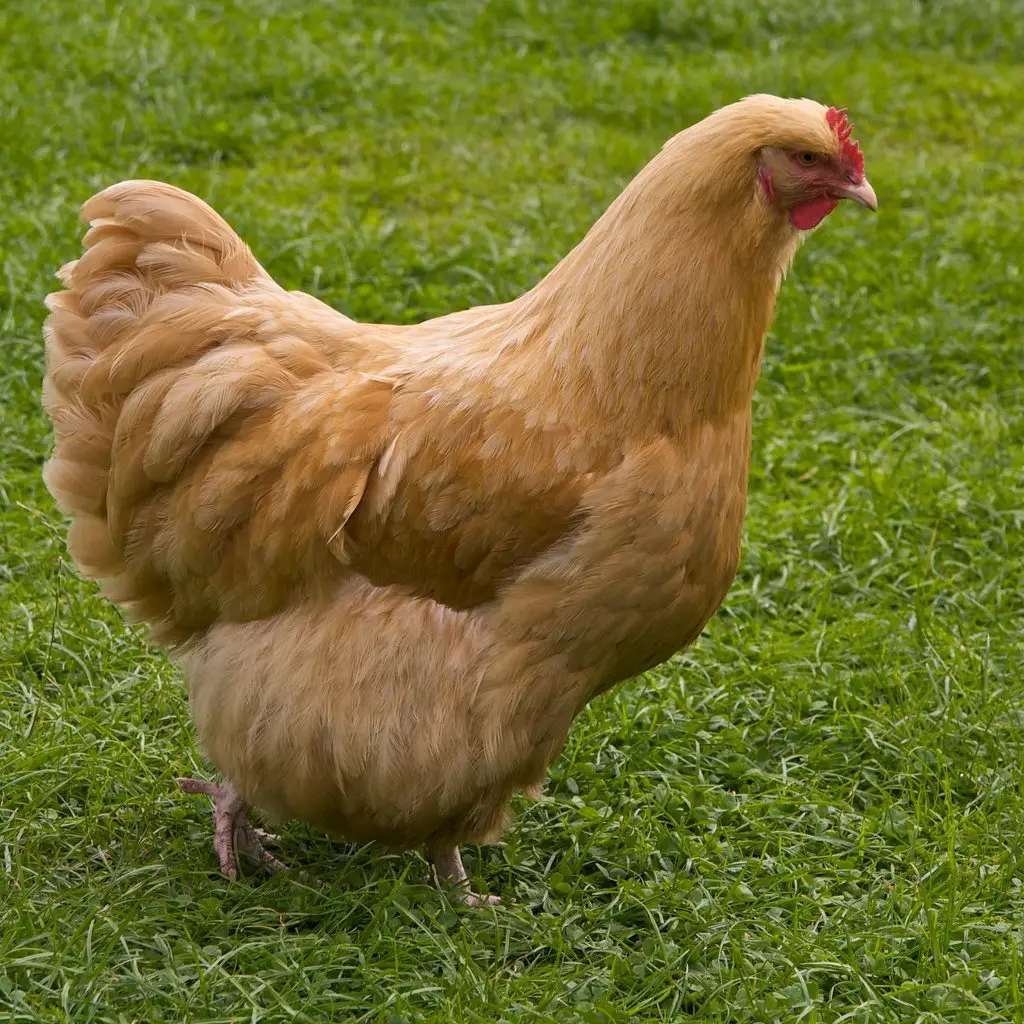
Fourteen common breeds sorted by purpose — eggs, meat, dual-purpose, beginner-friendly — with a link to the full comparison for each category.
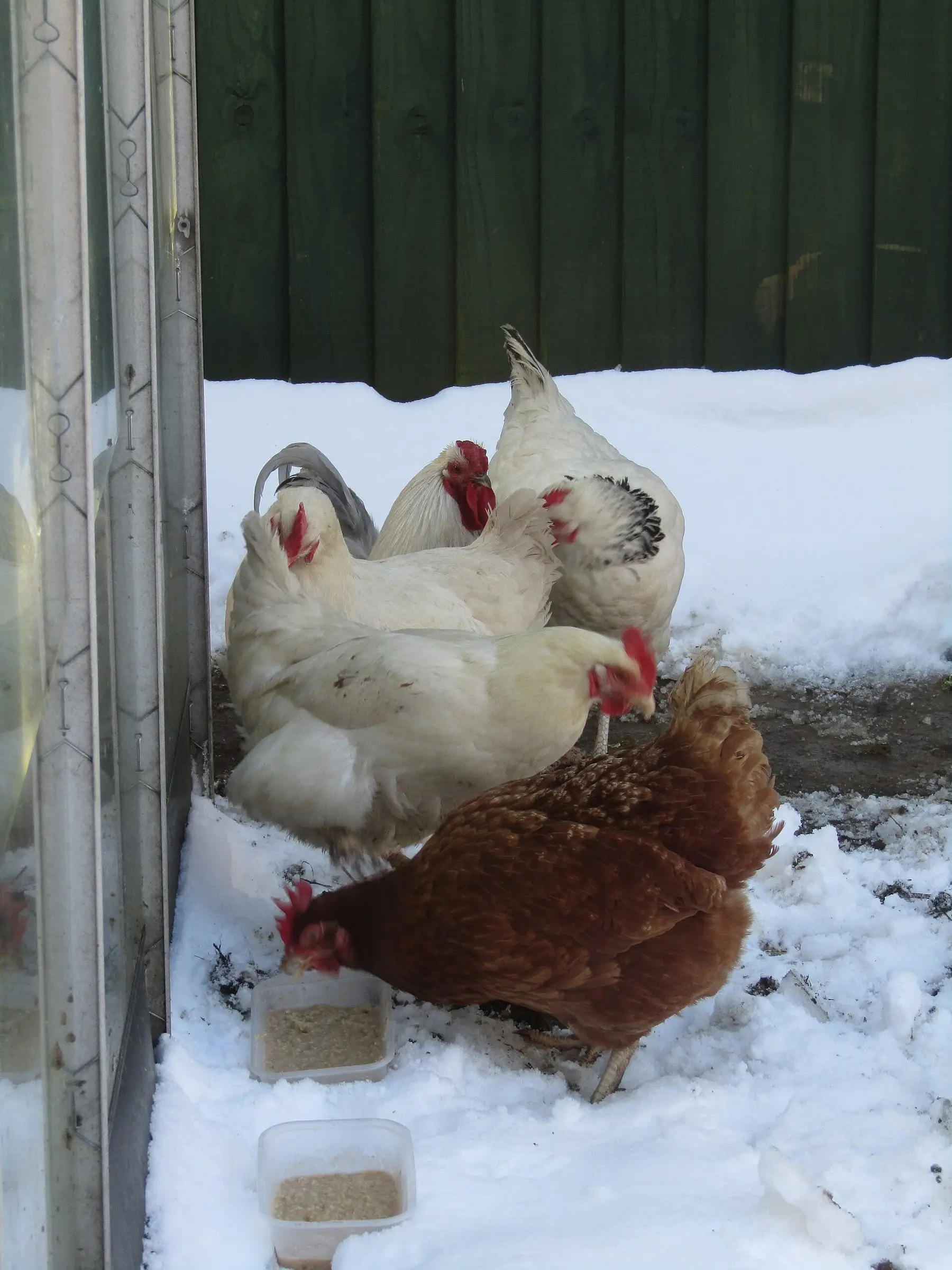
Chickens tolerate cold far better than most keepers expect. The real risks are moisture and frostbite, not temperature — and a heat lamp usually makes both worse.
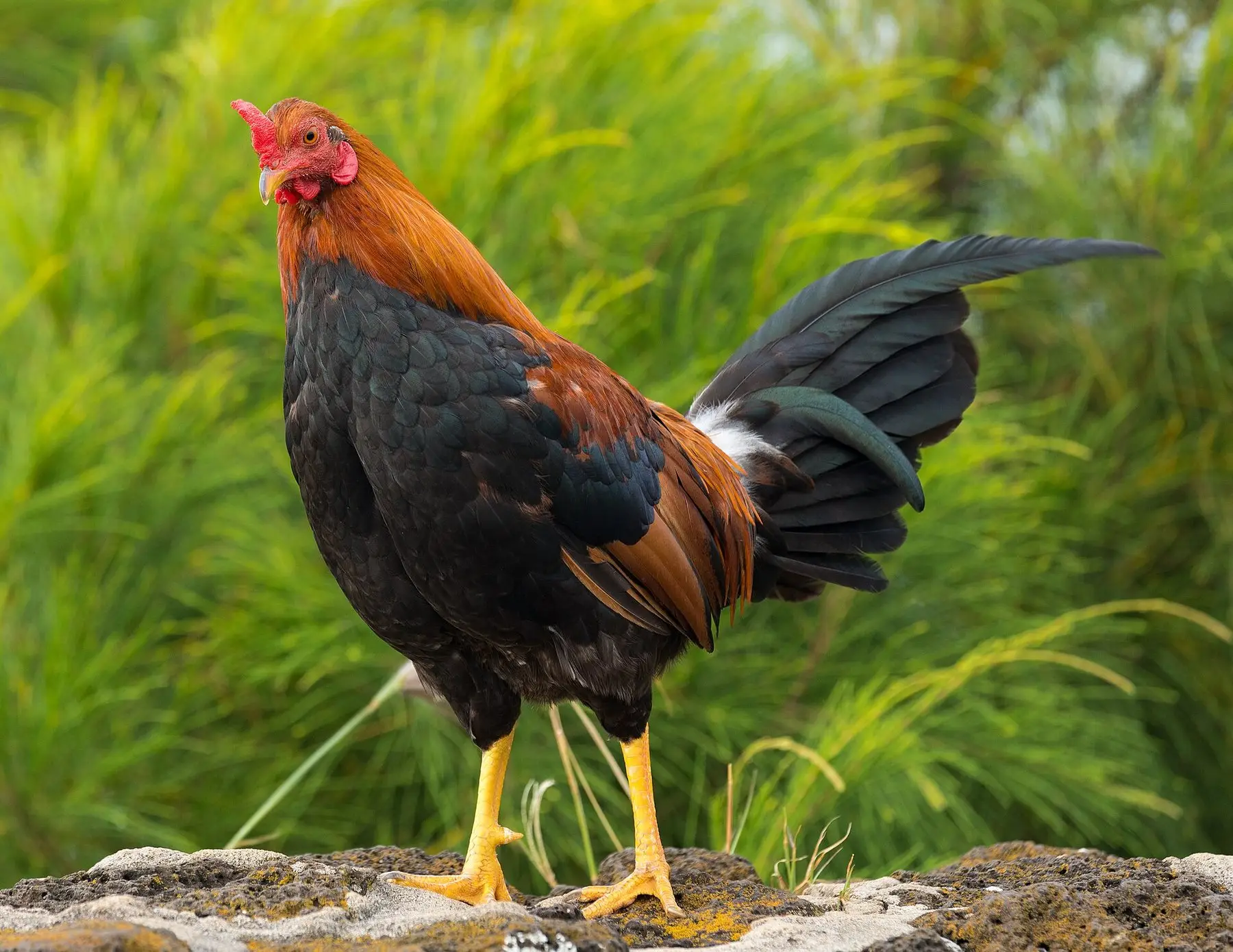
Hens lay perfectly well without one. A rooster is only necessary for fertile eggs — here is what one actually does, and why most municipalities ban them anyway.
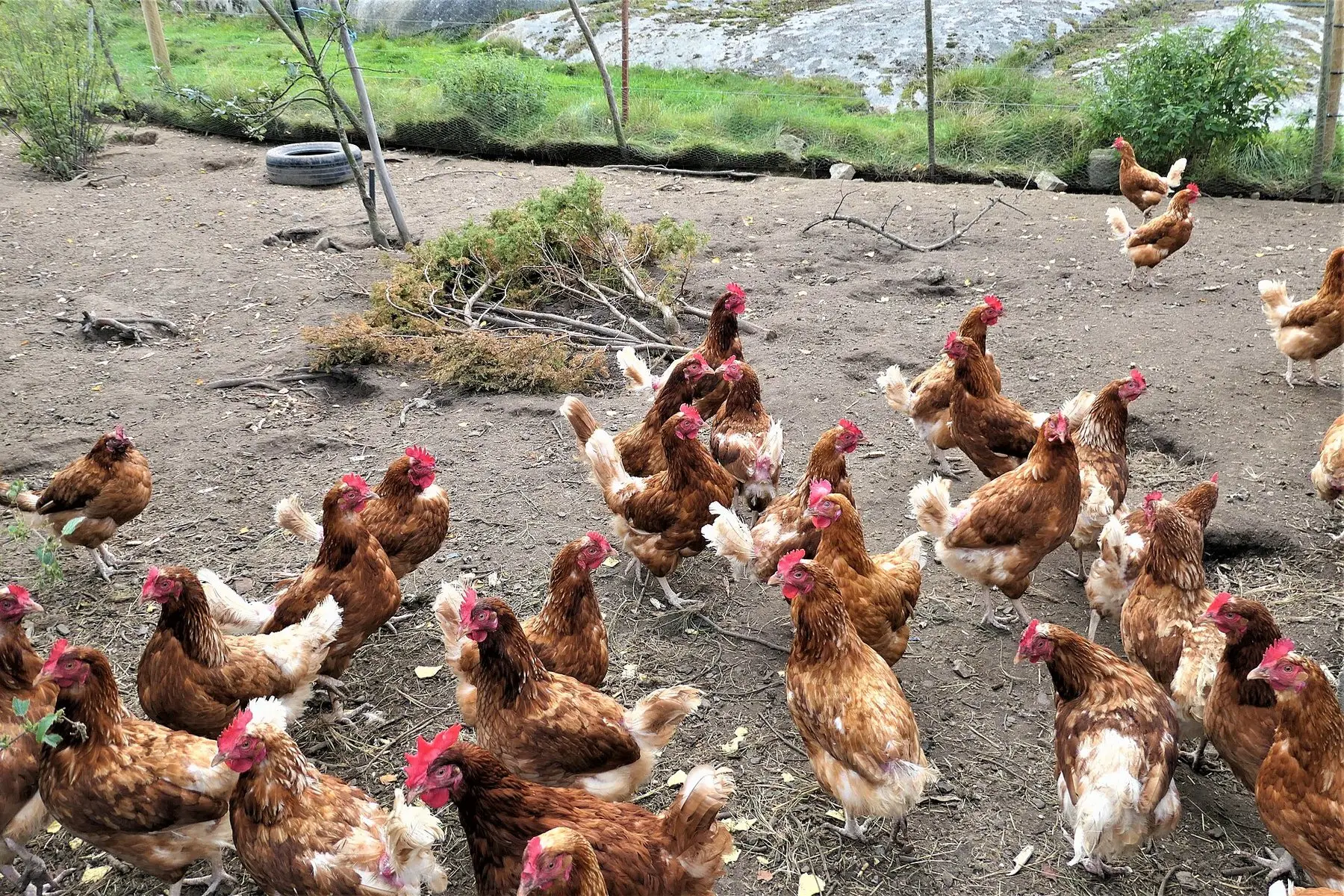
Chickens will hurt a stranger dropped straight into their pen. A slow introduction over two to three weeks avoids nearly all of it — here is the actual sequence.
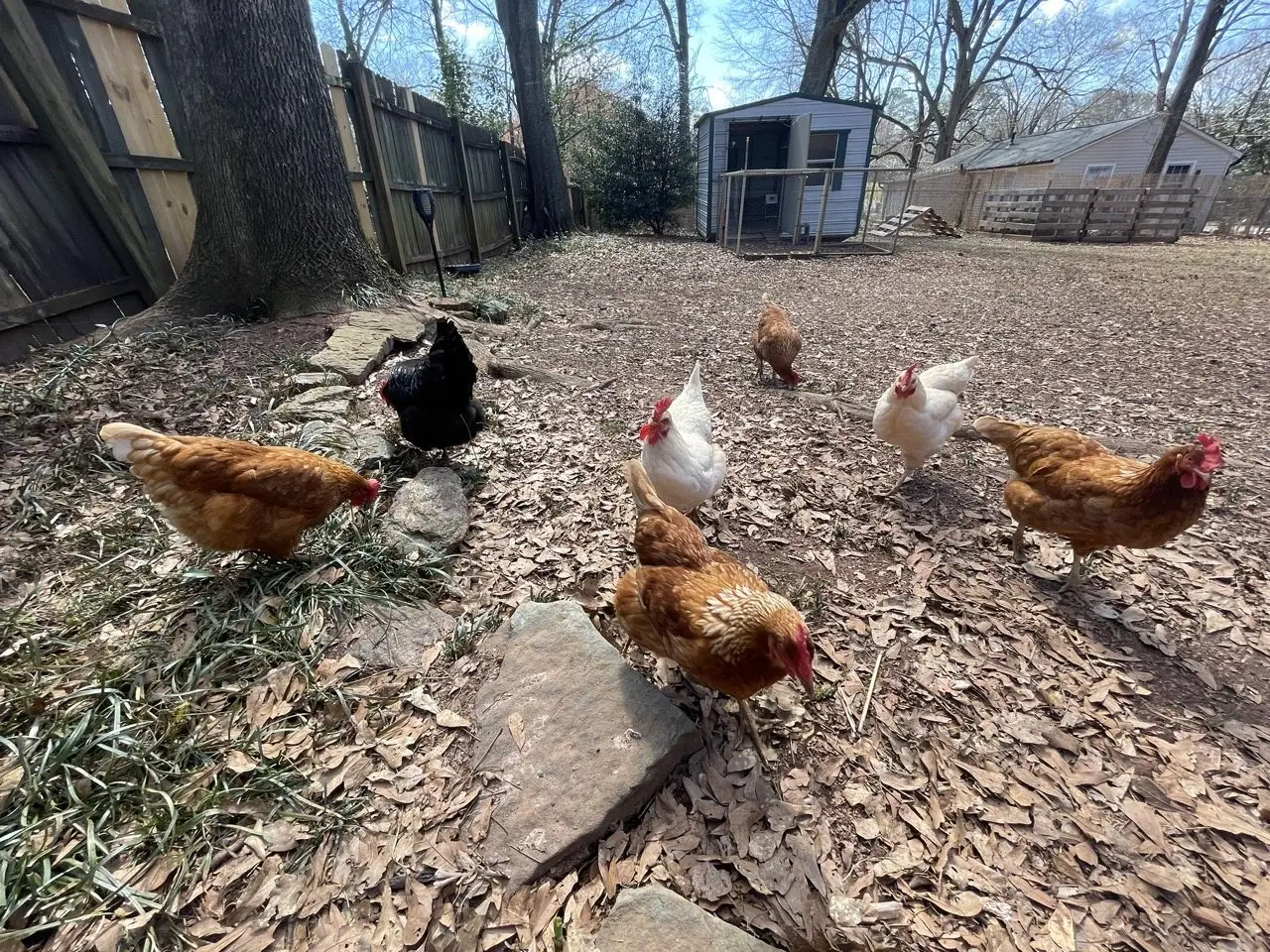
Some garden plants are genuinely toxic to chickens, not just unappealing. What is safe to let them forage, and what to keep them away from entirely.
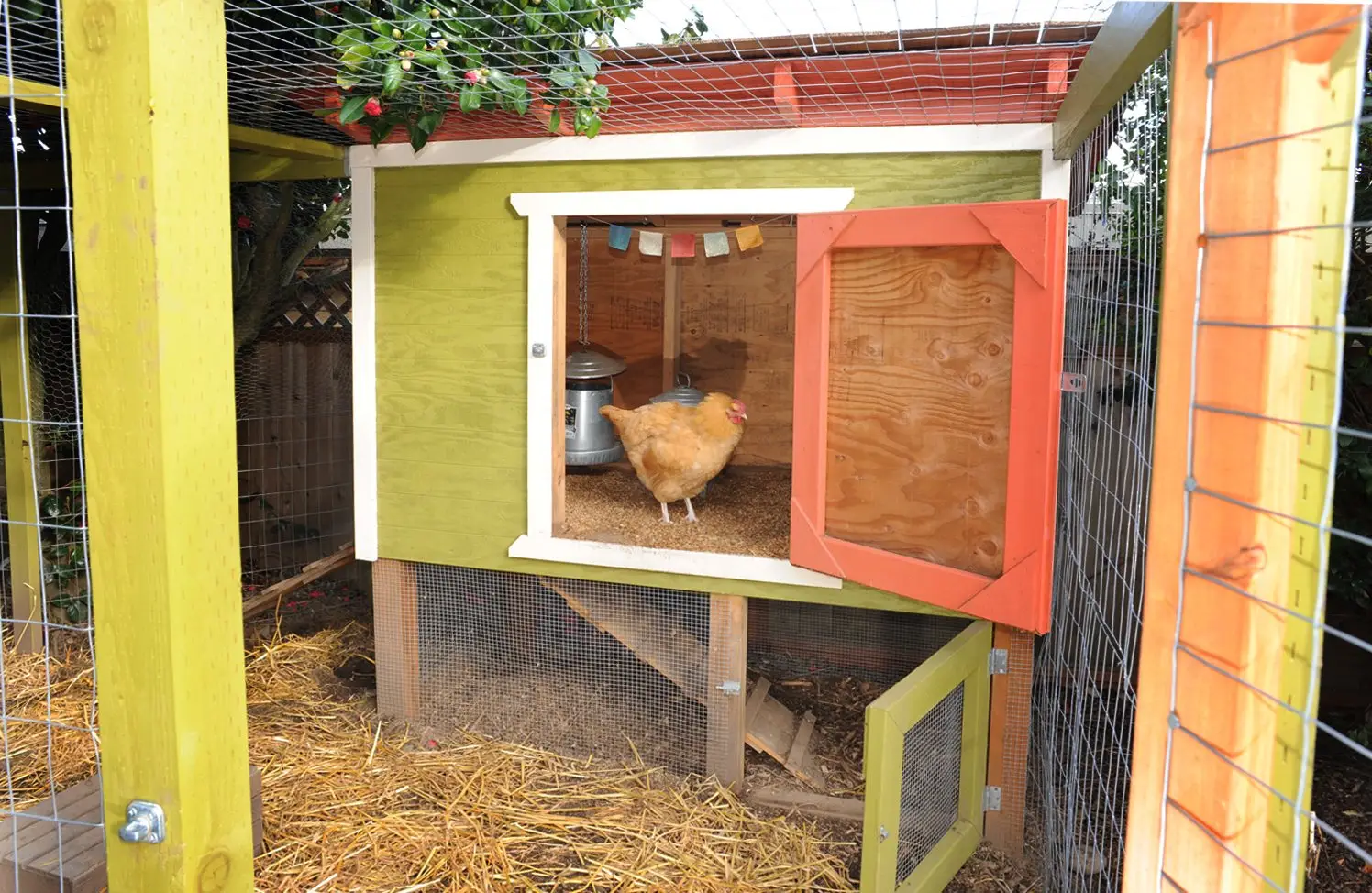
Fixed, tractor, walk-in, A-frame — each solves a different problem. What each style is actually for, before you commit to building or buying one.
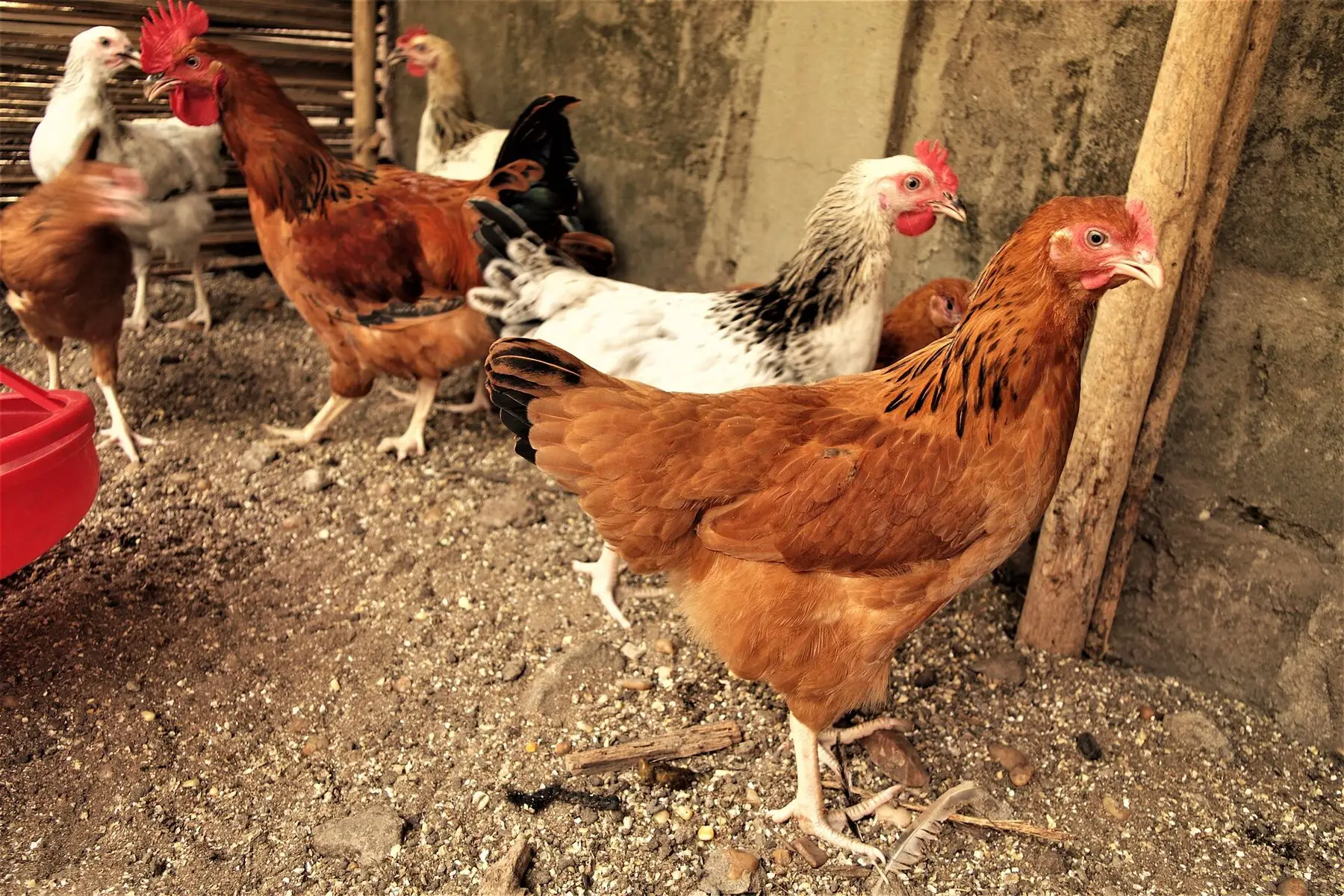
Cornish Cross reach table weight in eight weeks and pay for it in health problems. Five meat breeds compared on grow-out time, feed cost, and how they actually live.
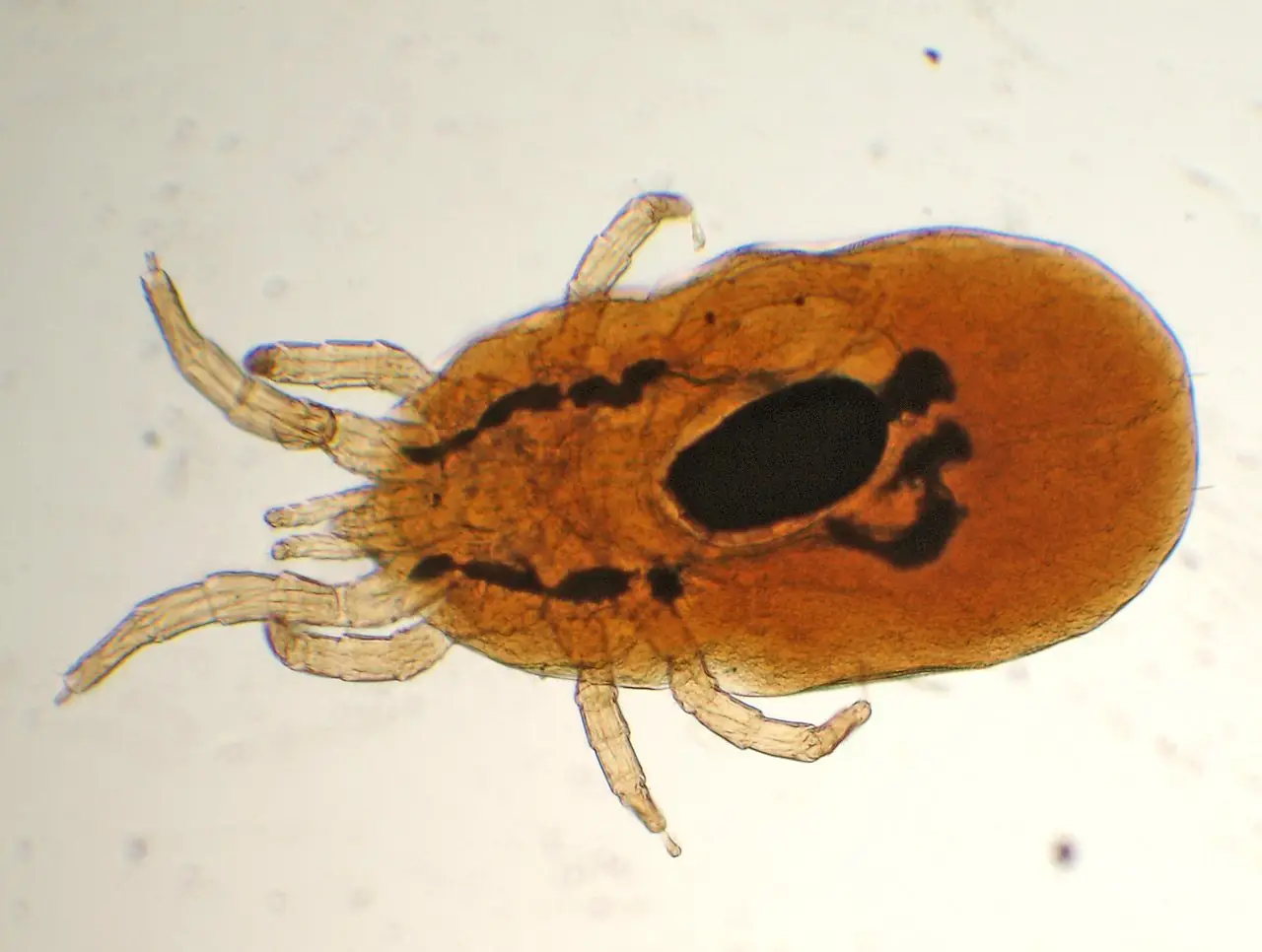
Red mite hide in the coop and feed at night, so daytime inspections miss them. How to identify what you have, treat it, and break the seven-day life cycle.
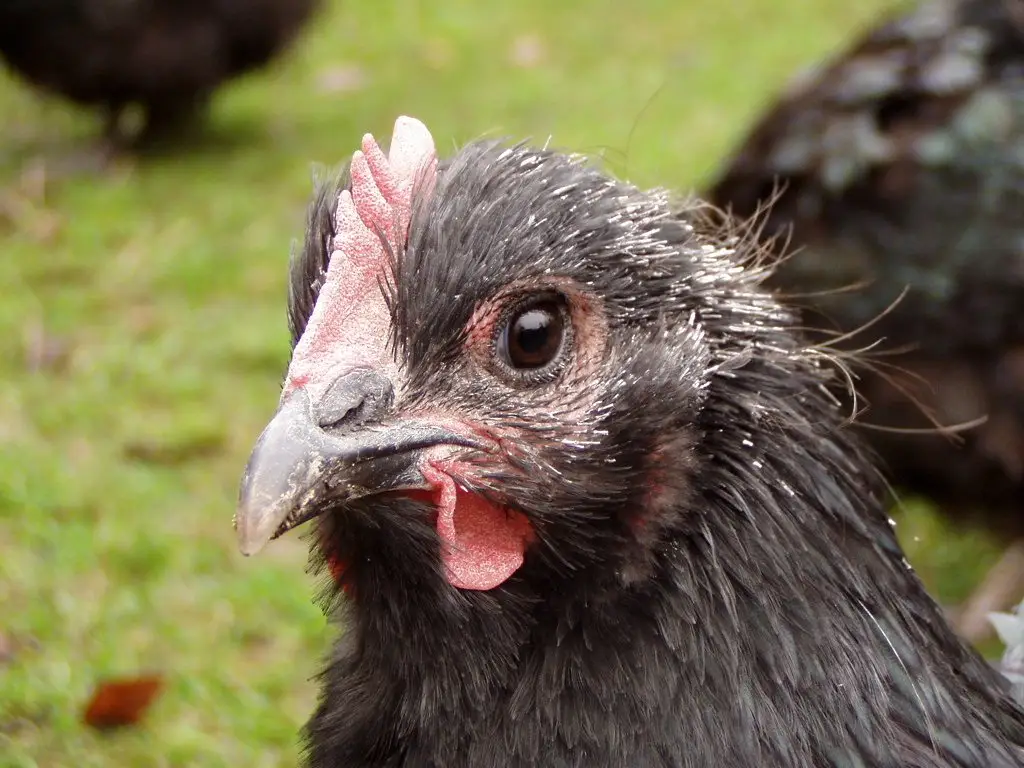
Hens look terrible and stop laying for 6–12 weeks every autumn. What is normal, what is not, and the one change worth making to their feed while it happens.

Fresh chicken manure is too strong to use directly and carries pathogens. How to compost it properly, the NPK you end up with, and the food-safety waiting periods.
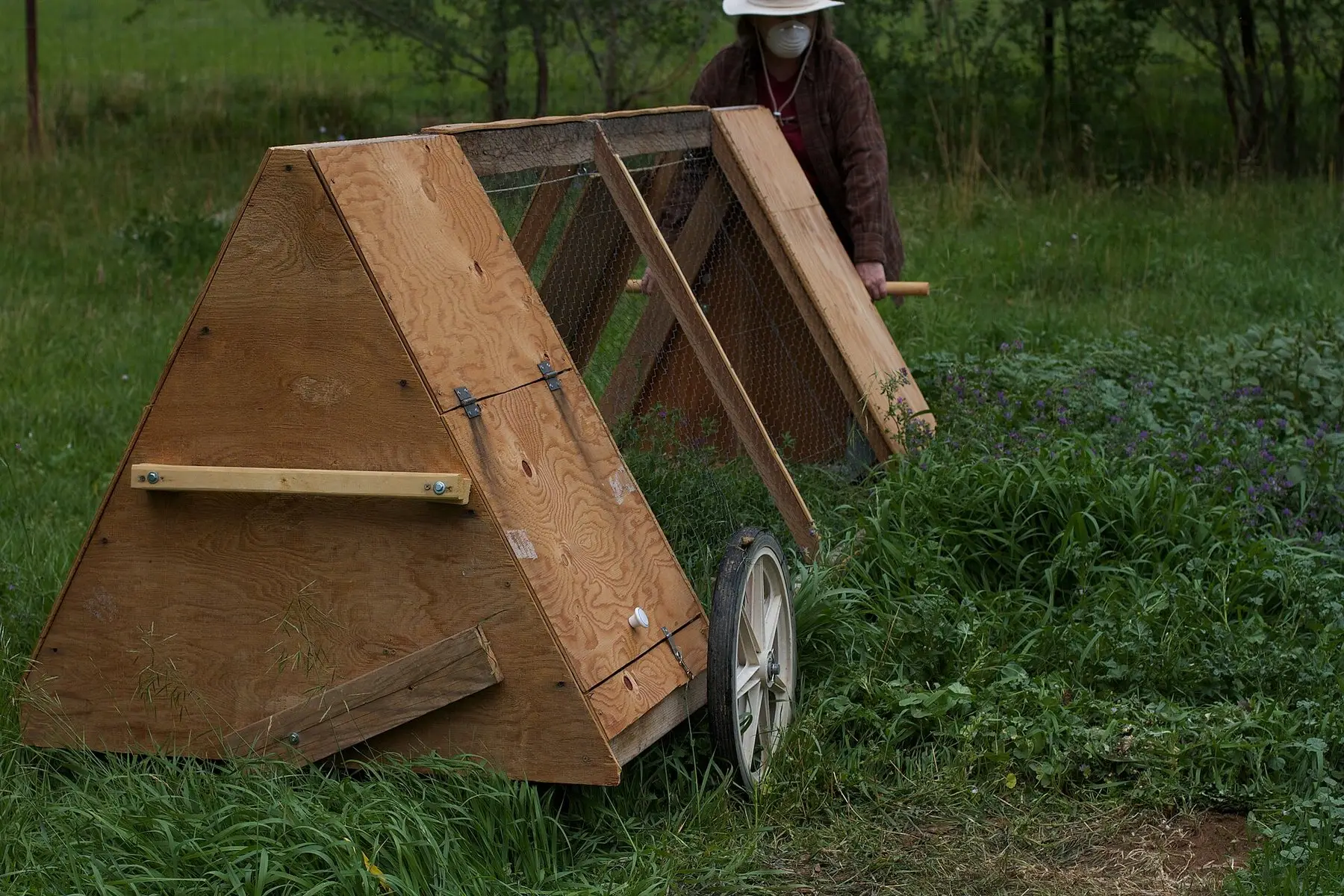
A chicken tractor gives hens fresh ground daily without fencing the yard. How to size one you can move alone, and the weight mistakes that strand it.
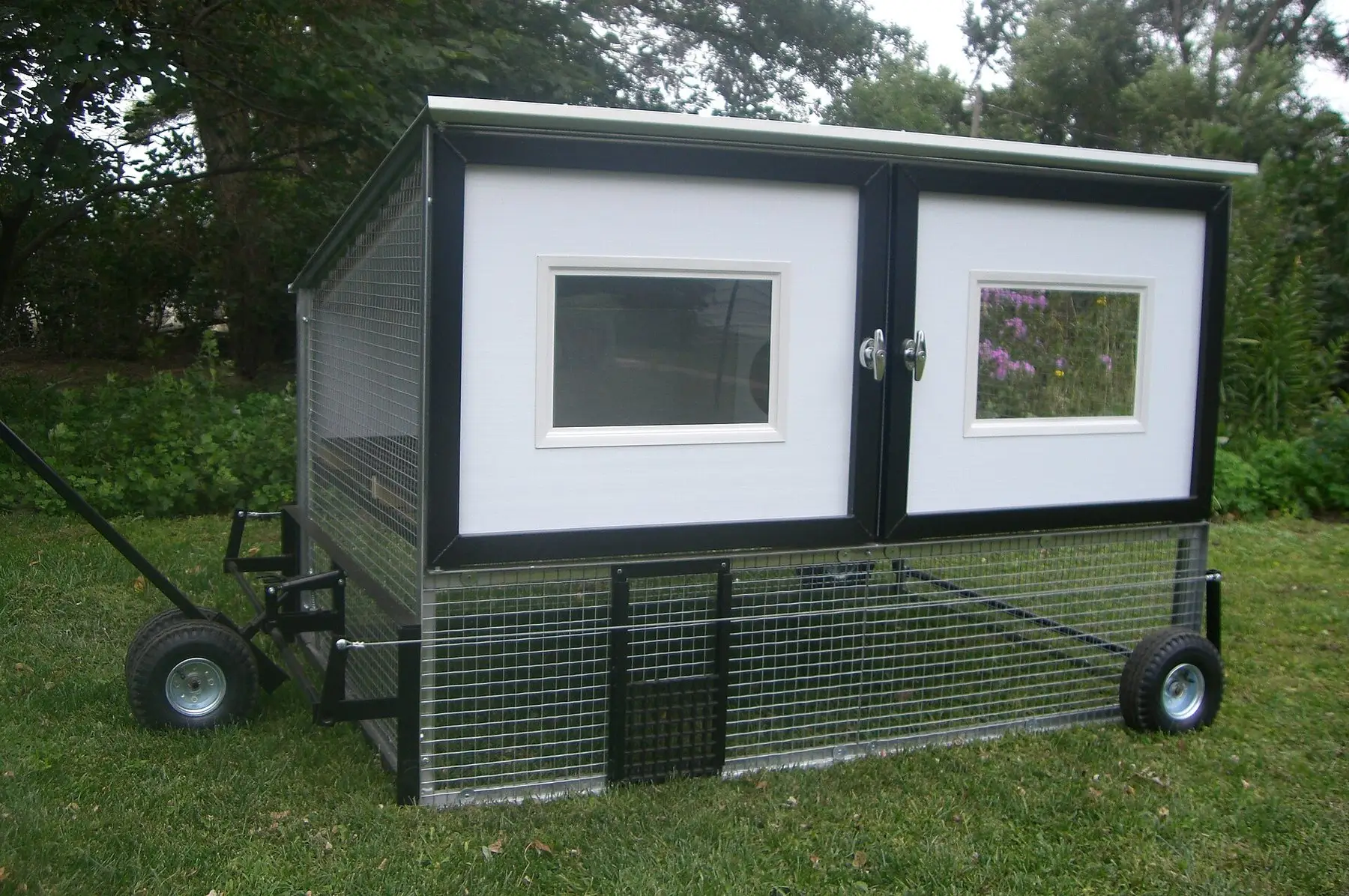
Most coop plans get ventilation and predator-proofing wrong. The dimensions that actually matter, what to build from, and a step-by-step order of work.
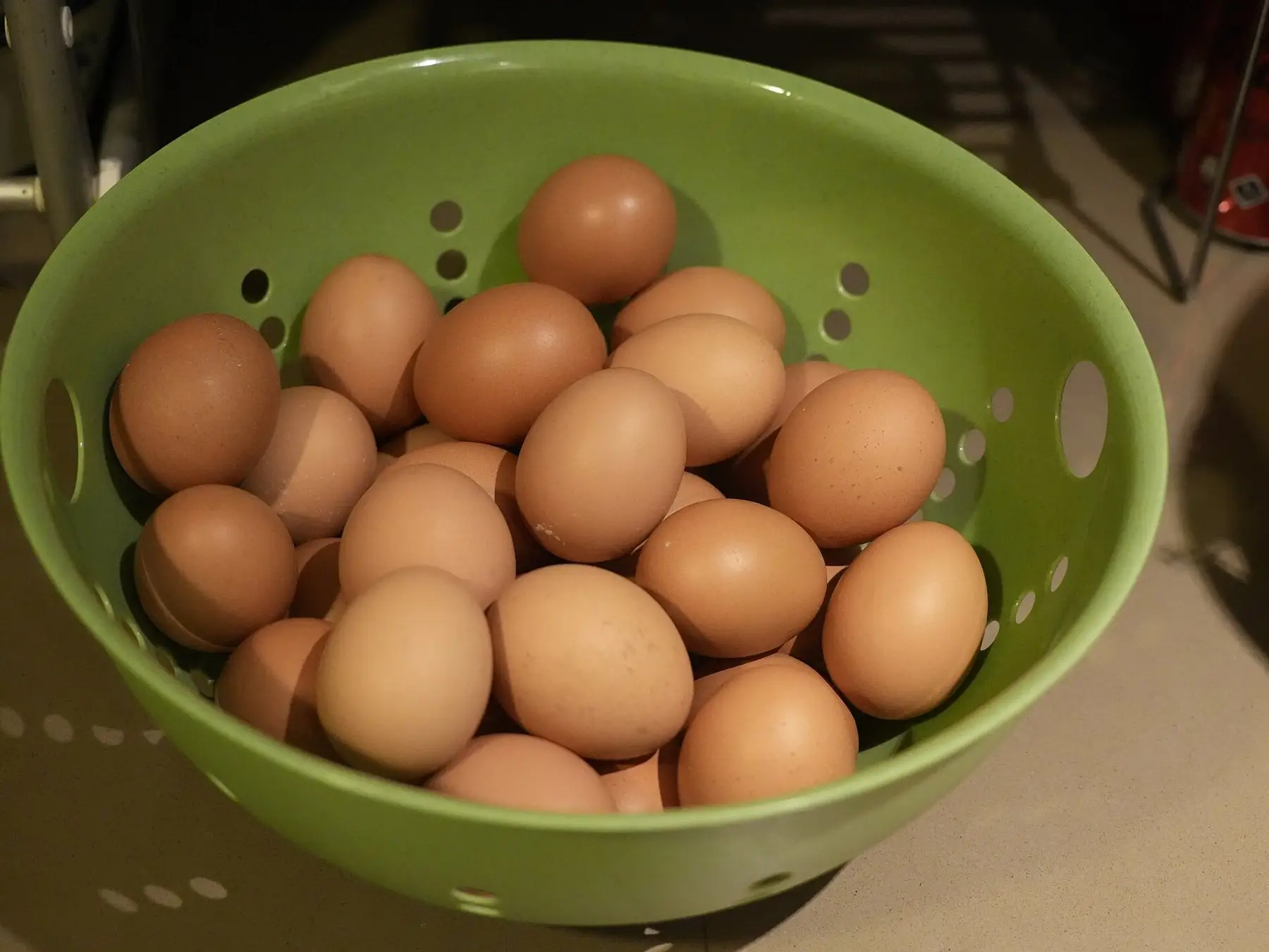
Hens lay best for two years, then decline about 15–20% annually. Most keep laying into year six or seven — just not many. Here is the real production curve.
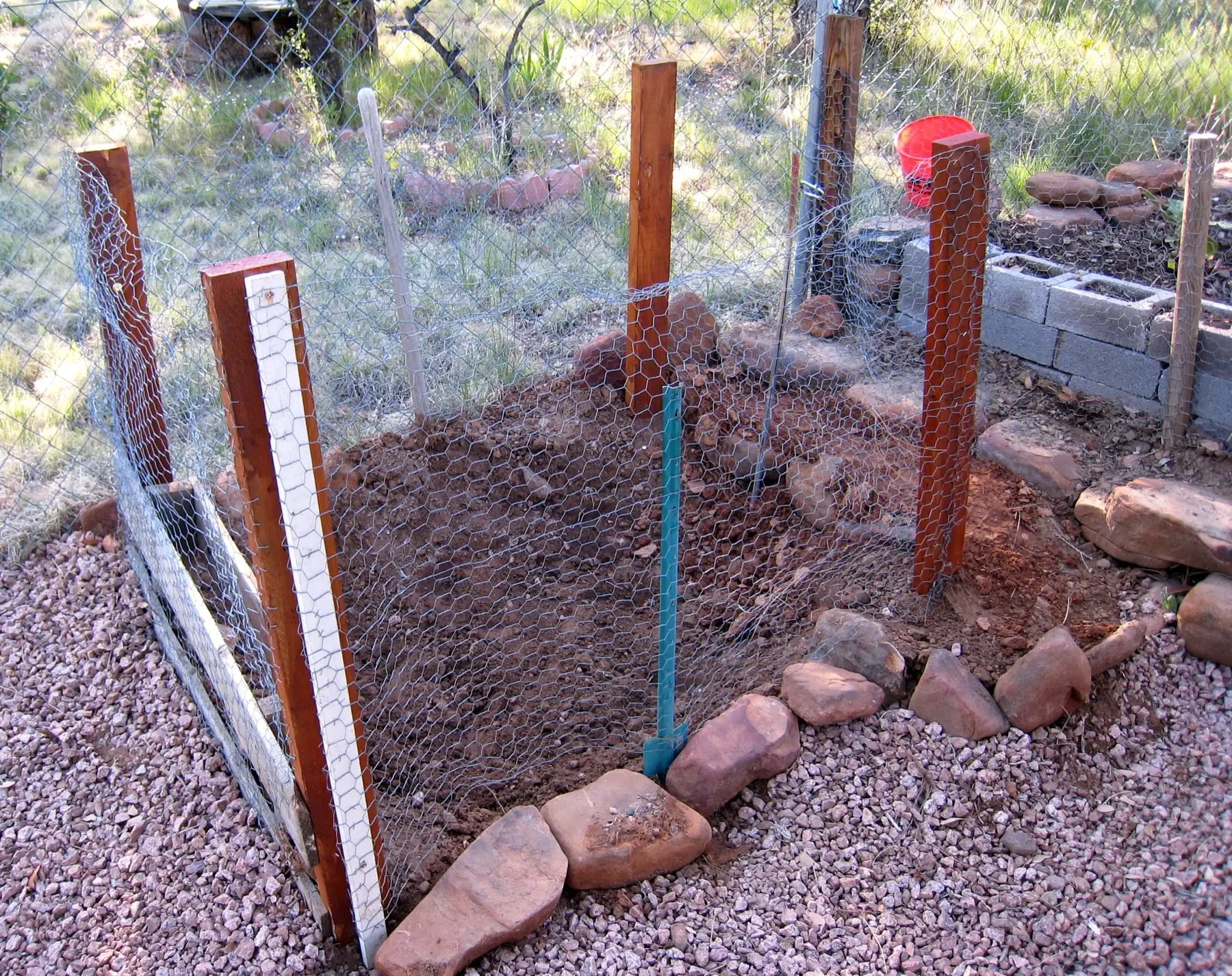
Chickens will strip a vegetable bed in an afternoon. Fence the garden rather than the birds, and use the six other methods in the order that actually works.
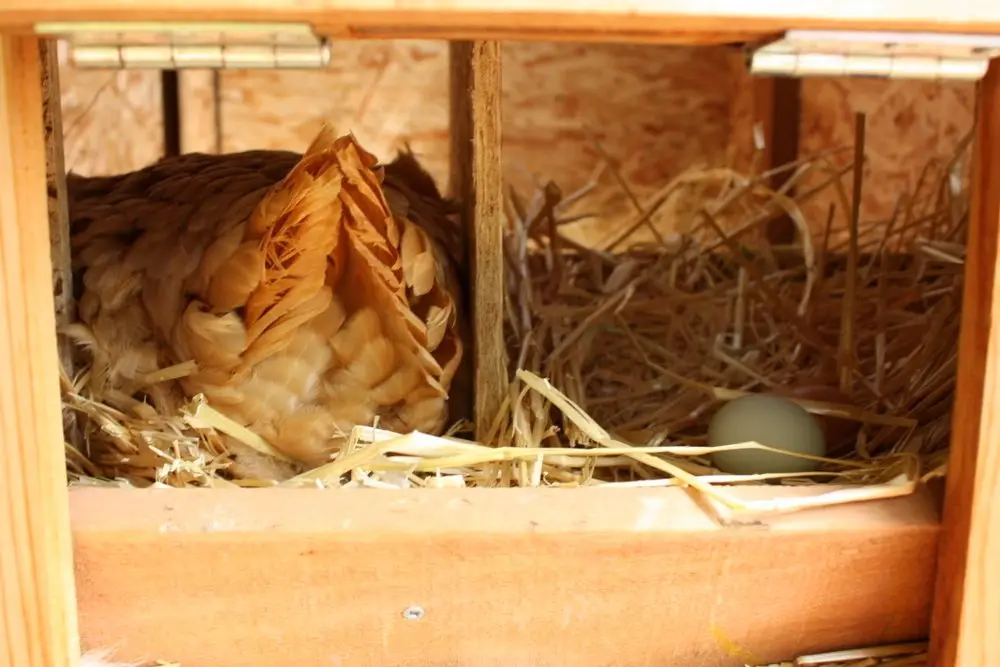
Nine reasons hens stop laying, in the order to check them. Most are seasonal and fix themselves — but three are worth acting on before the flock loses condition.
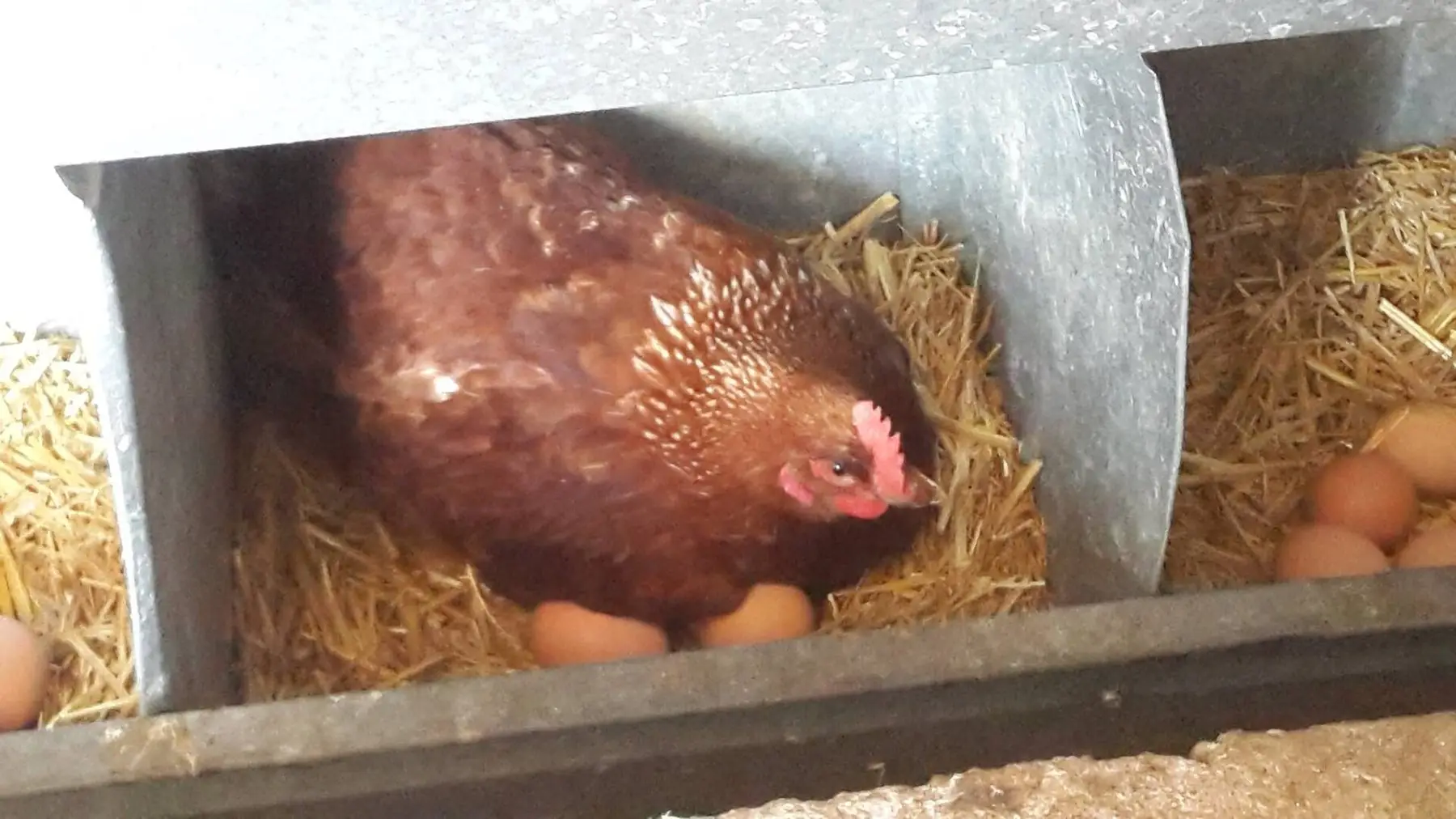
The highest-laying breeds are not always the right ones. Six laying breeds compared on eggs per year, temperament, cold tolerance, and how long they actually last.
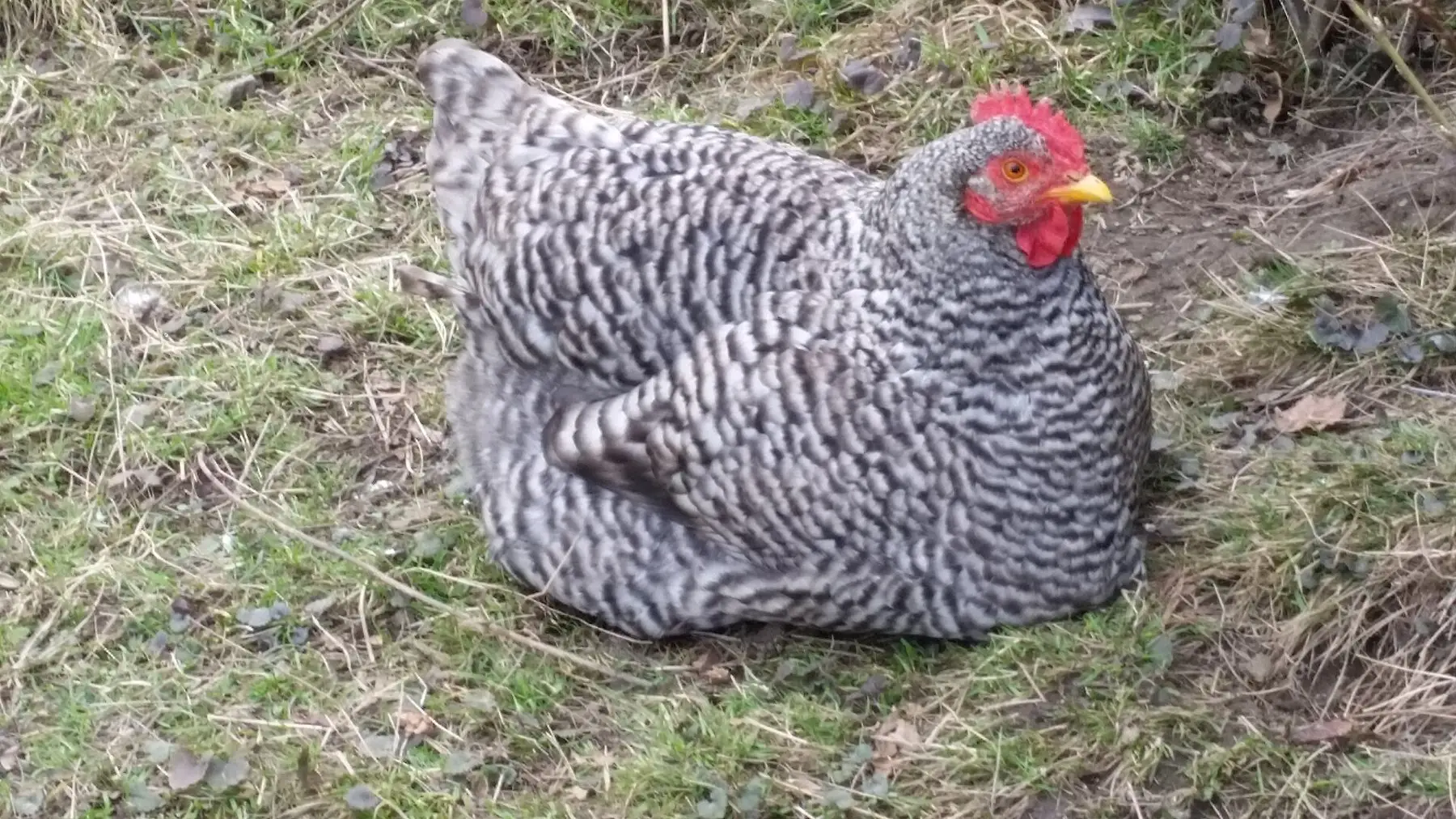
Backyard hens typically live 5–10 years, but breed and predators change that dramatically. The realistic lifespan, and what actually shortens it.
Backyard Weekly
One email a week: what to plant now, what to fix, and what is worth buying. No spam, unsubscribe anytime.
Set MONETIZATION.email.endpoint in src/config/site.ts to enable this form.
By subscribing you agree to our privacy policy. Grow In Backyard will never sell your address.
Cookies
We use analytics cookies to see which guides get read, so we know what to write next. Decline and nothing is set. Privacy policy.