
Best Brown Egg Layers: Six Breeds Ranked on Eggs per Year
Brown eggs come from a handful of reliable breeds. Which lay most, which keep laying through winter, and why hybrid layers burn out faster than heritage hens.
 By
On this page
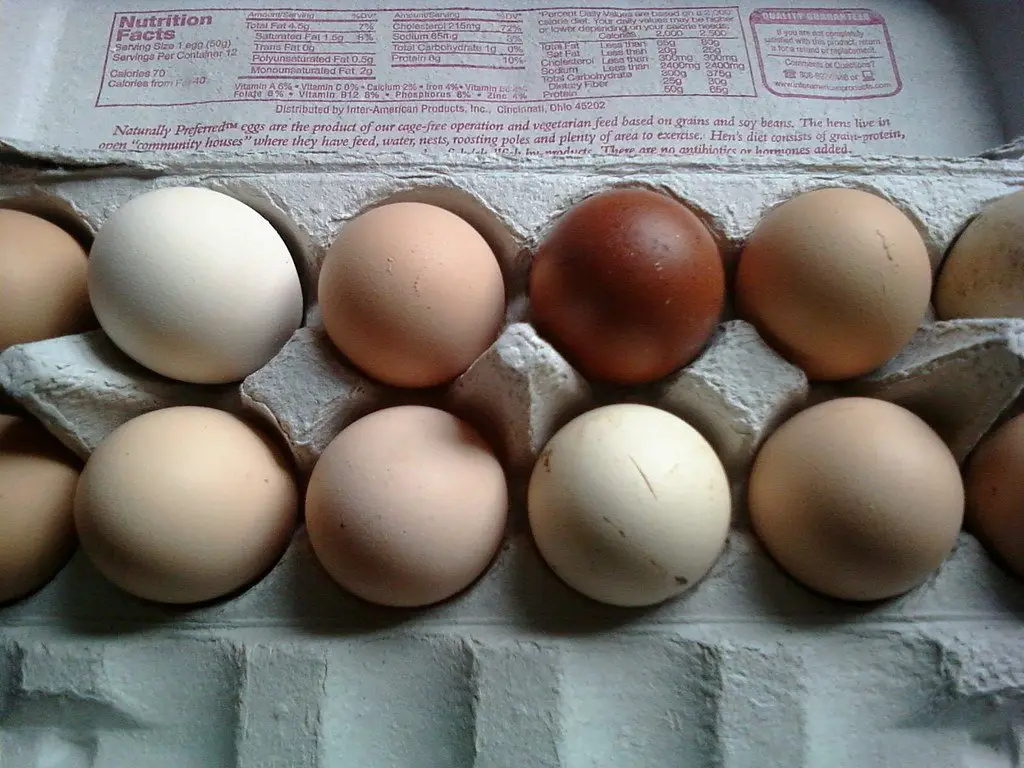
Brown eggs are not a breed trait people choose for any practical reason — they taste the same as white ones — but they are what most buyers want, and the breeds that lay them are a well-defined set.
The real choice inside that set is a lot of eggs for two years, or a good number for five.
The six, on the numbers
| Breed | Eggs/year | Winter laying | Temperament | Productive life |
|---|---|---|---|---|
| Australorp | 250–300 | Good | Calm, friendly | 4–5 years |
| Commercial brown hybrid | 300–320 | Fair | Busy, docile | 2–3 years |
| Rhode Island Red | 250–300 | Fair to good | Confident, can be pushy | 4–5 years |
| Plymouth Rock | 200–250 | Good | Calm, hardy | 4–5 years |
| Sussex | 200–250 | Fair | Very calm, curious | 4–5 years |
| Orpington | 180–220 | Poor to fair | Very calm, often broody | 4–5 years |
Read the first two rows together, because that is the actual decision. The hybrid wins the first year by fifty or sixty eggs. By year four it is laying occasionally and the Australorp is still filling a basket.
Hybrid or heritage: the honest version
Commercial brown hybrids are a genuine achievement of selective breeding. They convert feed to eggs more efficiently than any heritage breed, they are usually docile, they are cheap, and they are sex-linked — chicks can be told apart by colour at hatch, so you get pullets rather than a coin flip.
What you give up is time. A bird bred to lay 320 eggs a year is running its reproductive system hard, and the consequences show up as a sharp production drop after two or three years and a higher rate of reproductive problems in later life.
For a commercial operation that replaces its flock on a schedule, that is the right trade. For a backyard flock where the hens have names and stay until they die of old age, it often is not — you end up keeping and feeding birds that stopped laying years ago.
Note
Neither choice is wrong. Decide first whether your hens are livestock or pets, because that answer picks the breed for you more cleanly than any laying figure.
Why winter is the figure that matters most
Everyone is in eggs in June. The difference between flocks shows in January.
Laying is driven by day length, not temperature. Below roughly 12 hours of daylight most hens slow sharply or stop, which in much of the US means a quiet period from November to February. Breeds described as good winter layers are simply the ones least sensitive to that drop.
You can override it with a light on a timer in the coop, extending the day to 14 hours. It works. It also uses up the hen’s finite supply of ova faster, so you get more eggs sooner and fewer laying years in total. Whether that is a good deal depends again on whether these are livestock or pets.
Broodiness, and when it is a feature
A broody hen sits on eggs, stops laying, and defends the nest box for weeks. Orpingtons and Sussex are the most likely to do it; hybrids and Leghorns rarely bother.
If you want to raise chicks, that instinct is worth more than an incubator — a broody hen does the turning, the humidity and the brooding with no equipment and no electricity. If you want eggs, it is three weeks of nothing from your calmest bird.
Keep one broody-prone breed in the flock if you ever intend to hatch. Keep none if you do not.
How many hens you actually need
Four good brown layers give you around a thousand eggs a year. That is twenty a week at peak, which is more than most households eat.
Three is plenty for a couple, and three is also roughly the floor for welfare reasons — chickens are flock animals and should not be kept alone or as a pair, because a single bird left when one dies is genuinely distressed.
Start at three or four. The common mistake is starting at eight and discovering what twenty-five eggs a week looks like in a small kitchen.
Common questions
What is the best brown egg laying chicken?
Which chicken lays the most brown eggs?
Do brown eggs taste different from white eggs?
Which brown egg layers do best in winter?
How many brown egg layers do I need for a family?
Why did my brown eggs get lighter in colour?
Backyard Weekly
Know what to plant, week by week
Join the weekly email for seasonal jobs, fixes for what is going wrong, and gear worth buying.
Not ready to subscribe? The planting calendar is free and needs no email.
By subscribing you agree to our privacy policy. Grow In Backyard will never sell your address.
Keep reading
Best Chickens for Eggs — 6 Breeds, 200 to 300 a Year
The best chickens for eggs lay 200 to 300 a year, but not for long. 6 breeds compared on output, temper and lifespan. See which fits your flock.
What Chicken Lays the Most Eggs Per Day? None Lay Two
No hen lays more than one egg a day, and the biology sets that ceiling. Which breeds come closest to daily laying, and why the question matters.
Best Chickens for Beginners — 5 Breeds Ranked on Temper
The best chickens for beginners are picked on temperament, not eggs. 5 breeds compared on noise, handling and hardiness. See which suits your yard.
Best Egg Incubator for Backyard Chickens — 5 Compared
The best egg incubator for backyard chickens holds temperature steady. 5 compared on turning, humidity and cost. See which matches your hatch size.