Best Chickens for Eggs: 6 Breeds Worth Keeping
The highest-laying breeds are not always the right ones. Six laying breeds compared on eggs per year, temperament, cold tolerance, and how long they actually last.
We may earn a commission when you buy through links on this page, at no extra cost to you.

On this page
“Best layer” usually gets answered with whichever breed lays the most eggs, which is how a lot of people end up with a flock that is finished in three years. Output is one variable among four, and the other three — lifespan, temperament, and climate tolerance — are what you actually live with.
How we compared them
Every breed here is judged on four things: annual egg production in a backyard setting (not a commercial one, where figures are higher), realistic lifespan, temperament in a mixed flock, and tolerance of heat and cold.
The figures below are ranges rather than single numbers because feed quality, daylight, and stress move them significantly. A hen in a well-run backyard flock will generally land in the middle of her range; a stressed or underfed one will sit below it regardless of breed.
Mix breeds deliberately
Three hybrids plus three heritage birds gives you high output now and a flock that still exists in year six. Adding one Easter Egger makes it obvious at a glance who has stopped laying, because you can tell whose eggs are missing from the carton.
Before you buy
Check your local rules first — many municipalities cap flock size, ban roosters outright, or set a minimum distance between a coop and a property line. That decision is easier to make before the birds arrive than after.
Then plan for the whole life of the bird, not the laying years. A hen that stops laying at five and lives to nine is four years of feed for no eggs. Decide in advance what you are going to do about that, because it is the question every backyard keeper eventually faces. Our guide to how long chickens live covers what to expect.
Secure the coop before the birds arrive
Predators find a new flock fast. Half-inch hardware cloth on every opening, a buried or skirted perimeter, and latches a raccoon cannot work — all of it needs to be finished before day one, not after the first loss.
How we picked
Six breeds judged on backyard output rather than commercial figures · Picks last checked September 2026.
- Eggs per year, in a backyard
- Commercial figures assume controlled light, feed, and culling at 18 months. We use the range a well-kept backyard flock actually produces, which is consistently lower.
- Realistic lifespan
- Output means little if the bird is finished in three years. Lifespan is the variable most buyers only discover afterwards, so we weight it equally.
- Temperament in a mixed flock
- Most backyard flocks hold several breeds. A bird that bullies or panics changes daily life with the flock far more than a 30-egg difference does.
- Heat and cold tolerance
- Climate decides more outcomes than breed quality. Large combs frostbite; heavy feathering overheats. The right answer is regional.
Our picks
| # | Pick | Best for |
|---|---|---|
| 1 | ISA Brown | Most eggs per year |
| 2 | Australorp | Best all-rounder |
| 3 | Rhode Island Red | Toughest and most forgiving |
| 4 | Leghorn | Best in heat |
| 5 | Orpington | Best temperament |
| 6 | Easter Egger | Best coloured eggs |
Most eggs per year
ISA Brown
If you want the most eggs for the least feed, nothing beats an ISA Brown. Go in knowing you are buying two excellent years, not a long-term bird.
- Eggs/year
- 300–320
- Egg colour
- Brown
- Lifespan
- 2–4 years
- Temperament
- Very docile
What we liked
- Highest output of any common backyard breed
- Starts laying early, around 18 weeks
- Calm, easy to handle, good with children
- Widely available and inexpensive
Worth knowing
- Short-lived; reproductive problems are common from year two
- Output collapses after year two
- A hybrid, so it will not breed true
Best all-rounder
Australorp
The breed we recommend most often. You give up roughly 40 eggs a year against a hybrid and get four times the lifespan in exchange.
- Eggs/year
- 250–280
- Egg colour
- Brown
- Lifespan
- 8–10 years
- Temperament
- Calm, friendly
What we liked
- Near-hybrid output from a genuine heritage breed
- Lives 8–10 years and keeps laying into year five
- Handles both heat and cold well
- Quiet and steady in a mixed flock
Worth knowing
- Goes broody more often than a hybrid
- Black feathers absorb heat in extreme summers
Toughest and most forgiving
Rhode Island Red
The breed to pick if your setup is imperfect or your winters are hard. Keep an eye on flock dynamics if you also keep gentle breeds.
- Eggs/year
- 250–300
- Egg colour
- Brown
- Lifespan
- 6–8 years
- Temperament
- Assertive
What we liked
- Extremely hardy and disease-resistant
- Lays reliably through cold winters
- Tolerates poor housing and mediocre feed better than most
Worth knowing
- Can bully more timid breeds in a mixed flock
- Roosters are frequently aggressive
Best in heat
Leghorn
The most feed-efficient layer on the list and the best choice in a hot climate — provided you want eggs rather than a friendly flock.
- Eggs/year
- 280–320
- Egg colour
- White
- Lifespan
- 6–8 years
- Temperament
- Flighty
What we liked
- Very high output on notably little feed
- Large comb sheds heat — excellent in hot climates
- Rarely goes broody, so laying is uninterrupted
Worth knowing
- Nervous and hard to handle; not a pet
- Good flyer, needs a covered run
- Large comb is prone to frostbite in cold winters
Best temperament
Orpington
Buy Orpingtons if the flock is as much about keeping chickens as collecting eggs. Expect around 200 eggs a year and a bird that will sit on your lap.
- Eggs/year
- 180–220
- Egg colour
- Brown
- Lifespan
- 8–10 years
- Temperament
- Exceptionally gentle
What we liked
- The calmest common breed; genuinely good with children
- Very cold-hardy under heavy feathering
- Long-lived and reliably healthy
Worth knowing
- Noticeably fewer eggs than the top layers
- Goes broody often, which pauses laying
- Heavy feathering struggles in high heat
Best coloured eggs
Easter Egger
The one to add if you want a mixed carton. Output is respectable and the birds are hardy — just accept some variability.
- Eggs/year
- 200–280
- Egg colour
- Blue / green
- Lifespan
- 6–8 years
- Temperament
- Curious, friendly
What we liked
- Blue or green eggs, one colour per hen for life
- Solid output and good hardiness
- Friendly and inquisitive without being flighty
Worth knowing
- Not a standardised breed, so traits vary between birds
- Egg colour is unknown until she starts laying
Which should you buy?
| If you… | Buy | Because |
|---|---|---|
| Want the most eggs, and treat hens as livestock | ISA Brown | 300–320 eggs a year for two strong seasons, on less feed than any heritage bird. |
| Want one flock that lasts, with strong output | Australorp | 250–280 eggs a year from a bird that lives 8–10 years and stays calm in a mixed flock. |
| Hot summers, mild winters | Leghorn | A large comb sheds heat, and it rarely goes broody, so laying does not pause. |
| Hard winters or an imperfect setup | Rhode Island Red | The most forgiving breed on the list — tolerates cold, mediocre feed, and first-year mistakes. |
| Children will handle the birds | Orpington | The calmest common breed. You trade roughly 80 eggs a year for a genuinely tame flock. |
When not to buy at all
If your municipality caps flock size at two or three birds, or bans them outright, buy nothing until you have checked — rehoming a flock is far harder than not starting one. And if nobody will be home at dusk most days to shut the coop, secure the run first and buy birds second; predators, not breed choice, decide how long a backyard flock lasts.
Common questions
Which chicken lays the most eggs?
How many chickens do I need for a family of four?
What is the best egg-laying breed for beginners?
Do I need a rooster to get eggs?
When do hens stop laying in winter?
Backyard Weekly
Know what to plant, week by week
Free planting calendar. Join the weekly email for seasonal jobs, fixes for what is going wrong, and gear worth buying.
Set MONETIZATION.email.endpoint in src/config/site.ts to enable this form.
By subscribing you agree to our privacy policy. Grow In Backyard will never sell your address.
Keep reading
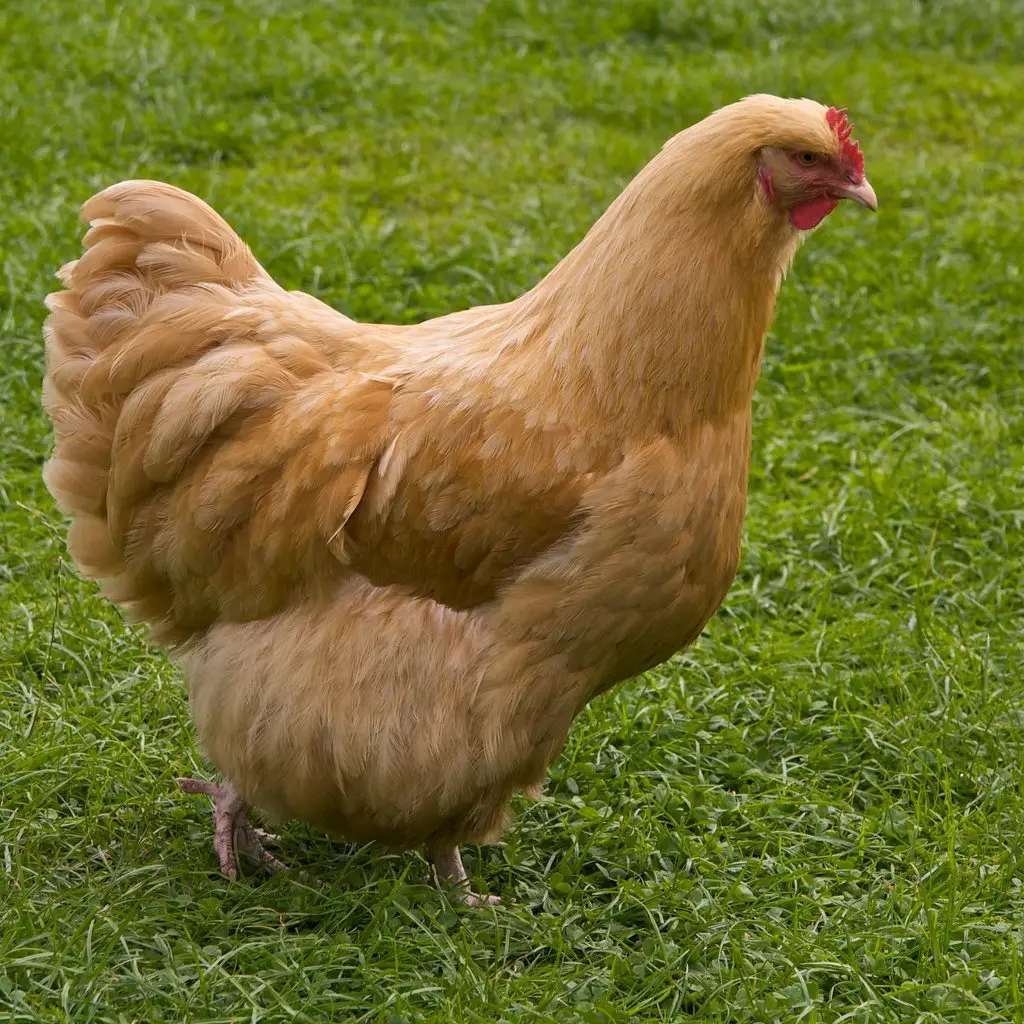
Chicken Breeds: A Guide by What Each One Is Actually For
Fourteen common breeds sorted by purpose — eggs, meat, dual-purpose, beginner-friendly — with a link to the full comparison for each category.
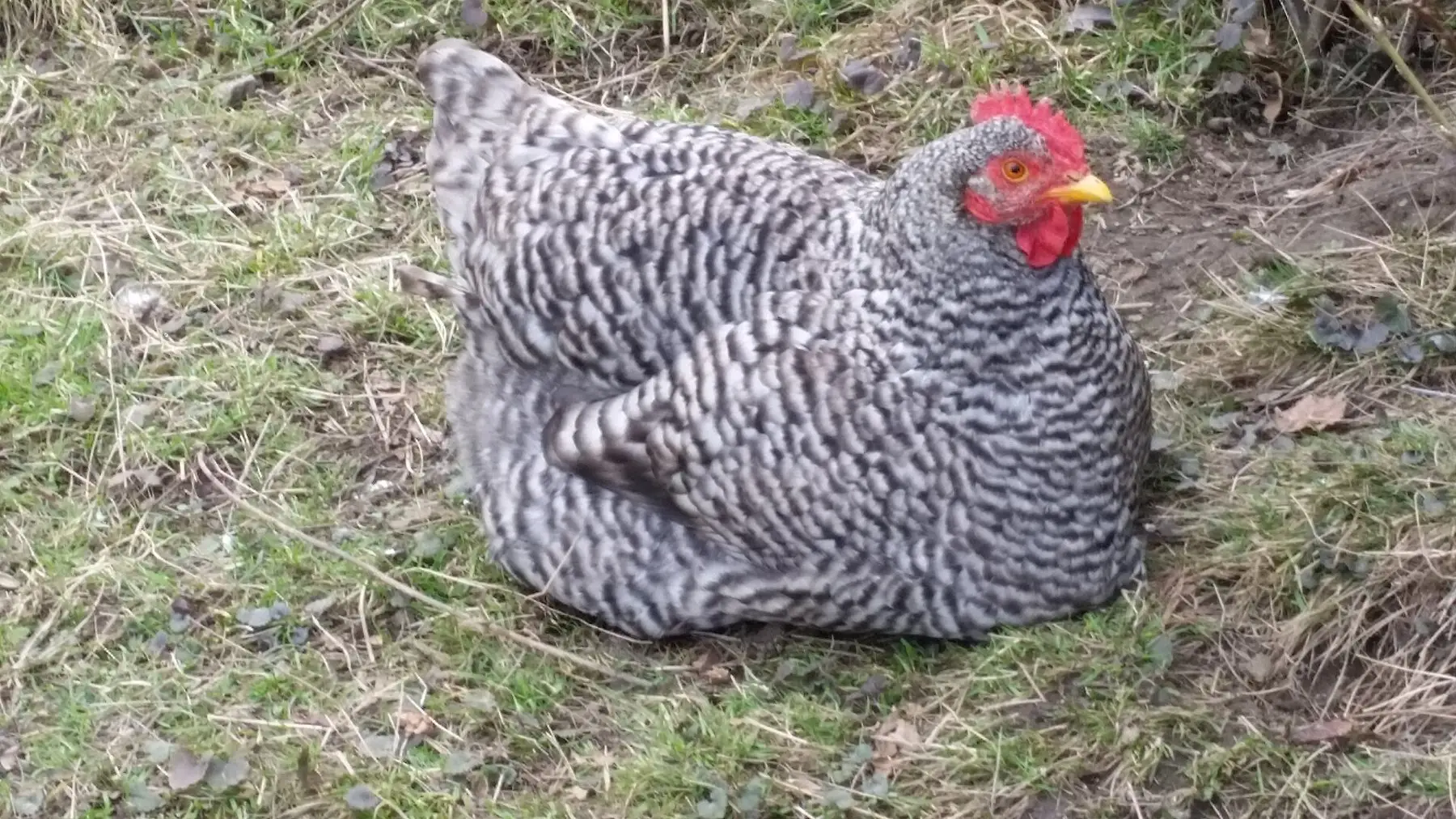
How Long Do Chickens Live? (5–10 Years, With Caveats)
Backyard hens typically live 5–10 years, but breed and predators change that dramatically. The realistic lifespan, and what actually shortens it.
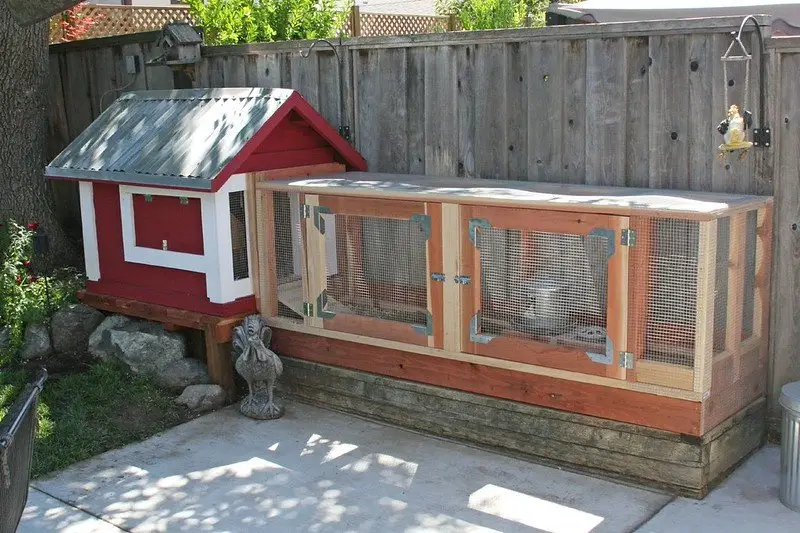
Best Chicken Coops You Can Buy (and When Building Is Cheaper)
Prefab coops range from genuinely good to a raccoon's first target. What to check before buying one, sized by flock, and when building instead saves real money.
Best Chickens for Beginners: Temperament First
Every breeds list ranks by eggs. For a first flock, temperament, noise, and how forgiving a breed is of mistakes matter more. Five breeds picked on that basis.