How Long Do Chickens Live? (5–10 Years, With Caveats)
Backyard hens typically live 5–10 years, but breed and predators change that dramatically. The realistic lifespan, and what actually shortens it.

On this page
The short answer is five to ten years — but the spread around that average is enormous, and which end of it your flock lands on is mostly decided by two things you control: what breed you bought, and how secure the coop is.
Lifespan by type of bird
| Type | Examples | Typical lifespan | Peak laying |
|---|---|---|---|
| Production hybrid | ISA Brown, Golden Comet | 2–4 years | Years 1–2 |
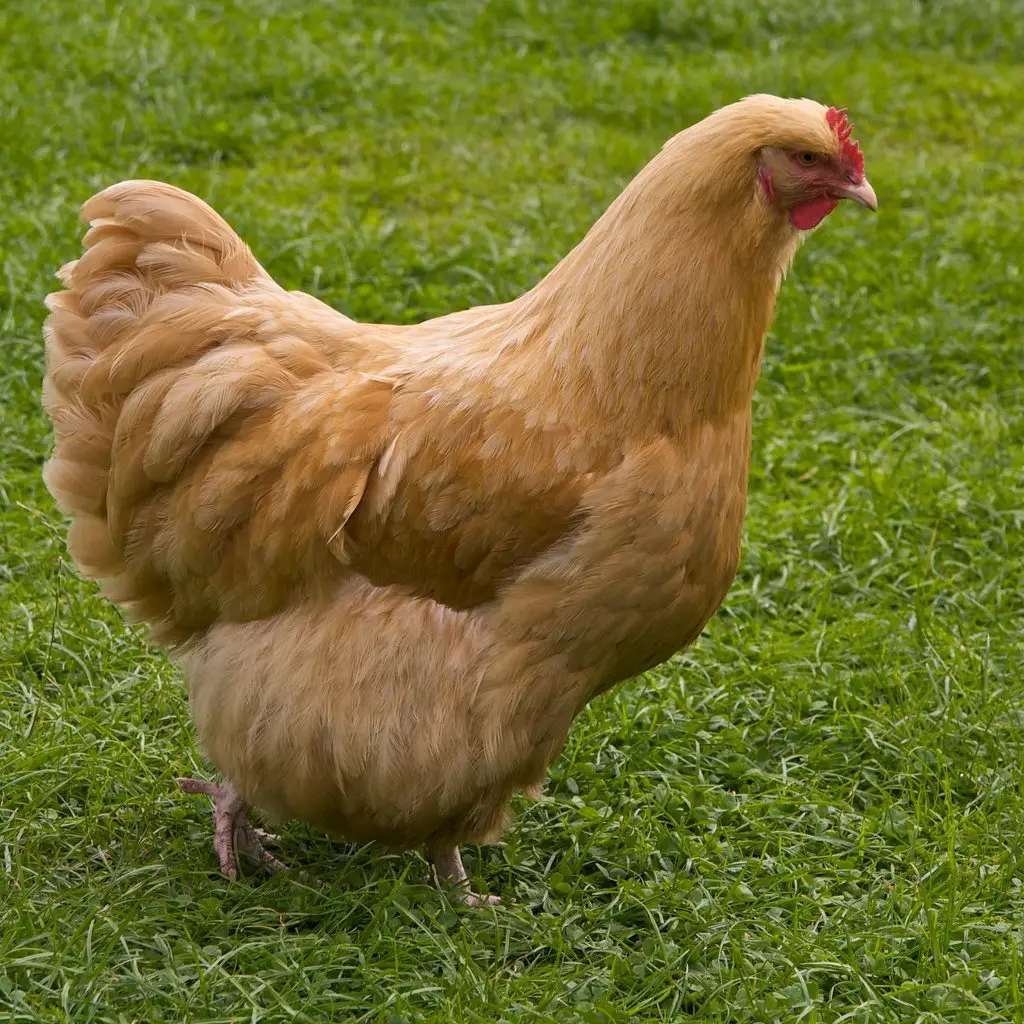
| Dual-purpose heritage | Orpington, Wyandotte, Sussex | 6–8 years | Years 1–3 |
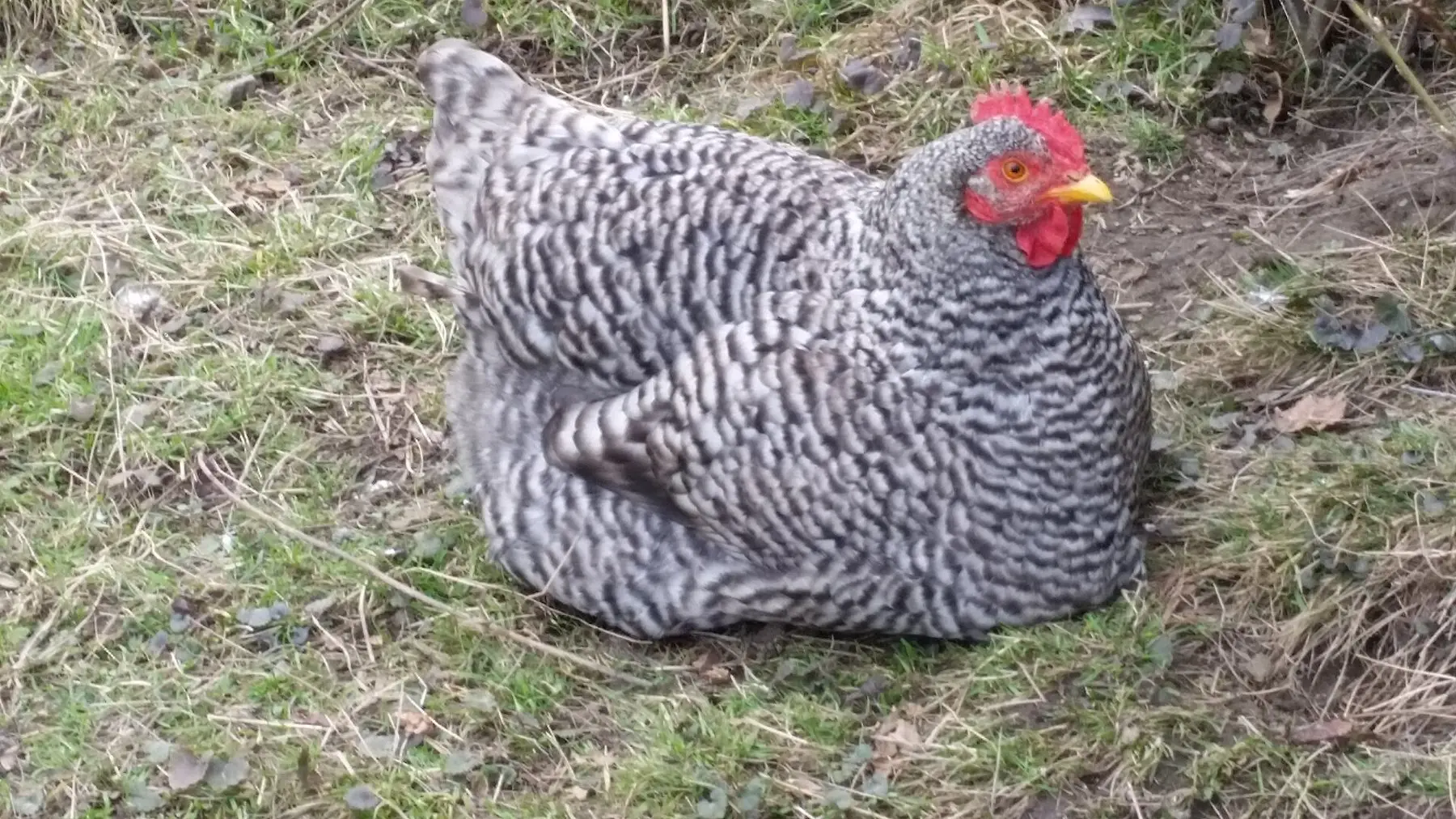
| Old heritage breed | Plymouth Rock, Australorp, Brahma | 8–12 years | Years 1–3 |
| Bantam | Silkie, Sebright | 7–12 years | Years 1–4 |
| Landrace / game | Icelandic, Old English | 10–15 years | Years 1–5 |
The pattern is consistent and worth understanding before you buy: the more eggs a bird has been bred to lay, the shorter it lives. A hybrid laying 320 eggs a year is running a metabolic process that a heritage bird laying 180 simply is not, and it comes at a cost in reproductive tumours, egg binding, and prolapse.
This is a real trade-off, not a flaw
Neither choice is wrong. If you want maximum eggs from minimum birds, hybrids are efficient and excellent at it. If you want a flock you will still recognise in eight years, buy heritage and accept fewer eggs. Problems mostly arise when people buy hybrids expecting pets.
What actually kills backyard chickens
Predators. Not close. Raccoons, foxes, hawks, opossums, rats, and loose dogs account for more backyard chicken deaths than everything else combined. Raccoons in particular can open simple latches and reach through 1-inch chicken wire.
Reproductive disease. Egg binding, internal laying, prolapse, and ovarian cancer are the leading natural causes in hens, and they concentrate in high-production birds from about year two.
Parasites and respiratory disease. Mites, lice, worms, and coccidiosis rarely kill directly but weaken a bird until something else does.
Heat. Chickens handle cold far better than heat. Sustained temperatures above 95°F kill birds, especially heavy or heavily feathered breeds.
Hardware cloth, not chicken wire
Chicken wire keeps chickens in. It does not keep predators out — a raccoon will tear through it and a weasel walks straight through the gaps. Use ½-inch hardware cloth on every opening, bury or skirt it 12 inches out from the base, and use two-step latches a raccoon cannot work. This single change extends flock lifespan more than any other.
How long they keep laying
Laying life and lifespan are different questions, and the gap between them is where most people are caught out.
A hen lays best in her first two years, then declines roughly 15–20% annually. She will usually still lay something into her sixth or seventh year — just not much. A well-kept heritage hen at year six might give you two eggs a week.
That means a flock kept to natural lifespan spends most of its life not laying productively. It is worth deciding early whether you are keeping livestock or keeping pets, because the two lead to very different flocks — and very different costs.
Getting to the top of the range
- Secure housing first. Hardware cloth, buried skirt, predator-proof latches, closed at dusk.
- Feed for the life stage. Layer feed for laying hens, and lower-calcium maintenance feed for retired ones — sustained high calcium damages the kidneys of a bird that is no longer laying.
- Keep the coop dry and ventilated. Ammonia and damp cause more respiratory disease than cold does.
- Treat parasites on a schedule, not when you notice a problem.
- Provide shade and water in heat, and expect to intervene above 90°F.
- Do not overcrowd — 4 sq ft per bird in the coop, 10 in the run, minimum.
Common questions
What is the oldest chicken ever recorded?
How long do chickens lay eggs?
Do roosters live as long as hens?
Why do production breeds die younger?
What kills most backyard chickens?
Backyard Weekly
Know what to plant, week by week
Free planting calendar. Join the weekly email for seasonal jobs, fixes for what is going wrong, and gear worth buying.
Set MONETIZATION.email.endpoint in src/config/site.ts to enable this form.
By subscribing you agree to our privacy policy. Grow In Backyard will never sell your address.
Keep reading
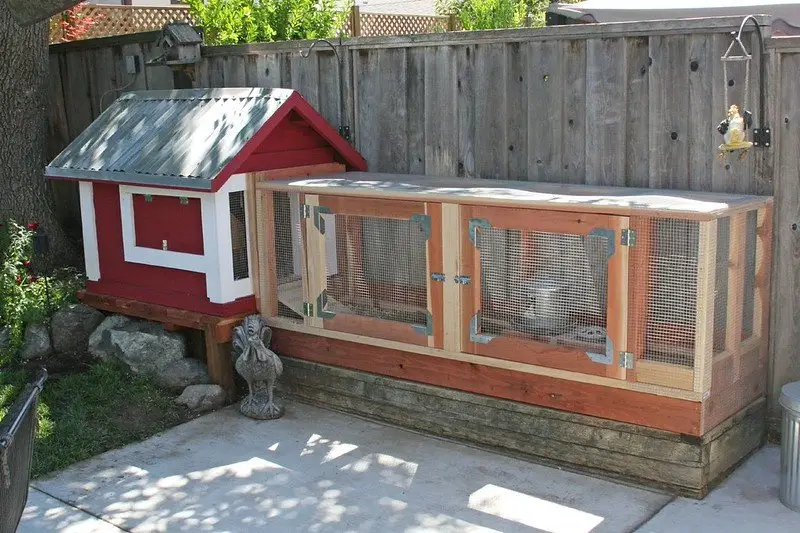
Best Chicken Coops You Can Buy (and When Building Is Cheaper)
Prefab coops range from genuinely good to a raccoon's first target. What to check before buying one, sized by flock, and when building instead saves real money.
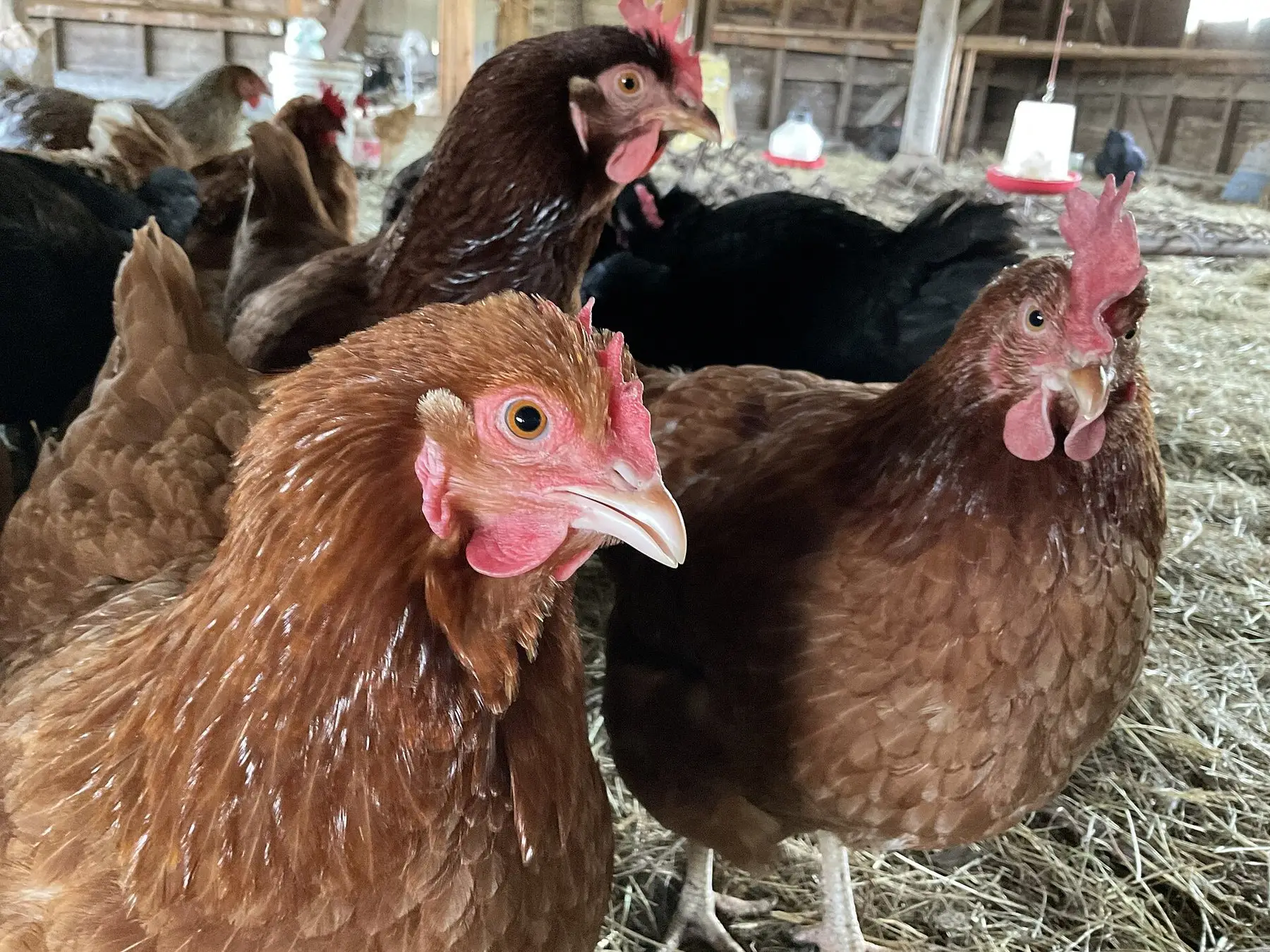
Best Chickens for Beginners: Temperament First
Every breeds list ranks by eggs. For a first flock, temperament, noise, and how forgiving a breed is of mistakes matter more. Five breeds picked on that basis.
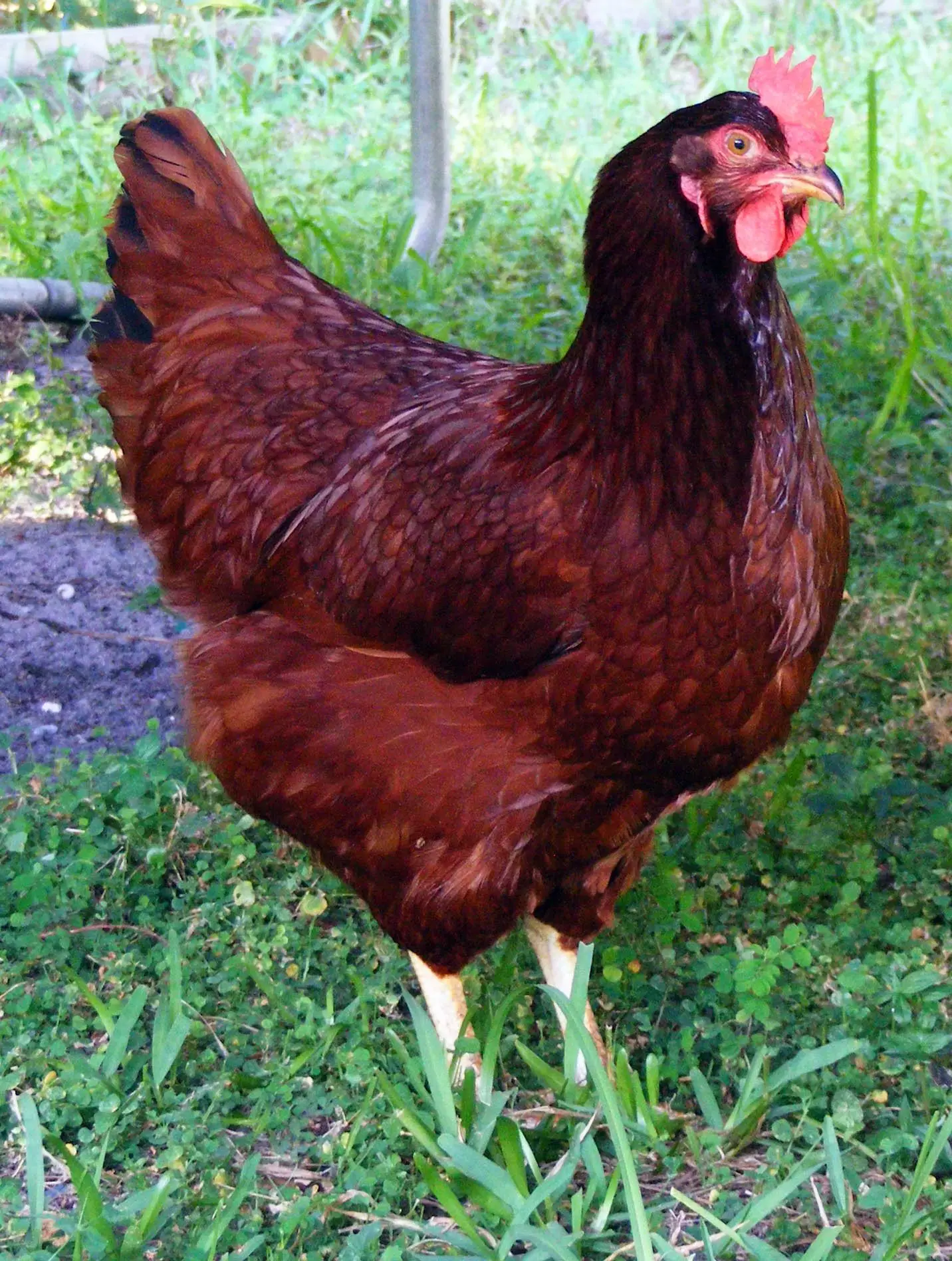
Best Dual-Purpose Chickens: Eggs and Meat From One Flock
A dual-purpose breed will never out-lay a hybrid or out-grow a broiler. Five breeds that do both well enough that one flock covers both jobs.
Chicken Breeds: A Guide by What Each One Is Actually For
Fourteen common breeds sorted by purpose — eggs, meat, dual-purpose, beginner-friendly — with a link to the full comparison for each category.