
Best Egg Laying Chickens for Hot Climates: Heat-Hardy Breeds
Heat stops hens laying before it kills them. Which breeds keep producing above 90°F, what body shape and comb size have to do with it, and which to avoid.
 By
On this page
Heat is the constraint people underestimate, because it does not announce itself the way cold does. A hen in a Gulf Coast August is not obviously in trouble — she is just not laying, and has not been for six weeks.
The breed traits that fix it are mechanical and easy to read off a bird: a light frame, tight feathering, and a big floppy comb.
How a chicken actually cools itself
There are no sweat glands. A hot hen has three routes:
Panting. Evaporating water from the airways, which is why humidity matters so much — in humid air the same panting removes far less heat, and this is the mechanism that fails first on a muggy night.
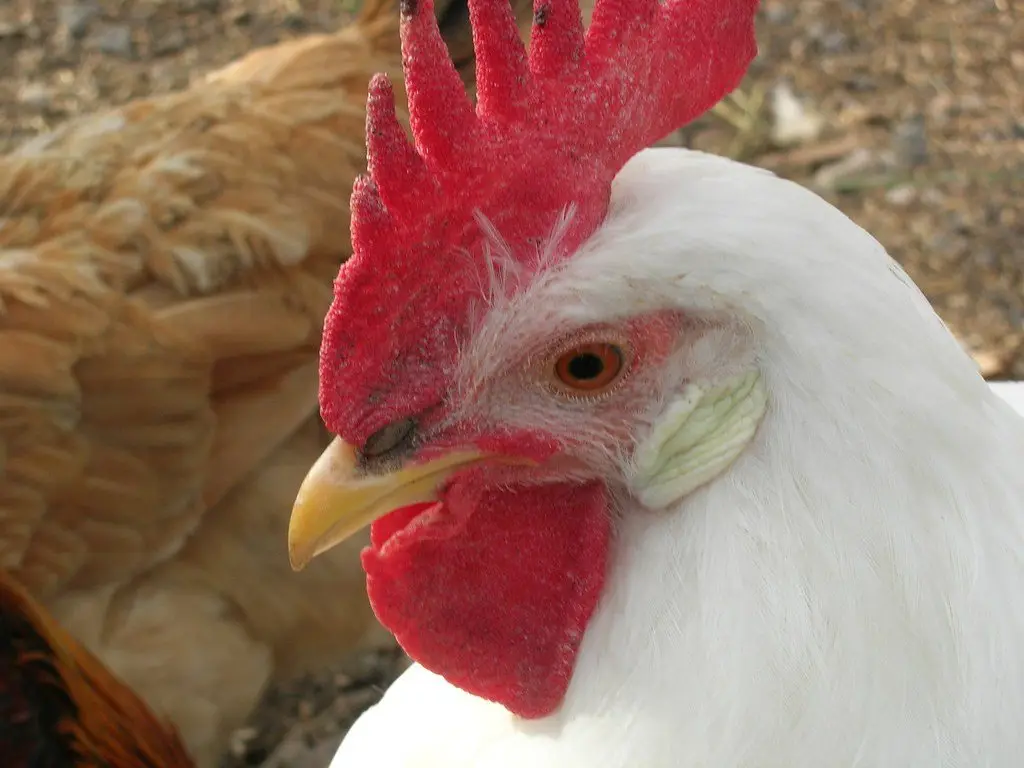
Radiating through bare skin. Comb, wattles and legs are unfeathered and well supplied with blood. The bird routes blood through them to dump heat, which is precisely why hot-climate breeds have large floppy combs and cold-climate breeds have small tight ones that will not freeze.
Holding the wings away from the body, exposing the thinly feathered underwing. A hen standing with wings slightly out and beak open is already working at it.
| Breed | Comb | Build | Eggs/year | Egg colour | Heat tolerance |
|---|---|---|---|---|---|
| White Leghorn | Very large single | Light | 280–320 | White | Excellent |
| Minorca | Very large single | Light, tall | 200–220 | White | Excellent |
| Andalusian | Large single | Light | 160–200 | White | Excellent |
| Naked Neck | Large single | Medium | 150–200 | Brown | Exceptional |
| Easter Egger | Pea | Medium | 200–250 | Blue/green | Good |
| Rhode Island Red | Single | Medium-heavy | 250–300 | Brown | Moderate |
| Orpington | Small single | Heavy, fluffy | 180–220 | Brown | Poor |
| Brahma, Cochin | Small | Very heavy, feathered legs | 150–200 | Brown | Poor |
The brown egg problem
There is an awkward correlation here, and it is worth stating plainly rather than talking around.
The breeds selected over centuries in hot Mediterranean summers lay white eggs. The breeds selected in cool northern Europe and the northern United States lay brown eggs and are heavy and loose-feathered. Shell colour has nothing to do with heat tolerance — but the breeds that have one tend not to have the other.
So if you want brown eggs in Texas, you are compromising. Rhode Island Reds and Easter Eggers are the usual landing point: moderately heat-tolerant, decent layers, and a summer dip you plan around rather than avoid.
Watch out
Silkies, Cochins, Brahmas and heavily feathered or fluffy breeds are sold everywhere and are genuinely charming birds. In sustained heat above about 95°F they suffer, and no amount of management fully compensates. Choose them knowing that.
Management, which outruns breed above 95°F
At 85°F the breed is the main variable. At 105°F it barely matters — what matters is what you have built.
- Deep shade that moves. A tarp is better than nothing; a tree is better than a tarp. Shade that is only there at noon is shade for an hour
- Several water sources, so no bird ever queues in the sun, and refreshed often enough to be cool rather than warm
- Ventilation at roost height. Hot air pools at the top of a coop overnight. Vents under the eaves, not down at floor level where a draught hits the birds
- Shallow pans of cool water for standing in. Feet and wattles are where the heat goes
- Feed scratch in the morning, not the evening. Digestion produces heat
- No handling, worming or moving birds in the afternoon. Do it at dawn
Thin-shelled eggs in a heatwave are a calcium and panting problem — a panting hen loses carbon dioxide, which shifts her blood chemistry and reduces shell deposition. Free-choice oyster shell helps; shade helps more.
What a summer stop actually looks like
Laying slows, then stops. Eggs that do appear may be smaller or thin-shelled. Feed consumption drops noticeably while water consumption can triple. Birds stand about in the shade rather than foraging.
None of that is illness, and none of it needs treatment. It resumes within one to two weeks of temperatures dropping, usually without intervention.
What needs intervention is a bird panting hard with wings out and a pale, limp comb, or one sitting apart from the flock and unresponsive. That is heat stress rather than heat tolerance, and it is an afternoon problem with an immediate answer: shade, cool water, and get her out of the sun.
Common questions
What chicken breed handles heat best?
Why did my chickens stop laying in summer?
What temperature is too hot for chickens?
Are brown egg layers less heat tolerant?
How do I keep chickens cool in hot weather?
Do large combs really help with heat?
Backyard Weekly
Know what to plant, week by week
Join the weekly email for seasonal jobs, fixes for what is going wrong, and gear worth buying.
Not ready to subscribe? The planting calendar is free and needs no email.
By subscribing you agree to our privacy policy. Grow In Backyard will never sell your address.
Keep reading
Best Chickens for Eggs — 6 Breeds, 200 to 300 a Year
The best chickens for eggs lay 200 to 300 a year, but not for long. 6 breeds compared on output, temper and lifespan. See which fits your flock.
Best Brown Egg Layers: Six Breeds Ranked on Eggs per Year
Brown eggs come from a handful of reliable breeds. Which lay most, which keep laying through winter, and why hybrid layers burn out faster than heritage hens.
Chickens in Winter: What They Need and What They Don't
Chickens tolerate cold far better than most keepers expect. The real risks are moisture and frostbite, not temperature — and a heat lamp usually makes both worse.
Best Chickens for Beginners — 5 Breeds Ranked on Temper
The best chickens for beginners are picked on temperament, not eggs. 5 breeds compared on noise, handling and hardiness. See which suits your yard.