Best Chickens for Beginners: Temperament First
Every breeds list ranks by eggs. For a first flock, temperament, noise, and how forgiving a breed is of mistakes matter more. Five breeds picked on that basis.
We may earn a commission when you buy through links on this page, at no extra cost to you.

On this page
Almost every “best chicken breeds” list ranks by eggs per year, which is the wrong axis for a first flock. The breed that survives a beginner’s first year is the one that tolerates a late feeding, an occasionally dirty coop, and a guess at portion sizes — not the one that lays the most.
What actually matters for a first flock
| Trait | Australorp | Orpington | Wyandotte | Rhode Island Red | ISA Brown (avoid) |
|---|---|---|---|---|---|
| Tolerates mistakes | High | High | Medium-high | High | Low |
| Handleable | Yes | Very | Somewhat | Less so | Yes |
| Noise | Quiet | Quiet | Very quiet | Moderate | Quiet |
| Lifespan | 8–10 yrs | 8–10 yrs | 6–8 yrs | 6–8 yrs | 2–4 yrs |
| Eggs/year | 250–280 | 180–220 | 200–240 | 250–300 | 300–320 |
The hybrid wins on eggs and loses on everything that determines whether a first-time keeper has a good experience. That trade-off is explained in full in how long chickens live — the short version is that the breeds bred to lay the most also decline and die soonest, and are more prone to reproductive problems from early on.
Broodiness is a feature for a beginner
A hen going broody looks alarming the first time it happens, and it is often treated as a fault. For a first flock it is genuinely useful: it is low-stakes, it teaches you to read chicken behaviour, and none of the breeds recommended here are so broody that it becomes disruptive. Save the anxiety for something that actually matters.
Breeds to avoid, and why
High-production hybrids (ISA Brown, Golden Comet, Red Star) lay more eggs than anything on this list, and that output comes at a metabolic cost — they decline and die younger, and are more prone to reproductive disorders from year two onward. A beginner learning the basics on a bird with a two- to four-year lifespan is a harder, more discouraging start than it needs to be.
Leghorns are excellent layers and genuinely poor beginner birds: flighty, difficult to handle, and strong fliers that clear fences calmer breeds respect. They suit an experienced keeper who wants maximum eggs on minimum feed, not a first flock.
Which one, honestly
If you want one answer, get Australorps. They forgive early mistakes, handle well enough to teach you flock behaviour safely, and still produce close to the top of the range on eggs.
Once the first flock is settled, best chickens for eggs and best chickens for meat cover the specialist breeds worth knowing about as you decide what a second or expanded flock should look like. And if you have not yet built anywhere for them to live, start with what keeping backyard chickens actually takes.
How we picked
Five breeds judged on forgiveness of beginner mistakes, not on maximum egg output · Picks last checked September 2026.
- Tolerance of imperfect care
- A first flock will get late feedings, an occasionally dirty coop, and a beginner's guess at portion sizes. Some breeds shrug this off; production hybrids in particular do not.
- Temperament and handleability
- A calm bird that tolerates being picked up and inspected makes health checks and problem-spotting far easier, and is safer around children.
- Noise
- Neighbour complaints are a real reason first flocks get rehomed. Some breeds and most hens are naturally quiet; some are not, regardless of whether a rooster is present.
- Broodiness and general robustness
- A tendency to go broody is a beginner-friendly trait, not a flaw — a broody hen is easy to work around and teaches you flock behaviour. General hardiness against cold, heat, and common ailments matters more than output in year one.
Our picks
| # | Pick | Best for |
|---|---|---|
| 1 | Australorp | Best all-round beginner breed |
| 2 | Orpington | Best with children |
| 3 | Wyandotte | Best for noise-sensitive areas |
| 4 | Rhode Island Red | Toughest in bad weather |
| 5 | Easter Egger | Best budget start |
Best all-round beginner breed
Australorp
If you want one answer without reading further, this is it. Near-hybrid output from a bird that forgives a beginner's early mistakes and lives most of a decade.
- Eggs/year
- 250–280
- Temperament
- Calm, friendly
- Noise
- Quiet
- Lifespan
- 8–10 years
What we liked
- Tolerates beginner mistakes better than almost any breed
- Strong egg output without the fragility of a hybrid
- Calm enough for regular handling
- Copes well with both heat and cold
Worth knowing
- Goes broody more often than a production hybrid
- Dark feathers absorb heat in extreme summer conditions
Best with children
Orpington
Choose Orpingtons when the flock is as much about the family having good pets as it is about eggs. Expect around 200 eggs a year and a genuinely tame bird.
- Eggs/year
- 180–220
- Temperament
- Exceptionally gentle
- Noise
- Quiet
- Lifespan
- 8–10 years
What we liked
- The calmest common breed, reliably good with kids
- Very cold-hardy under heavy feathering
- Rarely aggressive, even among roosters
Worth knowing
- Noticeably fewer eggs than the other breeds here
- Prone to broodiness, which pauses laying
- Heavy feathering struggles in high heat
Best for noise-sensitive areas
Wyandotte
The pick when a close neighbour is the deciding factor. Quiet, hardy, and productive enough for most households.
- Eggs/year
- 200–240
- Temperament
- Calm, a little independent
- Noise
- Very quiet
- Lifespan
- 6–8 years
What we liked
- Among the quietest breeds commonly kept
- Cold-hardy with a compact, rounded body
- Strikingly patterned — laced, barred, or partridge
Worth knowing
- Slightly less people-friendly than Australorp or Orpington
- Can be food-competitive in a mixed flock
Toughest in bad weather
Rhode Island Red
The breed to pick if your setup or your winters are imperfect. Keep an eye on flock dynamics if you also keep gentler breeds.
- Eggs/year
- 250–300
- Temperament
- Assertive
- Noise
- Moderate
- Lifespan
- 6–8 years
What we liked
- Extremely hardy and disease-resistant
- Lays reliably through cold winters
- Tolerates mediocre housing and feed better than most
Worth knowing
- Can bully more timid breeds in a mixed flock
- Roosters are frequently aggressive
Best budget start
Easter Egger
A sensible low-cost start, with the caveat that you are buying a type rather than a fixed breed, so expect some variation bird to bird.
- Eggs/year
- 200–280
- Temperament
- Curious, friendly
- Noise
- Moderate
- Lifespan
- 6–8 years
What we liked
- Hardy, inexpensive, and widely available
- Friendly without being flighty
- Blue or green eggs — a fun bonus for a first flock
Worth knowing
- Not a standardised breed, so individual birds vary in size and temperament
- Egg colour is unknown until she starts laying
Which should you buy?
| If you… | Buy | Because |
|---|---|---|
| Want the single most forgiving all-round breed | Australorp | Calm, hardy, tolerates mistakes well, and still lays 250 or more eggs a year — the breed we recommend most to first-time keepers. |
| Children will be handling the birds directly | Orpington | The calmest common breed by a wide margin. Slower and lower-output, but genuinely good with kids. |
| A noise-sensitive neighbourhood | Wyandotte | Among the quietest common breeds, and strikingly patterned, without being flighty. |
| Hard winters and want the toughest bird | Rhode Island Red | Extremely cold-hardy and disease-resistant, though more assertive with other breeds in a mixed flock. |
| Want a lower-cost start and can tolerate variability | Easter Egger | Hardy, friendly, and inexpensive, with the bonus of coloured eggs — but it is not a standardised breed, so individual birds vary. |
When not to buy at all
Skip any high-production hybrid — ISA Brown, Golden Comet — for a genuine first flock. They lay the most eggs of anything on the market, but they are also the least forgiving of imperfect care and the shortest-lived, and a beginner learning the basics on a bird that burns out in two years is a discouraging combination.
Common questions
What is the friendliest chicken breed for a beginner?
What chicken breeds should beginners avoid?
How many chickens should a beginner start with?
Are quiet chicken breeds actually quieter, or is it mostly the rooster?
Backyard Weekly
Know what to plant, week by week
Free planting calendar. Join the weekly email for seasonal jobs, fixes for what is going wrong, and gear worth buying.
Set MONETIZATION.email.endpoint in src/config/site.ts to enable this form.
By subscribing you agree to our privacy policy. Grow In Backyard will never sell your address.
Keep reading
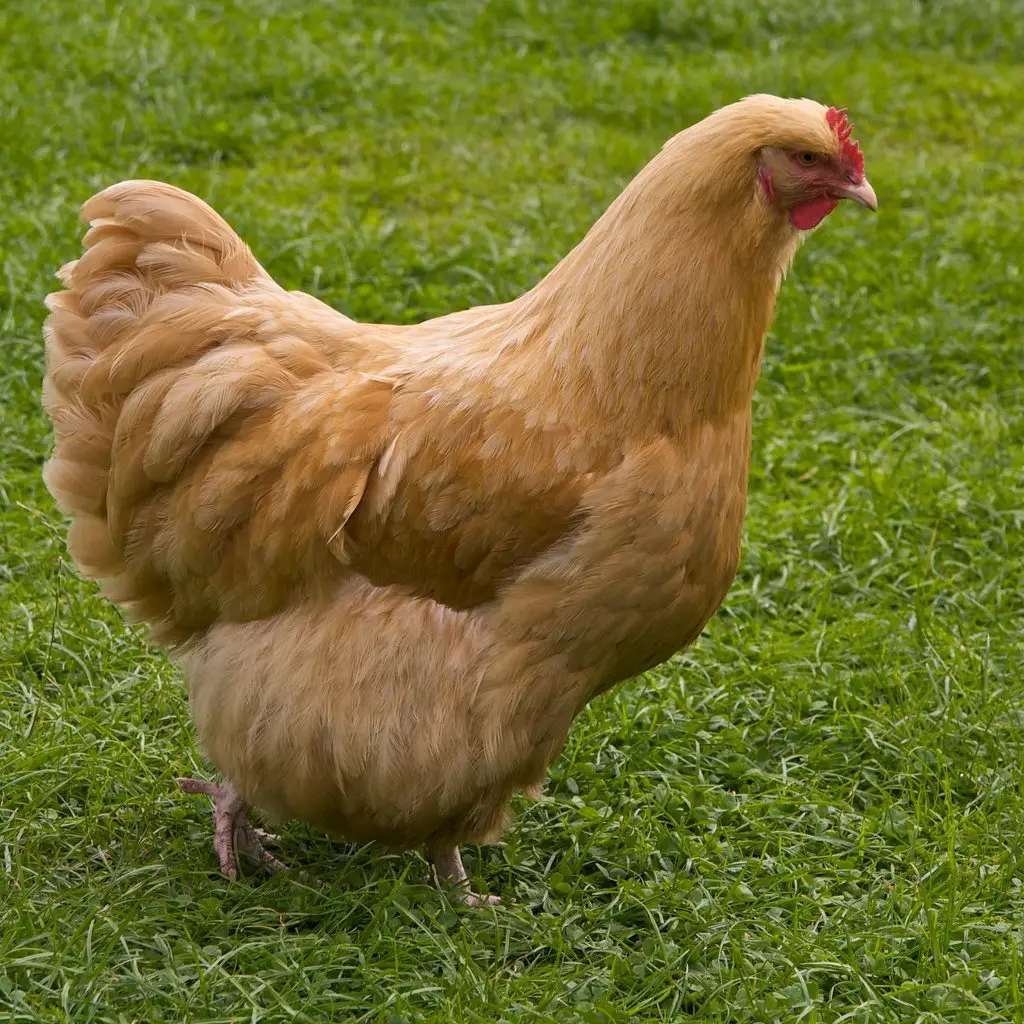
Chicken Breeds: A Guide by What Each One Is Actually For
Fourteen common breeds sorted by purpose — eggs, meat, dual-purpose, beginner-friendly — with a link to the full comparison for each category.
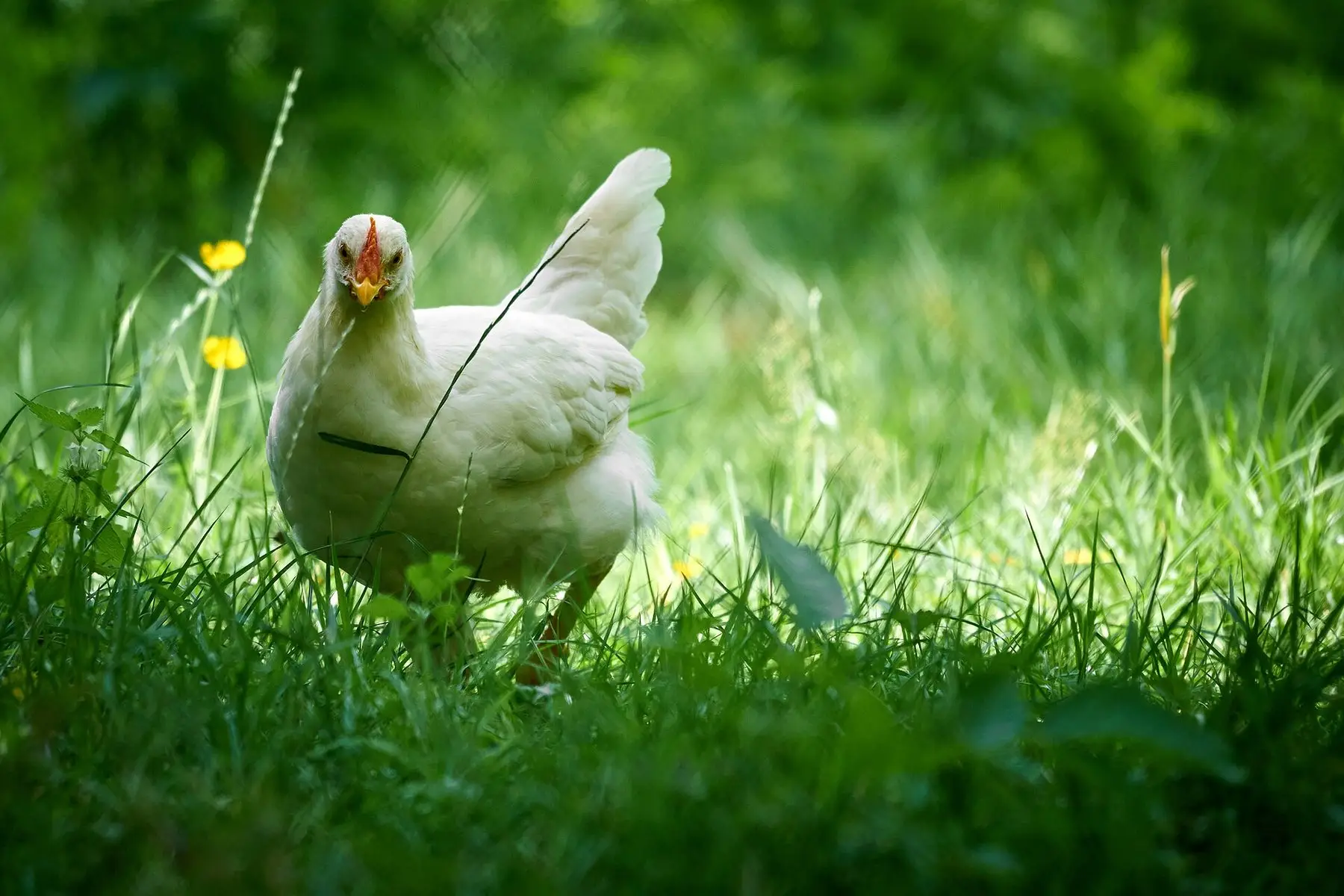
Backyard Chickens: What It Actually Takes
Space, cost, time, and the rules nobody mentions. An honest account of keeping backyard chickens before you buy the coop — including why the eggs are not free.
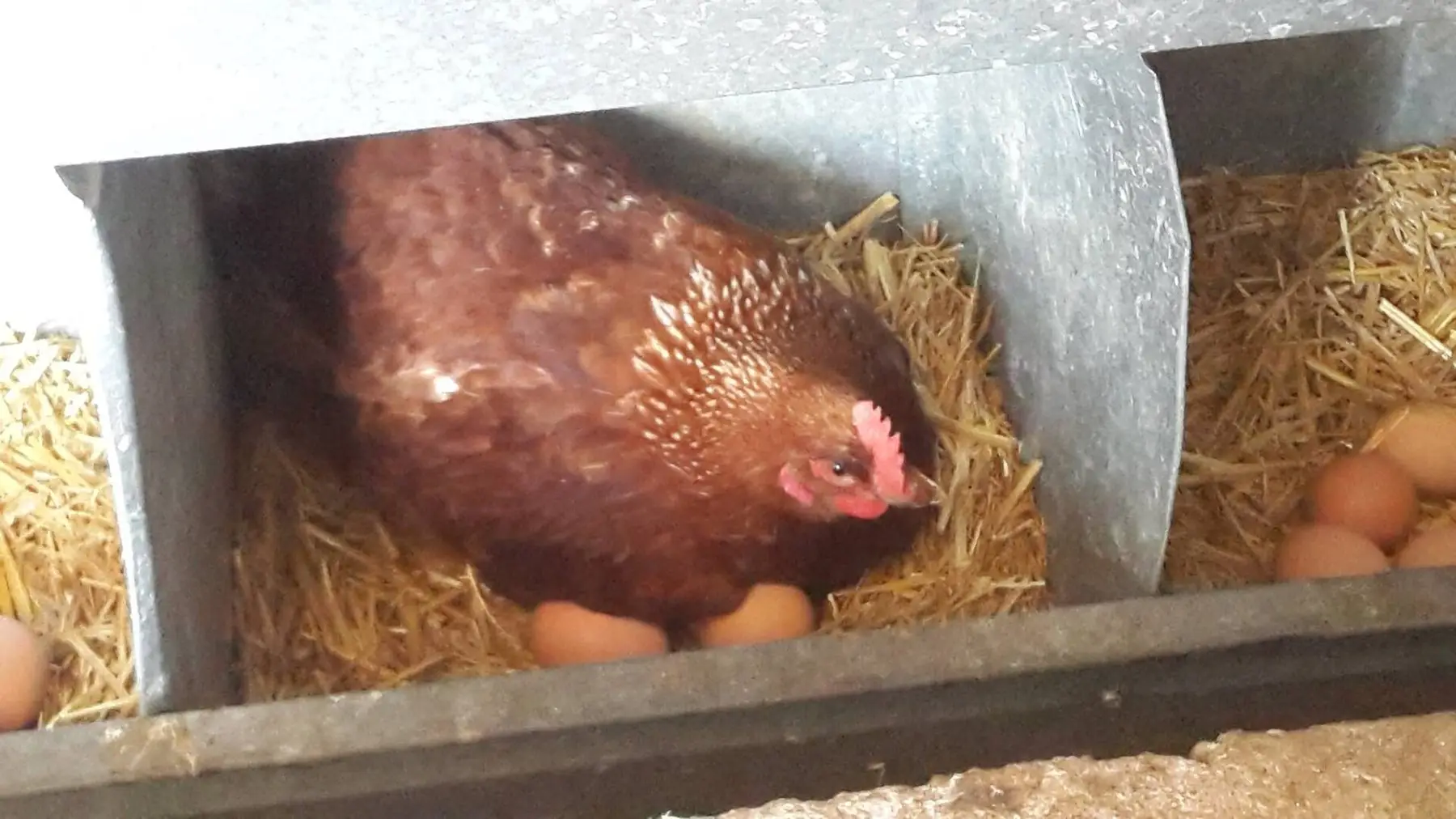
Best Chickens for Eggs: 6 Breeds Worth Keeping
The highest-laying breeds are not always the right ones. Six laying breeds compared on eggs per year, temperament, cold tolerance, and how long they actually last.
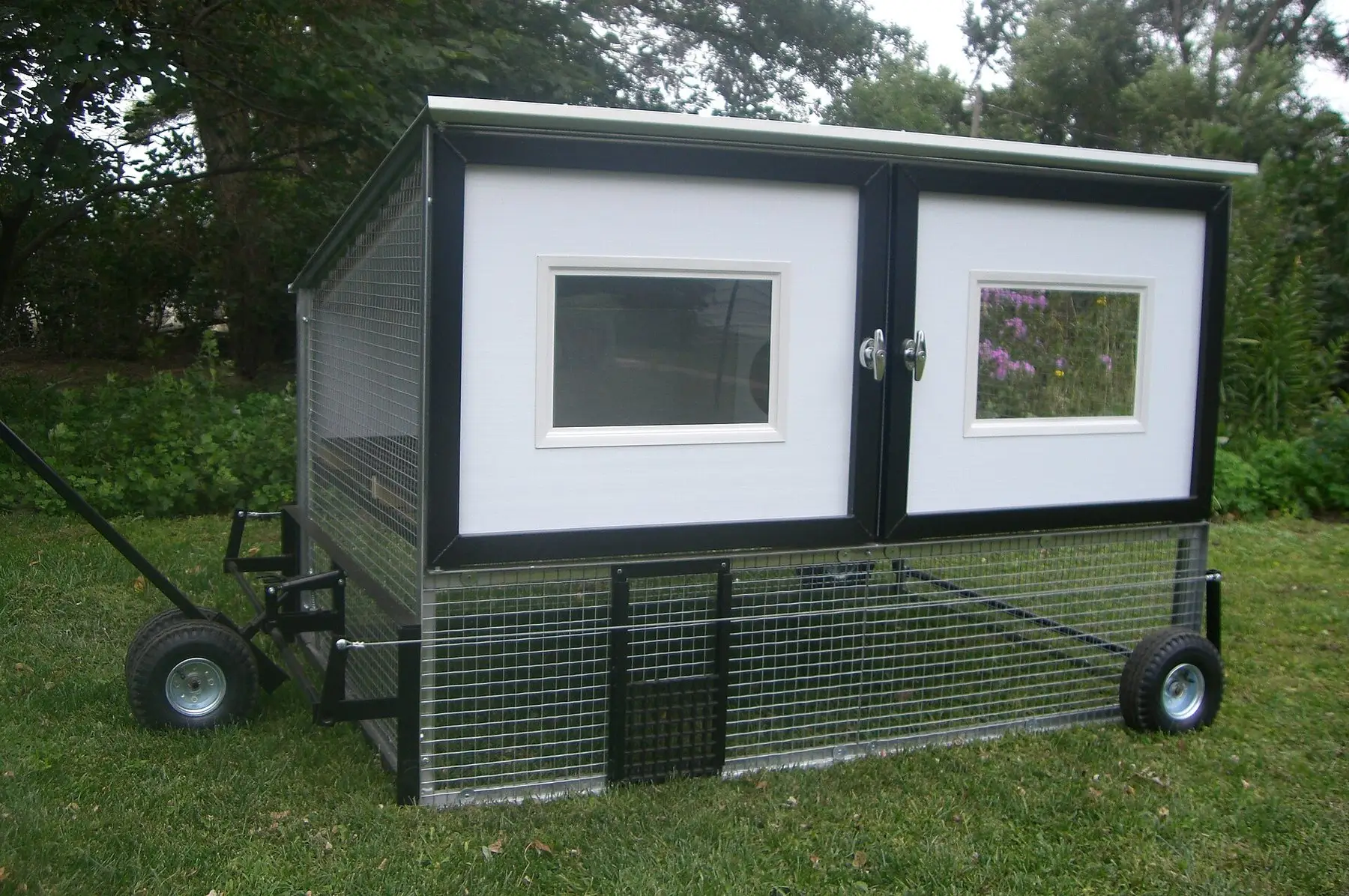
Chicken Coop Plans: Sizing It Right Before You Build
Most coop plans get ventilation and predator-proofing wrong. The dimensions that actually matter, what to build from, and a step-by-step order of work.