Backyard Chickens: What It Actually Takes
Space, cost, time, and the rules nobody mentions. An honest account of keeping backyard chickens before you buy the coop — including why the eggs are not free.
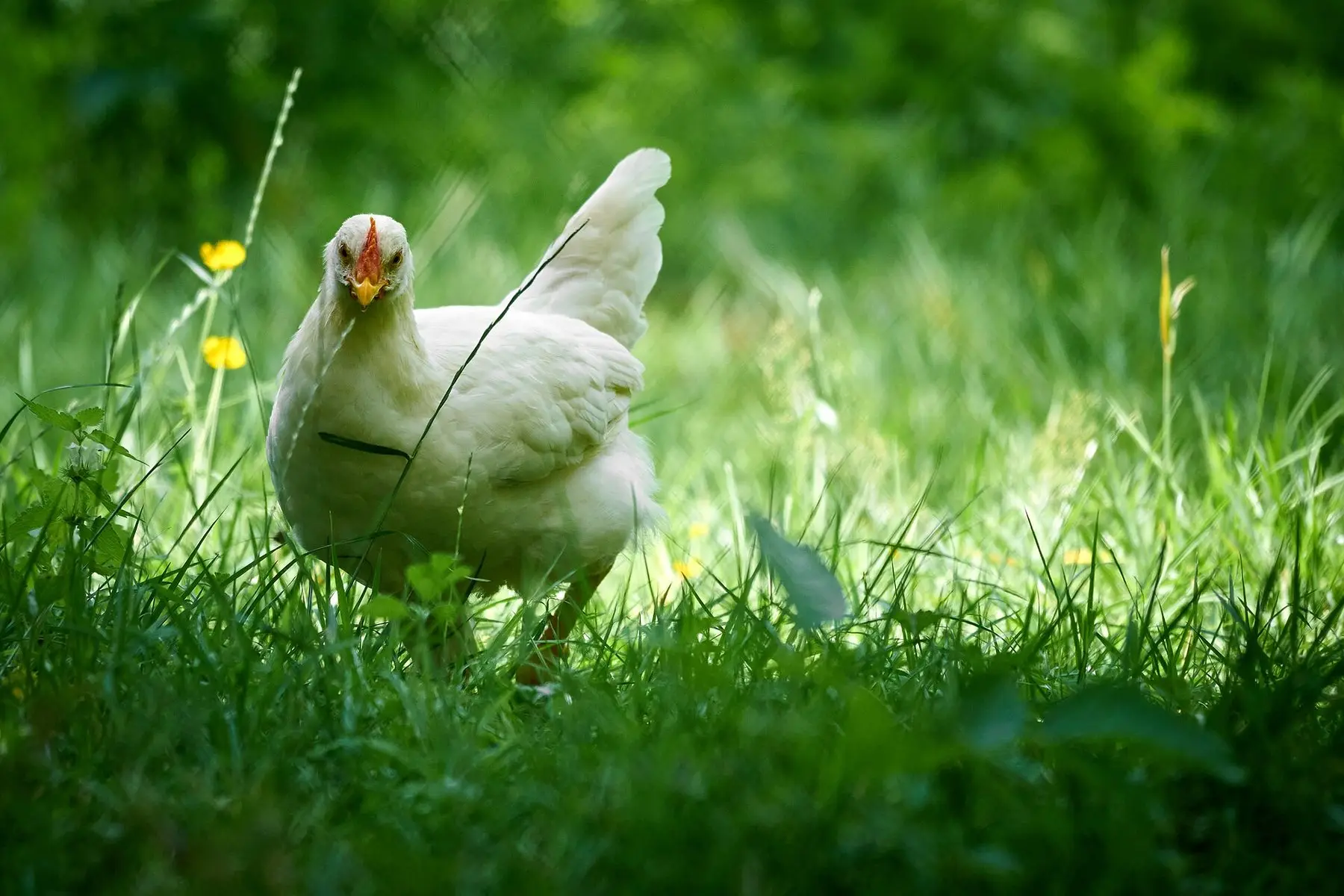
_--_2023_--_0062.jpg)
On this page
Most guides to keeping chickens open with how rewarding it is. That part is true, and it is also the part you already believe, or you would not be reading this. What follows is the other half: the space, the money, the daily tie, and the rules — so the decision is made before the birds arrive rather than after.
Check the rules before anything else
This is genuinely first, because everything after it is wasted if the answer is no.
Rules vary by municipality and sometimes by HOA, and they usually cover four things: whether hens are permitted at all, a maximum number (often four to six), whether roosters are banned (usually yes, on noise), and a minimum distance from property lines or neighbouring dwellings.
Call your local planning or animal-control office rather than relying on a forum post about your city. And if you are in an HOA, read the covenant — HOAs frequently prohibit livestock even where the city permits it.
Rehoming a flock is hard
Point-of-lay hens are easy to buy and difficult to give away. Shelters are full of them, and a neighbour complaint that arrives after the coop is built puts you in a bad position. Fifteen minutes of checking now avoids the whole problem.
Space, honestly
The published minimums are 4 square feet per bird in the coop and 8–10 in the run. Treat those as floors, not targets — flocks with more space have measurably fewer behavioural problems.
| Hens | Coop (min) | Run (min) | Eggs/week in season | Suits |
|---|---|---|---|---|
| 3 | 12 sq ft | 30 sq ft | 12–15 | A couple, small yard |
| 4 | 16 sq ft | 40 sq ft | 18–20 | Family of four |
| 6 | 24 sq ft | 60 sq ft | 26–30 | Family with eggs to give away |
| 8+ | 32+ sq ft | 80+ sq ft | 35+ | Selling or a large household |
Crowding is the single most common root cause of trouble in backyard flocks. Feather-pecking, bullying, and rapid disease spread all trace back to it faster than to feed quality, breed, or anything else. If you are between two sizes, build for the larger one.
What it actually costs
Setup is the big number and it is one-time. Feed is small and forever.
| Item | Typical | Notes |
|---|---|---|
| Coop and run | $300–800 | Kits at the low end; a solid build costs more |
| Predator-proofing | $80–200 | Hardware cloth, latches, buried skirt |
| Feeder, waterer, bedding | $60–120 | |
| Four point-of-lay hens | $80–160 | $20–40 each depending on breed |
| Feed, year one | $160–240 | Roughly $40–60 per bird per year |
| First year total | $680–1,520 | Then $160–240/year ongoing |
Four hens lay perhaps 900–1,000 eggs in a good first year. Against a first-year cost of around $1,000, that is well over a dollar an egg. Even once setup is paid off, feed alone puts backyard eggs close to premium supermarket prices.
So why do it?
Because the eggs are better, because you control exactly how the birds live, because the manure is excellent for the garden, and because chickens are genuinely good company. Every honest keeper lands on some version of that list. Nobody who has done the arithmetic says they did it to save money.
The daily tie
The time cost is small. The scheduling cost is not, and it is the thing people underestimate.
- Morning, 5 minutes — open the coop, check feed and water.
- Evening, 5–10 minutes — collect eggs, shut the coop at dusk.
- Weekly, ~1 hour — clean the coop, refresh bedding, scrub the waterer.
- Twice a year — a deep clean, and a parasite check.
Shutting the coop at dusk is the non-negotiable one. It is what stands between your flock and every raccoon, fox, and opossum in the neighbourhood. An automatic door is worth the money if your evenings are unpredictable — but you still need somebody to look in on the birds when you travel.
What actually goes wrong
Predators, by a wide margin. Not disease, not cold, not bad luck. Raccoons open simple latches and reach through chicken wire; weasels walk through gaps you would not think twice about. Use ½-inch hardware cloth on every opening, skirt or bury it 12 inches out from the base, and fit two-step latches. This single area of spending changes outcomes more than any other.
Heat, not cold. Chickens handle winter far better than most people expect and struggle badly above about 95°F. Shade and constant water matter more than insulation.
Crowding, as above.
The retirement question. Hens lay heavily for two years and then decline, but live for years afterwards — see how long chickens live and how long hens keep laying. A flock kept to natural lifespan spends most of its life not laying productively. Decide in advance whether you are keeping livestock or keeping pets; both are fine, and the two lead to very different flocks.
A sensible first flock
Four hens, three or four different breeds so you can tell them apart, all bought at point of lay (16–20 weeks) rather than as chicks — chicks need a brooder, a heat source, and five weeks of daily attention, which is a lot to take on at the same time as everything else.
For which breeds, best chickens for eggs compares six on output, lifespan, temperament, and climate. The short version for a first flock: an Australorp or a Rhode Island Red will forgive almost every beginner mistake.
Build the coop and finish the predator-proofing before the birds arrive. It is far harder to retrofit hardware cloth around a flock that is already living there.
Common questions
How many chickens should a beginner start with?
Do backyard chickens save money on eggs?
How much space do backyard chickens need?
Do I need a rooster?
How much time do chickens take each day?
Is it legal to keep chickens in my backyard?
Backyard Weekly
Know what to plant, week by week
Free planting calendar. Join the weekly email for seasonal jobs, fixes for what is going wrong, and gear worth buying.
Set MONETIZATION.email.endpoint in src/config/site.ts to enable this form.
By subscribing you agree to our privacy policy. Grow In Backyard will never sell your address.
Keep reading
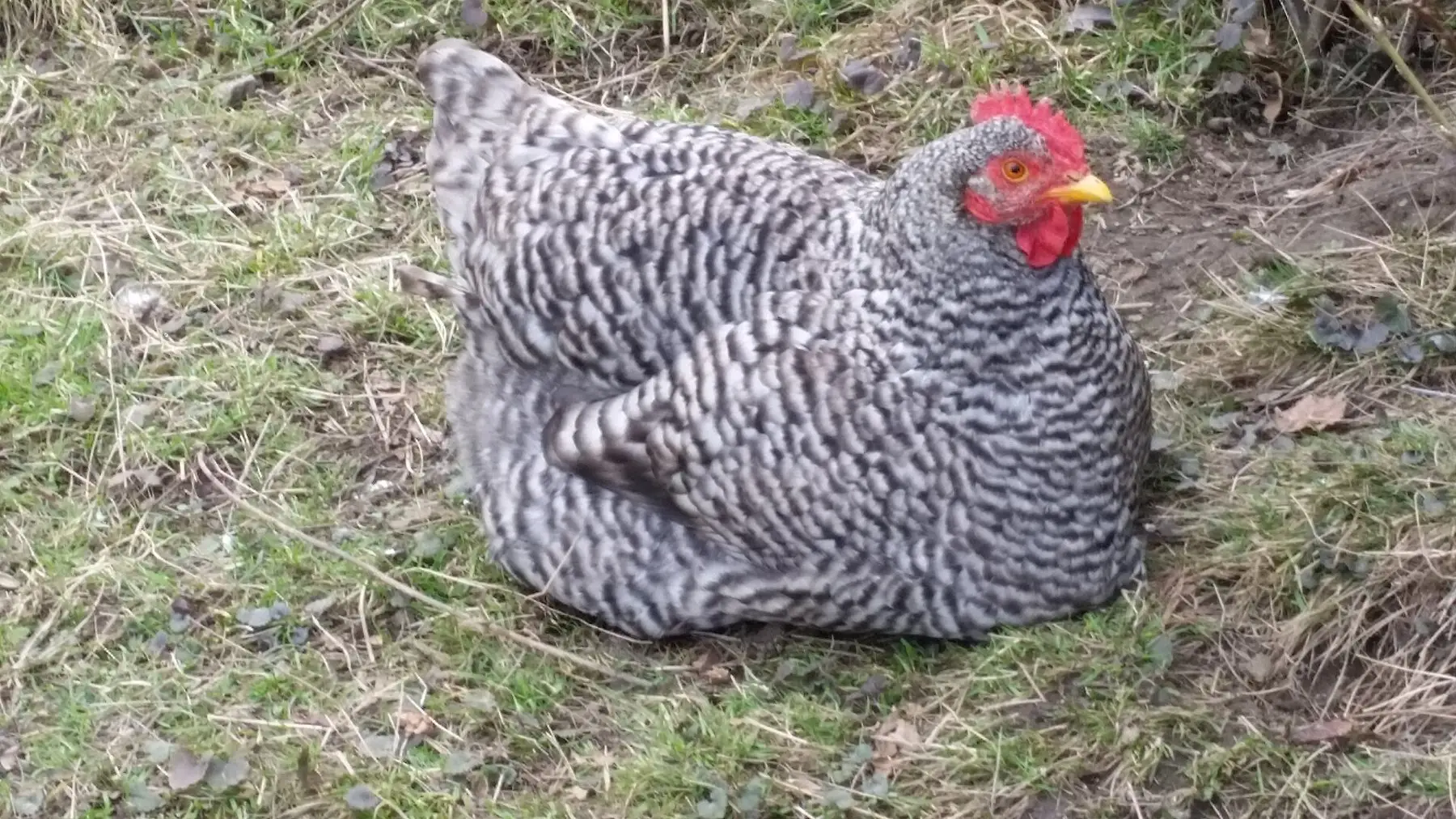
How Long Do Chickens Live? (5–10 Years, With Caveats)
Backyard hens typically live 5–10 years, but breed and predators change that dramatically. The realistic lifespan, and what actually shortens it.
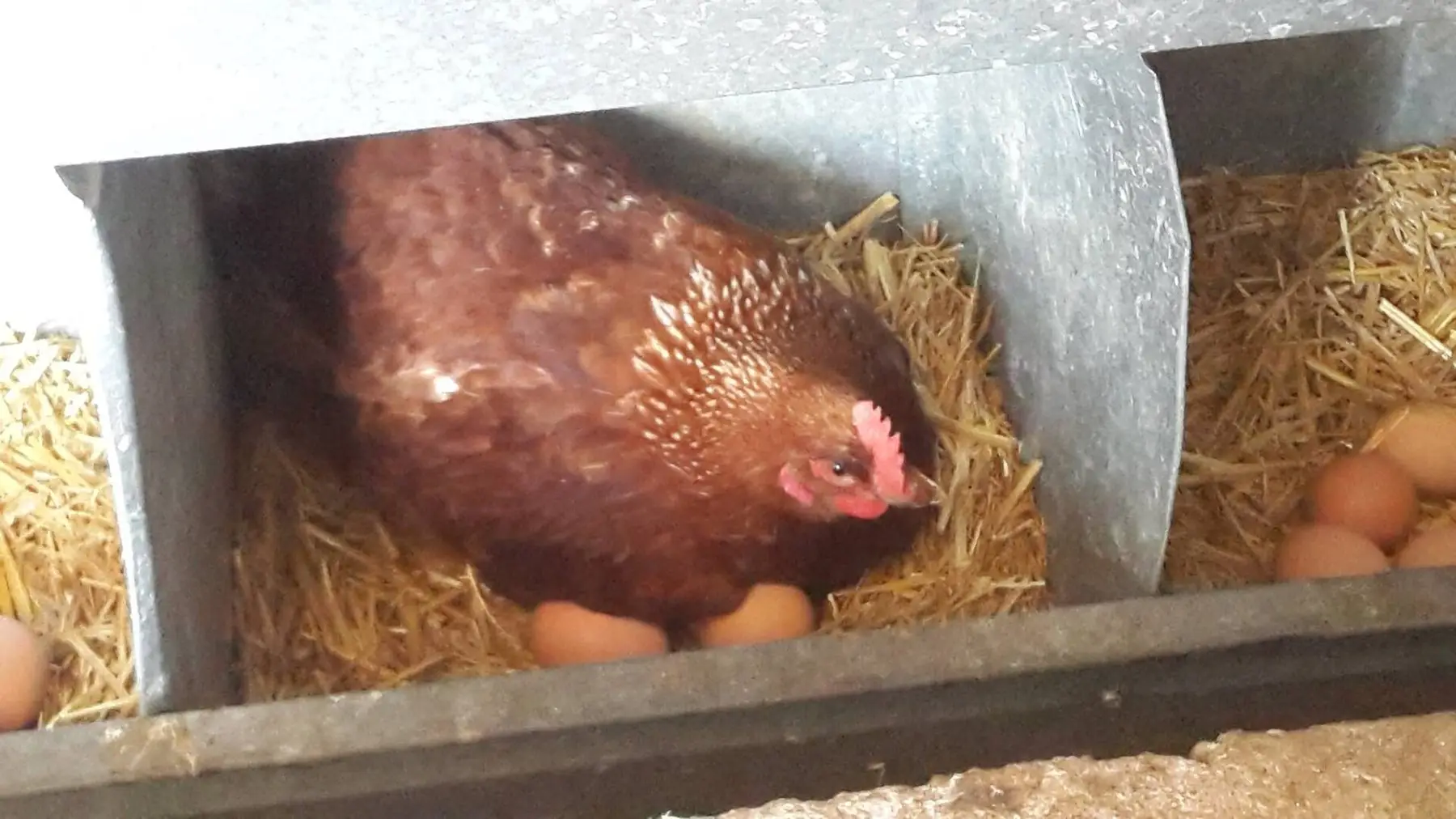
Best Chickens for Eggs: 6 Breeds Worth Keeping
The highest-laying breeds are not always the right ones. Six laying breeds compared on eggs per year, temperament, cold tolerance, and how long they actually last.
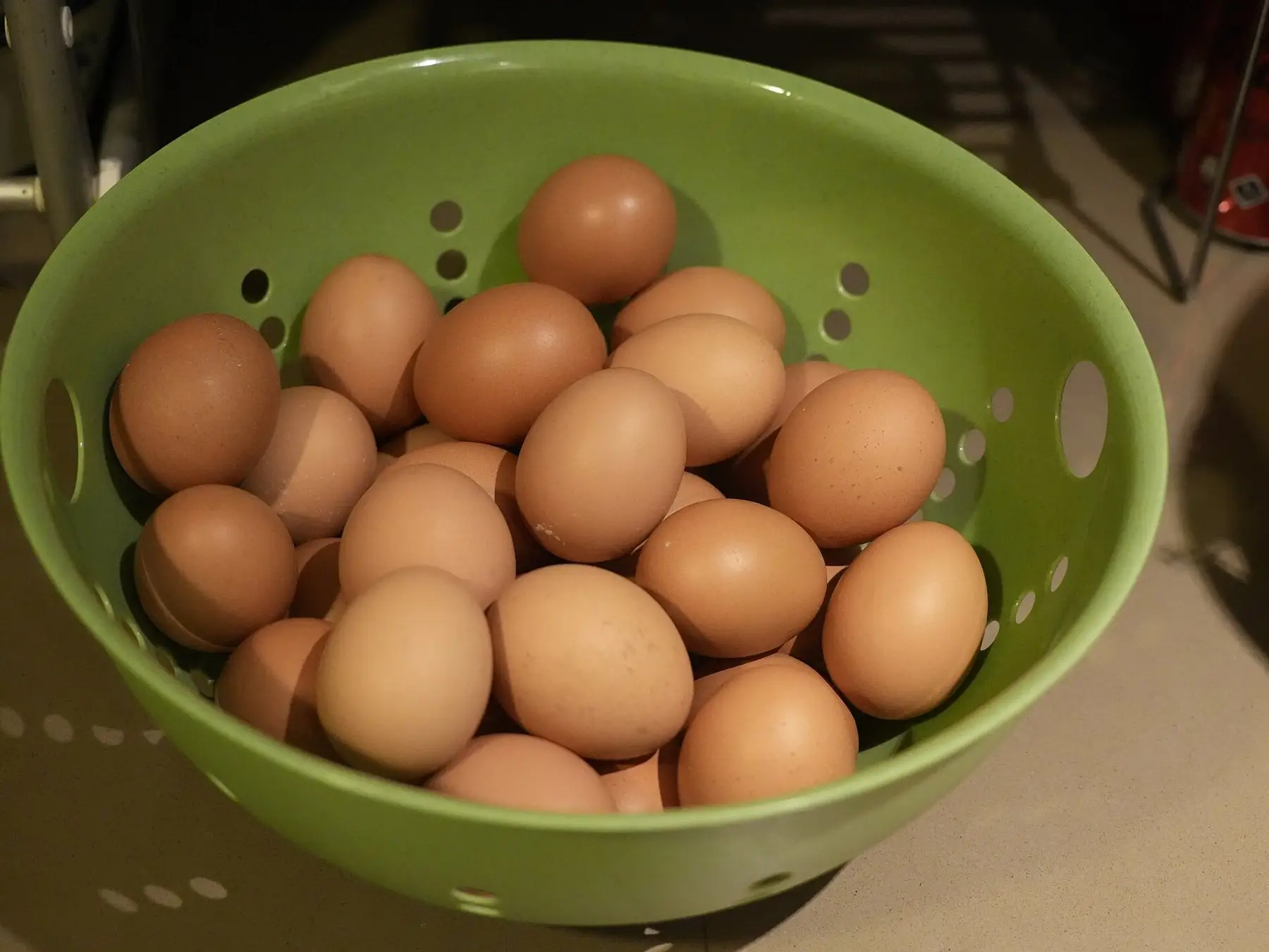
How Long Do Hens Lay Eggs? The Honest Answer
Hens lay best for two years, then decline about 15–20% annually. Most keep laying into year six or seven — just not many. Here is the real production curve.
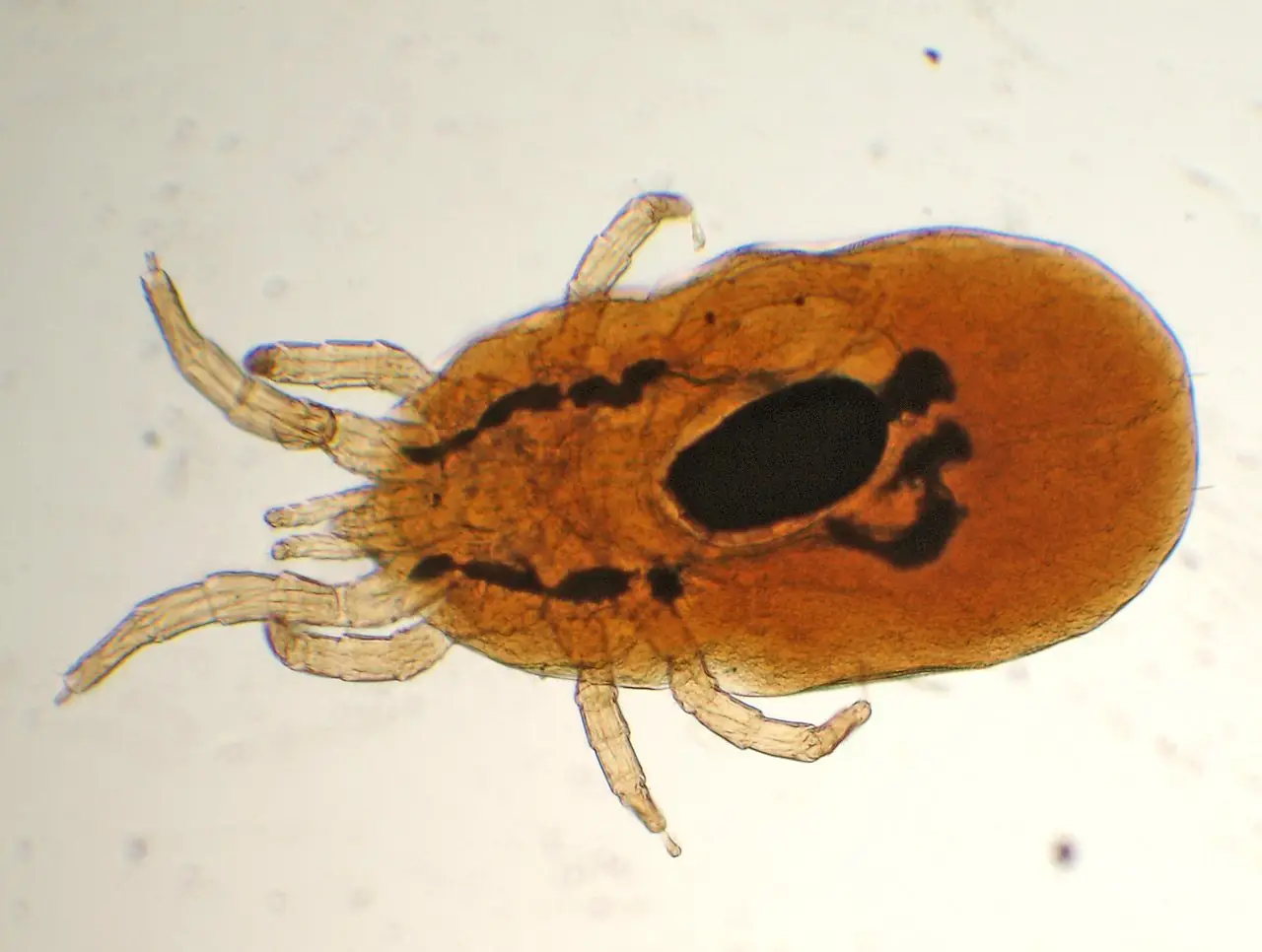
Chicken Mites: How to Find Them and Get Rid of Them
Red mite hide in the coop and feed at night, so daytime inspections miss them. How to identify what you have, treat it, and break the seven-day life cycle.