
Backyard Chickens and Bird Flu: Biosecurity That Is Realistic
Avian influenza reaches backyard flocks through wild birds. The practical steps that lower the risk, what to watch for, and who to call.
 By

On this page
Bird flu arrives with wild birds, and a backyard flock cannot be sealed off completely. What biosecurity does is reduce contact and reduce what you carry in — which is worth doing honestly rather than perfectly.
How it gets in
Directly:
- Wild birds sharing the run or the range
- Droppings falling into an open run from birds overhead
- Shared water — a pond, a puddle, an open drinker
Indirectly, which people underestimate:
- Boots and clothing — yours, a visitor’s, a delivery driver’s
- Vehicle tyres
- Feed sacks and bedding stored where wild birds reach them
- Shared or borrowed equipment — crates, feeders, a friend’s carrier
- New birds brought in without quarantine
- Hands
Waterfowl are the reservoir. Ducks, geese and swans carry influenza viruses routinely and often show nothing. A pond or a flooded field nearby raises the risk meaningfully.
Biosecurity that a household can actually keep up
| Measure | Effort | Effect |
|---|---|---|
| Cover the run — solid roof or fine netting | Moderate | High |
| Feed and water under cover, unreachable | Low | High |
| Dedicated coop boots, left outside | Low | High |
| No visitors into the run | Low | High |
| Quarantine new birds 2–4 weeks | Low | High |
| Remove standing water | Low | High |
| Wash hands before and after | Low | Moderate |
| Remove feeders near poultry in an outbreak | Low | Moderate |
| Disinfect boots in a footbath | Moderate | Moderate |
| Clean and disinfect equipment | Moderate | Moderate |
| Keep birds fully housed | High | High, welfare cost |
Two things do most of the work
Cover the run, so nothing lands in it, and keep feed and water where wild birds cannot get to them — which also cuts rodents and spilled feed.
Everything else is worthwhile. These two are the ones to do first.
During a local outbreak
Tighten rather than start from scratch:
- Keep birds in a covered run or housed, if your agency advises it
- Take down wild bird feeders near the poultry
- No visitors, no shared equipment, no bird movements on or off
- Do not attend swaps, shows or sales
- Boots and a dedicated overall, changed at the run
- Check the flock twice a day and note anything unusual
- Follow your own agency’s current guidance. Requirements change through an outbreak, and in some countries housing orders are legally binding
What to watch for
Highly pathogenic avian influenza usually kills quickly, so the classic presentation is sudden death in several birds with no preceding illness.
Where birds are ill first:
- Sharp drop in appetite and water intake
- Sudden fall in laying, or soft-shelled and misshapen eggs
- Swollen head, comb and wattles
- Purple or blue discolouration of comb, wattles and legs
- Nasal discharge, coughing, sneezing
- Diarrhoea
- Stumbling, twisted neck, tremors
- Huddling, listlessness
Several birds at once is the signal
One hen looking sorry for herself is usually something else entirely — mites, a respiratory infection, egg binding, heat.
Multiple birds affected suddenly, or deaths without warning, is the pattern that needs a phone call rather than a diagnosis attempt.
Reporting
Do not investigate it yourself, and do not wait to see if it passes.
- United States: your state veterinarian, or the USDA sick bird hotline, 1-866-536-7593
- United Kingdom: reporting suspicion to APHA is a legal requirement
- Elsewhere: your national animal health authority
Testing is free in most jurisdictions. While you wait: stop all movement of birds, eggs and equipment, stay away from other people’s flocks, and keep dead birds where scavengers cannot reach them.
Report dead wild birds too, particularly waterfowl or groups of birds — most agencies have a separate line for it, and it is how outbreaks get mapped.
Eggs, meat and people
- Properly cooked eggs and poultry are safe. Cooking inactivates influenza viruses — whites set, poultry to 165°F
- Eggs and meat from an infected or suspected flock should not enter the food supply, which is what movement restrictions enforce
- Human risk is low but not zero. Cases have occurred in people with close, sustained contact with infected birds. Wash hands, avoid breathing dust in a coop, and consider a mask when cleaning out during an outbreak
Vaccination
Not available to most backyard keepers. Poultry vaccination against avian influenza has been restricted in the US and much of Europe because it complicates surveillance and trade — a vaccinated bird can test positive without being infected.
Policy is under active review and some countries have begun limited programmes, so check with your own agriculture department rather than assuming. For a backyard flock today, biosecurity is the only control there is.
Common questions
How does bird flu reach a backyard flock?
What are the symptoms of bird flu in chickens?
What should I do if I suspect bird flu?
Do I need to stop feeding wild birds?
Is it safe to eat eggs and meat during a bird flu outbreak?
Can my flock be vaccinated against bird flu?
Backyard Weekly
Know what to plant, week by week
Join the weekly email for seasonal jobs, fixes for what is going wrong, and gear worth buying.
Not ready to subscribe? The planting calendar is free and needs no email.
By subscribing you agree to our privacy policy. Grow In Backyard will never sell your address.
Keep reading
Backyard Chickens and Salmonella: The Real Risk, Managed
Healthy-looking hens carry salmonella routinely. The handling habits that matter, why chicks are the usual source, and how to keep eggs safe.
Backyard Chickens: What It Actually Takes
Space, cost, time, and the rules nobody mentions. An honest account of keeping backyard chickens before you buy the coop — including why the eggs are not free.
Chickens in Winter: What They Need and What They Don't
Chickens tolerate cold far better than most keepers expect. The real risks are moisture and frostbite, not temperature — and a heat lamp usually makes both worse.
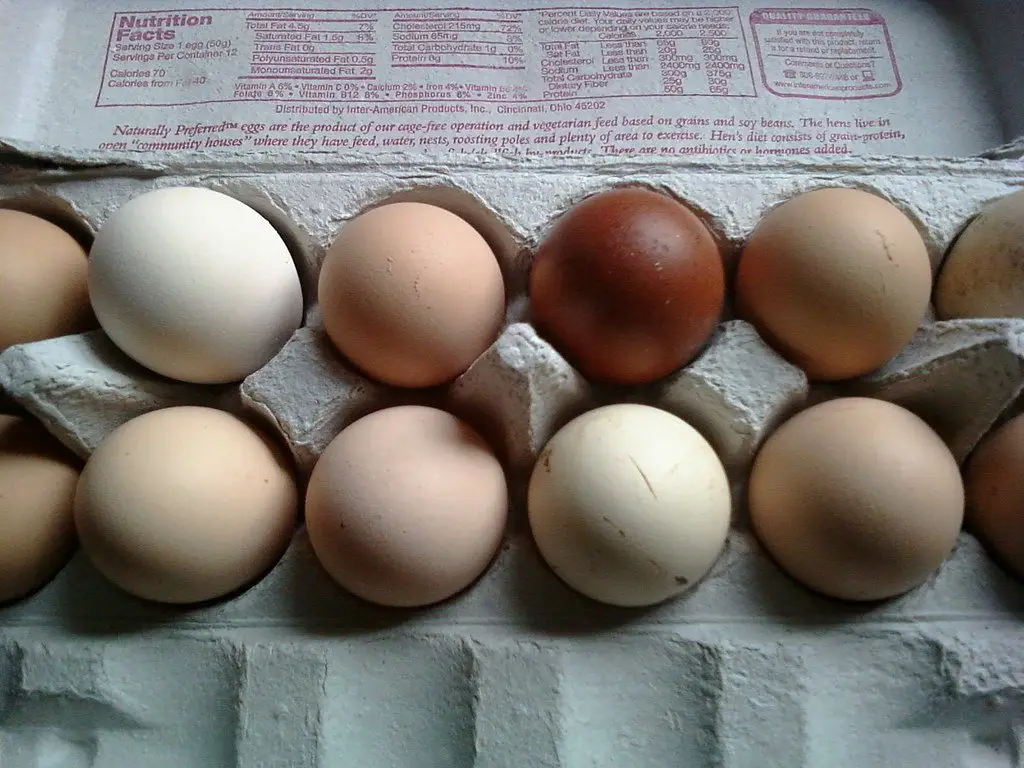
Best Brown Egg Layers: Six Breeds Ranked on Eggs per Year
Brown eggs come from a handful of reliable breeds. Which lay most, which keep laying through winter, and why hybrid layers burn out faster than heritage hens.