
Backyard Chickens and Salmonella: The Real Risk, Managed
Healthy-looking hens carry salmonella routinely. The handling habits that matter, why chicks are the usual source, and how to keep eggs safe.
 By

On this page
The uncomfortable part first: a healthy hen carries salmonella. Not a sick one, not a dirty one — a normal, clean, well-kept bird. Everything useful follows from accepting that.
Why a clean flock still carries it
Salmonella lives in a chicken’s intestines and causes the bird no symptoms. It is shed in droppings, and from there it is on:
- Feathers, feet and vents
- Eggshells, which pass through the same opening
- Coop and run surfaces, feeders, drinkers, nest boxes
- Your boots, and everything they walk on afterwards
- Anywhere the birds range, including a lawn children play on
This is not a hygiene failure. It is the baseline condition of keeping poultry, and the response is habits rather than disinfectant.
The habits that actually matter
- Wash hands with soap and running water after touching birds, eggs, feed, or anything in the coop. Twenty seconds. Hand sanitiser is a fallback when there is no sink, not a substitute
- Dedicated coop shoes, left outside. This single habit stops most of what comes indoors
- No poultry in the house — not the kitchen, not the bathroom, not “just while it is cold”
- Never wash equipment in the kitchen sink. Outside, with a hose, or in a utility sink
- Do not eat or drink in the coop or run
- Supervise children’s hand washing. Do not assume it happened
- Clean the coop regularly and keep nest boxes bedded and dry — fewer dirty eggs is the whole point
Chicks are where nearly all the human cases come from
Not eggs, and not adult birds. Newly bought chicks and ducklings, handled like pets, kissed, cuddled and held near the face.
Children under five should not handle poultry at all. They are the most likely to put hands in mouths and among the most vulnerable to a severe infection. This is the rule that prevents most of it.
Eggs
| Do | Do not | |
|---|---|---|
| Collecting | Often — twice a day in warm weather | Leave them sitting in the nest |
| Dirty eggs | Dry-brush, or use them promptly and cook well | Rinse them and put them back in storage |
| Cracked eggs | Discard | Use them “if they look fine” |
| Washing | Only just before use, in warm water | Wash on collection |
| Storage | Unwashed, cool, pointed end down | Wash then store at room temperature |
| Cooking | Until the white is set | Runny yolks for vulnerable people |
Warm water, not cold
Washing in cold water contracts the egg’s contents and draws surface bacteria in through the pores — the opposite of what you wanted.
If you wash, warm water, immediately before use, and refrigerate anything washed.
The bloom is the natural coating on a freshly laid egg, sealing thousands of pores. Intact, an unwashed egg keeps for weeks at cool room temperature. Washed, it needs the fridge and a shorter window — which is why US commercial eggs, washed by law, must be refrigerated and eggs in much of Europe are not.
Salmonella is usually on the shell rather than inside it, so the practical rule is about what the shell touches. Do not crack an egg on the rim of the bowl its contents are going into, and wash hands and surfaces after handling them.
Who needs to be more careful
- Children under five
- Adults over sixty-five
- Pregnant people
- Anyone immunocompromised
For these groups an infection is more likely to become severe and need hospital treatment. Runny yolks, soft-set scrambled eggs, homemade mayonnaise and raw cake batter are all worth skipping.
Symptoms
Diarrhoea, fever and stomach cramps, beginning six hours to six days after exposure and lasting four to seven days. Most people recover without treatment.
See a doctor for:
- Fever above 102°F
- Diarrhoea for more than three days, or with blood in it
- Persistent vomiting
- Signs of dehydration — little urine, dry mouth, dizziness on standing
Mention the chickens. It changes what the doctor tests for, and it is how outbreaks get connected.
Keeping the flock itself healthier
Lower carriage in the birds means lower exposure for you:
- Buy from NPIP-certified hatcheries where you can
- Quarantine new birds two to four weeks away from the flock
- Control rodents. Rats and mice move salmonella between flocks, and spilled feed is what brings them
- Clean water daily, in drinkers birds cannot stand in
- Dry bedding. Damp litter is where bacteria multiply
- Do not overcrowd — four square feet per bird in the coop, eight to ten in the run
- Compost manure properly and keep it away from vegetable beds for at least 120 days before harvest
None of this makes a flock salmonella-free. It reduces the load, and the habits above handle the rest.
Common questions
Do backyard chickens carry salmonella?
Is it safe to eat eggs from backyard chickens?
Should I wash fresh eggs?
Why are chicks the most common source of infection?
Who is most at risk from poultry salmonella?
What are the symptoms of salmonella infection?
Backyard Weekly
Know what to plant, week by week
Join the weekly email for seasonal jobs, fixes for what is going wrong, and gear worth buying.
Not ready to subscribe? The planting calendar is free and needs no email.
By subscribing you agree to our privacy policy. Grow In Backyard will never sell your address.
Keep reading
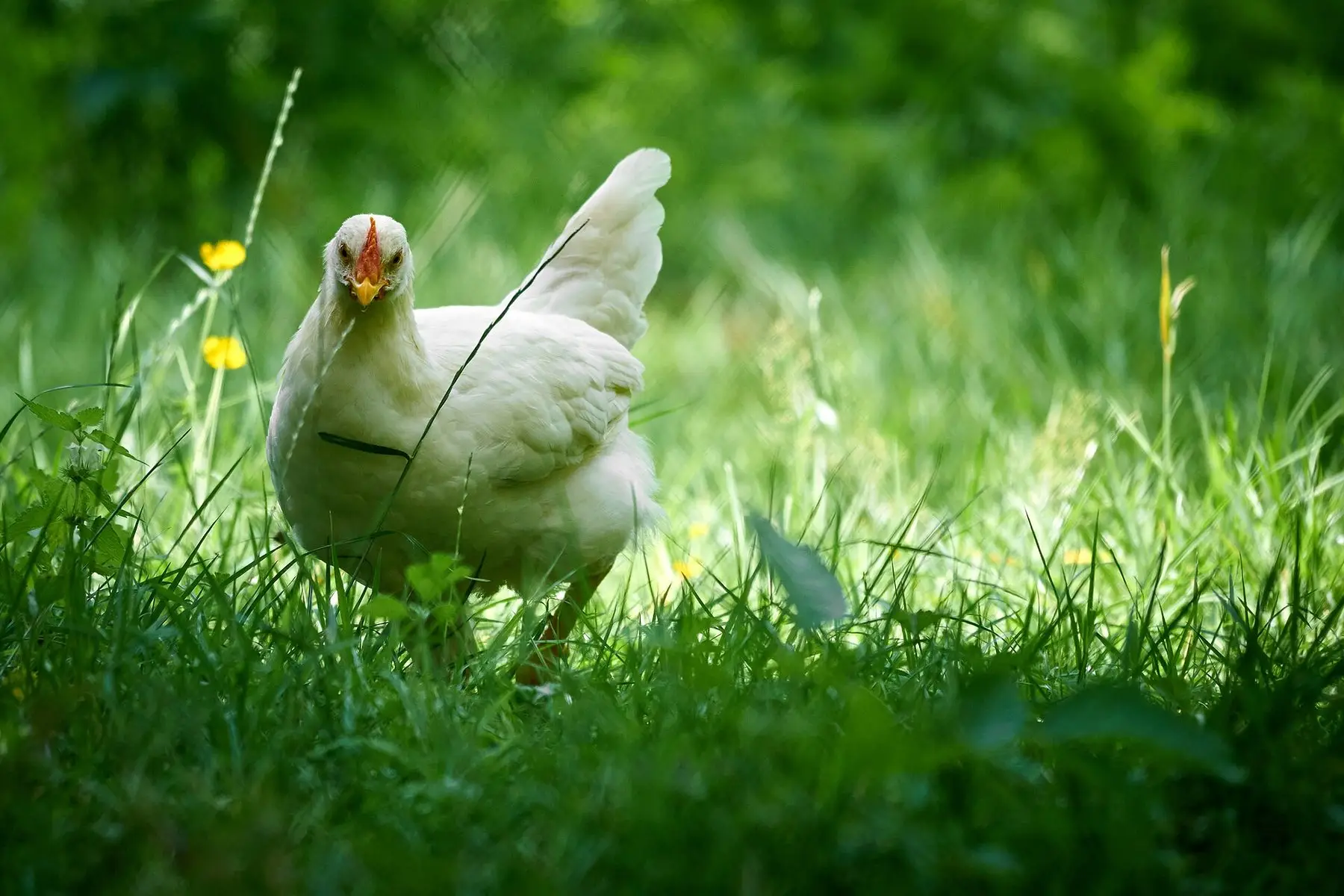
Backyard Chickens: What It Actually Takes
Space, cost, time, and the rules nobody mentions. An honest account of keeping backyard chickens before you buy the coop — including why the eggs are not free.
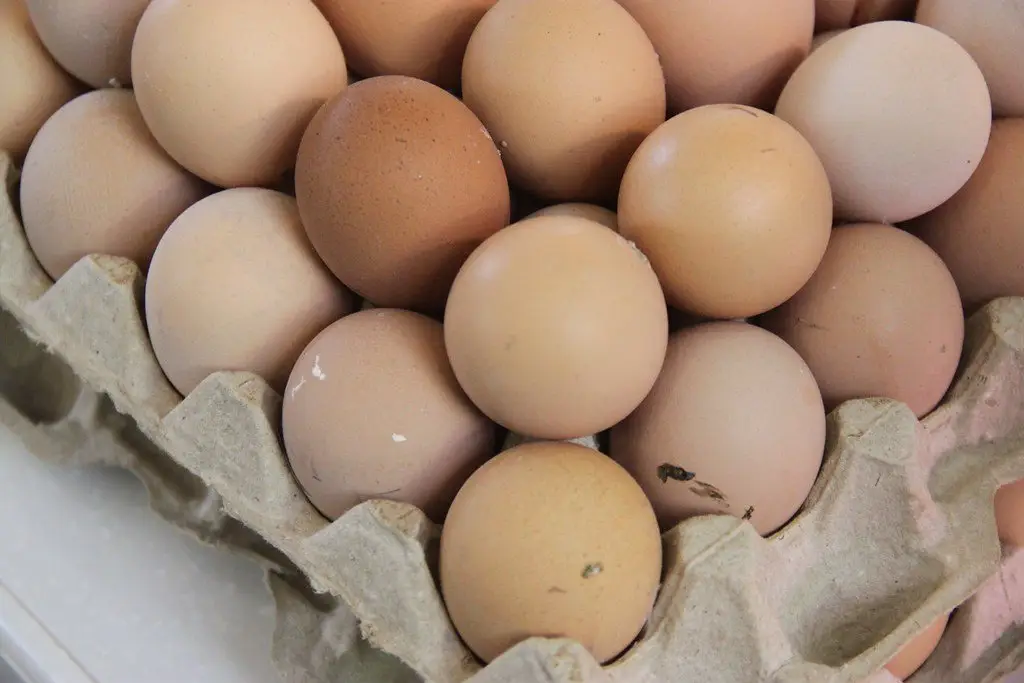
Water Glassing Eggs: Storing a Glut Without a Freezer
Lime water keeps unwashed fresh eggs for a year at room temperature. The ratio, which eggs qualify, what the method cannot do, and how to use them.
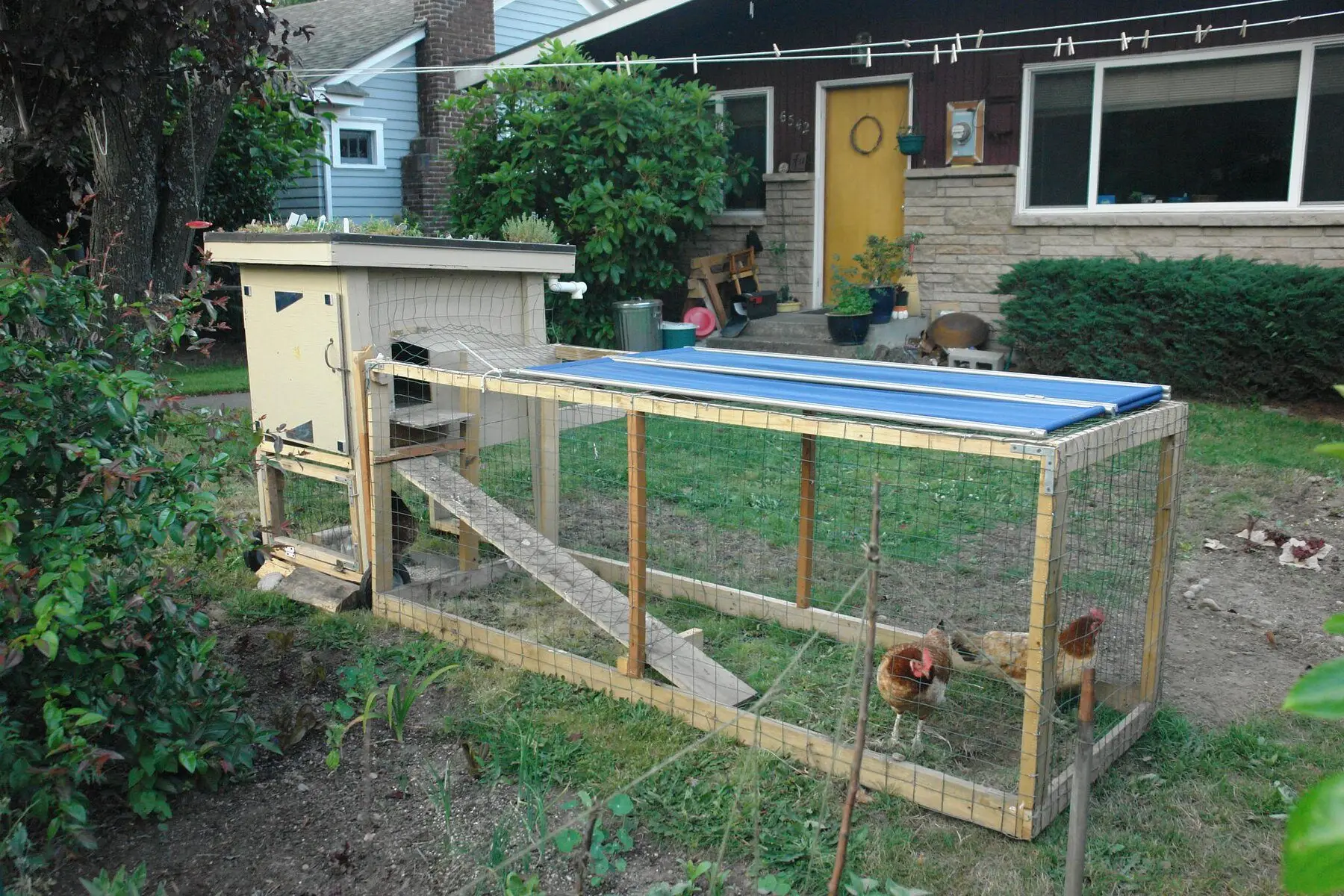
Can I Have Chickens in My Backyard? How to Check the Rules
Most US cities allow backyard hens, but the conditions vary widely. Where to look up your own rules, and the five clauses that catch people out.
Best Brown Egg Layers: Six Breeds Ranked on Eggs per Year
Brown eggs come from a handful of reliable breeds. Which lay most, which keep laying through winter, and why hybrid layers burn out faster than heritage hens.