
What Chicken Lays the Most Eggs Per Day? None Lay Two
No hen lays more than one egg a day, and the biology sets that ceiling. Which breeds come closest to daily laying, and why the question matters.
 By
On this page
The honest answer is that the question has a hard ceiling: one egg a day, for every breed there is. What varies is how close a hen gets to that, and for how many years.
Why one a day is the limit
The yolk is released, travels the oviduct picking up white, membranes and shell, and is laid — roughly 24 to 26 hours end to end, with the shell alone taking about twenty of those. The next yolk is not released until the previous egg is out.
Because the cycle runs slightly over 24 hours, laying time creeps later each day until it would fall after dark, at which point the hen skips a day and resets. That skipped day is the system working, not a fault.
The occasional double is a glitch, not a talent
A genuine two-egg day usually means one normal egg and one soft-shelled or shell-less extra, most often from a young hen whose system is still settling. It is not sustained and not selected for.
The breeds, honestly
| Breed | Eggs/year | Laying years | Notes |
|---|---|---|---|
| ISA Brown / Golden Comet | 300–320 | 2–3 | High reproductive disease rate |
| White Leghorn | 280–320 | 3–4 | Flighty, small white eggs |
| Rhode Island Red | 250–280 | 4–5 | The reliable all-rounder |
| Australorp | 250–280 | 4–5 | Holds the historic record: 364 in 365 days |
| Sussex, Plymouth Rock | 200–250 | 4–5 | Calm, good dual-purpose |
| Wyandotte | 200–240 | 4–5 | Cold-hardy |
The annual figure is the wrong number to optimise. A commercial hybrid may out-lay an Australorp nearly two to one in its second year and be finished by four, carrying a much higher rate of egg binding, internal laying, prolapse and ovarian cancer along the way. Counted over a bird’s life, the gap narrows sharply.
If you want maximum eggs from minimum birds for two years, take the hybrids. If you want a flock you keep, take the heritage breeds.
What you will actually get
Roughly two eggs per three hens per day, averaged over a year. The annual totals above are achieved under good conditions and they already include the gaps — they are not a daily rate.
Laying stops or drops for:
- The autumn moult — a complete stop for several weeks
- Short days. Below about fourteen hours of light, production falls away
- Age, from the second season onward
- Broodiness, heat, and any upset to the flock
- Diet and water — and an afternoon-empty drinker is the single most common cause of a flock quietly going off lay
Common questions
What chicken lays the most eggs per day?
Can a chicken lay two eggs in one day?
Which breeds lay the most eggs a year?
Why do high-production hybrids not last?
How many eggs should I expect from a backyard flock?
What makes a hen stop laying?
Backyard Weekly
Know what to plant, week by week
Join the weekly email for seasonal jobs, fixes for what is going wrong, and gear worth buying.
Not ready to subscribe? The planting calendar is free and needs no email.
By subscribing you agree to our privacy policy. Grow In Backyard will never sell your address.
Keep reading
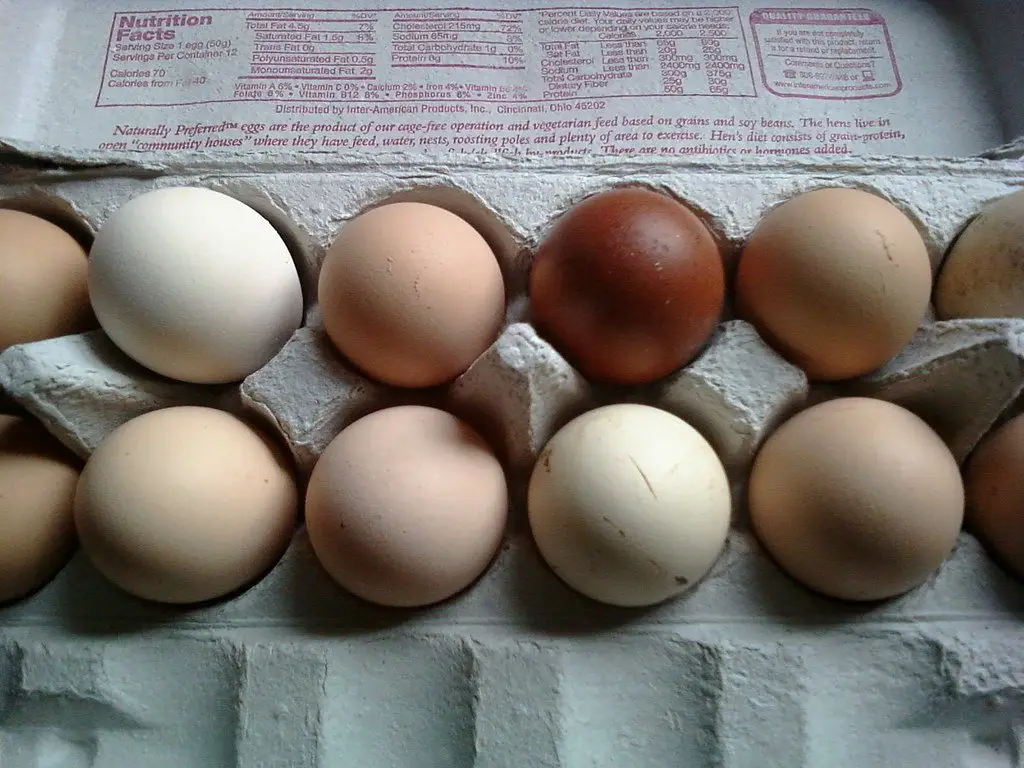
Best Brown Egg Layers: Six Breeds Ranked on Eggs per Year
Brown eggs come from a handful of reliable breeds. Which lay most, which keep laying through winter, and why hybrid layers burn out faster than heritage hens.
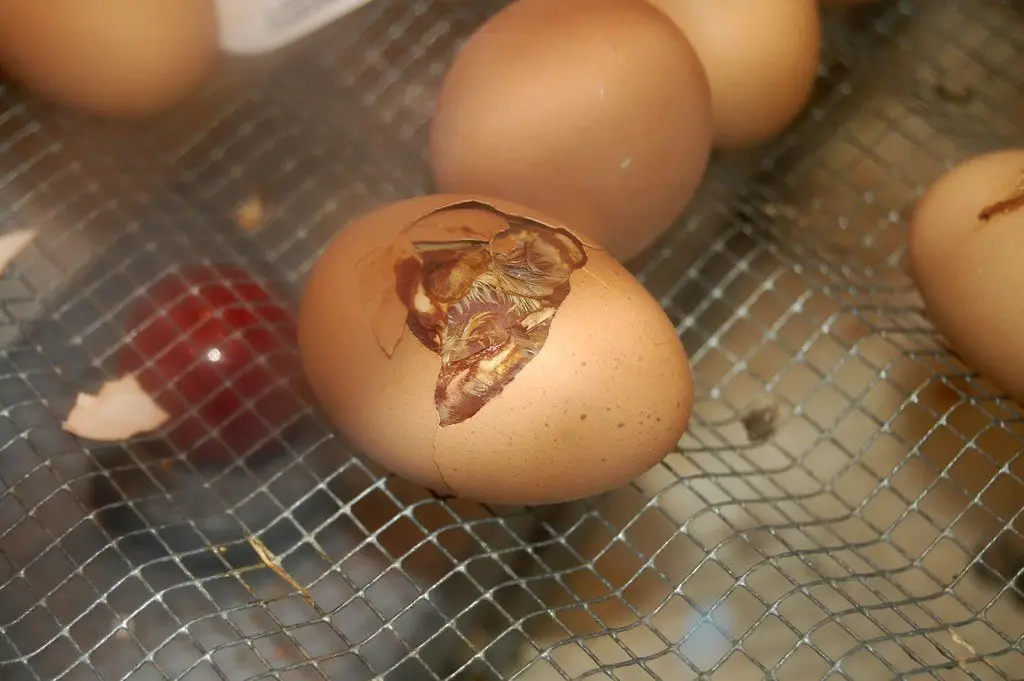
Best Egg Incubator for Backyard Chickens — 5 Compared
The best egg incubator for backyard chickens holds temperature steady. 5 compared on turning, humidity and cost. See which matches your hatch size.
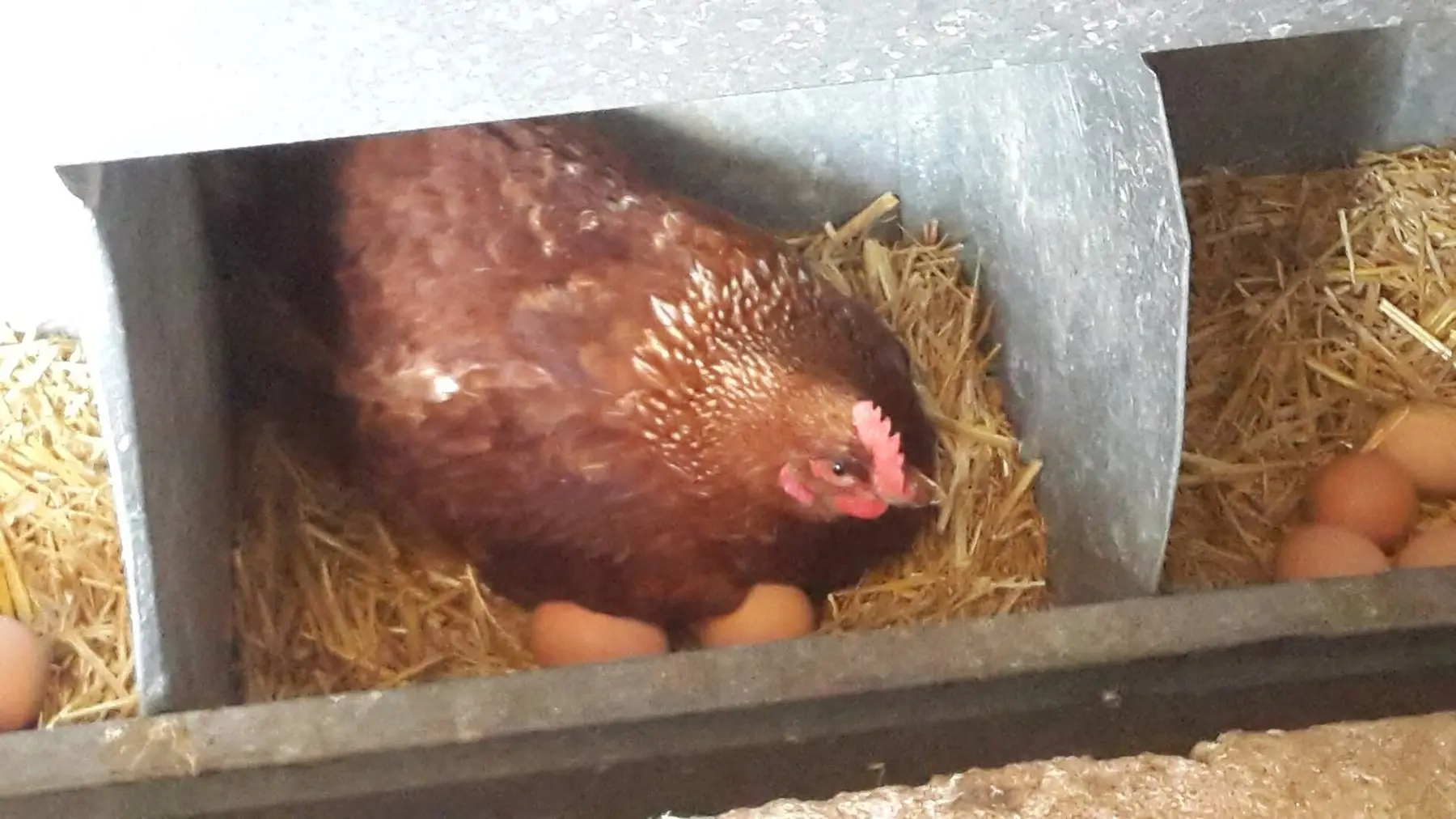
Best Chickens for Eggs — 6 Breeds, 200 to 300 a Year
The best chickens for eggs lay 200 to 300 a year, but not for long. 6 breeds compared on output, temper and lifespan. See which fits your flock.
How Long Do Hens Lay Eggs? The Honest Answer
Hens lay best for two years, then decline about 15–20% annually. Most keep laying into year six or seven — just not many. Here is the real production curve.