
Multi Coloured Rooster Breeds: The Most Striking Birds
Which rooster breeds carry the boldest colour, why roosters outshine hens, and what temperament and laying ability come with each of them.
 By

On this page
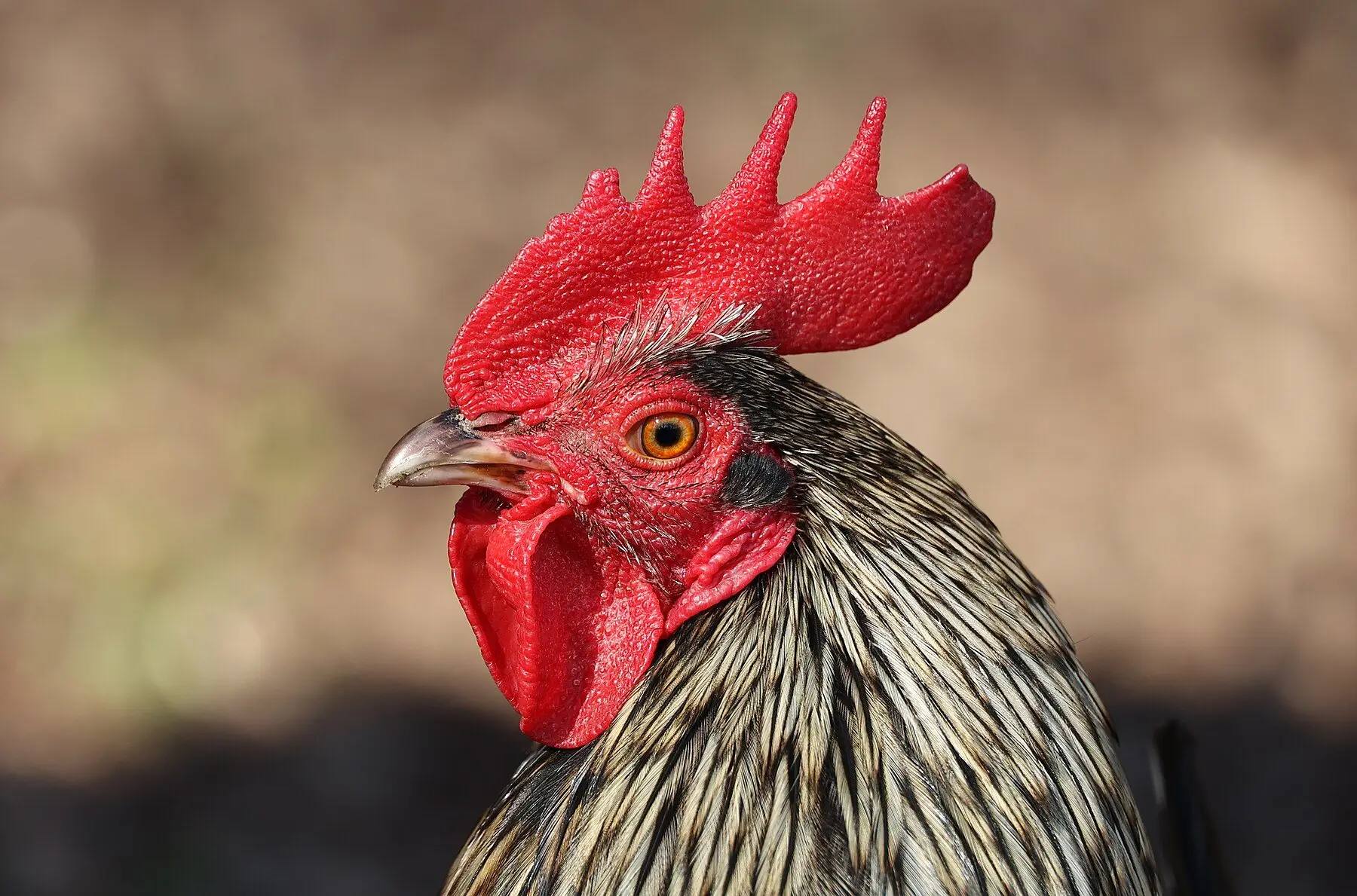
Roosters are built to be looked at. Long flowing hackle and saddle feathers, a large sickle tail and plumage that catches light — all of it is display equipment, and some breeds carry it further than others.
The breeds worth knowing
| Breed | Colouring | Temperament | Eggs |
|---|---|---|---|
| Welsummer | Chestnut, gold hackles, iridescent green-black tail | Moderate, alert | Good — dark terracotta brown |
| Black Copper Marans | Black with beetle-green sheen, copper hackles | Calm to moderate | Very dark chocolate brown |
| Golden Laced Wyandotte | Gold feathers outlined in black | Calm, hardy | Good, dual-purpose |
| Silver Laced Wyandotte | The same lacing in white and black | Calm, hardy | Good, dual-purpose |
| Barnevelder | Rich brown with double lacing | Calm | Good — dark brown |
| Golden Campine | Gold with fine black barring | Active, flighty | Good white |
| Brown Leghorn | Orange-gold hackles, black breast, green tail | Flighty, active | Excellent white |
| Old English Game | Many varieties; some spectacular | Often aggressive | Poor |
| Ayam Ketawa | Varied, glossy | Moderate | Modest |
| Brahma | Light, dark and buff varieties; huge | Very calm | Moderate |
For pure iridescence, a Welsummer or Black Copper Marans cockerel in direct sun is hard to beat — the black goes deep beetle-green, which looks extraordinary in person and photographs badly.
For pattern, the laced Wyandottes and the Barnevelder win, because the outlining is geometric and repeats across the whole bird.
Why roosters and hens look so different
Sexual selection, straightforwardly.
- Males compete for mates and rank, so bright plumage, long sickle tail feathers and flowing hackles are advertising.
- Females sit on nests, where being conspicuous is fatal. Camouflage wins.
In the most extreme breeds — Welsummer, Brown Leghorn — the two sexes look almost unrelated. A Welsummer hen is a neat brown partridge-patterned bird; the cockerel is chestnut, gold and green-black.
About the rainbow rooster
There is no recognised rainbow breed. Rainbow Ranger and similar names are hybrid crosses sold for meat or as mixed-colour laying flocks, where the variety comes from mixing parent stock rather than from a heritable breed standard.
Nothing wrong with a hybrid — but if you want consistent, predictable colour, an established breed gives you that and a hybrid does not.
Choosing one to actually keep
Check the law first. Many municipalities allow hens and prohibit roosters outright, and the crowing is the usual reason. That is a rule to confirm before buying, not after.
Then weigh three things:
- Temperament. Game breeds were historically selected for combativeness and it shows. A bird that goes for children is a serious problem. Barnevelder, Wyandotte, Orpington and Brahma are the calm end.
- What the strain was bred for. Exhibition lines within a breed may lay poorly compared with utility lines of the same breed. Ask the breeder which they have.
- Flock size. A rooster needs enough hens — commonly around ten or more — or he will over-mate the ones you have and cause real injuries. Bare backs and torn skin on hens mean too few hens per male.
One rooster, unless you have the space
Two roosters in a small flock usually means fighting, and a subordinate bird with nowhere to retreat takes sustained damage. If you keep more than one, they need separate territory and plenty of room — not simply a bigger coop.
Getting the colour to show
The plumage is only as good as the bird’s condition:
- Good feather condition needs adequate protein — a poor diet shows first in dull plumage
- Moulting birds look terrible for several weeks each autumn; this is normal and not illness
- Mites and lice dull feathers fast. Check under the vent and around the tail base regularly
- Shade matters, because sun bleaches dark and red plumage over a season
- Mud and wet bedding ruin a tail. Dry footing keeps a bird looking like the photographs
And the honest note: a rooster’s plumage peaks at maturity, roughly a year old. A scruffy six-month cockerel is not a disappointing bird — he is an unfinished one.
Common questions
What are the most colourful rooster breeds?
Why are roosters more colourful than hens?
Is there such a thing as a rainbow rooster?
Do colourful roosters lay or fertilise as well as plain ones?
Are colourful roosters more aggressive?
Does a colourful rooster attract predators?
Backyard Weekly
Know what to plant, week by week
Join the weekly email for seasonal jobs, fixes for what is going wrong, and gear worth buying.
Not ready to subscribe? The planting calendar is free and needs no email.
By subscribing you agree to our privacy policy. Grow In Backyard will never sell your address.
Keep reading
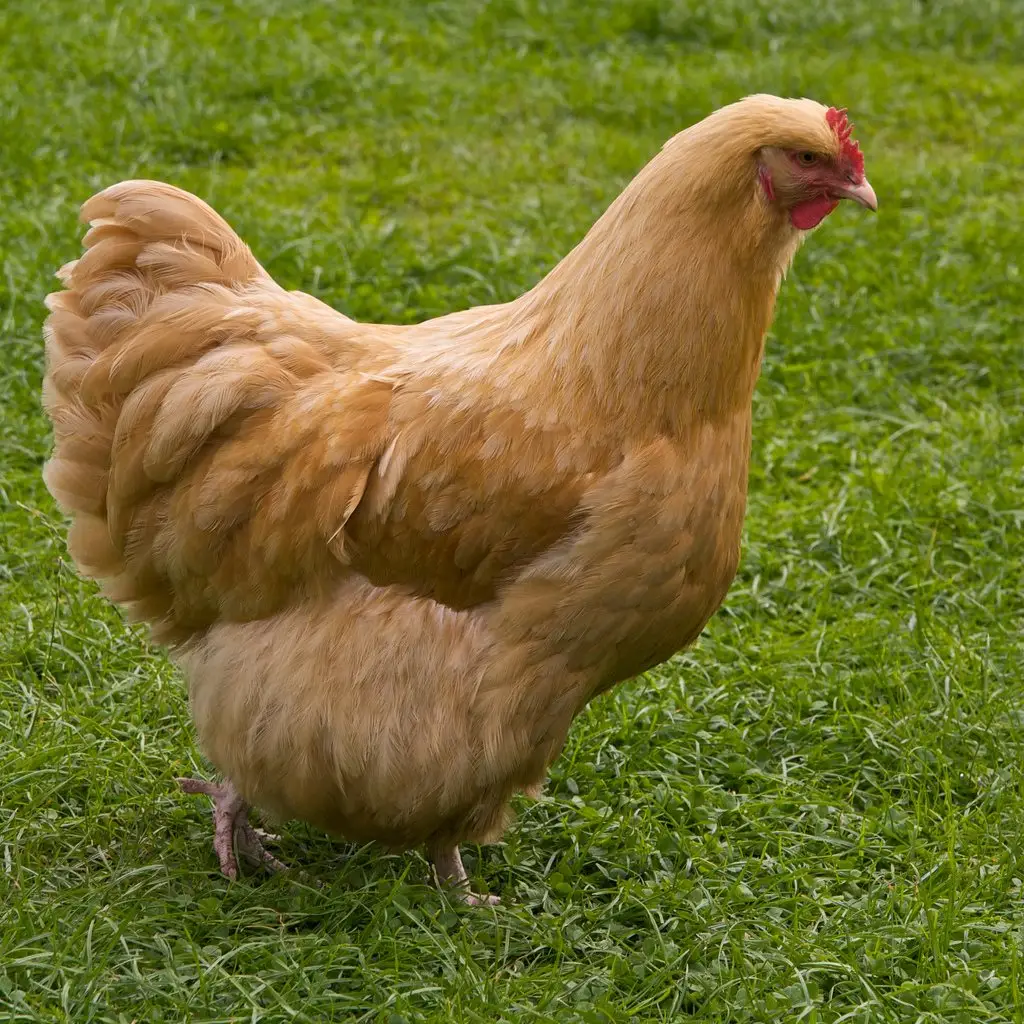
Chicken Breeds: A Guide by What Each One Is Actually For
Fourteen common breeds sorted by purpose — eggs, meat, dual-purpose, beginner-friendly — with a link to the full comparison for each category.
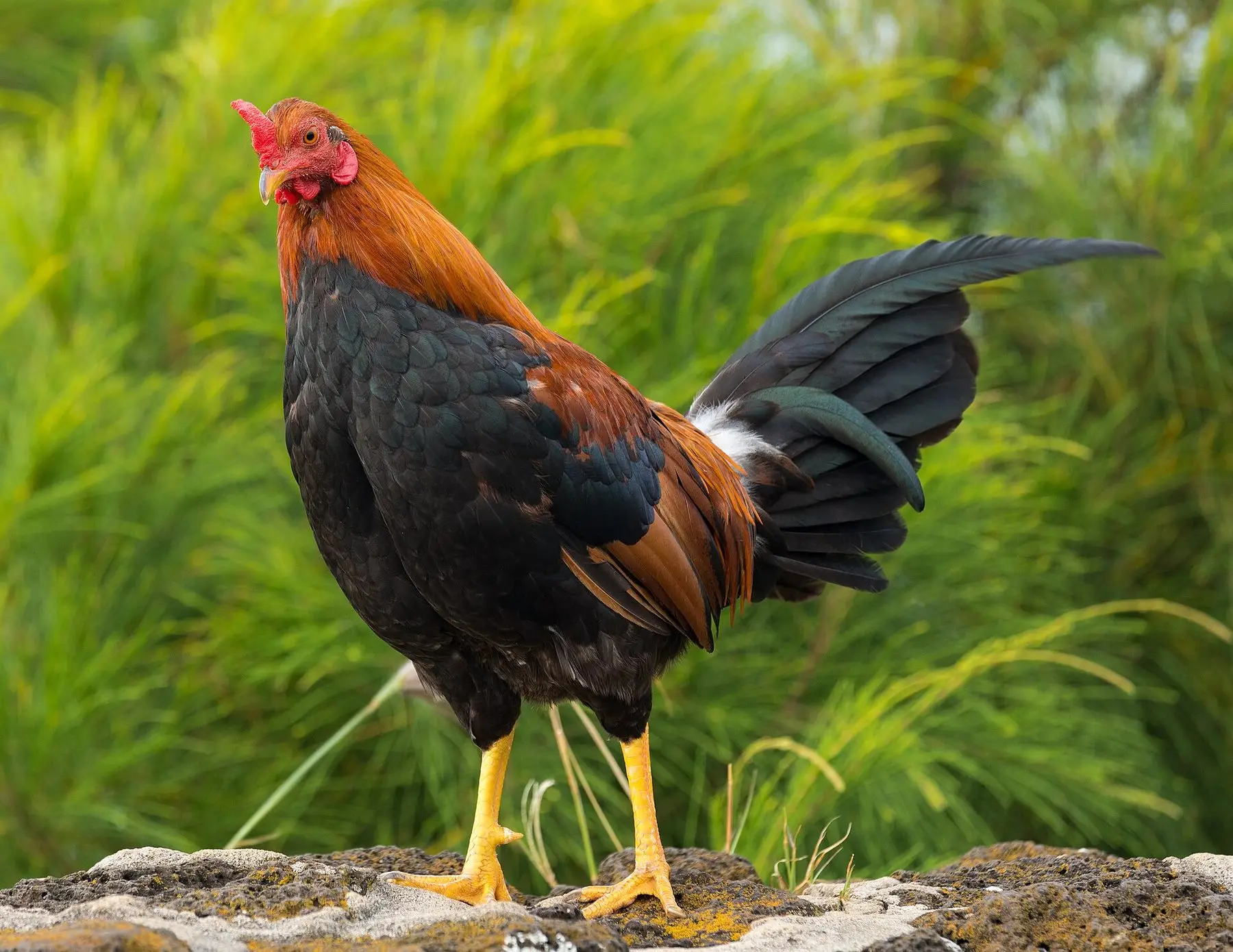
Do You Actually Need a Rooster?
Hens lay perfectly well without one. A rooster is only necessary for fertile eggs — here is what one actually does, and why most municipalities ban them anyway.
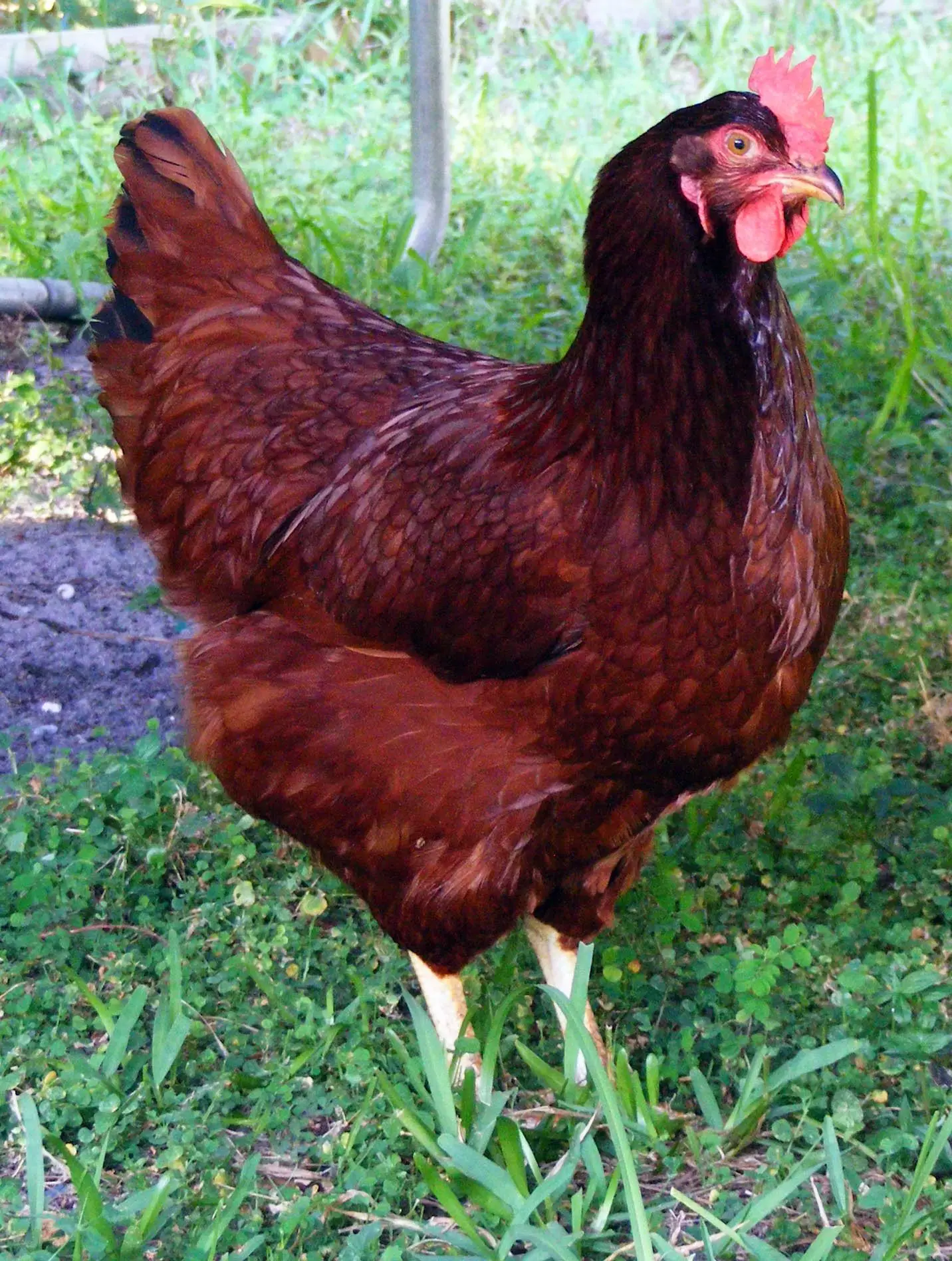
Best Dual-Purpose Chickens — 5 Breeds That Do Both Jobs
The best dual-purpose chickens never out-lay a hybrid, and need not. 5 breeds compared on eggs, carcass and temper. See which covers both jobs.
What Chickens Can (and Cannot) Eat From Your Garden
Some garden plants are genuinely toxic to chickens, not just unappealing. What is safe to let them forage, and what to keep them away from entirely.