Best Dual-Purpose Chickens: Eggs and Meat From One Flock
A dual-purpose breed will never out-lay a hybrid or out-grow a broiler. Five breeds that do both well enough that one flock covers both jobs.
We may earn a commission when you buy through links on this page, at no extra cost to you.

On this page
A dual-purpose breed will never out-lay a hybrid and will never reach table weight as fast as a Cornish Cross. That is not a flaw in the breed — it is the definition of dual-purpose, and the whole question is whether one flock covering both jobs adequately beats two flocks each doing one job well.
The trade-off, in numbers
| Production hybrid | Dual-purpose (best of five) | Cornish Cross | |
|---|---|---|---|
| Eggs/year | 280–320 | 200–280 | Not bred to lay |
| Table weight | Not bred for meat | 6–13 lb, 16–28 weeks | 4–6 lb, 6–9 weeks |
| Breeds true | No | Yes | No |
| Lifespan | 2–4 years | 6–10 years | Not kept past 10 weeks |
The dual-purpose column never wins a single row outright. What it wins is not needing two separate flocks, two separate feed regimes, and two sets of infrastructure to get both eggs and meat out of the same birds.
The roosters are the actual meat supply
Most dual-purpose flocks are not eating their laying hens. They are hatching or buying a mixed batch of chicks, keeping the pullets to lay, and raising the surplus cockerels to 16–20 weeks for the table. A retired hen makes a tougher, more flavourful stewing bird, but the cockerels are where the “meat” half of dual-purpose actually comes from.
Why heritage, not hybrid
Every breed in this roundup is heritage stock, which is deliberate. Hybrids like the ISA Brown do not breed true — cross two ISA Browns and the offspring will not reliably reproduce the parent’s traits.
A heritage dual-purpose flock can be self-sustaining: hatch your own replacements from your best birds, and over a few generations you end up with a strain adapted to your specific conditions. That only works with breeds that hold their characteristics — which rules out every hybrid on this site’s other breed lists.
Do not mix roosters
Keeping more than one mature rooster in a small flock reliably causes fighting, and dual-purpose breeds tend toward larger, more physically capable males than laying hybrids. Keep one rooster per flock and process the rest before they mature, or run bachelor groups entirely separate from the hens.
Which one, honestly
If you are choosing your first dual-purpose breed and have no other constraint, Plymouth Rock gives up the least on eggs of anything here. If your winters are hard or you want a flock that tolerates children and handling, Orpington is worth the lower output. If the flock free-ranges across real space, Rhode Island Red works harder for its keep than any of the others.
For a flock kept purely for eggs, see best chickens for eggs. For a flock kept purely for meat, best chickens for meat covers the purpose-bred alternative and what you give up choosing it over these five.
How we picked
Five heritage breeds judged as a single flock doing both jobs, not against specialist layers or broilers · Picks last checked September 2026.
- Eggs per year against a hybrid
- A dual-purpose bird will always lay less than a purpose-bred layer. What matters is whether the gap is small enough to accept for one flock instead of two.
- Carcass at a realistic age
- Nobody is running a broiler grow-out on a dual-purpose bird. The question is whether a spent hen or a surplus cockerel at 16–20 weeks is worth the freezer space.
- Whether it breeds true
- Every bird here is heritage stock, which is the entire point of choosing dual-purpose over a hybrid — you can hatch your own replacements rather than buying chicks every year.
- Temperament in a mixed-age flock
- A dual-purpose flock usually contains hens of several ages plus growing cockerels destined for the table. Breeds that tolerate that mix without constant fighting are worth more than a slightly bigger bird.
Our picks
| # | Pick | Best for |
|---|---|---|
| 1 | Plymouth Rock | Best all-round balance |
| 2 | Orpington | Best temperament |
| 3 | Rhode Island Red | Best forager |
| 4 | Delaware | Best for a first dual-purpose flock |
| 5 | Jersey Giant | Largest carcass |
Best all-round balance
Plymouth Rock
The breed to default to if you only want to make one dual-purpose decision. It gives up little on eggs and produces a genuinely useful bird at 16–20 weeks.
- Eggs/year
- 200–280
- Table weight
- 6–7.5 lb
- To table
- 16–20 weeks
- Temperament
- Calm, easy
What we liked
- Egg output close to a specialist layer
- Reliable, docile, does well in a mixed flock
- Broadly available and inexpensive to source
Worth knowing
- Not exceptional at either job individually
- Roosters can be territorial with other males
Best temperament
Orpington
Choose Orpingtons when temperament and cold tolerance matter more than the numbers. You are trading eggs and time for a flock that is a genuine pleasure to keep.
- Eggs/year
- 175–200
- Table weight
- 7–8 lb
- To table
- 20–22 weeks
- Temperament
- Exceptionally calm
What we liked
- Among the calmest breeds anywhere, good with children
- Heavy feathering copes very well with cold
- Large carcass once grown out
Worth knowing
- Lowest egg count of the five
- Broodier than most, which pauses laying
- Slow to reach table weight
Best forager
Rhode Island Red
The pick for a flock that free-ranges seriously. It works harder for its keep than any other breed on this list.
- Eggs/year
- 200–300
- Table weight
- 6–7 lb
- To table
- 18–20 weeks
- Temperament
- Assertive, active
What we liked
- Excellent forager, reducing feed cost on range
- Very hardy and disease-resistant
- Strong egg output for a dual-purpose bird
Worth knowing
- Leaner carcass than the others here
- Can be pushy in a mixed flock, especially roosters
Best for a first dual-purpose flock
Delaware
An underrated choice. It gives up almost nothing to the Rock on speed while being noticeably less prone to the broodiness that disrupts a mixed flock's egg supply.
- Eggs/year
- 200–240
- Table weight
- 6–7 lb
- To table
- 16–18 weeks
- Temperament
- Calm, rarely broody
What we liked
- Fastest to table weight of the true heritage breeds here
- Rarely goes broody, so laying is more consistent
- Calm and easy to handle
Worth knowing
- Became rare enough that sourcing quality stock takes more effort
- Carcass slightly narrower than Plymouth Rock or Orpington
Largest carcass
Jersey Giant
Worth it only if a big single roasting bird is specifically what you want. On eggs, speed, and feed efficiency it is the weakest choice in this roundup.
- Eggs/year
- 150–200
- Table weight
- 9–13 lb
- To table
- 24–28 weeks
- Temperament
- Docile
What we liked
- By far the largest standard chicken breed
- Calm and cold-hardy
- Genuinely impressive as a single roasting bird
Worth knowing
- Slowest to mature of any breed on this list
- Lowest egg output here
- Needs more space and more feed per bird
Which should you buy?
| If you… | Buy | Because |
|---|---|---|
| Want the closest thing to a hybrid's egg count, in a heritage bird | Plymouth Rock | 200–280 eggs a year — genuinely close to a production hybrid — plus a solid 6–7.5 lb table bird. |
| Cold winters, and value calm easy-going birds | Orpington | Cold-hardy, unusually docile, and a big-breasted carcass, though at the lower end for eggs. |
| Want a lean, active forager rather than a heavy sitter | Rhode Island Red | The best forager of the five, very hardy, with 200–300 eggs and a workmanlike carcass. |
| First dual-purpose flock, want the most forgiving option | Delaware | Fast growth for a heritage breed, calm, and rarely broody — broodiness is what most disrupts a mixed egg-and-meat flock. |
| Want maximum table weight and do not mind fewer eggs | Jersey Giant | The largest standard breed by a wide margin, at the cost of being the slowest to mature and the lightest layer here. |
When not to buy at all
If you want either job done well rather than both done adequately, buy a specialist instead — a production hybrid for eggs, or a Cornish Cross or Freedom Ranger for meat in a fraction of the time. Dual-purpose breeds are a compromise, deliberately, and the compromise only pays off if you actually want both outputs from one flock.
Common questions
What is the best dual-purpose chicken breed?
Can you eat a dual-purpose hen after she stops laying?
Do dual-purpose chickens lay as well as regular layers?
What do you do with the roosters from a dual-purpose flock?
Backyard Weekly
Know what to plant, week by week
Free planting calendar. Join the weekly email for seasonal jobs, fixes for what is going wrong, and gear worth buying.
Set MONETIZATION.email.endpoint in src/config/site.ts to enable this form.
By subscribing you agree to our privacy policy. Grow In Backyard will never sell your address.
Keep reading
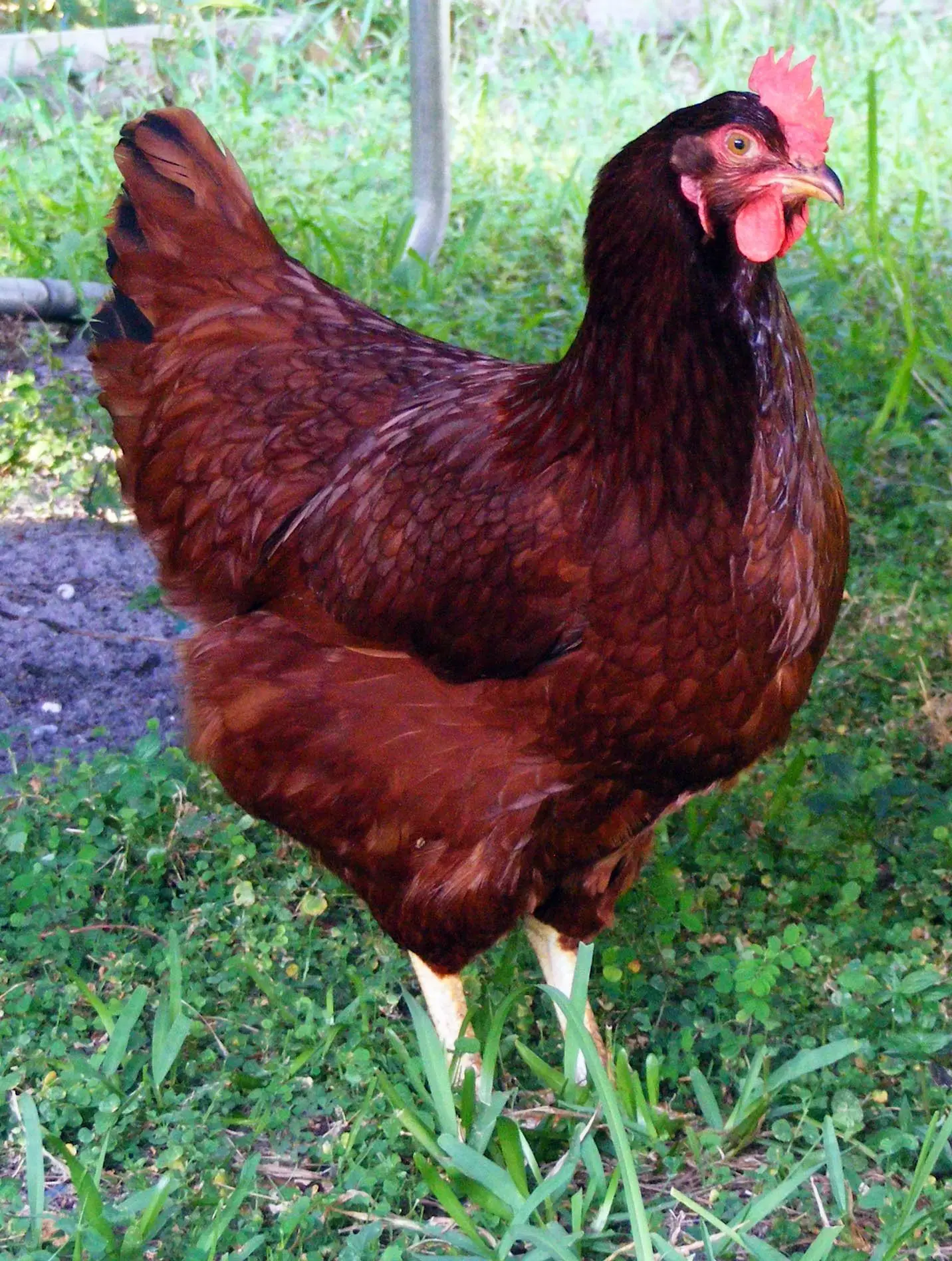
Chicken Breeds: A Guide by What Each One Is Actually For
Fourteen common breeds sorted by purpose — eggs, meat, dual-purpose, beginner-friendly — with a link to the full comparison for each category.
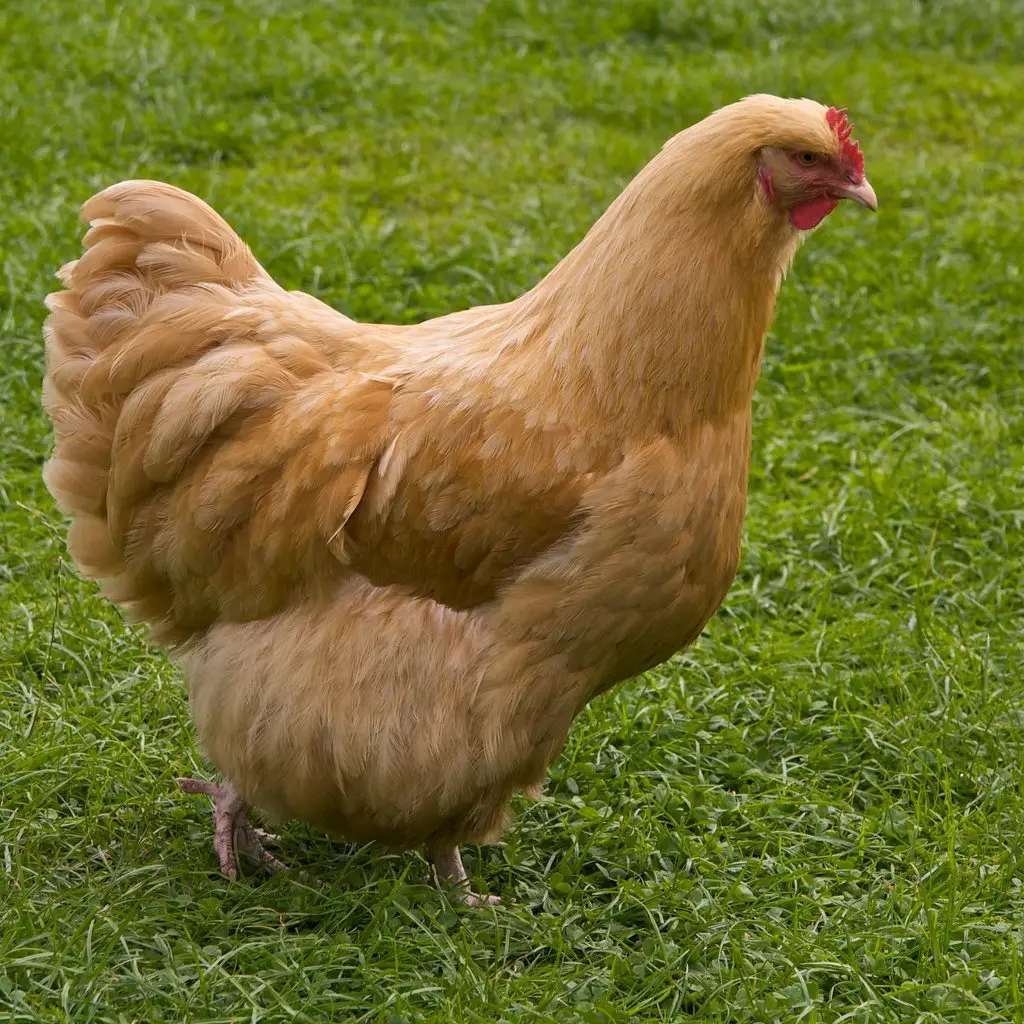
Best Chickens for Eggs: 6 Breeds Worth Keeping
The highest-laying breeds are not always the right ones. Six laying breeds compared on eggs per year, temperament, cold tolerance, and how long they actually last.
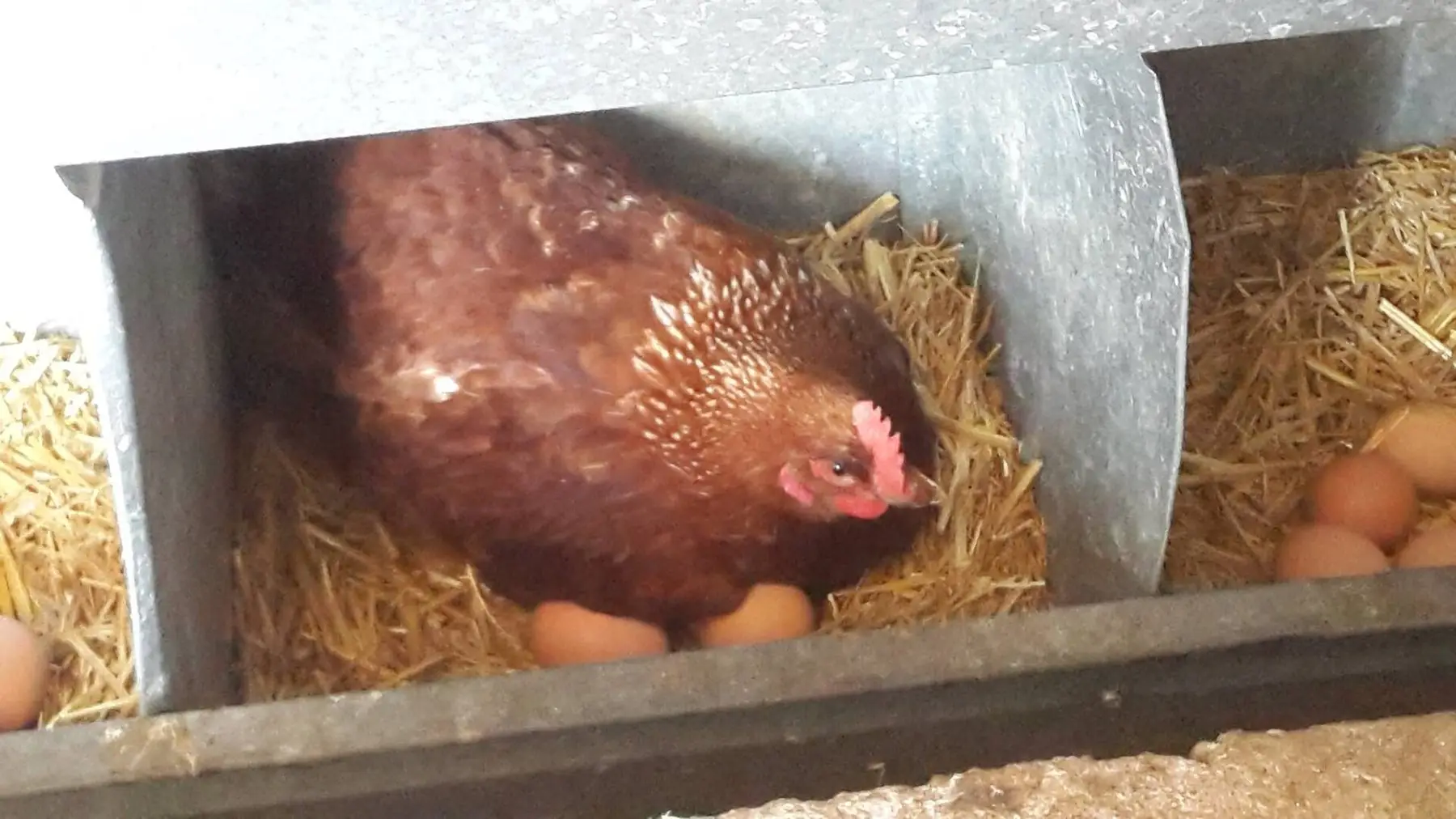
Best Chickens for Meat: 5 Breeds, Honestly Compared
Cornish Cross reach table weight in eight weeks and pay for it in health problems. Five meat breeds compared on grow-out time, feed cost, and how they actually live.
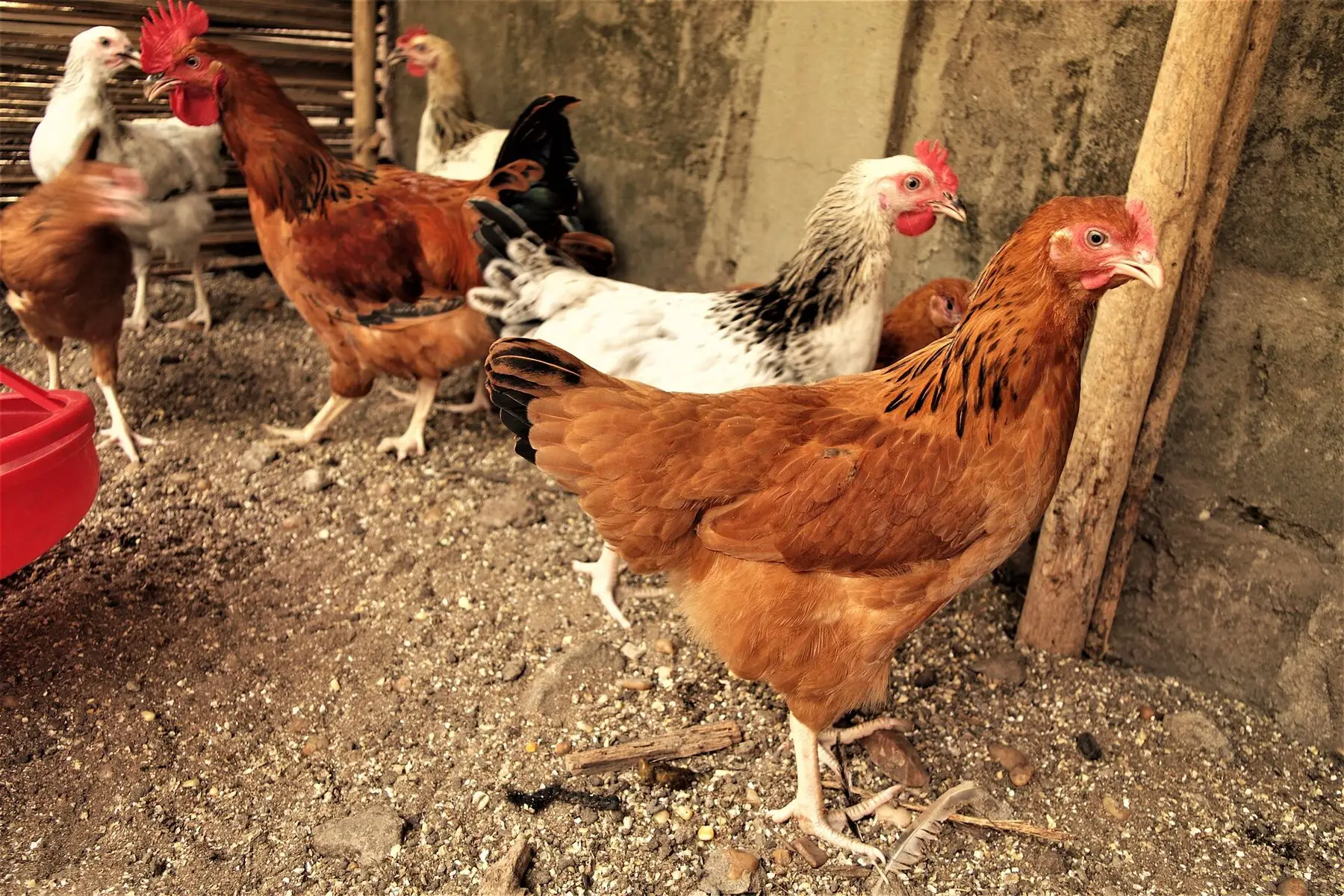
Backyard Chickens: What It Actually Takes
Space, cost, time, and the rules nobody mentions. An honest account of keeping backyard chickens before you buy the coop — including why the eggs are not free.