Do You Actually Need a Rooster?
Hens lay perfectly well without one. A rooster is only necessary for fertile eggs — here is what one actually does, and why most municipalities ban them anyway.
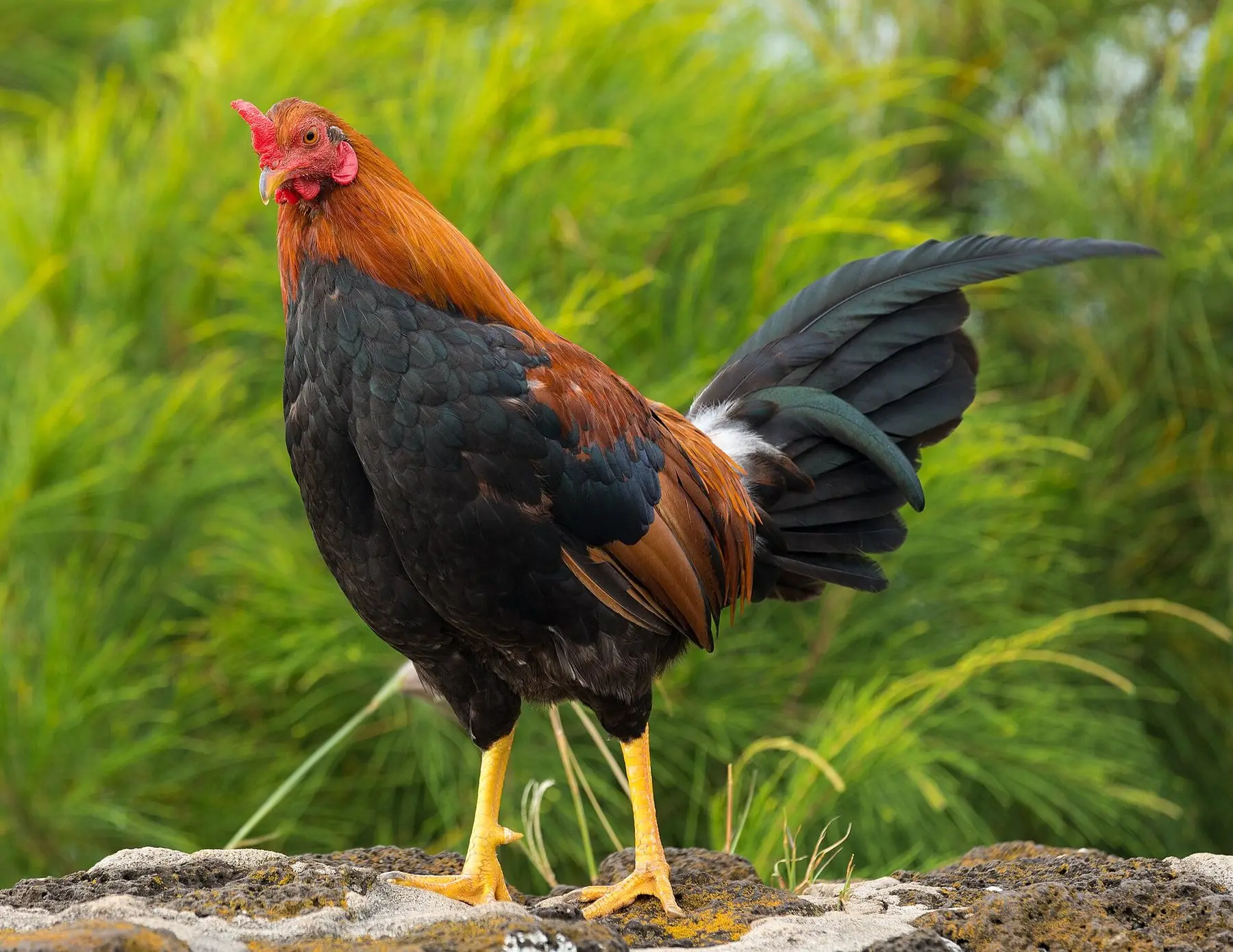

On this page
Roosters get added to backyard flocks for reasons that usually do not survive scrutiny — “for protection,” “hens need one,” a chick that turned out male and got kept anyway. None of those hold up well against what a rooster actually requires from you.
What a rooster is actually for
| Function | Real value | Do hens manage without one? |
|---|---|---|
| Fertilising eggs | Essential, if you want chicks | N/A — the only non-negotiable function |
| Predator vigilance | Genuine, but not guaranteed | Yes — flocks without roosters remain alert |
| Alarm calling | Real, useful | Yes — hens also alarm-call |
| Breaking up hen disputes | Some effect | Yes — pecking order settles without one |
| Finding and calling to food | Minor, charming | Not needed |
The only item on that list a rooster is strictly required for is fertilisation. Every other function is a genuine but partial benefit, not a flock necessity.
Check the legal rules specifically for roosters
This is worth its own check even if you have already confirmed hens are allowed. Crowing — loud, starting before dawn, repeated throughout the day — is the single most common reason a municipality that permits hens explicitly bans roosters. It is a separate and often stricter rule, not an extension of the hen rule. See the fuller legal picture in what keeping backyard chickens actually takes.
The case for keeping one
If fertile eggs matter to you — hatching your own replacements, raising a heritage breed that breeds true — a rooster is simply required, and this whole question does not apply.
Beyond that, a rooster genuinely does watch for aerial and ground predators more actively than hens typically do, and a good one asserts calm dominance that can reduce hen-on-hen squabbling rather than adding to it. Some keepers find their flock’s temperament noticeably improves with the right rooster present.
The case against
Legal risk, covered above, is the most common reason keepers give up a rooster after the fact — usually following a neighbour complaint rather than proactive enforcement.
Noise is not trainable away. Crowing is an instinctive territorial and time-marking behaviour, not a learned habit, and claims of genuinely “quiet” rooster breeds should be treated with real skepticism if a strict noise rule is what you are working around.
Aggression toward people varies enormously by individual and can develop even in a previously calm bird, particularly toward children or during breeding season. A rooster that turns aggressive is a real management problem, not a minor annoyance.
One rooster only. Two mature males in the same flock will fight, sometimes seriously. If you acquire mixed chicks and end up with more than one male, plan to rehome or process the extras rather than keeping several together.
The honest default
For a flock kept purely for eggs — which is most backyard flocks — skip the rooster. You lose nothing on egg production, avoid the most common source of neighbour complaints, and sidestep the legal risk entirely. Add one later, deliberately, only if fertile eggs become an actual goal.
Common questions
Do hens need a rooster to lay eggs?
What does a rooster actually do for the flock?
Is it legal to keep a rooster in a backyard?
Are hens happier or safer with a rooster?
What is a quiet rooster breed?
Backyard Weekly
Know what to plant, week by week
Free planting calendar. Join the weekly email for seasonal jobs, fixes for what is going wrong, and gear worth buying.
Set MONETIZATION.email.endpoint in src/config/site.ts to enable this form.
By subscribing you agree to our privacy policy. Grow In Backyard will never sell your address.
Keep reading
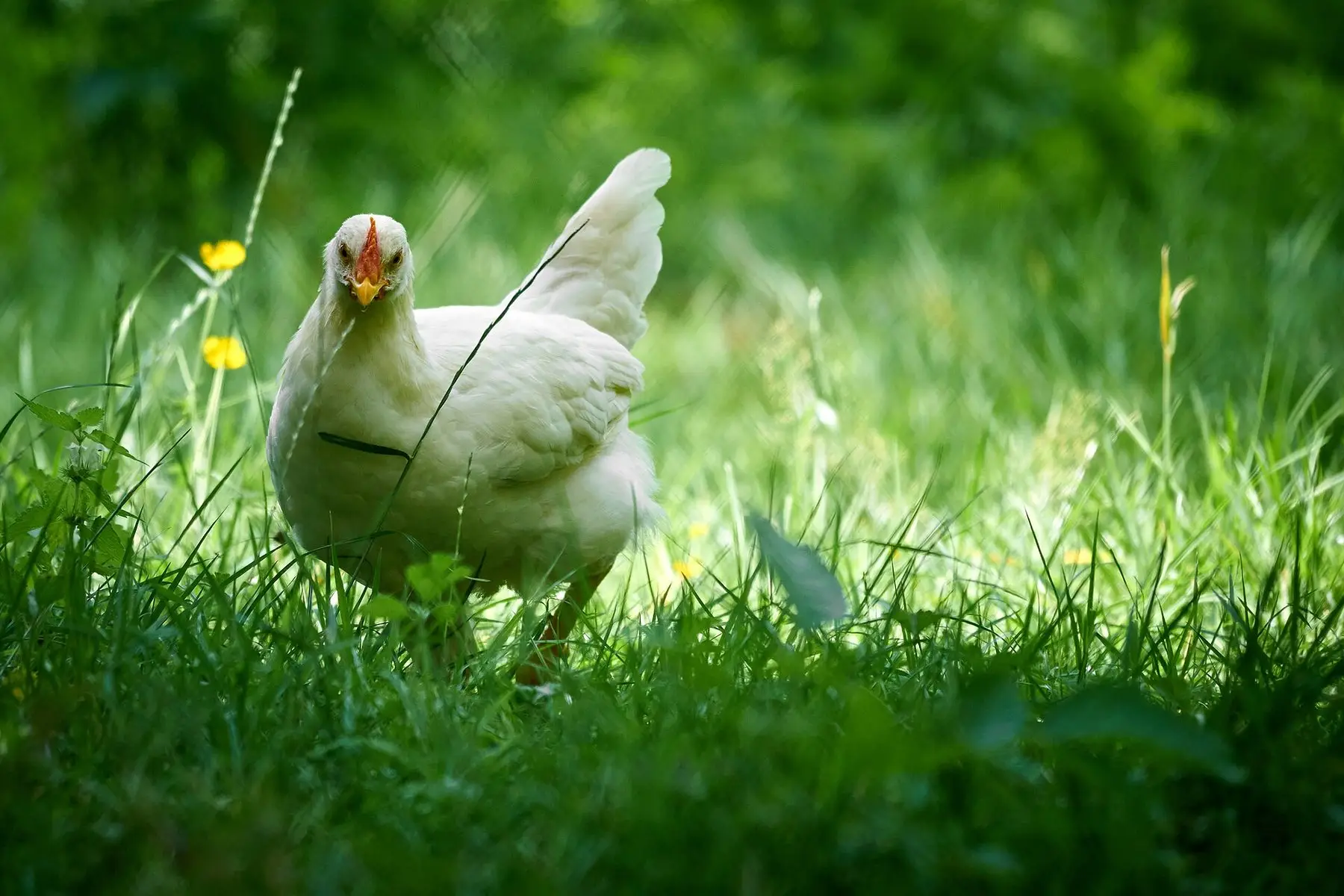
Backyard Chickens: What It Actually Takes
Space, cost, time, and the rules nobody mentions. An honest account of keeping backyard chickens before you buy the coop — including why the eggs are not free.
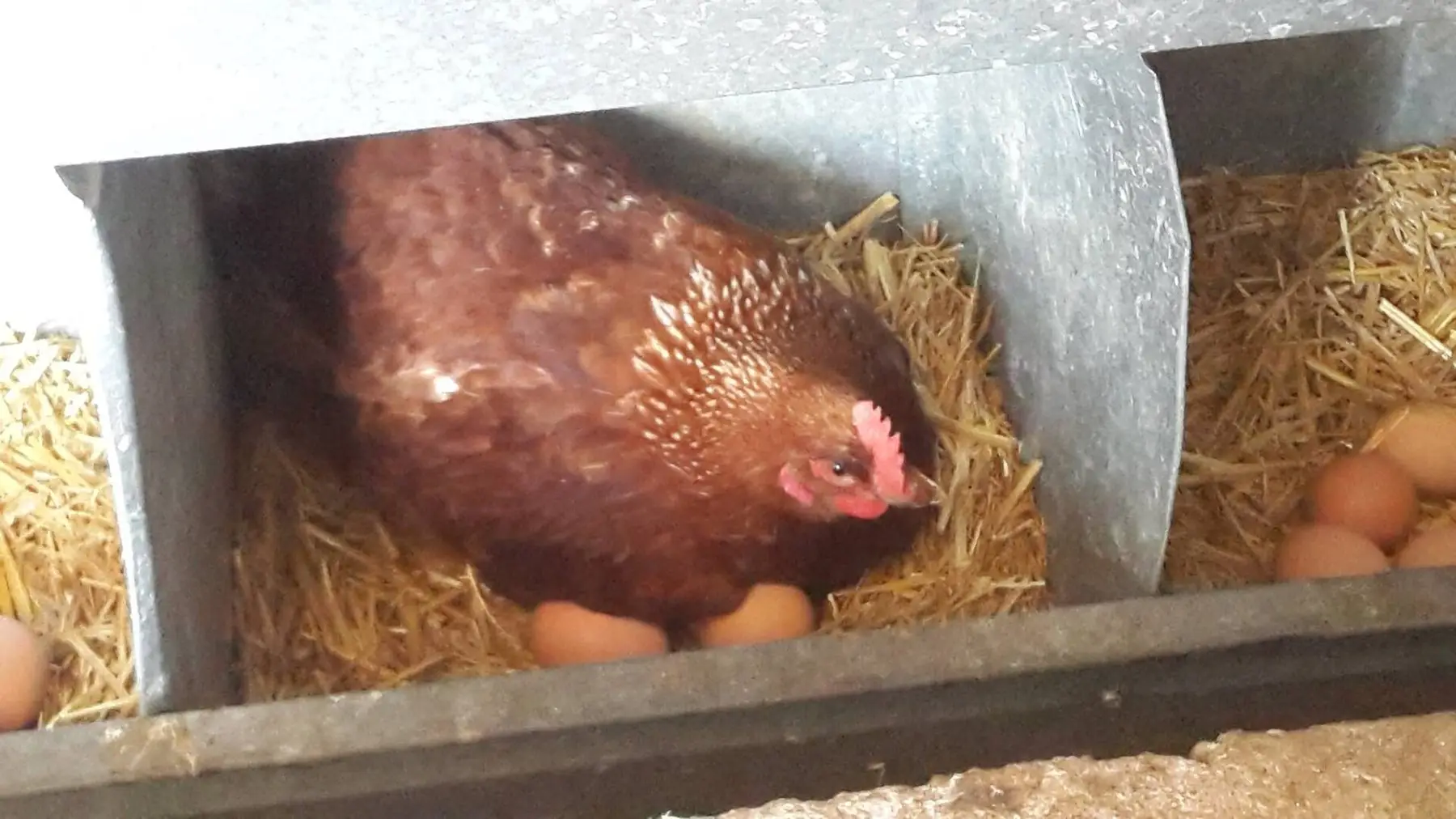
Best Chickens for Eggs: 6 Breeds Worth Keeping
The highest-laying breeds are not always the right ones. Six laying breeds compared on eggs per year, temperament, cold tolerance, and how long they actually last.
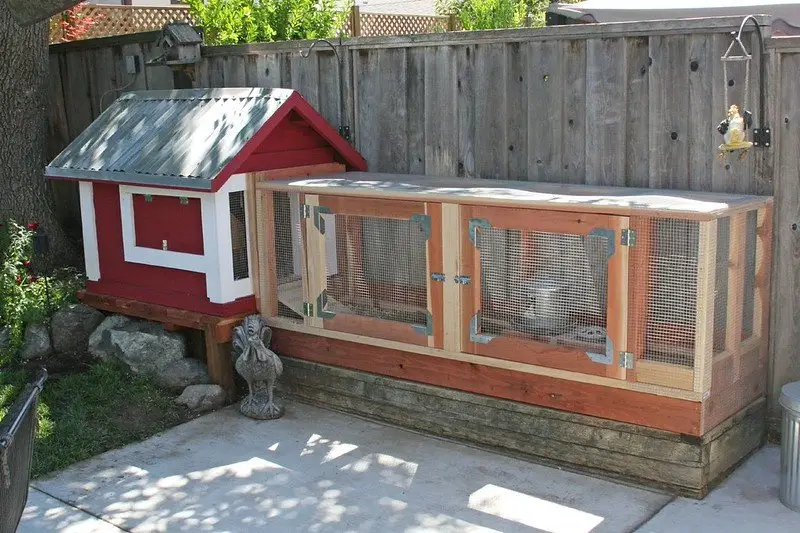
Best Chicken Coops You Can Buy (and When Building Is Cheaper)
Prefab coops range from genuinely good to a raccoon's first target. What to check before buying one, sized by flock, and when building instead saves real money.
Best Chickens for Beginners: Temperament First
Every breeds list ranks by eggs. For a first flock, temperament, noise, and how forgiving a breed is of mistakes matter more. Five breeds picked on that basis.