Why Your Chickens Stopped Laying: Work Through This List
Nine reasons hens stop laying, in the order to check them. Most are seasonal and fix themselves — but three are worth acting on before the flock loses condition.
.jpg)
On this page
A flock that was laying well and suddenly is not sets off more worry than almost anything else in backyard keeping. Most of the time nothing is wrong: chickens are seasonal animals and the pause is built in. But a few causes do need action, and the order you check them in matters.
Work through it in this order
| # | Cause | The tell | Action |
|---|---|---|---|
| 1 | Hidden nest | Free-ranging flock, no other symptoms | Confine 3 days |
| 2 | Moult | Feathers everywhere, scruffy birds, autumn | Wait; raise protein |
| 3 | Short days | Late autumn onward, gradual decline | Wait, or add light |
| 4 | Broody | One hen flat in the box, growling | Remove her from the box |
| 5 | Stress | Recent scare, move, or new bird | Wait 1–2 weeks |
| 6 | Age | Gradual decline over years, not sudden | Nothing to fix |
| 7 | Heat | Above ~90°F, panting | Shade, water, electrolytes |
| 8 | Nutrition | Soft shells, thin birds, treat-heavy diet | Layer feed + oyster shell |
| 9 | Parasites or illness | Pale comb, weight loss, lethargy | Inspect at night; vet |
1. They may not have stopped at all
Before anything else, rule this out. A free-ranging hen who has found somewhere better than the nest box will use it consistently and quietly, and people spend weeks diagnosing a laying problem that is actually a hiding problem.
Shut the flock in the coop and run for three full days. If eggs appear, go and find the nest — under a shed, in long grass, behind the woodpile.
2. The moult
The most common genuine answer in autumn, and the one that alarms people most because the birds look terrible.
Once a year, usually as days shorten, a hen drops and regrows her feathers. Feathers are roughly 85% protein, and a hen cannot build them and eggs at the same time — so laying stops almost completely for 6 to 12 weeks.
There is nothing to fix. You can help by raising dietary protein during the moult, which shortens it, and by handling the birds less: new pin feathers have a live blood supply and are genuinely sore.
A hard moult is a good sign
Birds that drop feathers dramatically and regrow quickly are usually the better layers. A hen that moults slowly and scruffily over months is often the one producing least. Old poultry keepers picked culls this way, and the correlation is real.
3. Daylight
Laying is triggered by light falling on the hen’s eye, not by temperature. Below roughly 14 hours of daylight the reproductive cycle winds down — which is why production falls through autumn and returns in late winter, weeks before the weather improves.
You can override it with a timer lamp bringing total light to 14–16 hours. It works. But the winter rest lets the reproductive tract recover, and flocks pushed through every winter tend to decline earlier. Staggering a few new pullets into the flock each year is the gentler way to keep eggs coming.
4. Broodiness
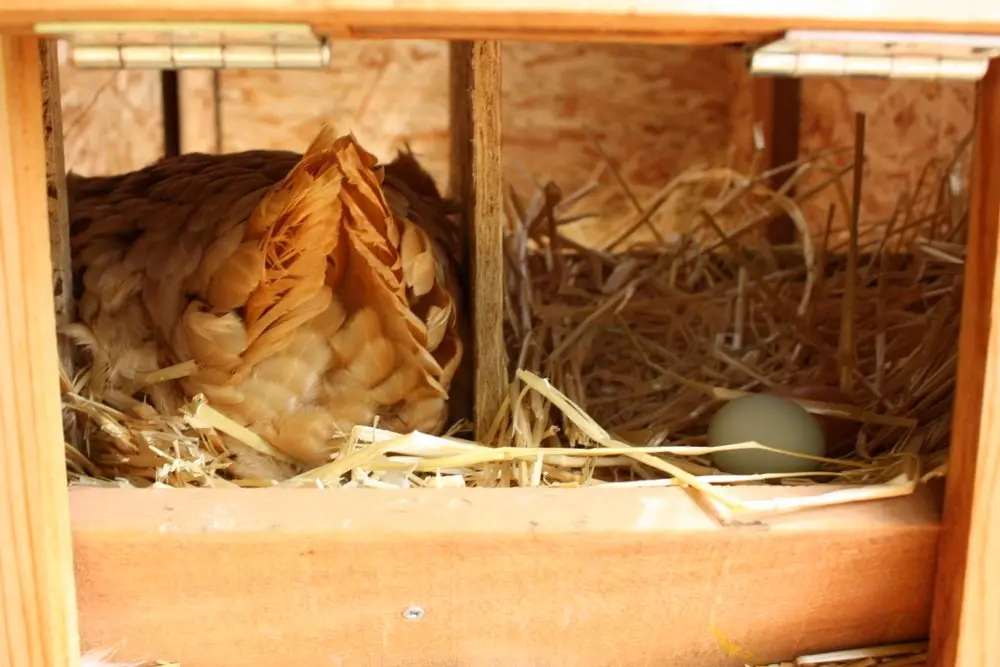
A broody hen stops laying and sits. She will be flat and wide in the nest box, hot to the touch, growl or shriek when you reach under her, and stay there when the others are out.
Left alone she sits about 21 days. To break it, take her off the nest repeatedly, block the box, or put her somewhere with a wire floor and no bedding for two or three days so she cannot settle.
Some breeds — Orpingtons, Silkies, Cochins — do this constantly. It is worth knowing before you choose; best chickens for eggs covers which breeds go broody.
5. Stress
Underrated, and easy to miss because the trigger is often days earlier.
A fox at the fence that never got in, a dog, a new bird added to the flock, rehoming, a change of feed, building work nearby — any of these can stop laying for one to two weeks. Chickens are prey animals with rigid social structures, and both parts of that make them sensitive to disruption.
There is nothing to do but leave them alone and let the flock settle.
6. Age
Not sudden, so if the stop was abrupt this is not your answer. Production falls roughly 15–20% a year after year two, which over several years looks like a hen quietly retiring — covered in detail in how long hens keep laying.
7–9. The ones worth acting on
Heat. Sustained temperatures above about 90°F suppress laying, and chickens cope with heat far worse than cold. Shade, deep cool water, and airflow.
Nutrition. The usual culprit is treats. Scratch, corn, and kitchen scraps are low in protein, and a flock filling up on them is not getting the 16% protein and calcium that laying requires. Layer feed should be the bulk of the diet, with oyster shell offered free-choice and separately. Soft or shell-less eggs point squarely here.
Parasites and illness. Red mite feed at night, so check under the perches and in crevices after dark with a torch — not on the bird during the day. Look for pale combs, weight loss, lethargy, or laboured breathing. This is the point to involve a vet.
One hen or the whole flock?
This is the most useful single diagnostic. A whole-flock stop points at something environmental — daylight, heat, feed, a shared stressor. One hen stopping while the rest continue points at that individual: broodiness, illness, or her age. Answering it first narrows the list considerably.
Common questions
How long do chickens stop laying for?
Do chickens stop laying in winter?
Should I add light to keep hens laying through winter?
At what age do chickens stop laying?
Can stress stop chickens laying?
Are my hens hiding their eggs?
Backyard Weekly
Know what to plant, week by week
Free planting calendar. Join the weekly email for seasonal jobs, fixes for what is going wrong, and gear worth buying.
Set MONETIZATION.email.endpoint in src/config/site.ts to enable this form.
By subscribing you agree to our privacy policy. Grow In Backyard will never sell your address.
Keep reading
How Long Do Hens Lay Eggs? The Honest Answer
Hens lay best for two years, then decline about 15–20% annually. Most keep laying into year six or seven — just not many. Here is the real production curve.
How Long Do Chickens Live? (5–10 Years, With Caveats)
Backyard hens typically live 5–10 years, but breed and predators change that dramatically. The realistic lifespan, and what actually shortens it.
Backyard Chickens: What It Actually Takes
Space, cost, time, and the rules nobody mentions. An honest account of keeping backyard chickens before you buy the coop — including why the eggs are not free.
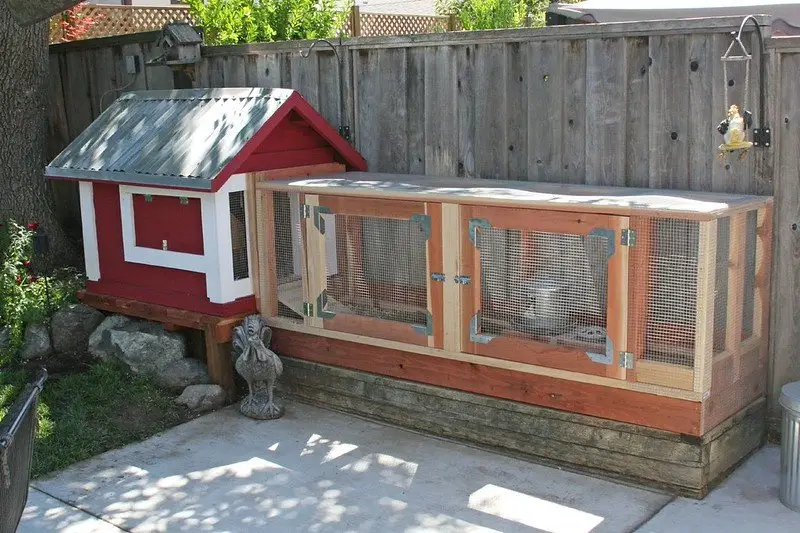
Best Chicken Coops You Can Buy (and When Building Is Cheaper)
Prefab coops range from genuinely good to a raccoon's first target. What to check before buying one, sized by flock, and when building instead saves real money.