Types of Chicken Coops: Which One Actually Fits Your Yard
Fixed, tractor, walk-in, A-frame — each solves a different problem. What each style is actually for, before you commit to building or buying one.

On this page
“Chicken coop” covers several genuinely different structures, and picking the wrong one is a common first-year mistake — usually a coop bought for its looks that turns out to be the wrong size, or the wrong style for how the flock is actually kept.
The real categories
| Style | Best for | Predator security | Moves | Scales to |
|---|---|---|---|---|
| Fixed walk-in | Most backyard flocks | High — buried skirt | No | 4–20+ birds |
| Chicken tractor | Daily fresh forage | Medium — mesh only | Daily | 4–8 birds |
| A-frame | Small space, small flock | Medium-high | Rarely | 2–4 birds |
| Mobile coop | Rotational grazing at scale | High, if well built | Weekly+ | 15+ birds |
| Coop on stilts | Damp ground, pest control | High | No | Any — it’s a detail, not a category |
Fixed walk-in coop
A permanent structure with a buried or skirted hardware-cloth perimeter, sized so an adult can stand and clean it properly. This is the right default for most people keeping four to twelve birds who are not planning to move the flock around the yard.
The advantage is security: a proper buried apron stops digging predators completely, in a way nothing temporary can match. The cost is that it commits the space permanently and the ground underneath it never gets a rest.
Full build details — sizing, ventilation, hardware cloth, latches — are in chicken coop plans.
Chicken tractor
A lightweight, floorless frame combining shelter and run, dragged onto fresh ground every day. It gives the flock daily forage and spreads manure thinly instead of concentrating it, at the cost of having no buried barrier — mesh is the entire defence.
Most people eventually want both
A tractor for daily forage during the growing season, and a fixed coop for security overnight or through winter, is a common and sensible combination rather than an either-or choice. They solve different problems and are not really substitutes for each other.
The full case for and against, plus how to build one light enough to actually move, is in chicken tractor plans.
A-frame
A triangular structure, usually small, that sheds rain and snow well and is simple to build from a few sheets of ply. It suits two to four birds nicely but loses floor space toward the sloped sides compared to a walk-in with vertical walls, so it does not scale — trying to house eight birds in an A-frame usually means a structure too small for the flock rather than a bigger triangle.
Mobile coop
Distinct from a tractor mainly in scale and how it moves: a mobile coop is a larger housing unit on real wheels or a trailer, moved weekly or seasonally rather than daily, usually paired with separate portable electric fencing for the run. This starts to make sense past about fifteen birds, or where the flock is genuinely rotating across pasture rather than a lawn.
“On stilts” is not really its own category
Raising a coop 12–18 inches off the ground on posts or blocks is close to standard practice on a fixed coop, not a separate design. It keeps the floor dry, denies rats and snakes a space to nest under the structure, and gives the birds shade and a dust-bathing spot in the shelter below. If you are building a fixed coop, build it raised — there is little reason not to.
Picking one
For a first flock of four to six birds with no plans to move them around the yard, build a fixed walk-in coop. If daily fresh forage on a lawn matters more than permanence, start with a chicken tractor instead. Either way, get the space and ventilation right before worrying about style — what keeping backyard chickens actually takes covers the sizing that applies regardless of which structure you choose. If building is not an option, what to check before buying one covers the failure points prefab kits share most often.
Common questions
What is the difference between a chicken coop and a chicken tractor?
Is a walk-in coop worth the extra cost?
What is a chicken coop on stilts for?
How many chickens fit in an A-frame coop?
Backyard Weekly
Know what to plant, week by week
Free planting calendar. Join the weekly email for seasonal jobs, fixes for what is going wrong, and gear worth buying.
Set MONETIZATION.email.endpoint in src/config/site.ts to enable this form.
By subscribing you agree to our privacy policy. Grow In Backyard will never sell your address.
Keep reading
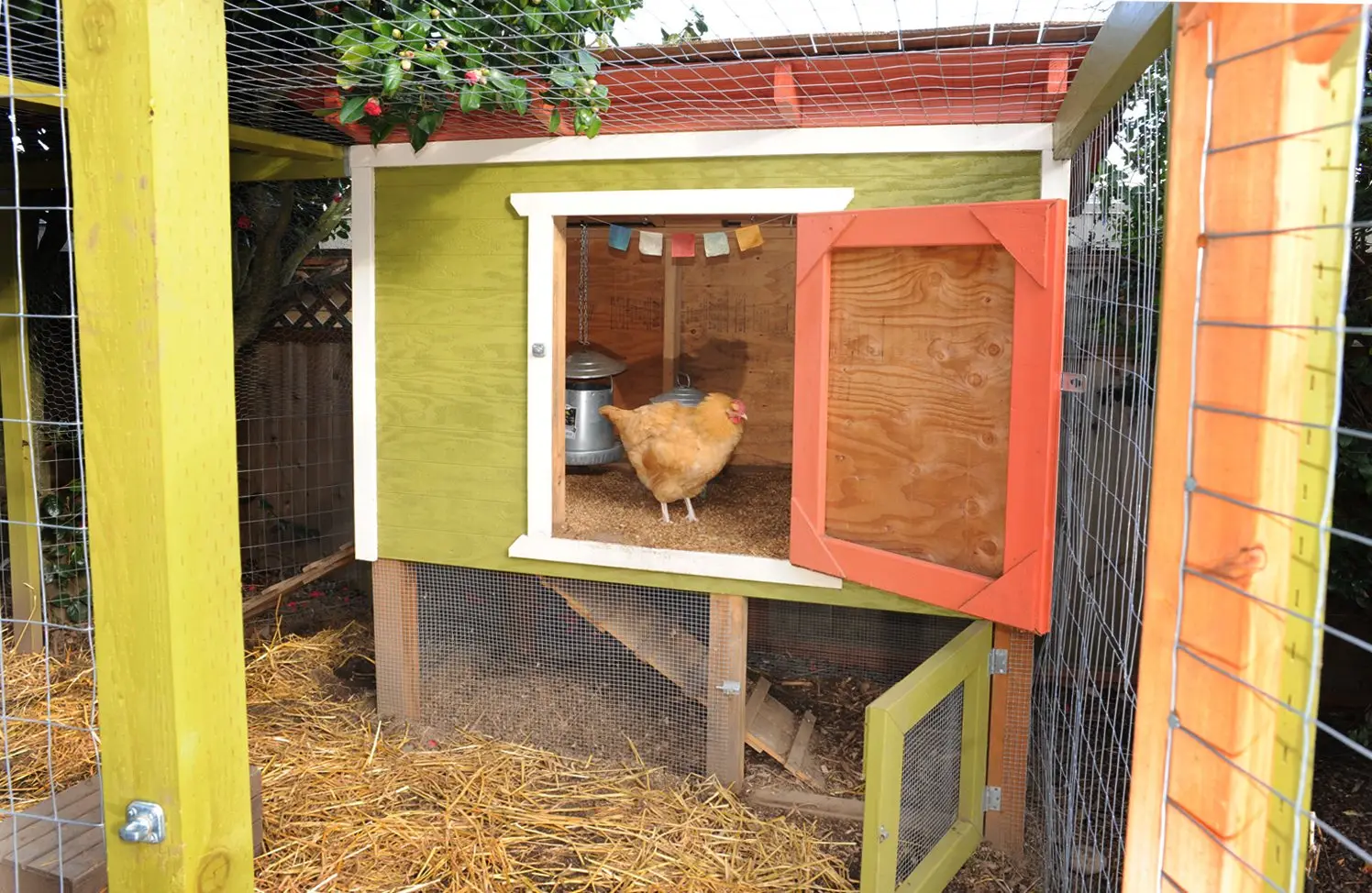
Chicken Coop Plans: Sizing It Right Before You Build
Most coop plans get ventilation and predator-proofing wrong. The dimensions that actually matter, what to build from, and a step-by-step order of work.
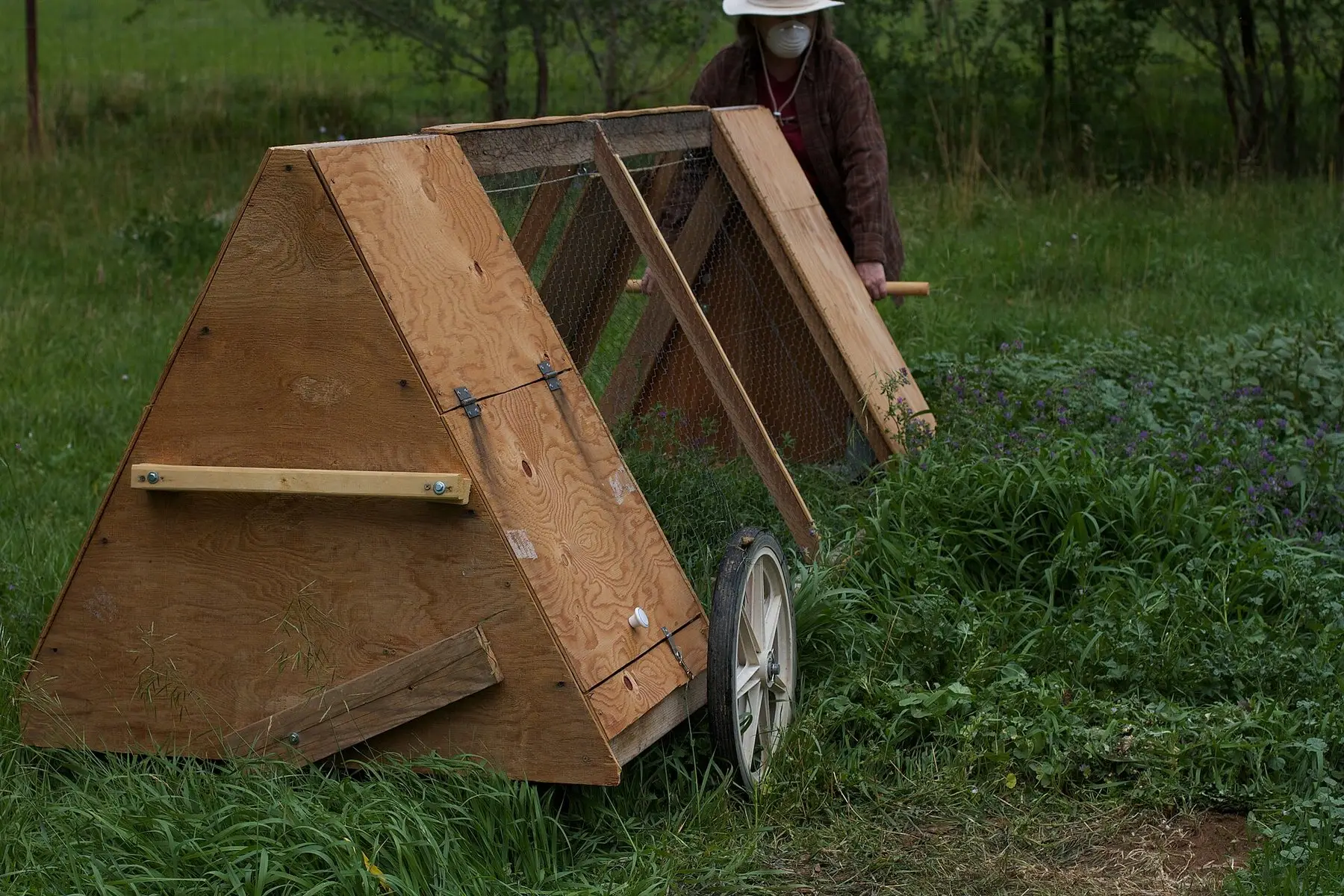
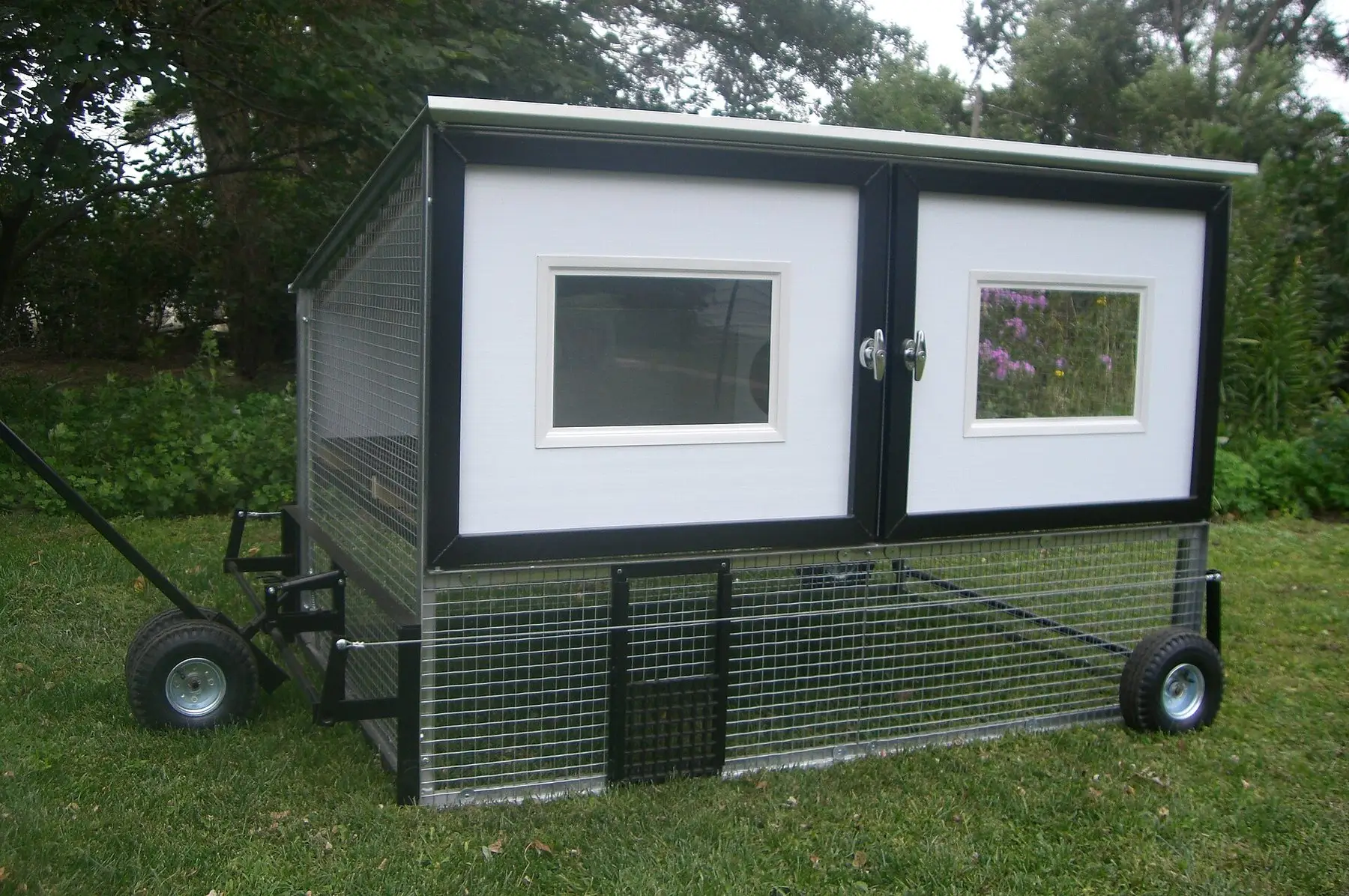
Chicken Tractors: Mobile Coop Plans That Actually Move
A chicken tractor gives hens fresh ground daily without fencing the yard. How to size one you can move alone, and the weight mistakes that strand it.
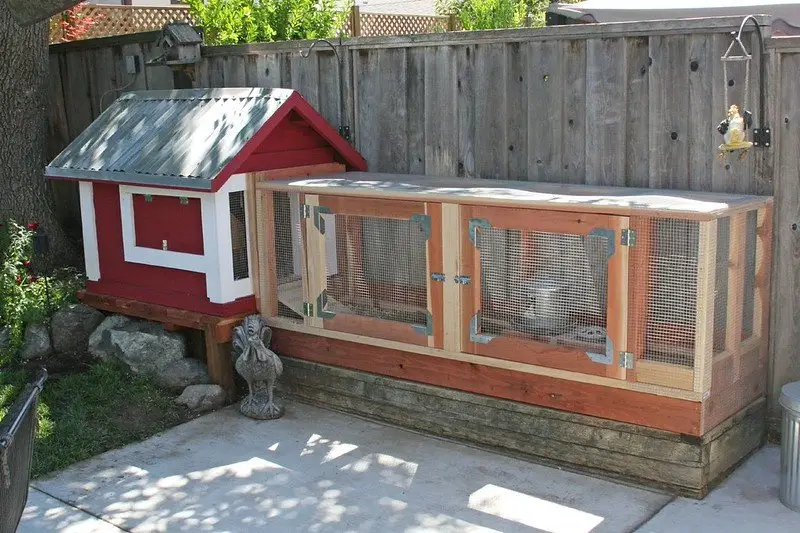
Best Chicken Coops You Can Buy (and When Building Is Cheaper)
Prefab coops range from genuinely good to a raccoon's first target. What to check before buying one, sized by flock, and when building instead saves real money.

Backyard Chickens: What It Actually Takes
Space, cost, time, and the rules nobody mentions. An honest account of keeping backyard chickens before you buy the coop — including why the eggs are not free.