
Garden Problems ·
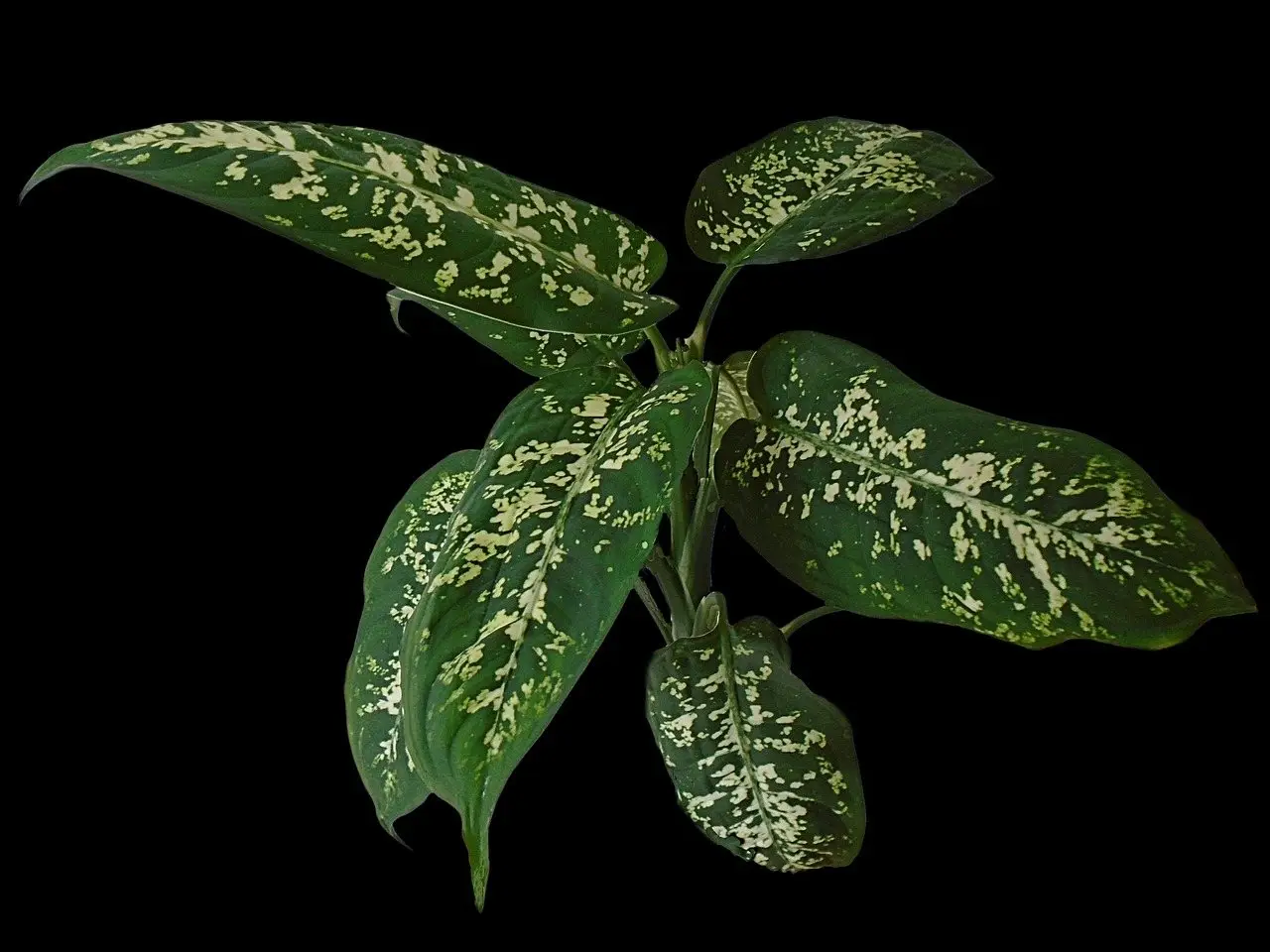
Dieffenbachia Leaves Turning Yellow: Which Leaves Tell You
Dieffenbachia leaves turning yellow has 5 causes, and which leaves go first identifies it. Bottom leaves mean one thing, new growth another, patchy a third.
16 guides in Garden Problems.
Start here
Tomatoes split when a dry spell is followed by heavy water — the inside grows faster than the skin. How to read the crack, and how to stop it happening.
Dieffenbachia leaves turning yellow has 5 causes, and which leaves go first identifies it. Bottom leaves mean one thing, new growth another, patchy a third.
Digging works in a weekend, chemicals take a year, fire is often illegal and rotting takes three. Here is what each one actually involves.
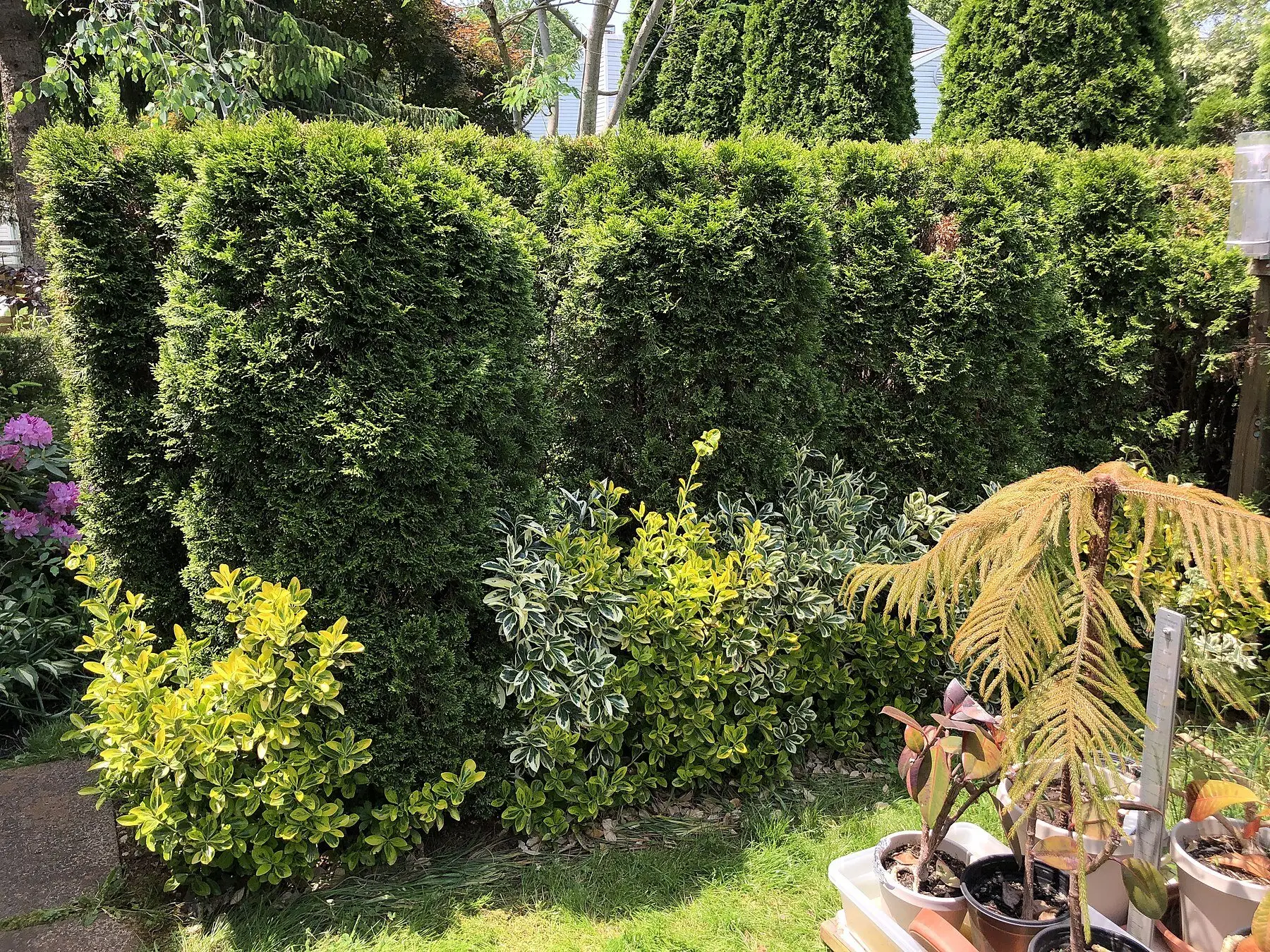
Brown arborvitae foliage is often seasonal shedding, not death. Scratching the bark and checking where the brown sits separates the two in a minute.
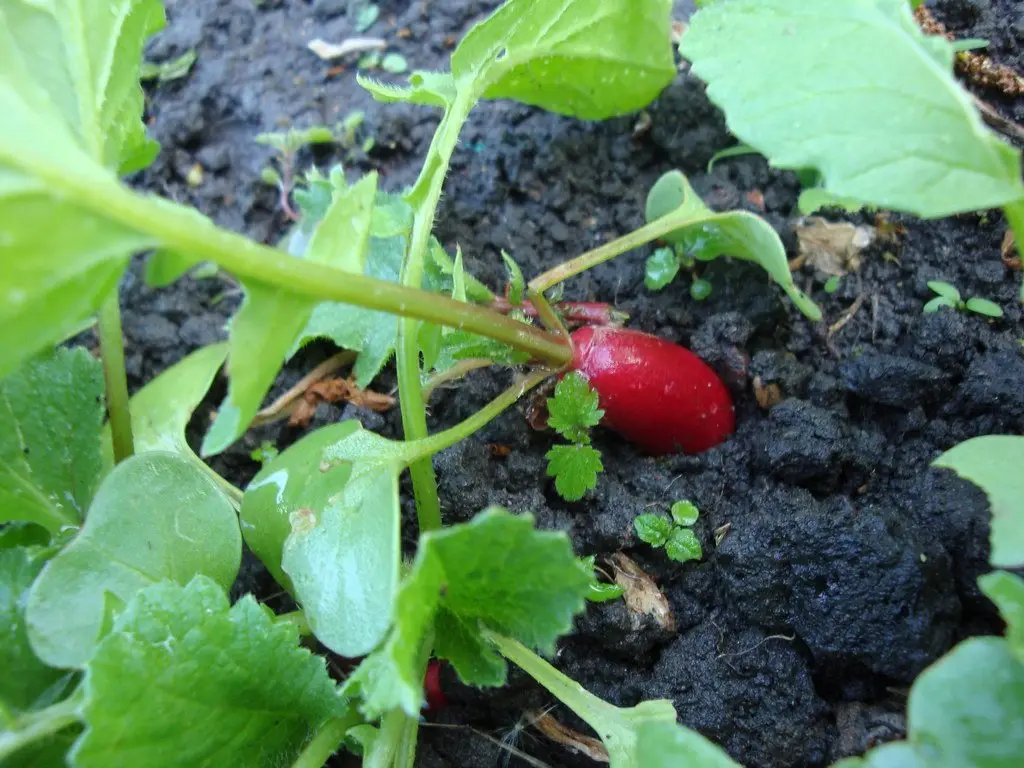
Radishes pushing their shoulders out of the soil is how most varieties grow, not a fault. Here is when it is normal and when it means a real problem.
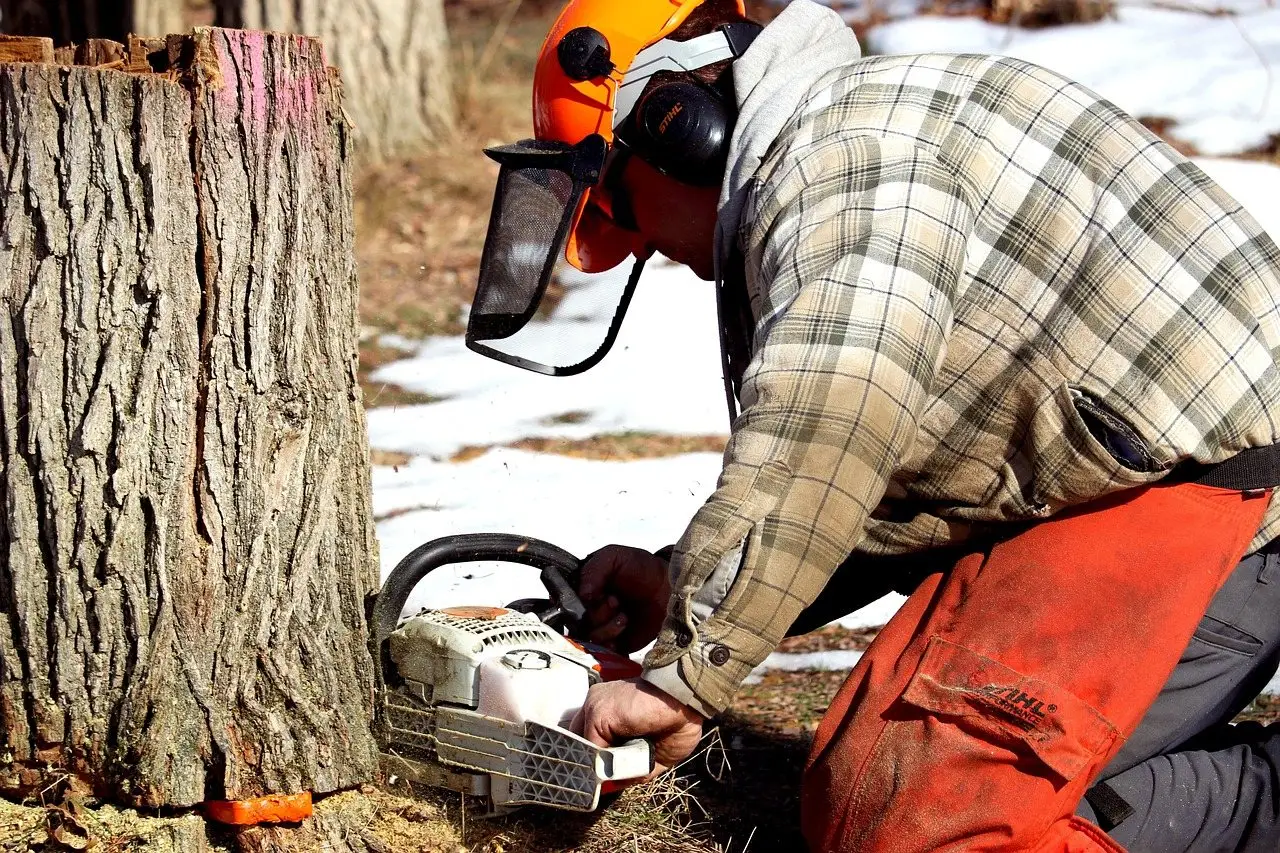
A chain that goes blunt in minutes has almost always touched soil, grit or bark dirt. Here is what actually dulls a chain and how to stop it happening.
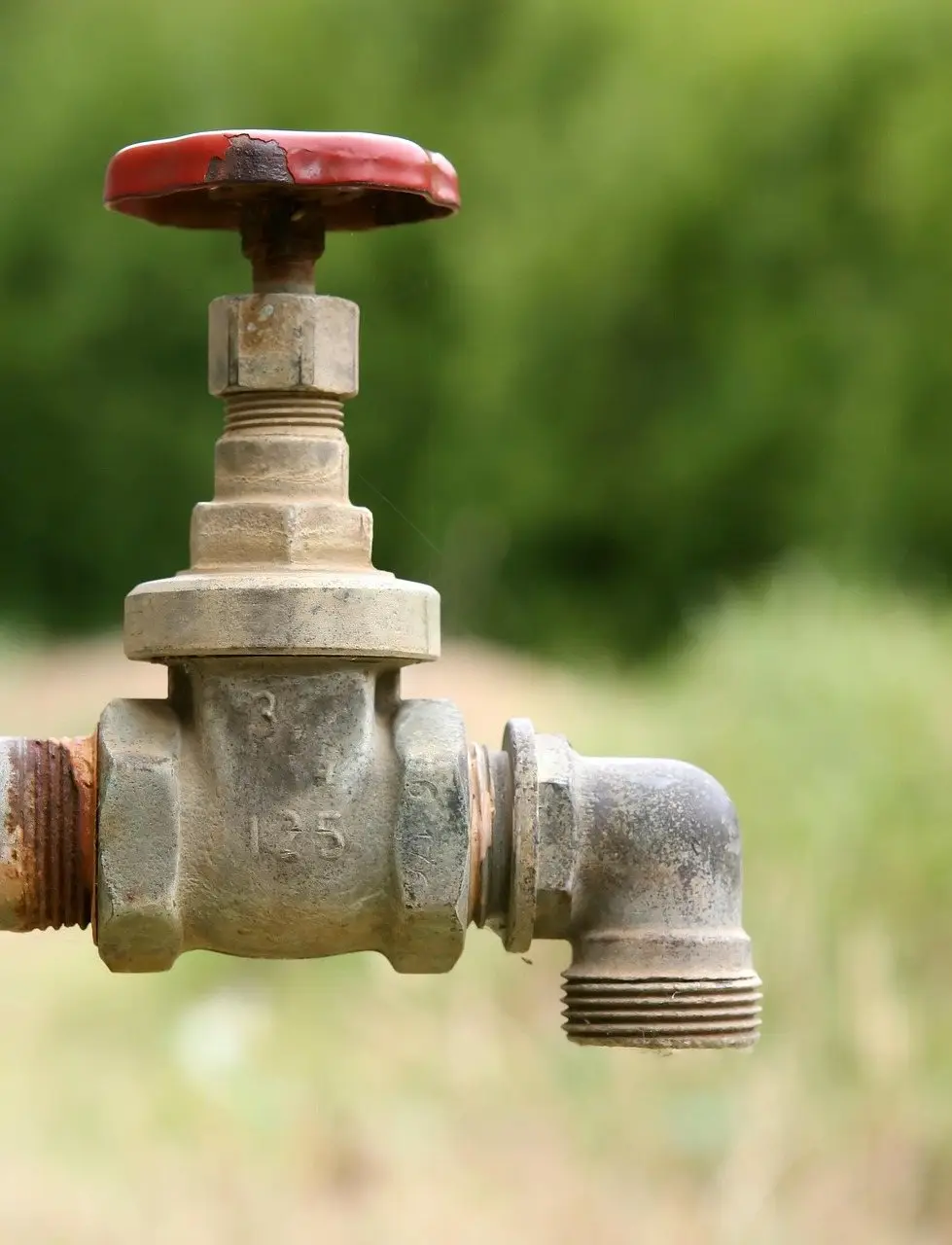
A hose leaking at the tap, the nozzle or a joint is almost always a missing, flattened or wrongly seated rubber washer. Check it before anything else.
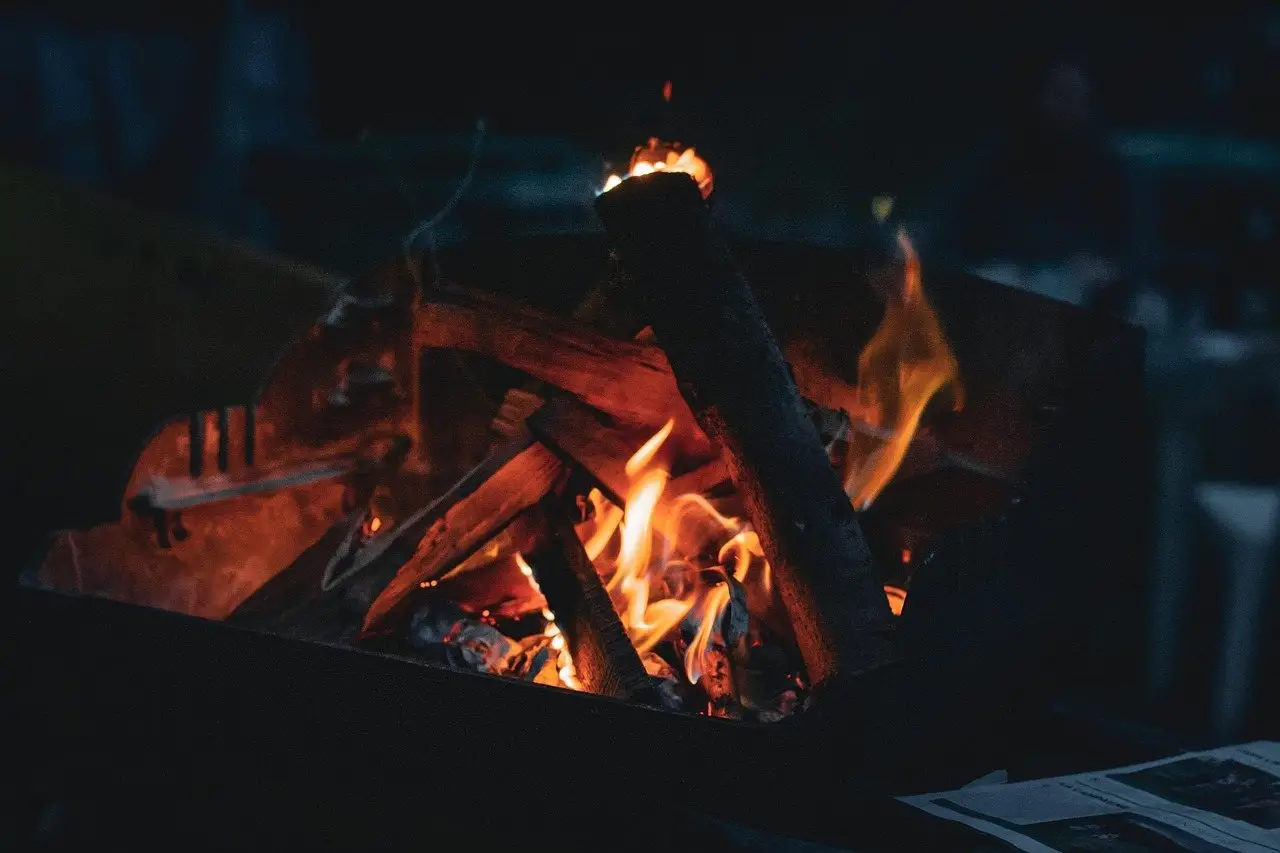
Smoke is unburnt fuel. Wet wood, a smothered fire and no air underneath cause nearly all of it, and each one is fixable in a single evening.
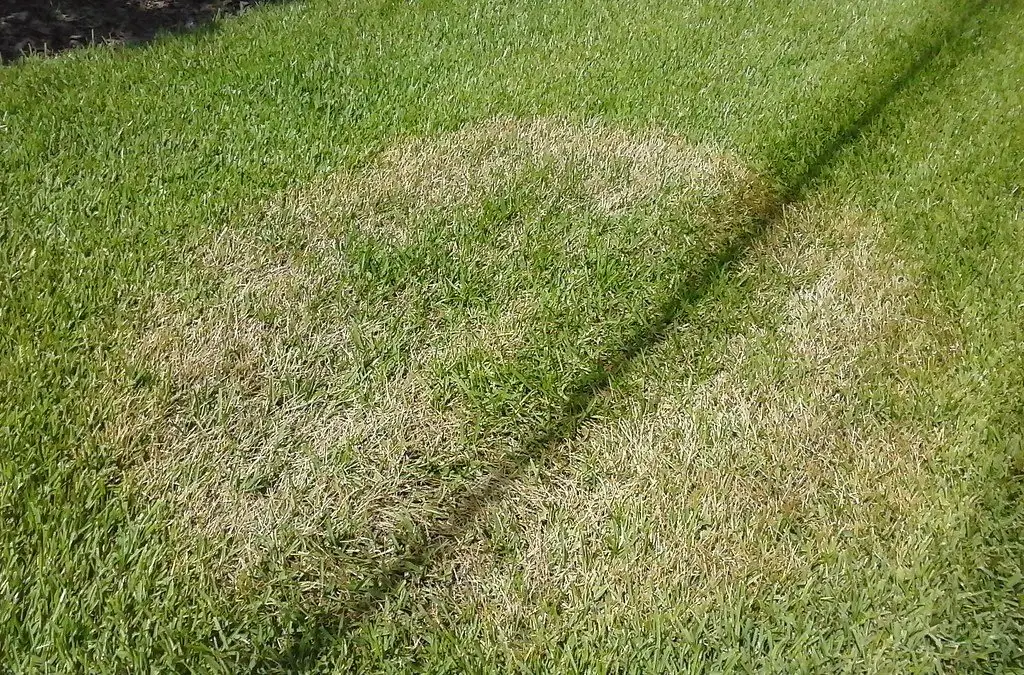
Lifting the edge of a brown patch tells you more than any photo guide: roots that hold, roots that lift, and grubs underneath mean three different causes.
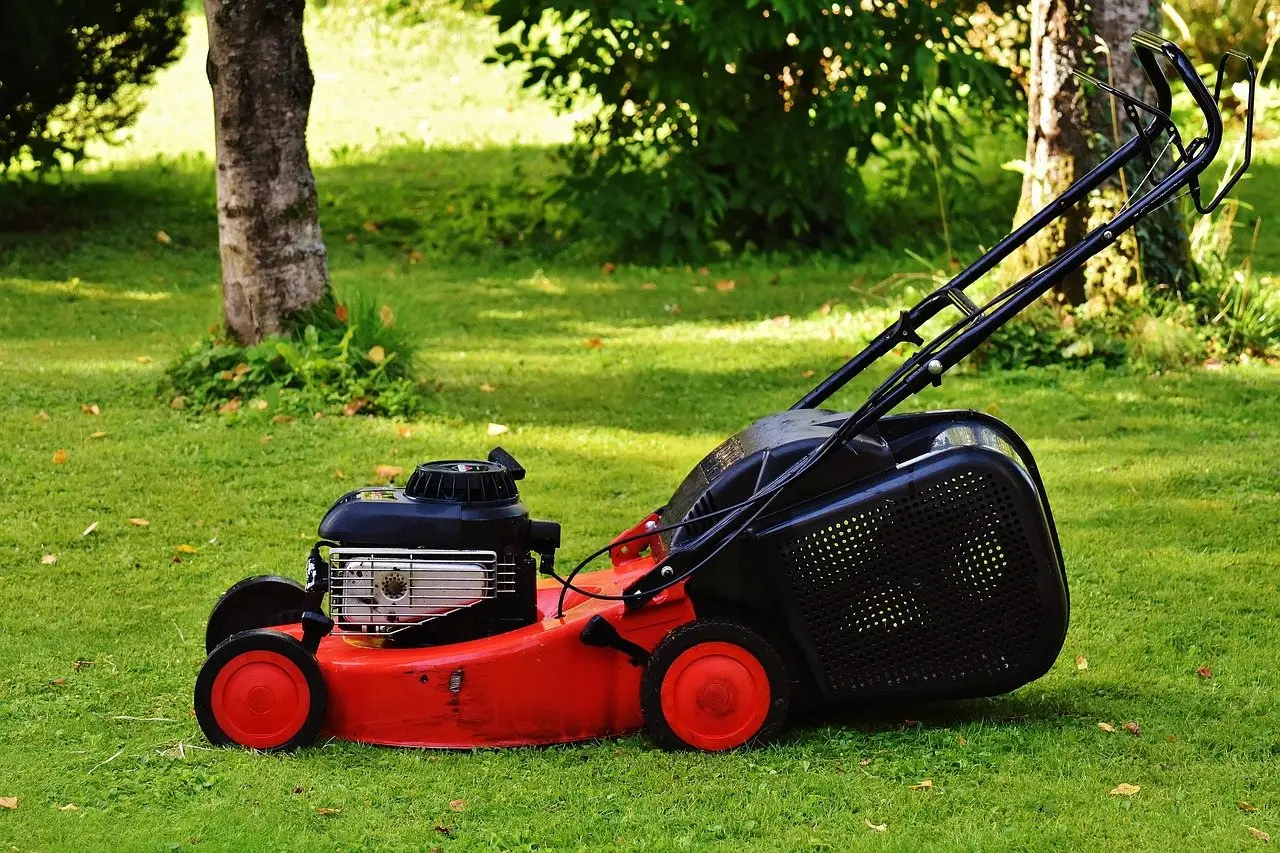
A bang when you shut the mower off is unburnt fuel igniting in the exhaust. When it happens tells you whether it is normal or something to fix.
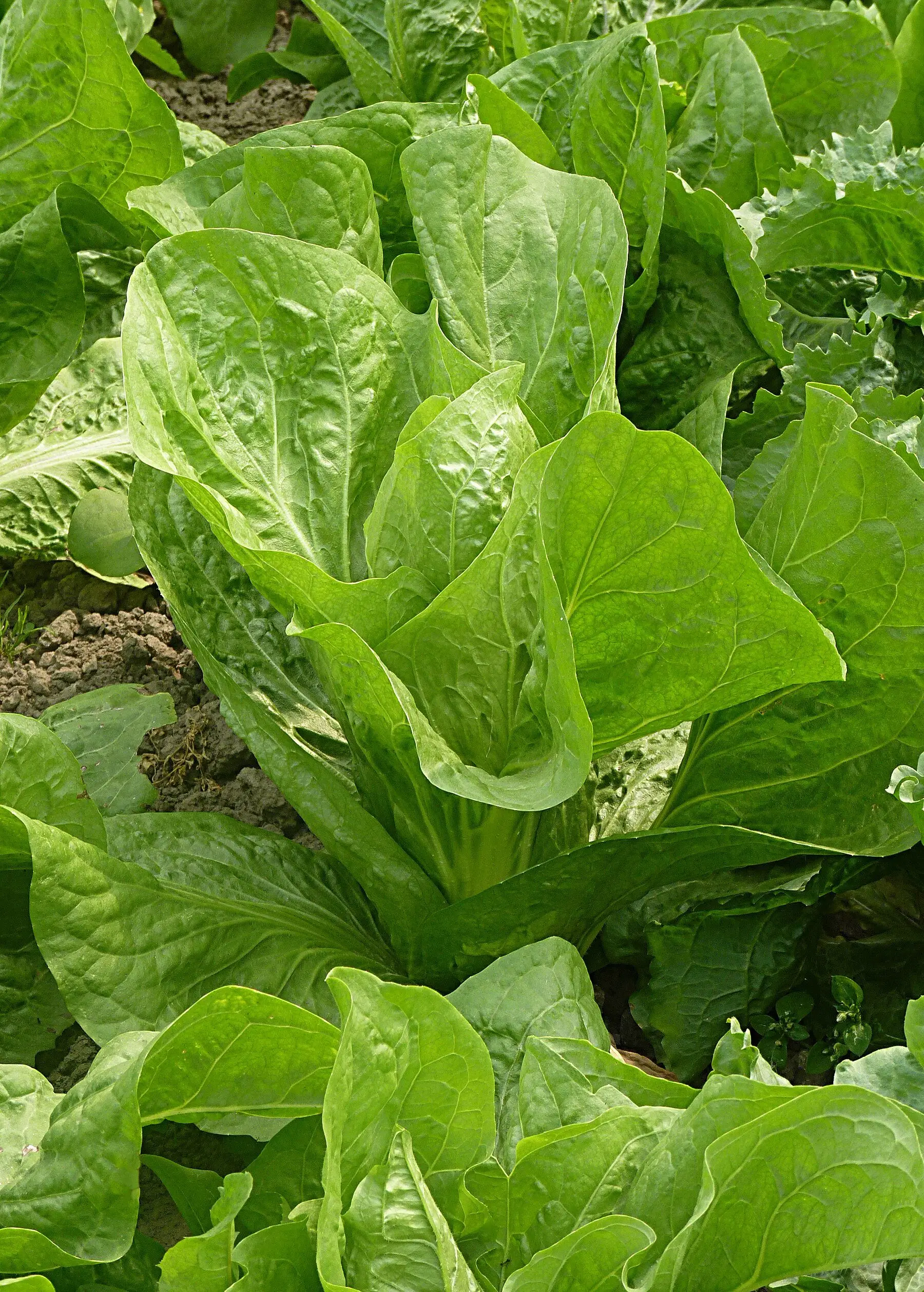
A romaine that shoots upward into a spire is running to seed, and the leaves turn bitter within days. Here is what triggers it and what to do now.
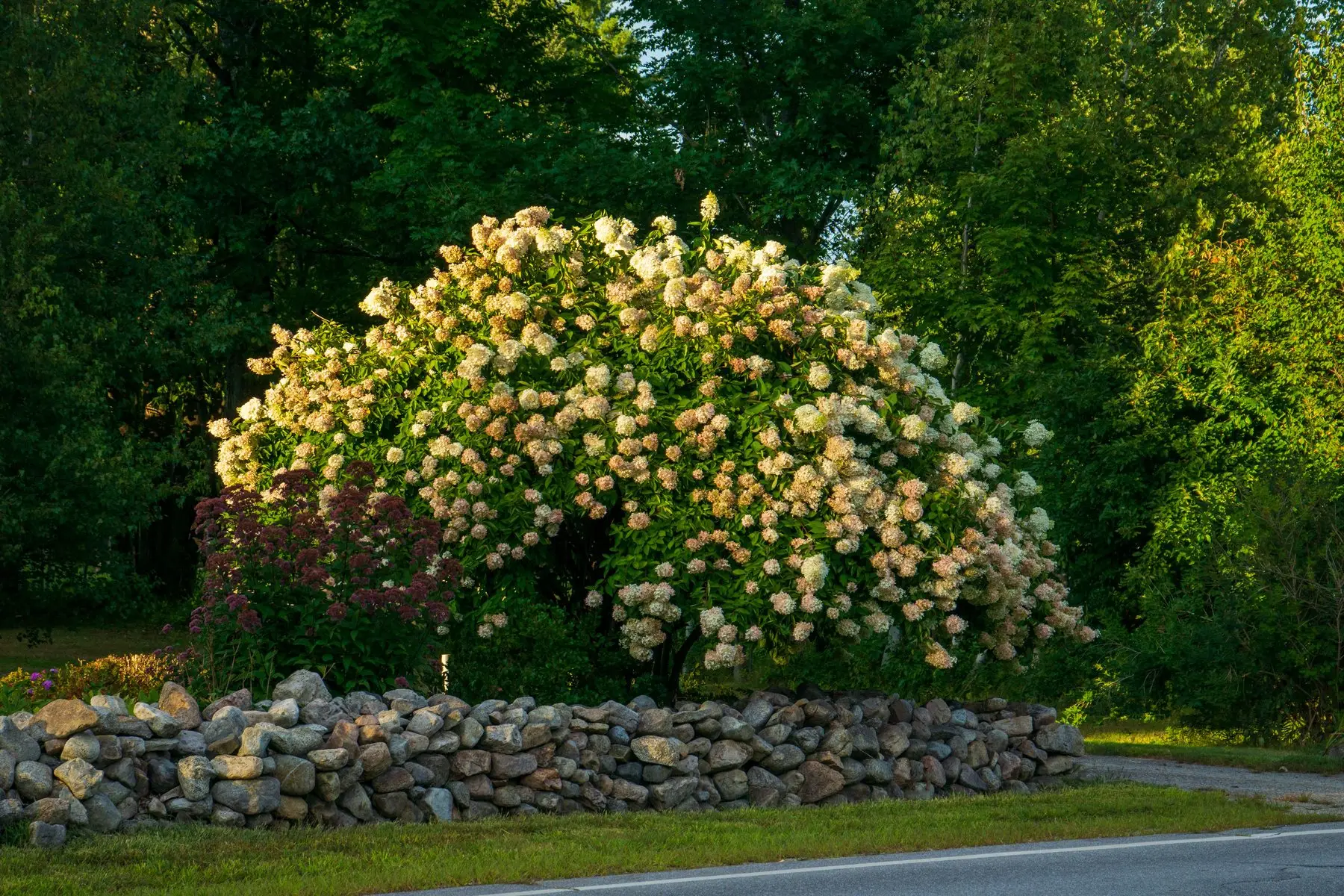
Wilting in afternoon sun that recovers overnight is normal. Browning leaf edges, sudden collapse and bare stems each point somewhere different.
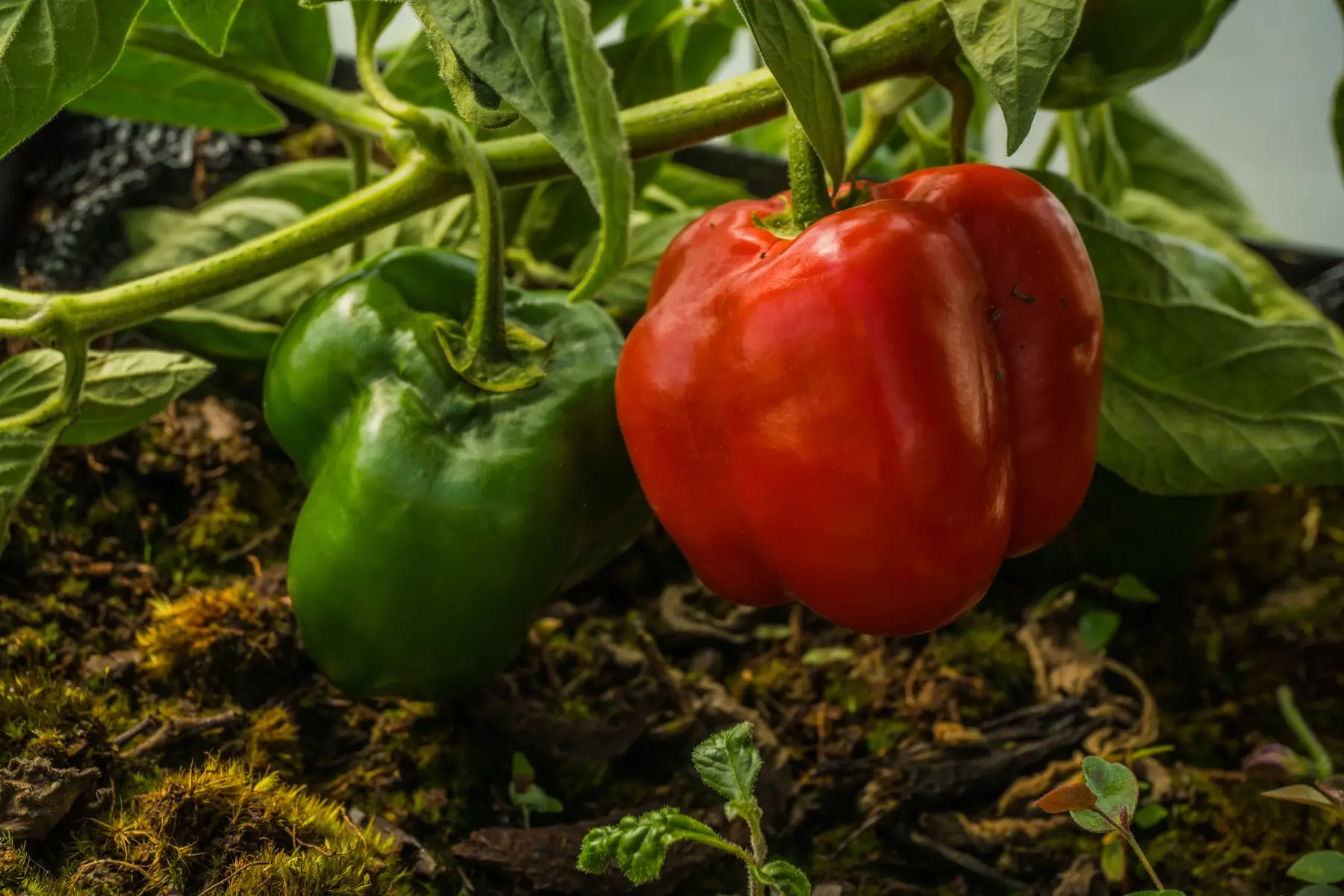
Small peppers are almost always heat stress, too much nitrogen, or a plant carrying more fruit than it can size. Each has a different fix.
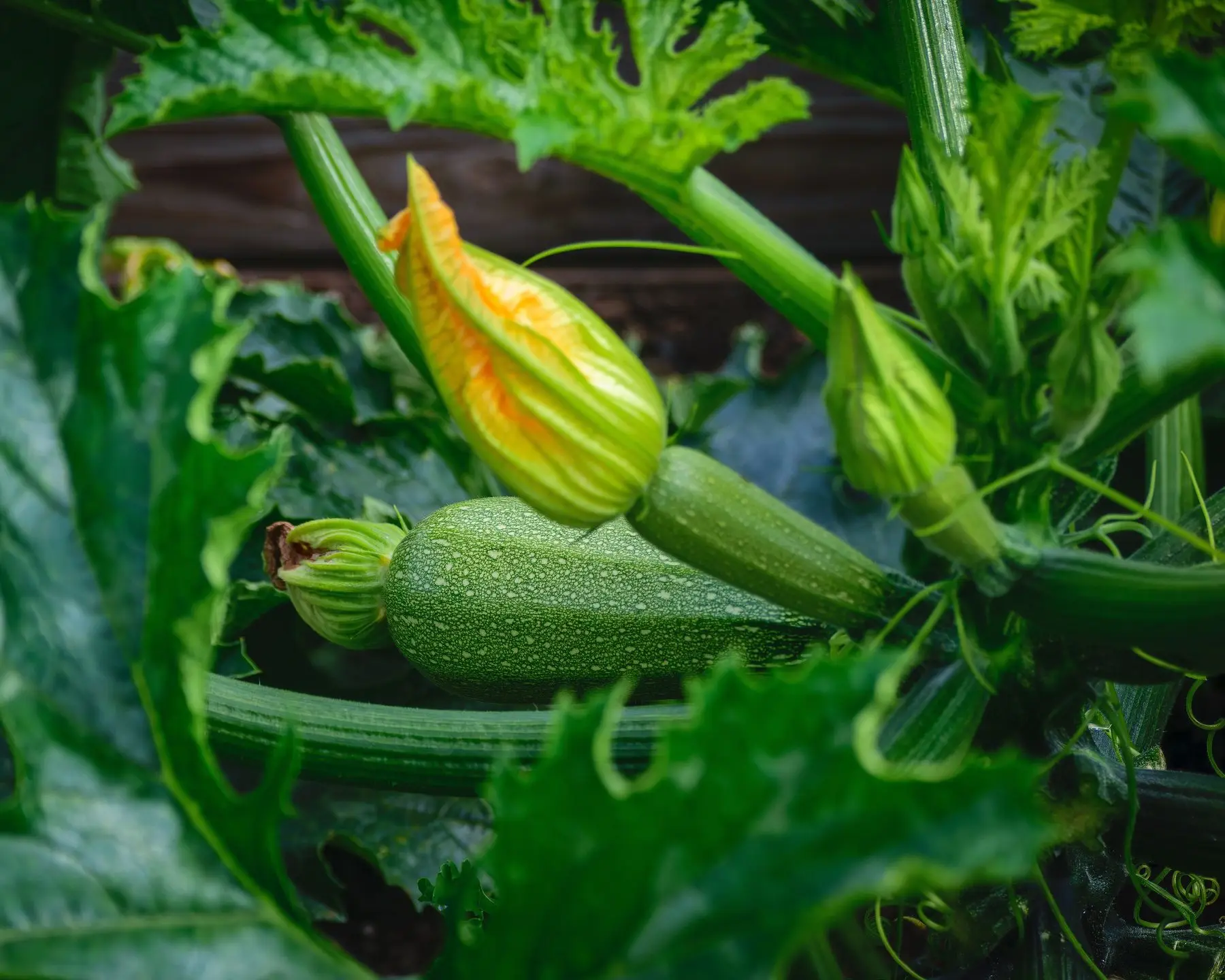
Silvery patches along the veins are normal variegation on many varieties. A white powder you can rub off is mildew. The difference is easy to see.
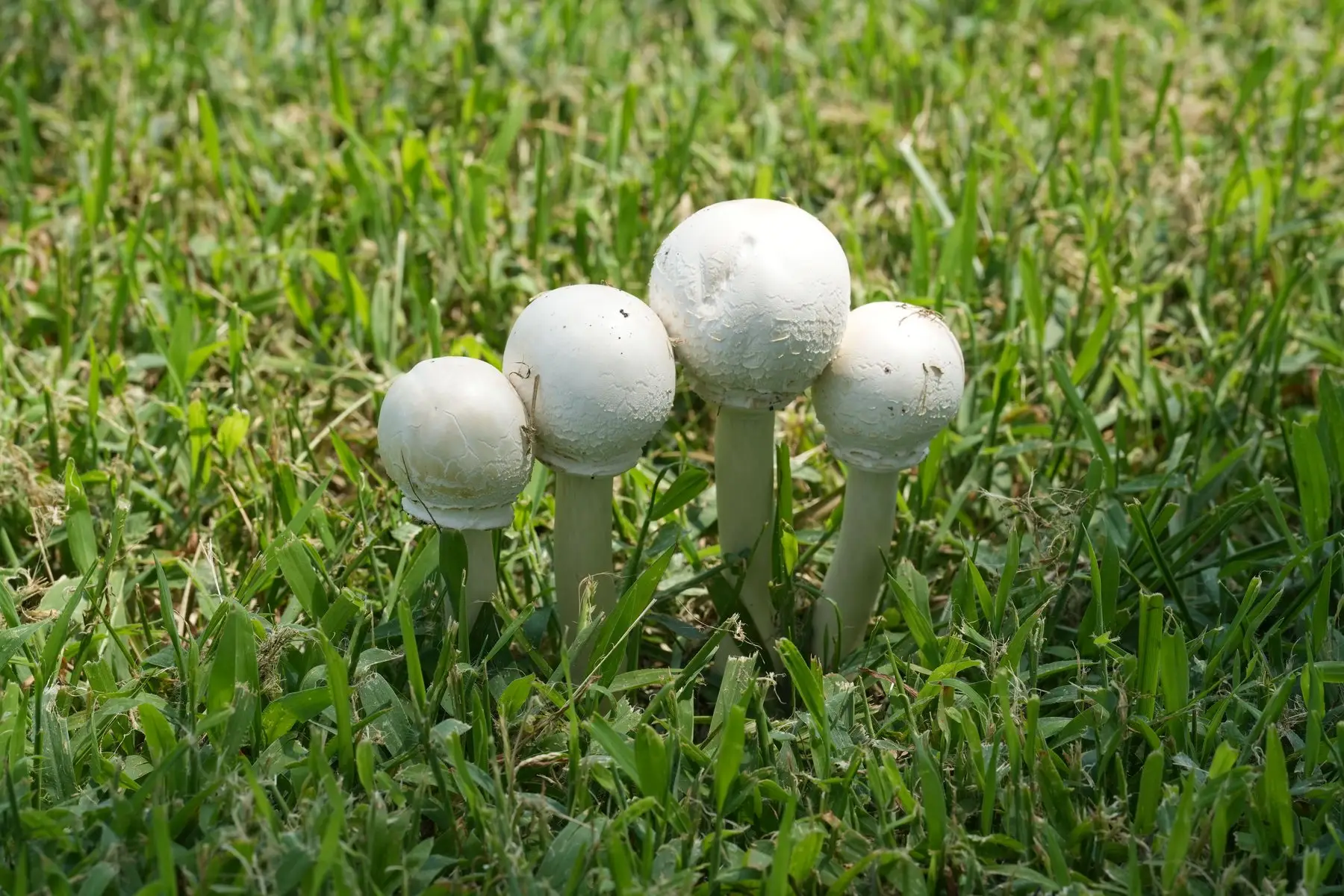
Mushrooms mean fungi are digesting buried wood or thatch — a sign of healthy soil, not disease. They vanish on their own when the food runs out.
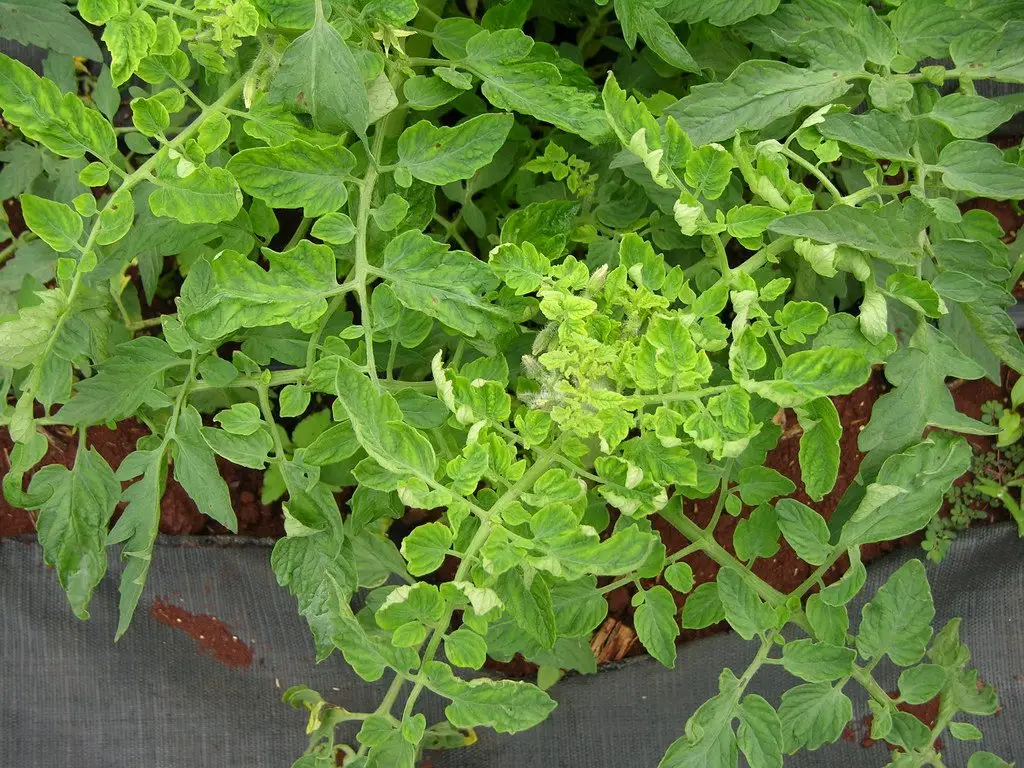
Most curling tomato leaves are harmless leaf roll from heat or water stress. A few causes are serious. Here is how to tell them apart in under a minute.
Backyard Weekly
One email a week: what to plant now, what to fix, and what is worth buying. No spam, unsubscribe anytime.
Not ready to subscribe? The planting calendar is free and needs no email.
By subscribing you agree to our privacy policy. Grow In Backyard will never sell your address.
Cookies
We use analytics cookies to see which guides get read, so we know what to write next. Decline and nothing is set. Privacy policy.