
Why Does My Chainsaw Chain Dull So Quickly? Usually Dirt
A chain that goes blunt in minutes has almost always touched soil, grit or bark dirt. Here is what actually dulls a chain and how to stop it happening.
 By
On this page
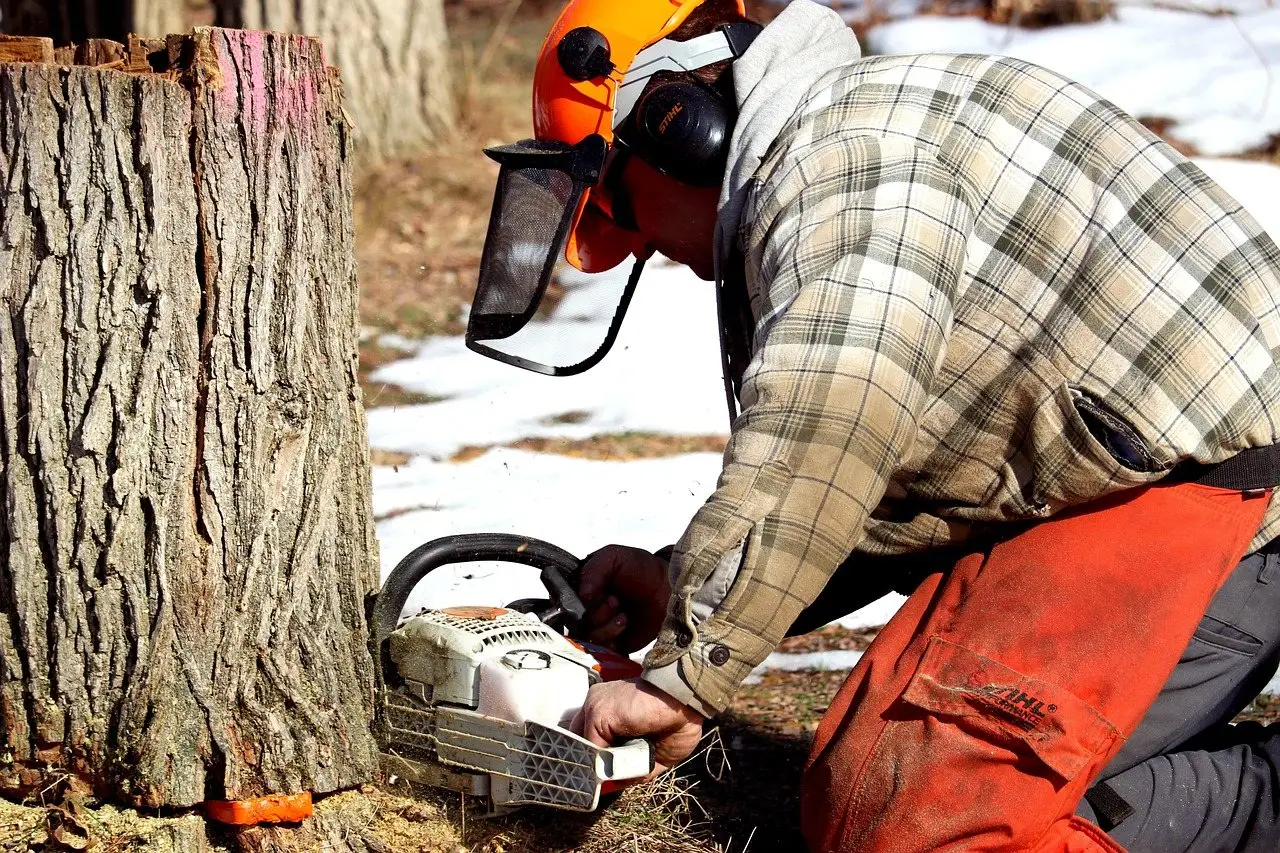
Dirt is the answer almost every time. Soil and sand are largely silica, which is harder than the hardened steel of a chainsaw cutter — so a chain that touches the ground, even for a moment, comes away blunt across every tooth that passed through it.
The test: look at what comes out
| Sharp chain | Dull chain | |
|---|---|---|
| Debris | Coarse chips, rice-grain sized | Fine powdery sawdust |
| Feed | Pulls itself into the wood | Has to be pushed |
| Cut line | Straight | Wanders to one side |
| Smoke | None with oil | Smokes in the cut |
| Cut face | Clean | Polished and burnt |
Sawdust is a warning, not a by-product
A chainsaw is a chisel on a chain. It is supposed to cut chips. The moment it starts making powder, it has stopped cutting and started rubbing.
Why dirt does so much damage
Hardened chain cutters are hard. Silica is harder. That is the entire mechanism — the grit abrades the cutting edge rather than the other way round, and it happens in the fraction of a second the tooth is in contact.
- Ground contact: one touch dulls every cutter that passed through
- Dirty bark: logs that have been skidded, salvaged or left lying in a yard carry embedded grit
- Buried stones, nails and fence staples: these chip cutters outright and need filing well back
Cut on a sawhorse or a raised log. When felling or bucking on the ground, leave the last part of the cut and roll the log rather than finishing into the soil.
Heat is the cause people miss
Bar oil carries heat away as much as it lubricates. A chain starved of it, or run too loose so it rattles and rubs, gets hot enough to lose the temper in its cutting edges.
Blue or straw colour on the cutters is permanent damage
Once the temper has gone, the chain will not hold an edge however carefully you file it. At that point it is a consumable that has been consumed.
Check the oiler regularly: hold the running saw over a pale surface and look for a line of thrown oil. A blocked oiler is easy to miss until the bar and chain have paid for it.
Chain tension
Too loose and it rattles, rubs and runs hot. Too tight and it binds and heats for a different reason.
- Pull the chain away from the middle of the bar: the drive links should just stay in the groove
- Check it cold and again when warm — chains slacken as they heat
- A new chain stretches noticeably in its first hour and needs re-tensioning more than once
Sharpen far more often than feels necessary
The guideline most experienced users work to is a touch-up every time you refuel — roughly every 20 to 40 minutes of cutting on a petrol saw.
Two or three strokes of a round file per tooth at that interval takes a couple of minutes and keeps a chain sharp more or less indefinitely. Waiting until the saw is obviously struggling means removing far more metal to recover the edge, which uses the chain up much faster.
Common questions
Why does my chainsaw chain dull so quickly?
How can I tell if my chainsaw chain is dull?
Does cutting dirty wood dull a chain?
Does bar oil affect how fast a chain dulls?
How often should you sharpen a chainsaw chain?
Can you ruin a chain by hitting the ground once?
Backyard Weekly
Know what to plant, week by week
Join the weekly email for seasonal jobs, fixes for what is going wrong, and gear worth buying.
Not ready to subscribe? The planting calendar is free and needs no email.
By subscribing you agree to our privacy policy. Grow In Backyard will never sell your address.
Keep reading
How to Clean Garden Tools — 4 Items, One Autumn Hour
How to clean garden tools at season's end: scrape, sharpen, then oil. 4 items cover the whole routine in about an hour. See what each one does.
How to Dry Firewood Fast: What Actually Speeds It Up
Splitting small does more than anything else, and a tarp over the whole pile undoes it. Realistic timescales, and why there is no shortcut to under 20%.
Spade vs Shovel: Which One You Actually Need
A spade cuts, a shovel scoops — and most people are digging with the wrong one. The difference, the handle types, and what to check before buying.
Why Does My Fire Pit Smoke So Much? Wet Wood, Usually
Smoke is unburnt fuel. Wet wood, a smothered fire and no air underneath cause nearly all of it, and each one is fixable in a single evening.