
Why Are My Zucchini Leaves Turning White? Check the Pattern
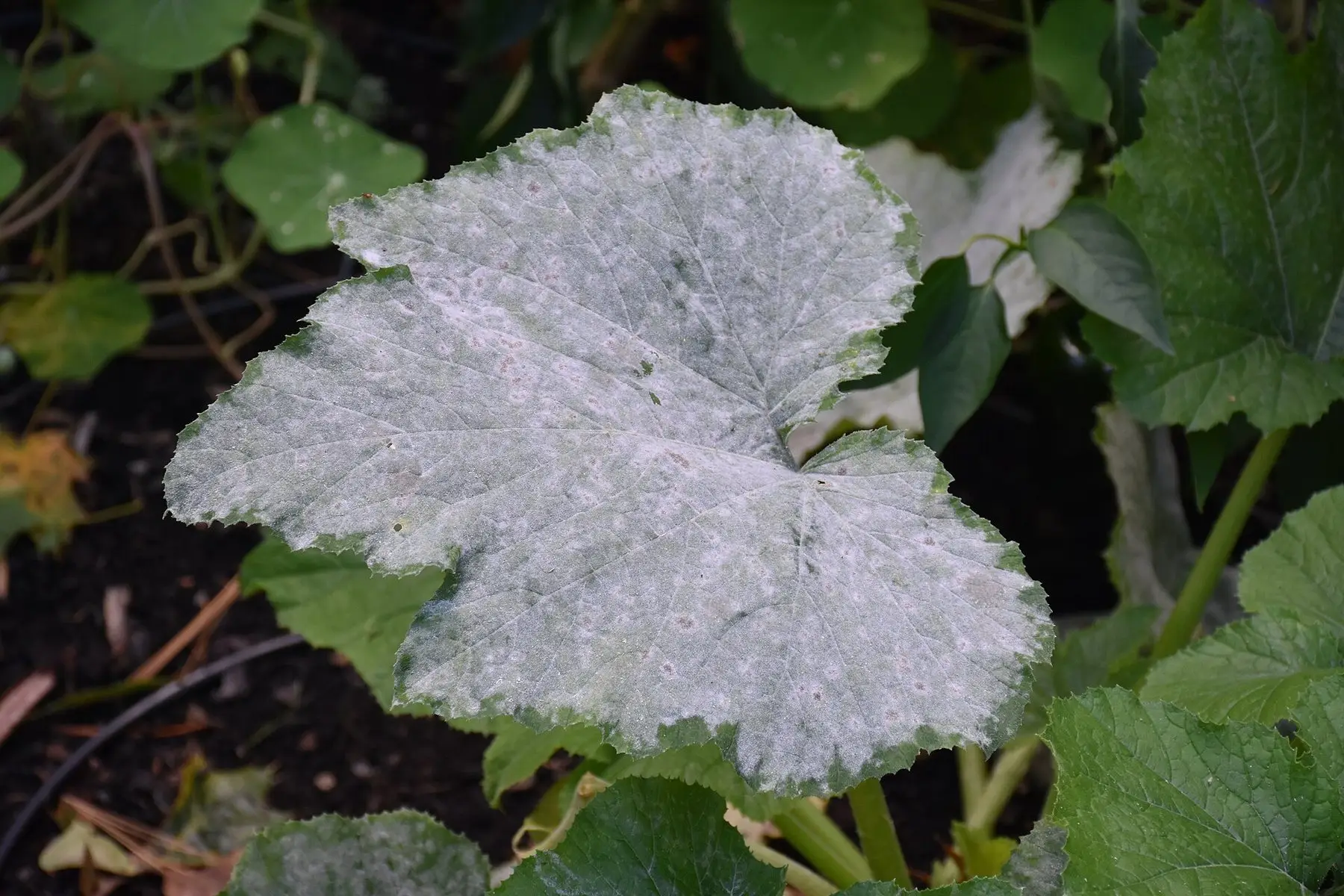
Silvery patches along the veins are normal variegation on many varieties. A white powder you can rub off is mildew. The difference is easy to see.
 By
On this page
Two completely different things look similar here, and the pattern tells them apart in seconds. Silvery markings along the veins are normal on many varieties. A dusty coating you can rub off is mildew.
The two causes, side by side
| Natural variegation | Powdery mildew | |
|---|---|---|
| Rubs off? | No — it is in the leaf | Yes, leaving green underneath |
| Pattern | Follows the veins | Roughly circular patches |
| Symmetry | Symmetrical across the leaf | Random |
| When it appears | Present as the leaf unfurls | Develops on established leaves |
| Starts on | Any leaf, including new ones | Older, lower leaves |
| Spreads? | No | Yes — expands and merges |
The rub test is the whole diagnosis
Powdery mildew is a fungal growth sitting on top of the leaf. It comes away on your finger.
Variegation is pigment within the leaf tissue and does not move.
The variegation false alarm is extremely common
A large number of zucchini and summer squash cultivars carry silvery or grey-white mottling along the veins as a genetic trait. It is one of the most common false alarms in vegetable growing, and it sends a lot of healthy plants to the compost heap every year.
If it was there when the leaf opened, and it is symmetrical between the two halves, it is the variety.
Treating powdery mildew
- Remove the worst leaves
- Open up airflow — take out crowded lower growth
- Water at the base, never over the foliage
- Milk spray, roughly 1 part milk to 9 parts water, weekly in sunshine — this has reasonable evidence behind it
- Potassium bicarbonate likewise
No spray cures a leaf that is already coated
They protect new growth. That is why starting early matters far more than which one you pick — and why a plant that is already half-white will not look better afterwards.
Will it kill the plant?
Usually not before the season ends anyway.
- It reduces photosynthesis, so the plant slows and yields fall
- Badly affected leaves eventually die back
- Zucchini often crops through a moderate infection to the end of the season
Late-summer mildew on a plant that has already produced heavily is generally not worth treating. It is close to the natural end of the plant’s life.
Other things that pale a squash leaf
| Cause | Pattern |
|---|---|
| Sunscald | Bleached patches on the side facing the sun, after nearby growth was removed |
| Spider mites | Fine pale stippling, webbing on leaf undersides |
| Nutrient deficiency | Uniform paling between veins, whole plant affected |
Common questions
Why are my zucchini leaves turning white?
Are silver markings on zucchini leaves normal?
How do you tell variegation from powdery mildew?
How do you treat powdery mildew on zucchini?
Will powdery mildew kill my zucchini plant?
What else makes squash leaves go pale or white?
Backyard Weekly
Know what to plant, week by week
Join the weekly email for seasonal jobs, fixes for what is going wrong, and gear worth buying.
Not ready to subscribe? The planting calendar is free and needs no email.
By subscribing you agree to our privacy policy. Grow In Backyard will never sell your address.
Keep reading
Powdery Mildew: Why It Spreads and What Actually Stops It
Powdery mildew is the one fungus that does not need wet leaves — it thrives in humid air and dry foliage. How to spot it early and what treatments hold up.
How Long Does It Take for Zucchini to Grow? 45–55 Days
Zucchini goes from seed to first pick in about 45 to 55 days, and from flower to harvest in only four to eight. The timeline and what stalls it.
Why Are My Hydrangeas Dying? Usually Water, Not Disease
Wilting in afternoon sun that recovers overnight is normal. Browning leaf edges, sudden collapse and bare stems each point somewhere different.
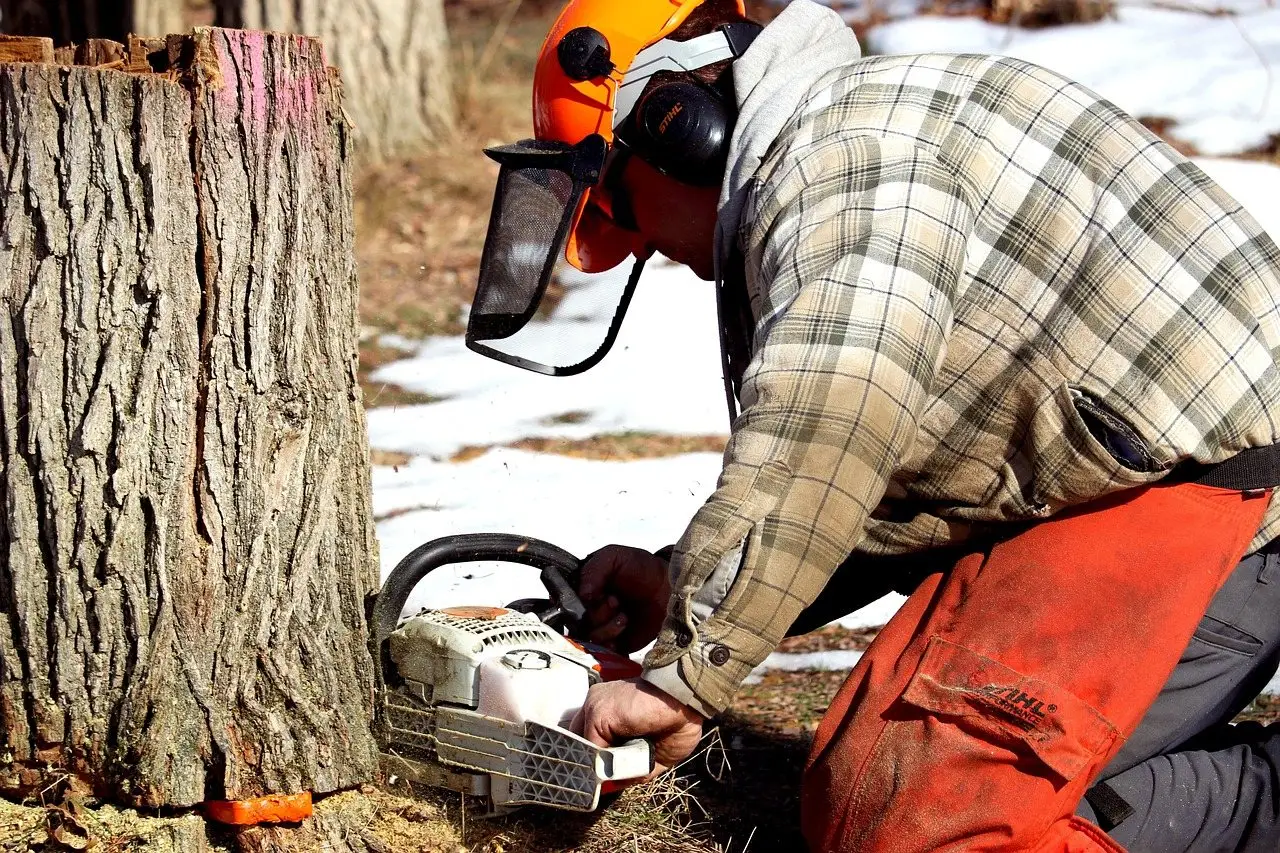
Why Does My Chainsaw Chain Dull So Quickly? Usually Dirt
A chain that goes blunt in minutes has almost always touched soil, grit or bark dirt. Here is what actually dulls a chain and how to stop it happening.