
Why Is My Romaine Lettuce Growing Tall? It Is Bolting
A romaine that shoots upward into a spire is running to seed, and the leaves turn bitter within days. Here is what triggers it and what to do now.
 By

On this page
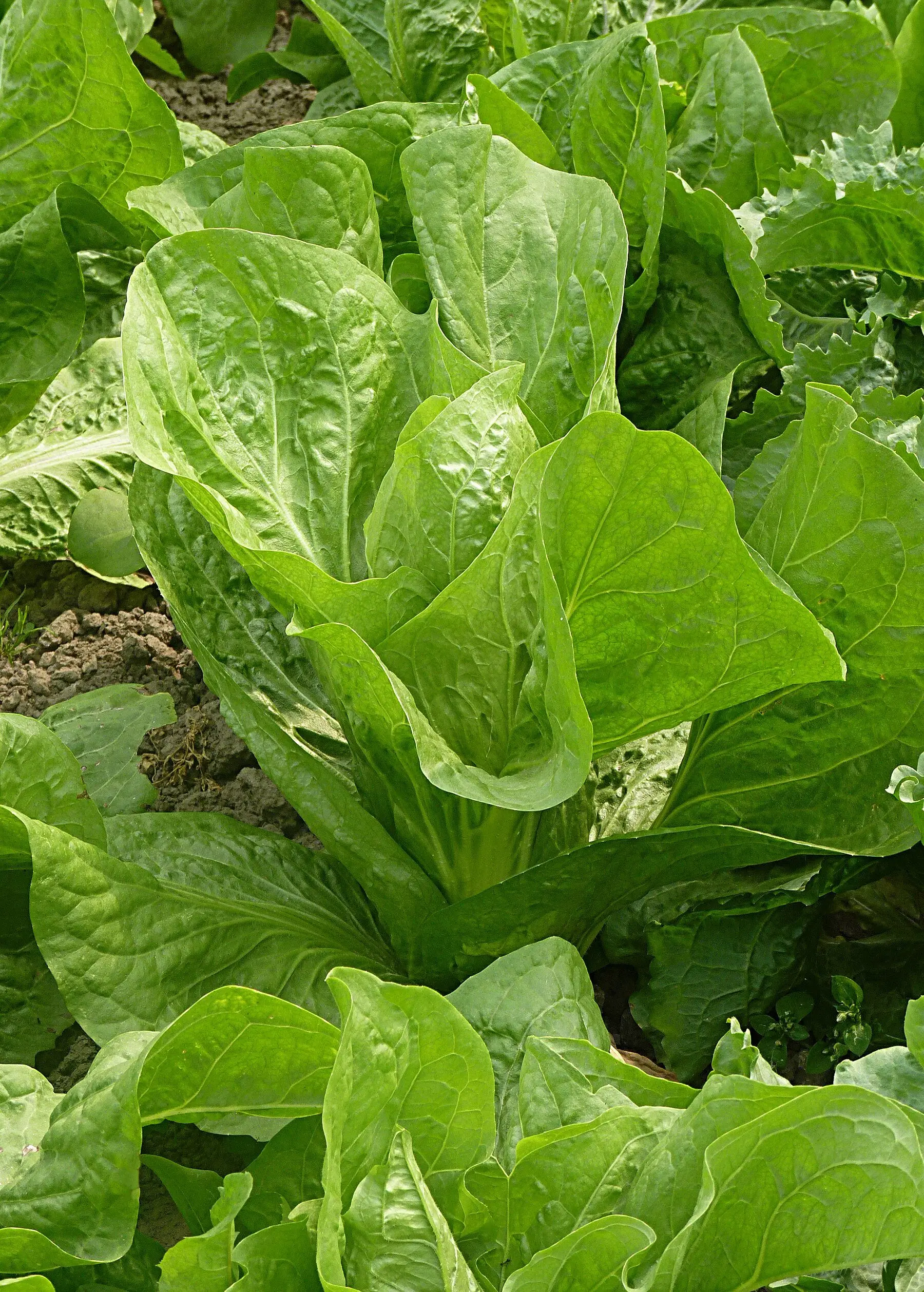
A romaine that suddenly shoots upward is bolting — running to seed. The head stops widening, the centre pushes up into a thick spire, and the leaves turn bitter within days. It is not a disease and there is no treatment.
What bolting actually is
Lettuce is an annual with one job: set seed. Leaf production is just the first half. When conditions tell the plant that its season is ending, it switches from the leaf-making phase to the flower-making one — the compressed stem at the centre of the head elongates, pushing the growing point up into the air so the flowers can be pollinated and the seed dispersed.
The bitterness comes with it. The milky latex in the stems and leaves carries the plant’s bitter compounds, and the plant produces far more of it once the stalk rises.
The three triggers
| Trigger | What it looks like | What to do about it |
|---|---|---|
| Heat | Bolts in a run of hot days, usually above 24°C / 75°F | Afternoon shade or shade cloth; summer varieties |
| Day length | Whole bed bolts together after midsummer | Sow spring and autumn, skip high summer |
| A check to growth | One or two plants bolt out of a healthy row | Even moisture; transplant young and gently |
The check-to-growth trigger is the one people miss
A bed that dries out hard and is then watered heavily gives the plant exactly the signal it is listening for. Even moisture matters more than total moisture. Mulch helps more than watering more often does.
What to do right now
- Harvest today. Bitterness rises over days, not weeks.
- Take the outer leaves — they are generally less bitter than the inner ones.
- Taste one raw before committing a whole bowl to it.
- Pull the plant once you have what you want, and re-sow the space.
- Leave one plant if you want free seed — lettuce is self-pollinating, so it comes largely true.
Bitterness does not wash out
It is in the tissue, not on it. A strong dressing or brief cooking masks some of it, but there is no soaking trick that fixes a bolted leaf.
Preventing the next one
- Even moisture. Mulch, and water before the bed dries out rather than after.
- Afternoon shade through the hottest weeks — shade cloth, or the east side of a taller crop.
- Pick varieties for the season. Bolt-resistant types for summer; the fast loose-leaf ones for spring and autumn.
- Sow every two weeks rather than one big sowing. A batch that bolts then costs you a fortnight.
- Transplant young. A root-bound seedling sitting too long in a module is already checked before it goes in the ground.
Common questions
Why is my romaine lettuce growing tall?
Can you still eat lettuce that has bolted?
What temperature makes lettuce bolt?
How do you stop lettuce from bolting?
Should I pull bolted lettuce out?
Does cutting the flower stalk off stop bolting?
Backyard Weekly
Know what to plant, week by week
Join the weekly email for seasonal jobs, fixes for what is going wrong, and gear worth buying.
Not ready to subscribe? The planting calendar is free and needs no email.
By subscribing you agree to our privacy policy. Grow In Backyard will never sell your address.
Keep reading
How to Grow Lettuce: Beating the Bolt and the Bitterness
Lettuce turns bitter and runs to seed in heat. Sowing windows, cut-and-come-again, shade in summer, and why germination fails in warm soil.
How to Harvest Lettuce So It Grows Back Again
Cut-and-come-again gets three or four crops from one sowing, but only if you cut above the growing point. Where that is, and why lettuce turns bitter.
Does Lettuce Need Full Sun? Only in Spring and Autumn
Lettuce wants full sun in cool weather and afternoon shade once it turns hot. Six hours is plenty, and heat is what makes it bolt and turn bitter.
Dieffenbachia Leaves Turning Yellow: Which Leaves Tell You
Dieffenbachia leaves turning yellow has 5 causes, and which leaves go first identifies it. Bottom leaves mean one thing, new growth another, patchy a third.