
Garden Problems ·
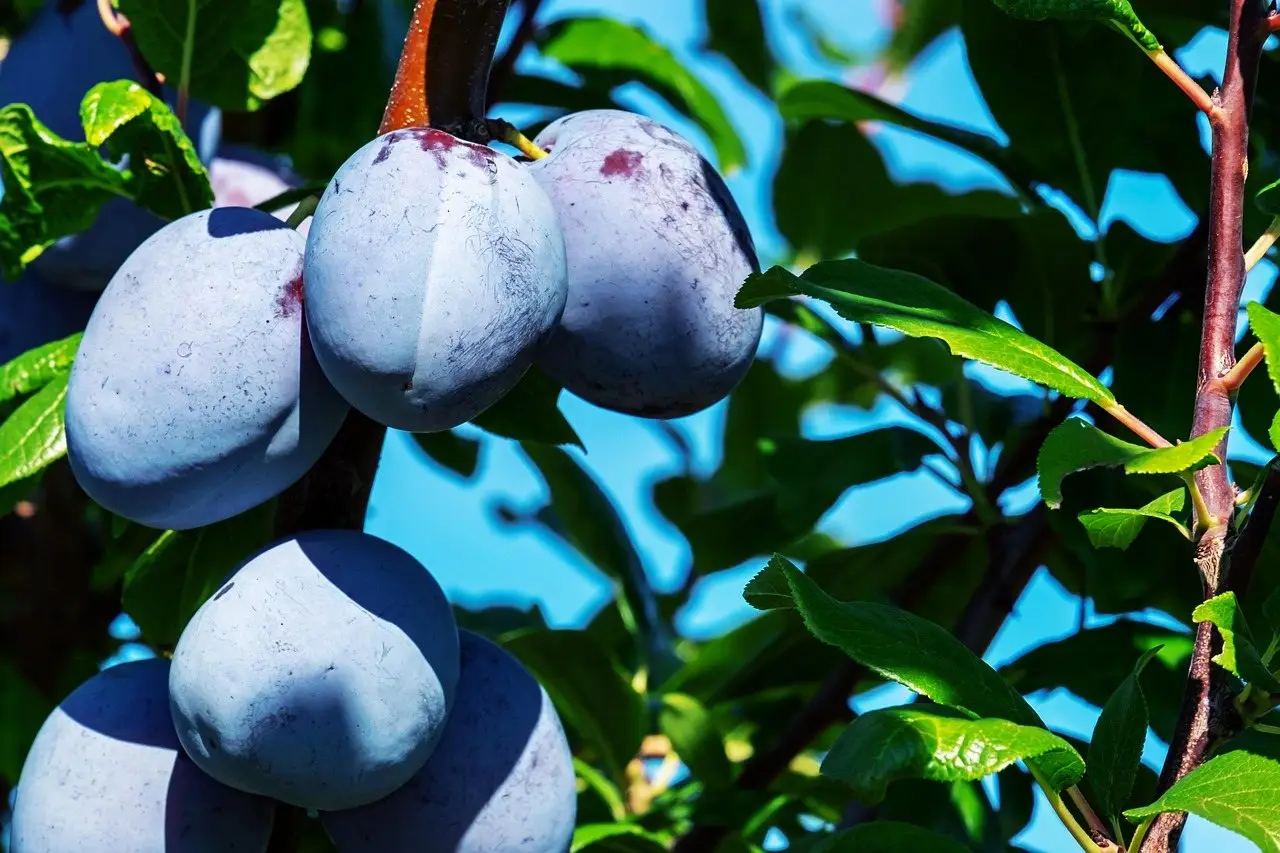
Plum Tree Diseases: Identifying Silver Leaf, Rust and Rot
Most plum problems are one of six things. How to tell them apart by what the leaves, fruit and bark show, and which ones mean the tree is lost.
12 guides in Garden Problems.
Start here
Late blight destroys a plant in days and there is no cure. How to identify it against early blight, act fast enough to save the fruit, and prevent it next year.
Most plum problems are one of six things. How to tell them apart by what the leaves, fruit and bark show, and which ones mean the tree is lost.
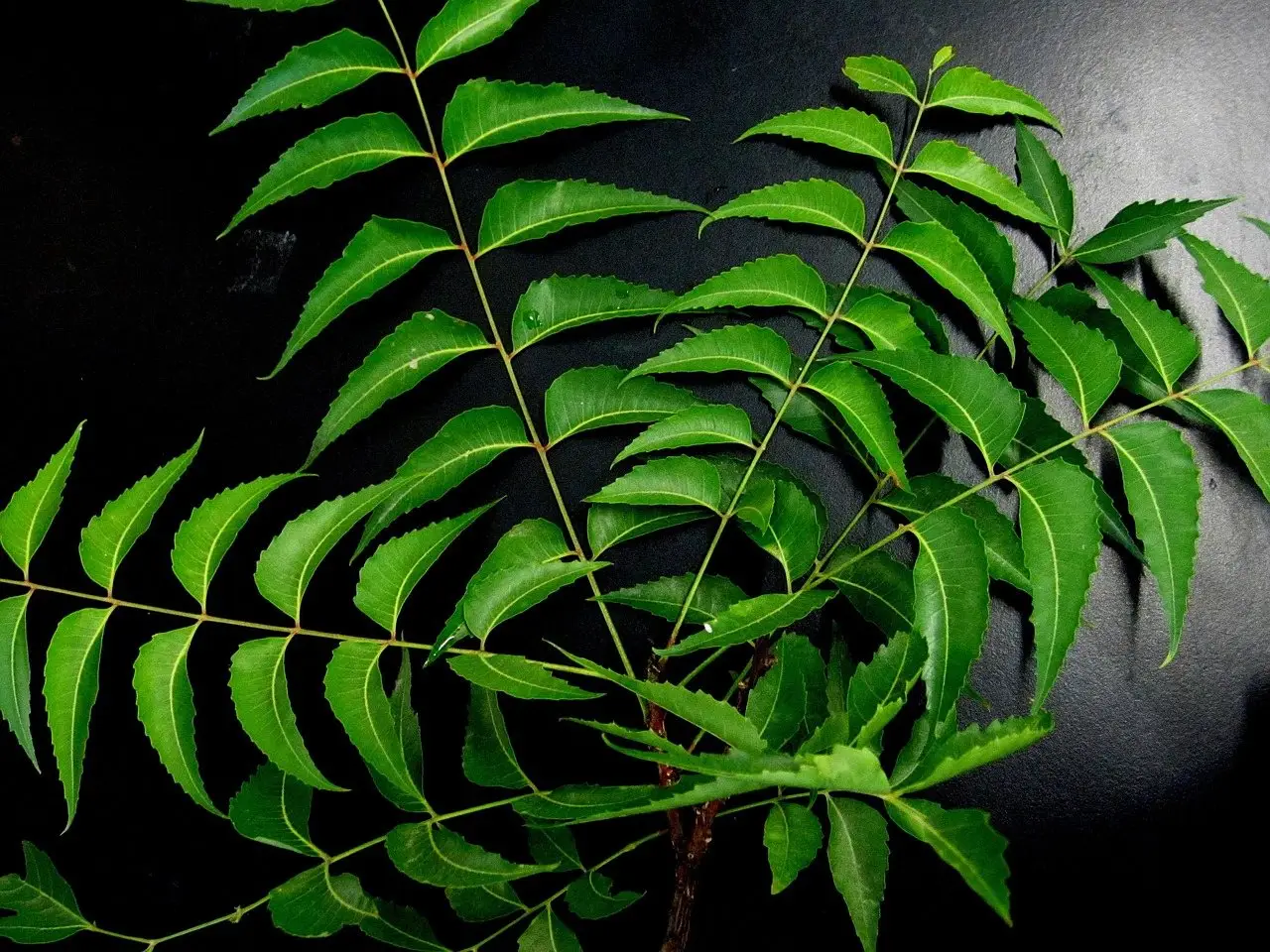
Neem oil kills powdery mildew spores it physically wets and prevents new infection for a few days. It does not cure leaves already badly colonised.
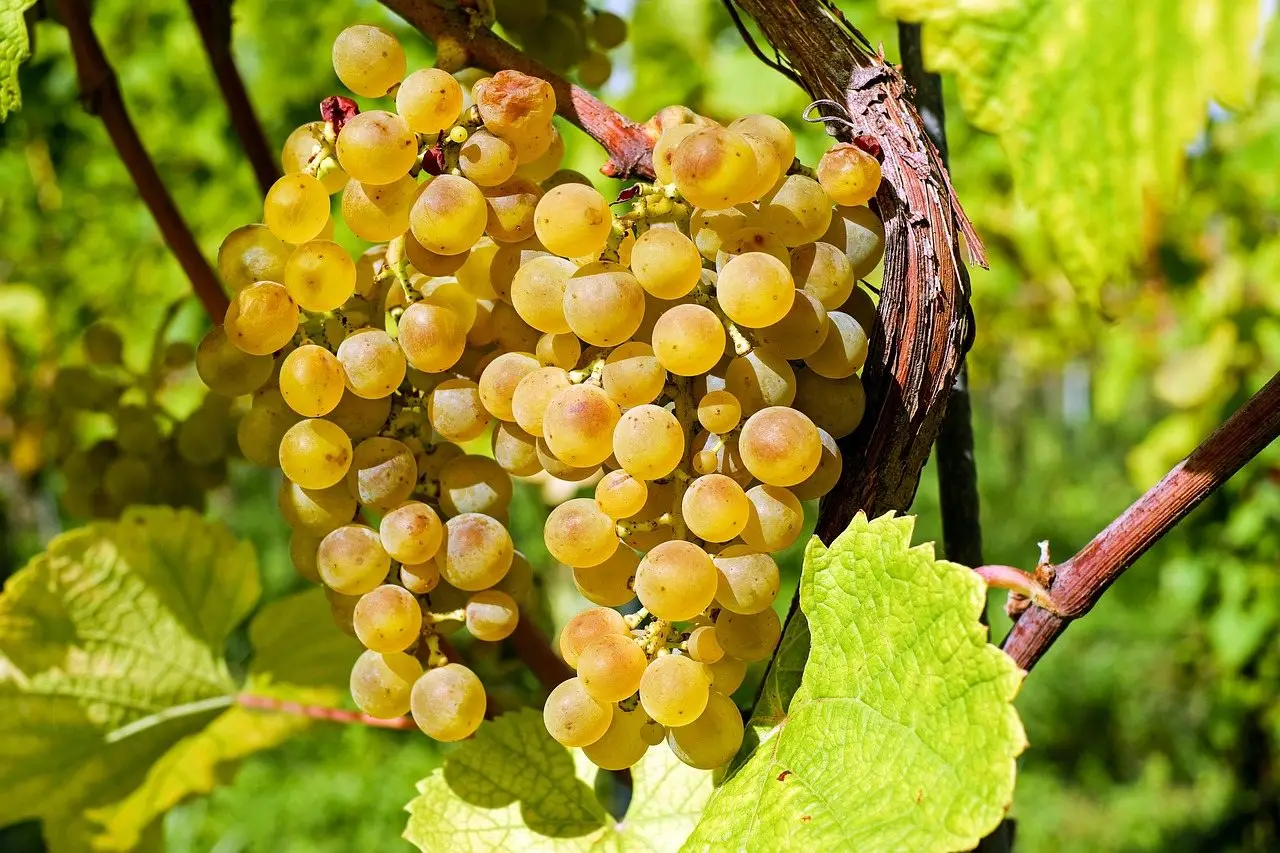
Sulfur is a genuine contact fungicide that stops spores germinating on a sprayed surface. It is protective, not curative, and burns plants in heat.
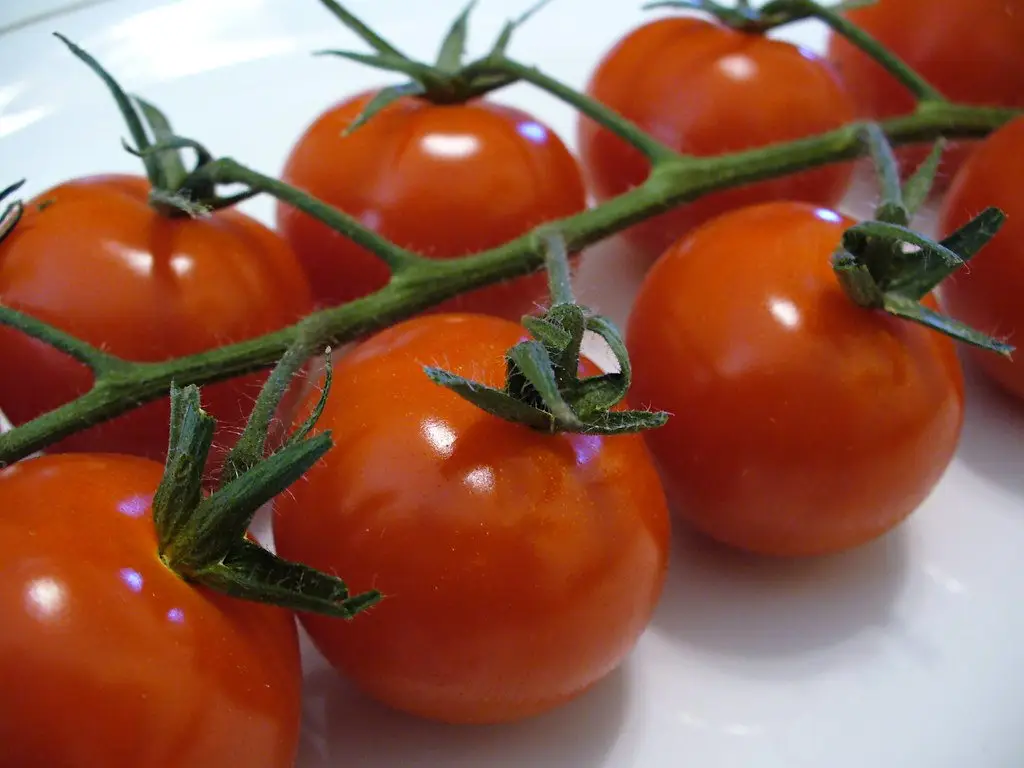
A black spot at the blossom end, on the shoulder, or anywhere on the skin means three different problems with three different fixes. Position is the test.
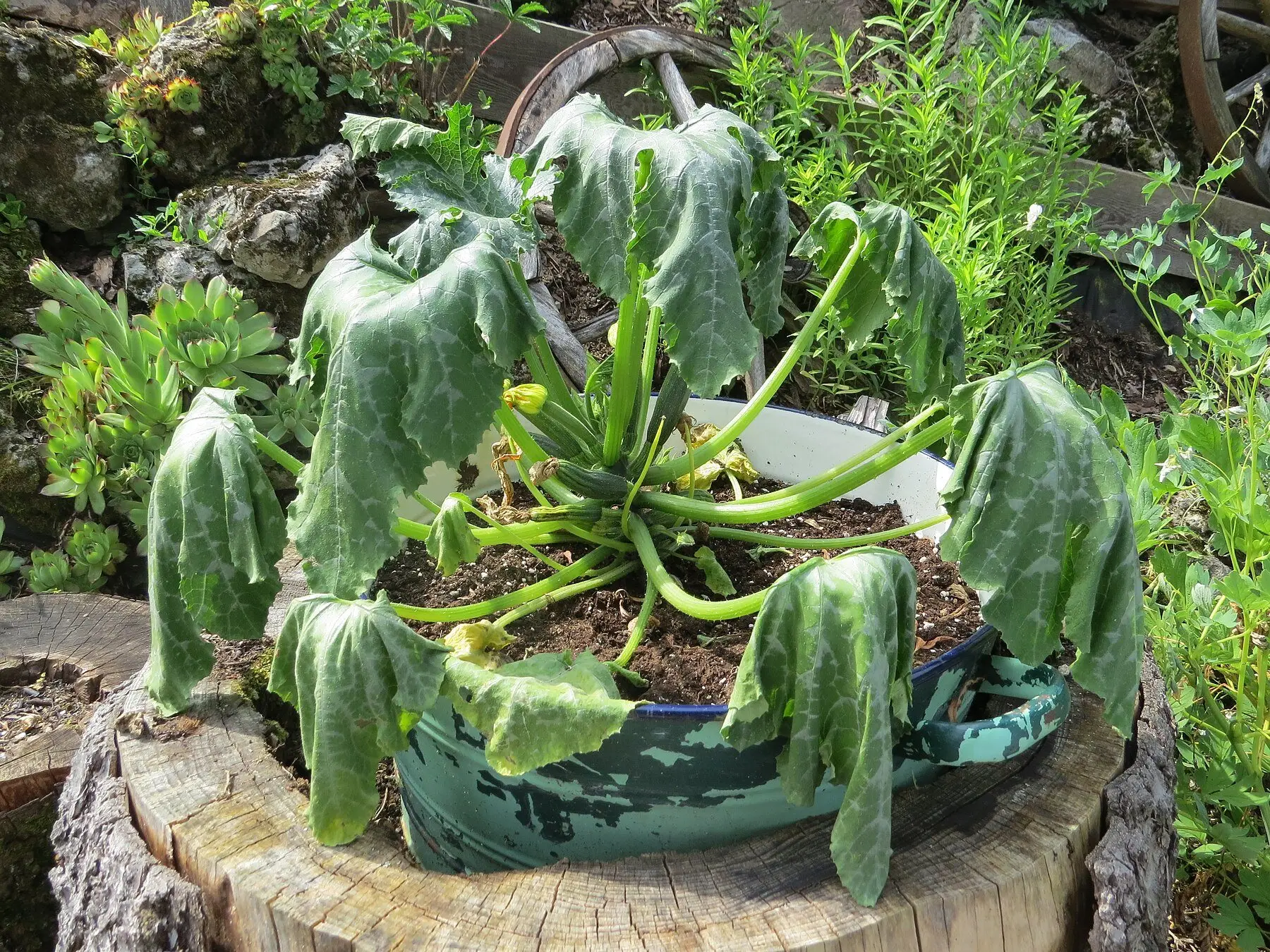
Which leaves yellow, and whether the veins stay green, separates feeding from overwatering from squash vine borer. Work down the list in that order.
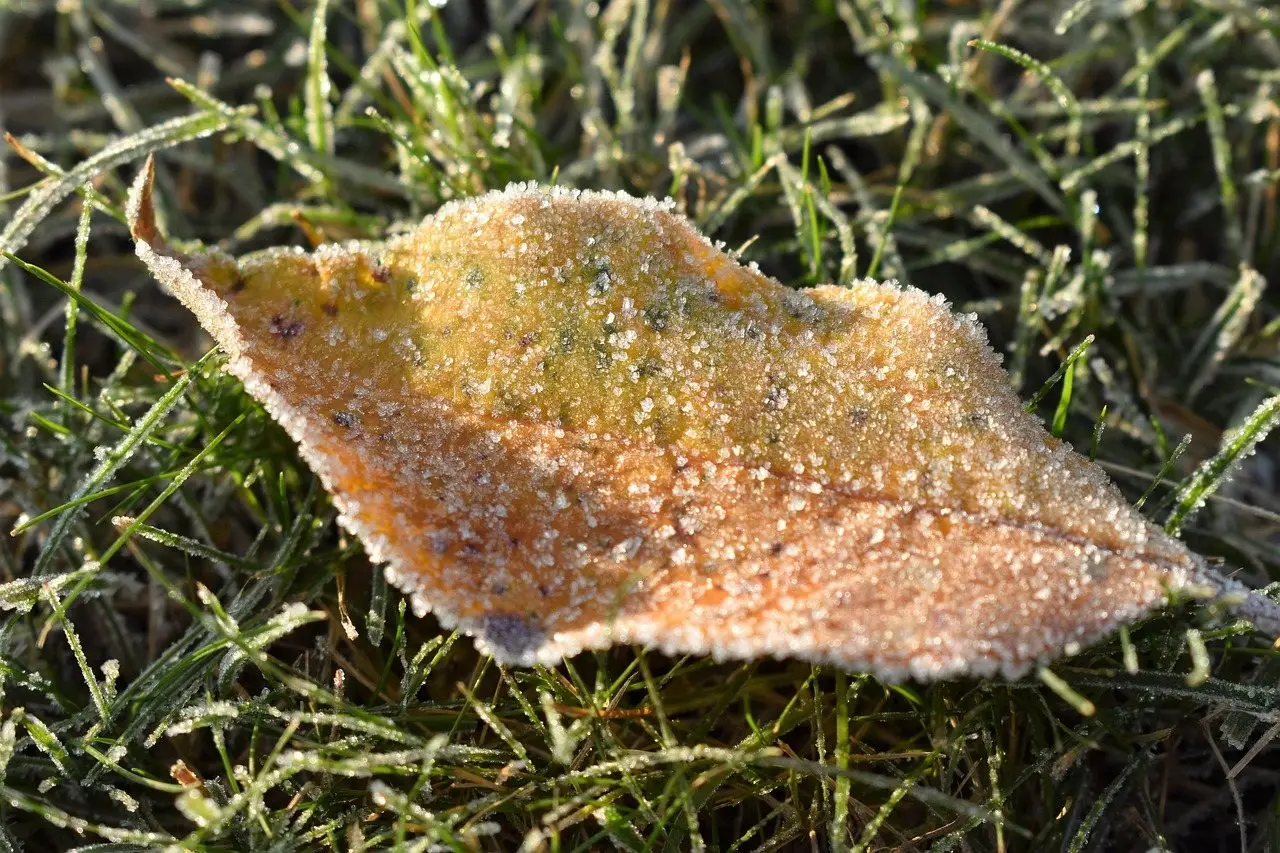
Powdery mildew, dollar spot, frost scald and mower scalping all bleach turf white. Each has a test that rules it in or out in under a minute.
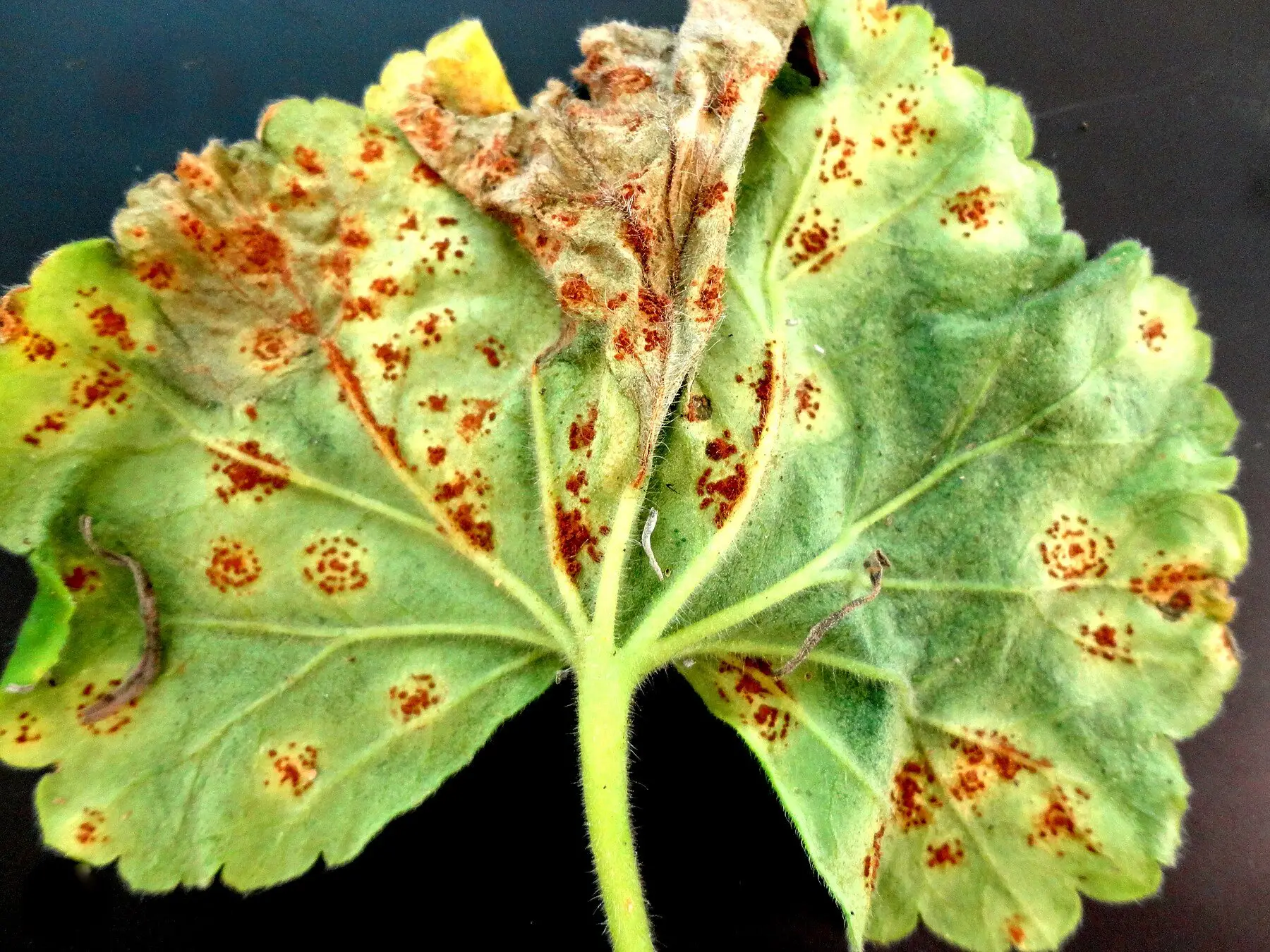
Plant rust is a fungal disease of the order Pucciniales. Many species need two unrelated host plants to complete their life cycle.
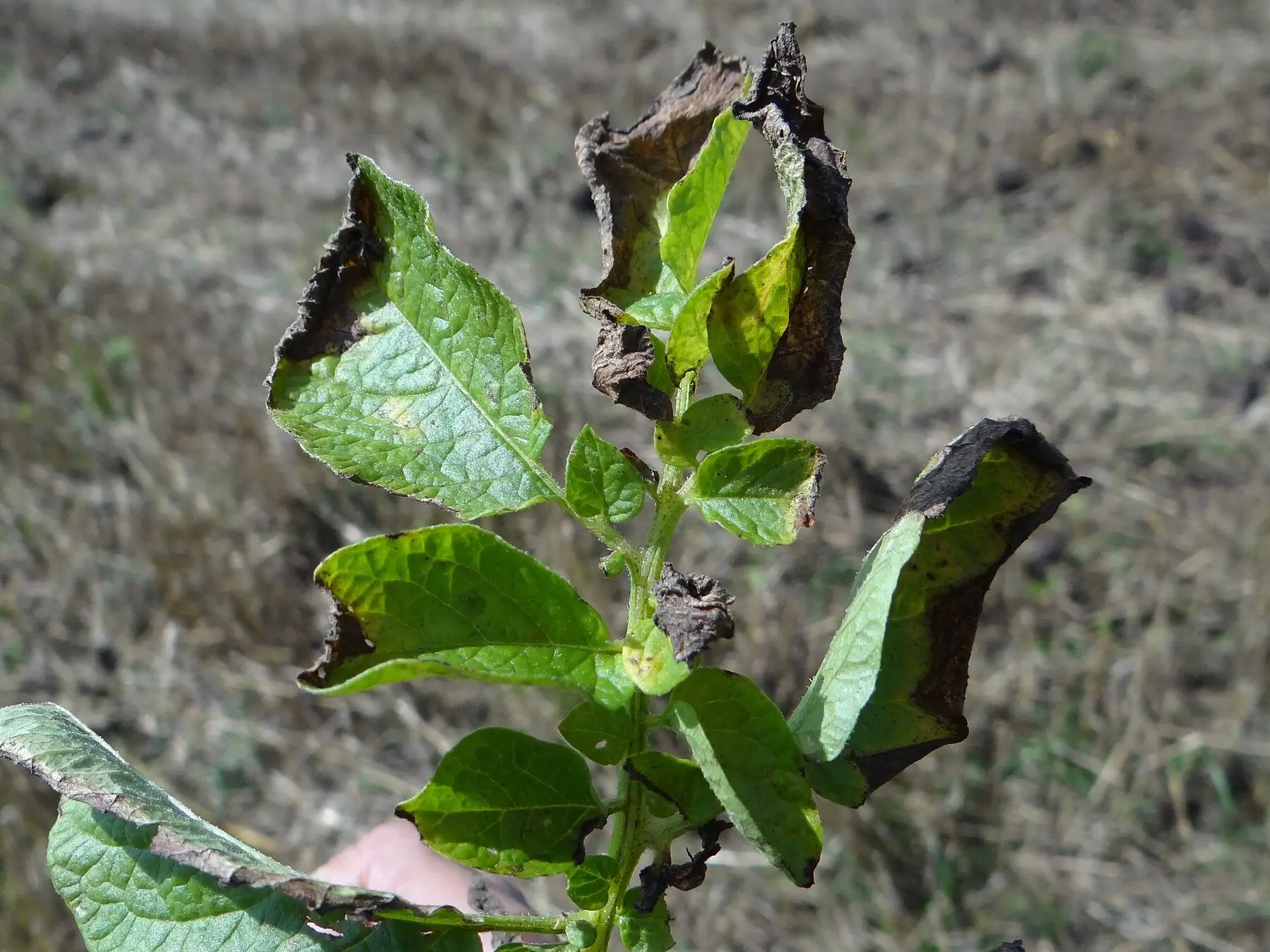
Blight is rapid tissue death from fungal or bacterial infection — not one disease. What separates it from wilt, rot, spot and mildew.
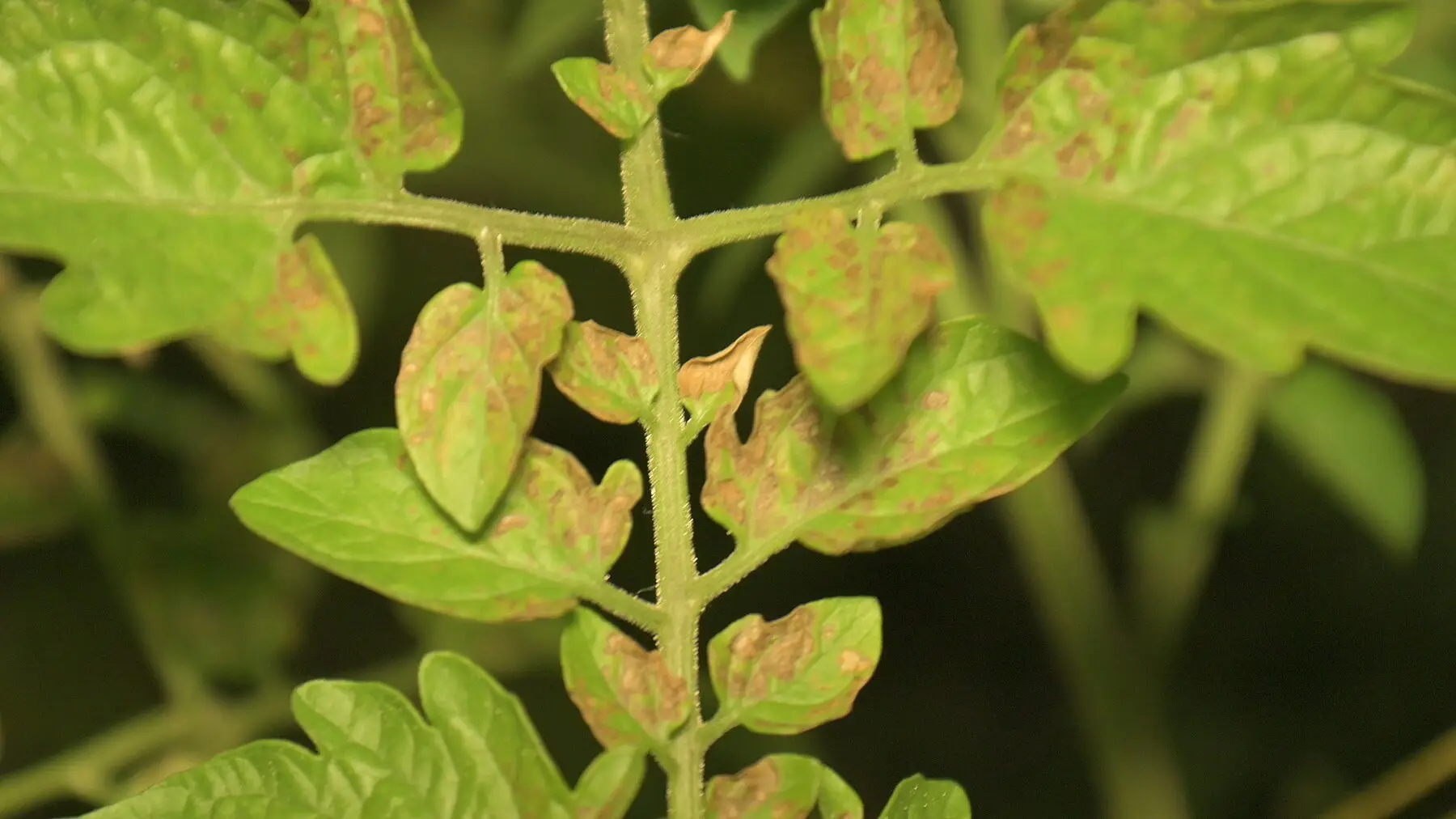
Septoria, early blight, bacterial spot and late blight all start as dark leaf spots. Telling them apart decides whether you prune, spray, or pull the plant.
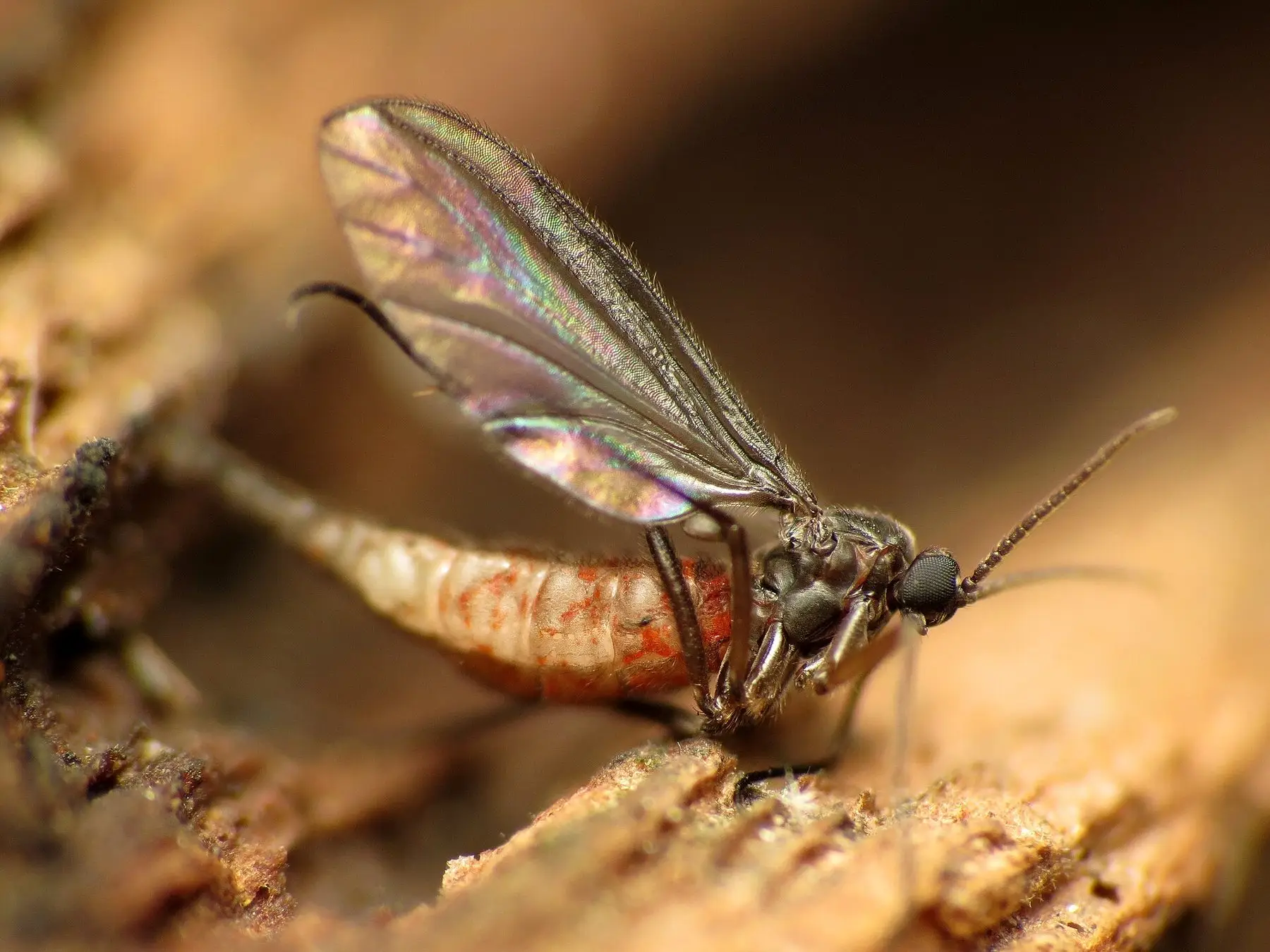
The adults are harmless; the larvae in the top inch of compost are what damage roots. Why letting the surface dry works, and what actually breaks the cycle.
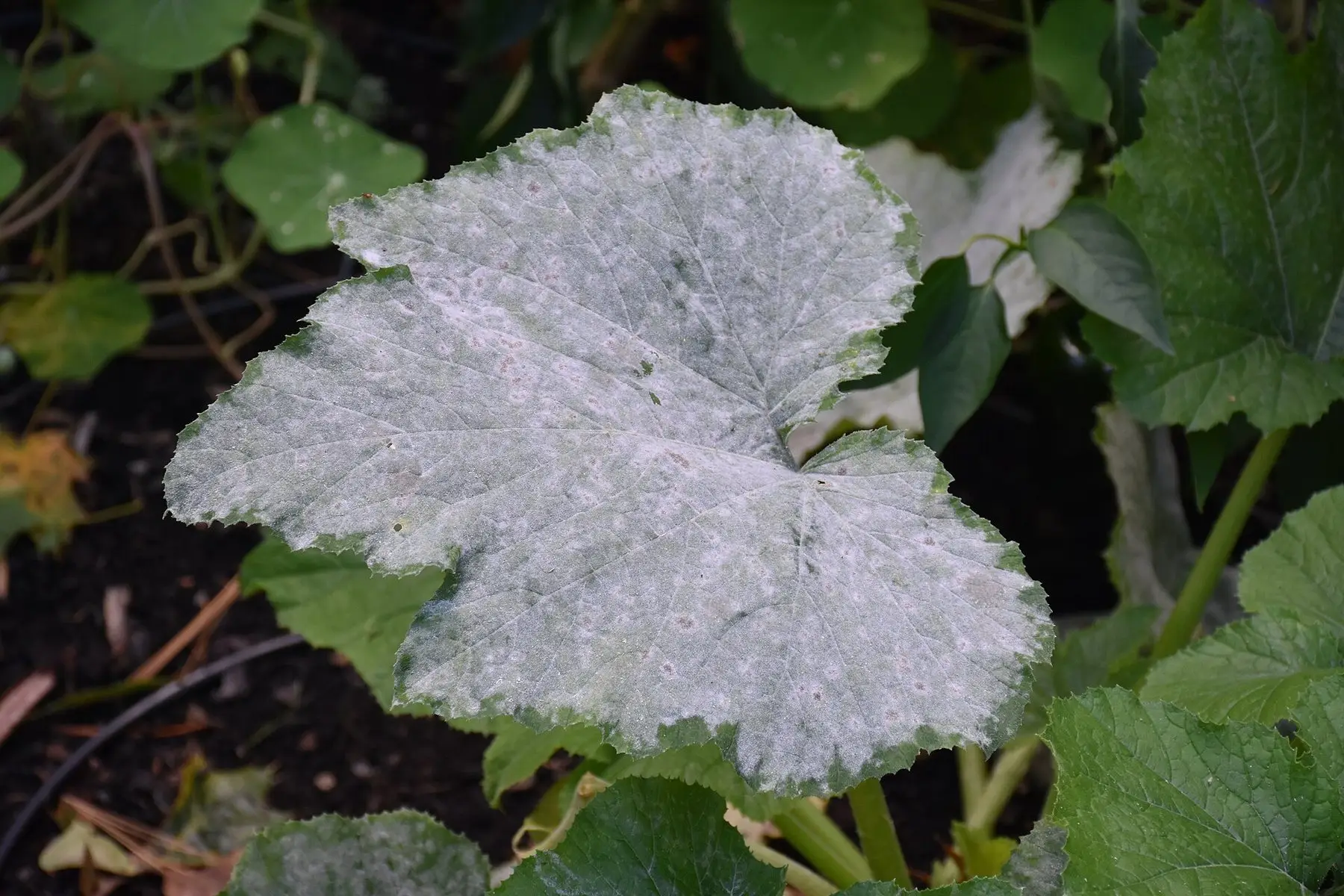
Powdery mildew is the one fungus that does not need wet leaves — it thrives in humid air and dry foliage. How to spot it early and what treatments hold up.
Backyard Weekly
One email a week: what to plant now, what to fix, and what is worth buying. No spam, unsubscribe anytime.
Not ready to subscribe? The planting calendar is free and needs no email.
By subscribing you agree to our privacy policy. Grow In Backyard will never sell your address.
Cookies
We use analytics cookies to see which guides get read, so we know what to write next. Decline and nothing is set. Privacy policy.