
Does Sulfur Kill Fungus? Yes, But Only What It Covers
Sulfur is a genuine contact fungicide that stops spores germinating on a sprayed surface. It is protective, not curative, and burns plants in heat.
 By
On this page
Yes — it genuinely works, on what it covers. Sulfur disrupts fungal respiration, killing exposed tissue and stopping spores germinating on a treated surface. It is protective, not systemic, and it burns foliage above about 30°C.
What it does and does not cover
| Problem | Sulfur | Better choice |
|---|---|---|
| Powdery mildew | Strong | — |
| Rusts | Good | — |
| Apple and pear scab | Good | — |
| Brown rot, stone fruit | Good | — |
| Mites | Suppresses | — |
| Downy mildew | Weak | Copper |
| Late blight | No | Copper |
| Bacterial spot and canker | No | Copper |
Using it
- Apply before or at the very first sign. It prevents germination; it does not repair.
- Cover every surface — both sides of leaves, stems. Missed surfaces are unprotected.
- Repeat every 7–10 days through the risk period, and sooner after heavy rain, which washes the residue off.
- Shorten the interval on fast-growing plants. Growth that appears between sprays carries nothing.
- Stop when the conditions change. It is a schedule, not a permanent coating.
The two ways sulfur damages plants
Heat — it becomes phytotoxic above roughly 29–32°C, so spray in the evening or early morning and not in a hot spell. Oil — sulfur applied within two to three weeks of a horticultural or neem oil spray badly burns foliage. Cucurbits, some grape varieties and various ornamentals are sensitive even at moderate temperatures: test one leaf and wait a day.
Forms it comes in
- Wettable powder or flowable — mixes with water for spraying; the usual garden form
- Dust — easy to apply, more drift, more inhalation risk
- Lime sulfur — far stronger, used as a dormant spray on woody plants, not on foliage in leaf
- Micronised — finer particles, better coverage, the choice for a sprayer
Not the same as soil sulfur
Elemental sulfur sold to lower soil pH is the same element doing a different job. It is a soil amendment working over months via bacterial oxidation and is not a fungicide application.
Safety, briefly
Approved for organic growing and low-risk as fungicides go, with a short pre-harvest interval on most crops — but check the label. Wear a mask and eye protection mixing the powder; it irritates eyes and airways. It is toxic to some predatory mites and beneficial insects, so use it when the disease requires it rather than on a standing habit.
Common questions
Does sulfur kill fungus?
What does sulfur work on?
Is sulfur curative or preventive?
How often do I reapply sulfur?
Will sulfur burn my plants?
Is sulfur safe on vegetables?
Backyard Weekly
Know what to plant, week by week
Join the weekly email for seasonal jobs, fixes for what is going wrong, and gear worth buying.
Not ready to subscribe? The planting calendar is free and needs no email.
By subscribing you agree to our privacy policy. Grow In Backyard will never sell your address.
Keep reading
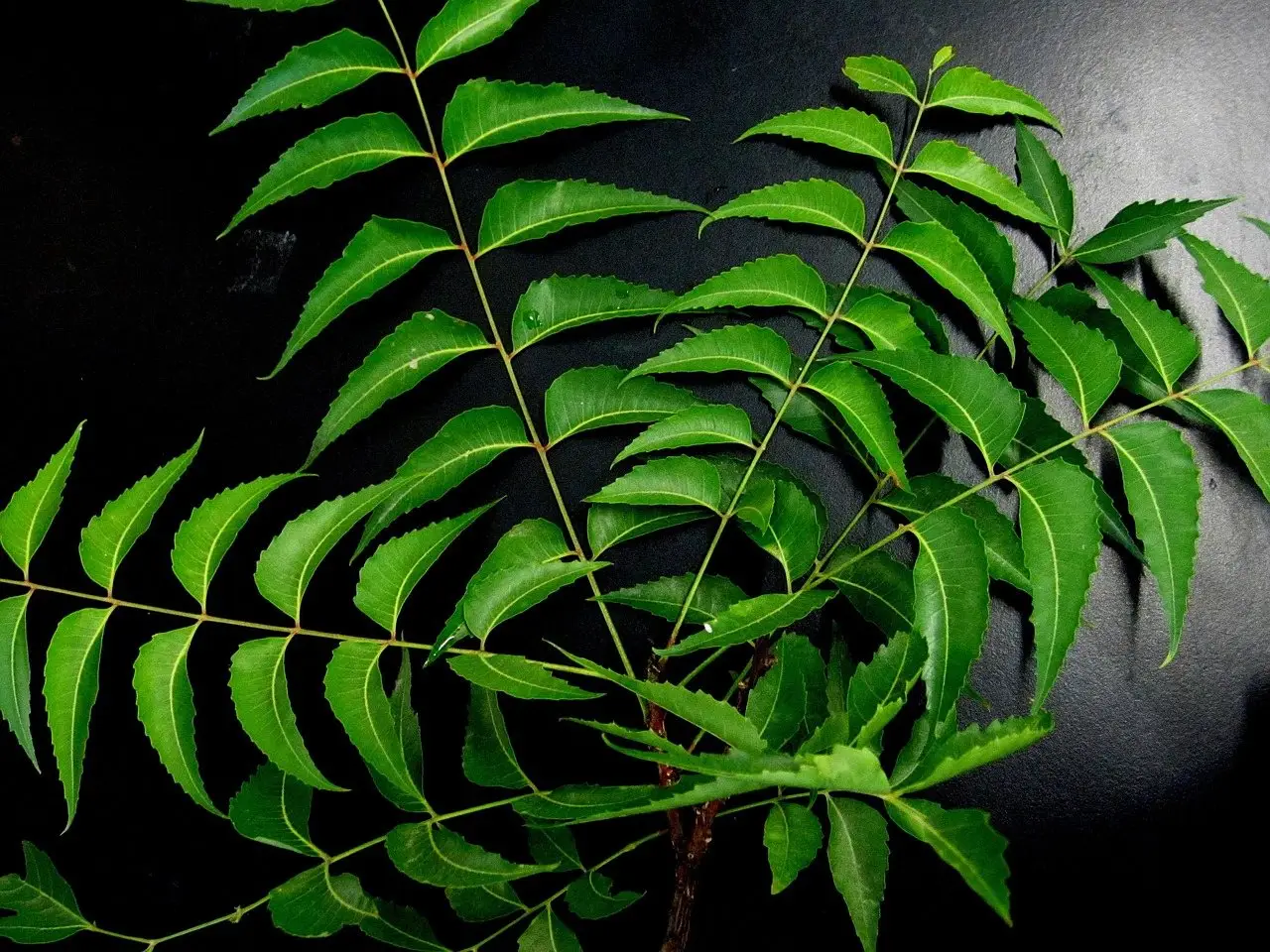
Does Neem Oil Kill Powdery Mildew? Yes, On Contact Only
Neem oil kills powdery mildew spores it physically wets and prevents new infection for a few days. It does not cure leaves already badly colonised.
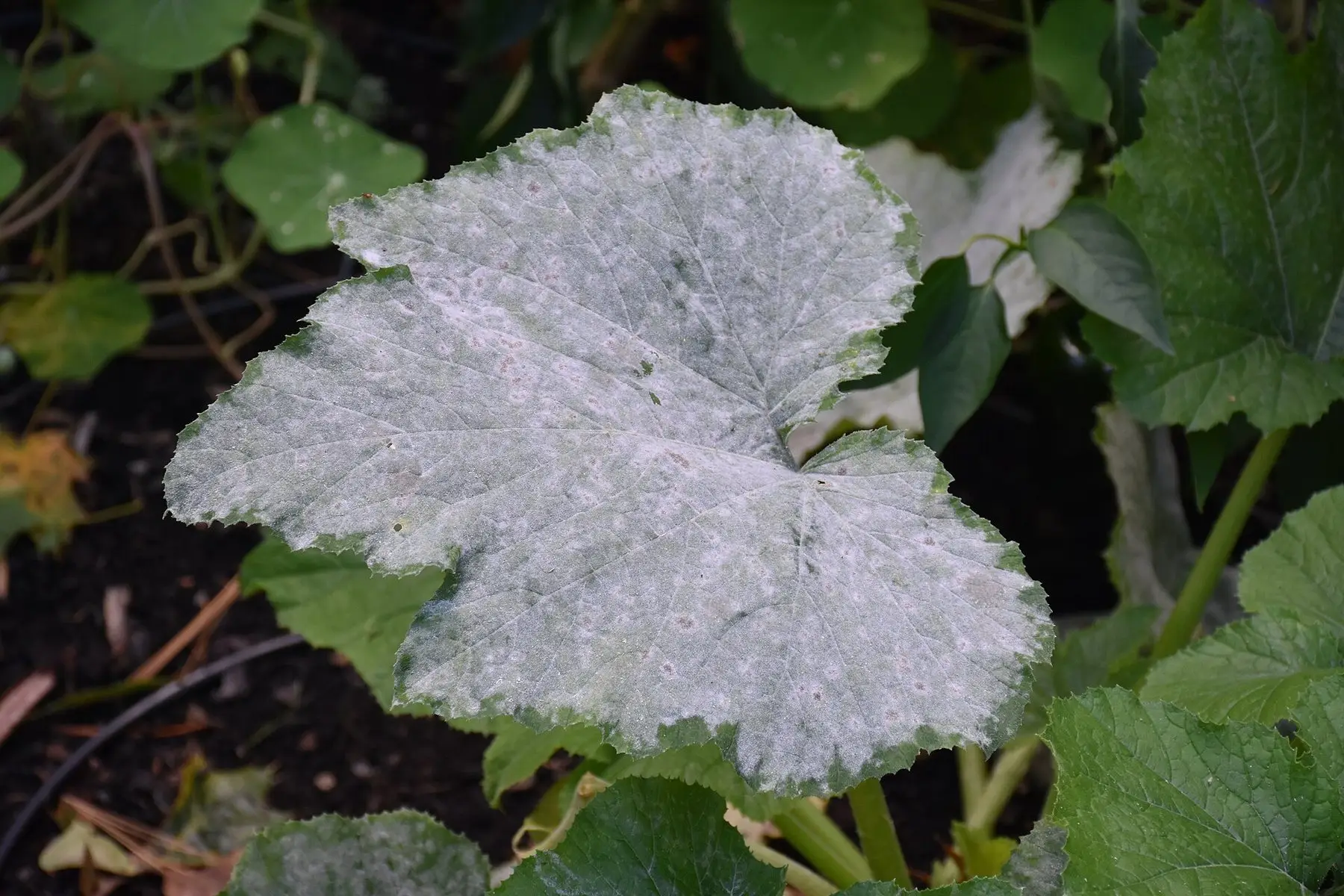
Powdery Mildew: Why It Spreads and What Actually Stops It
Powdery mildew is the one fungus that does not need wet leaves — it thrives in humid air and dry foliage. How to spot it early and what treatments hold up.
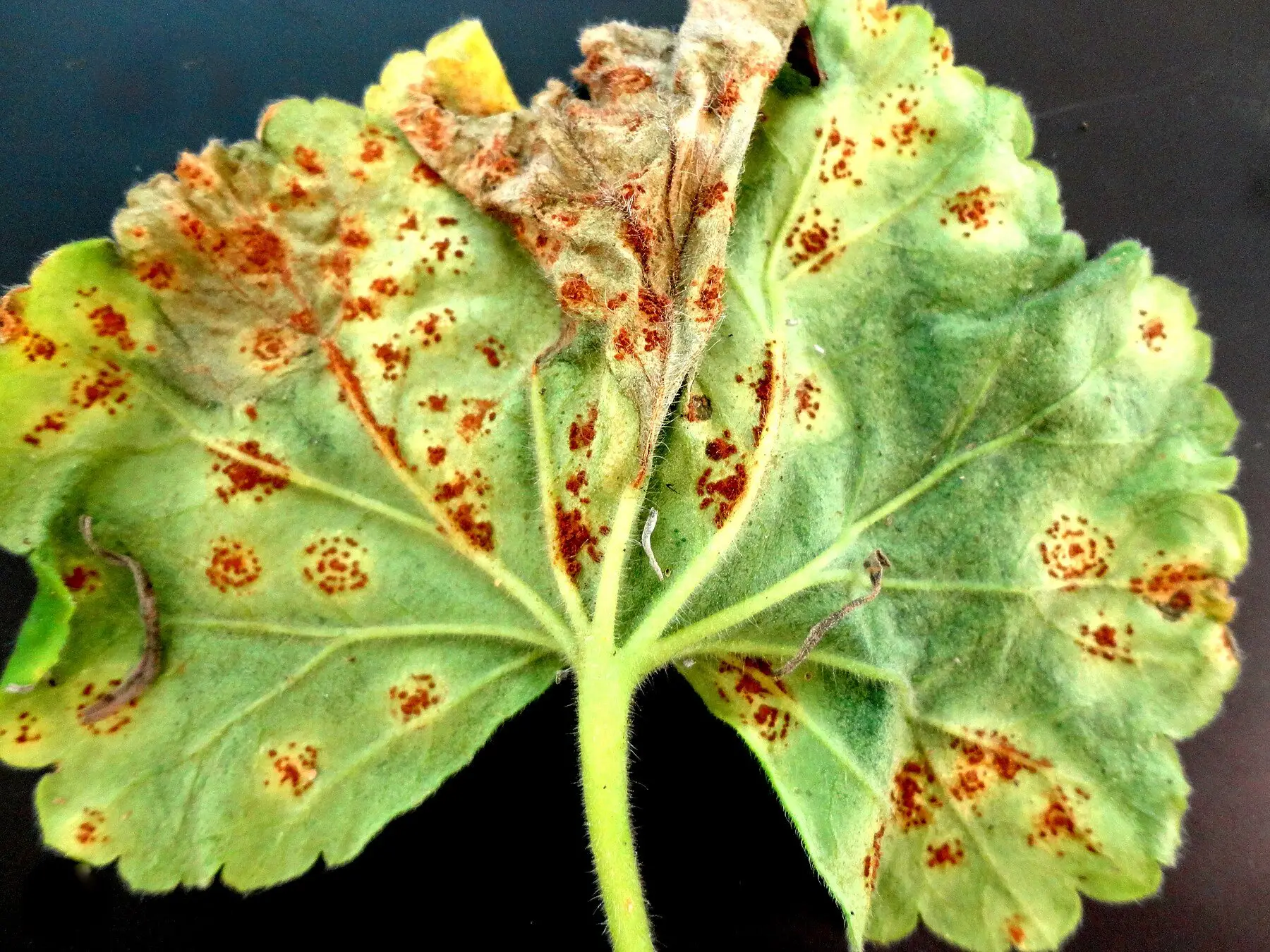
Is Rust a Fungus? Yes — and an Unusually Strange One
Plant rust is a fungal disease of the order Pucciniales. Many species need two unrelated host plants to complete their life cycle.
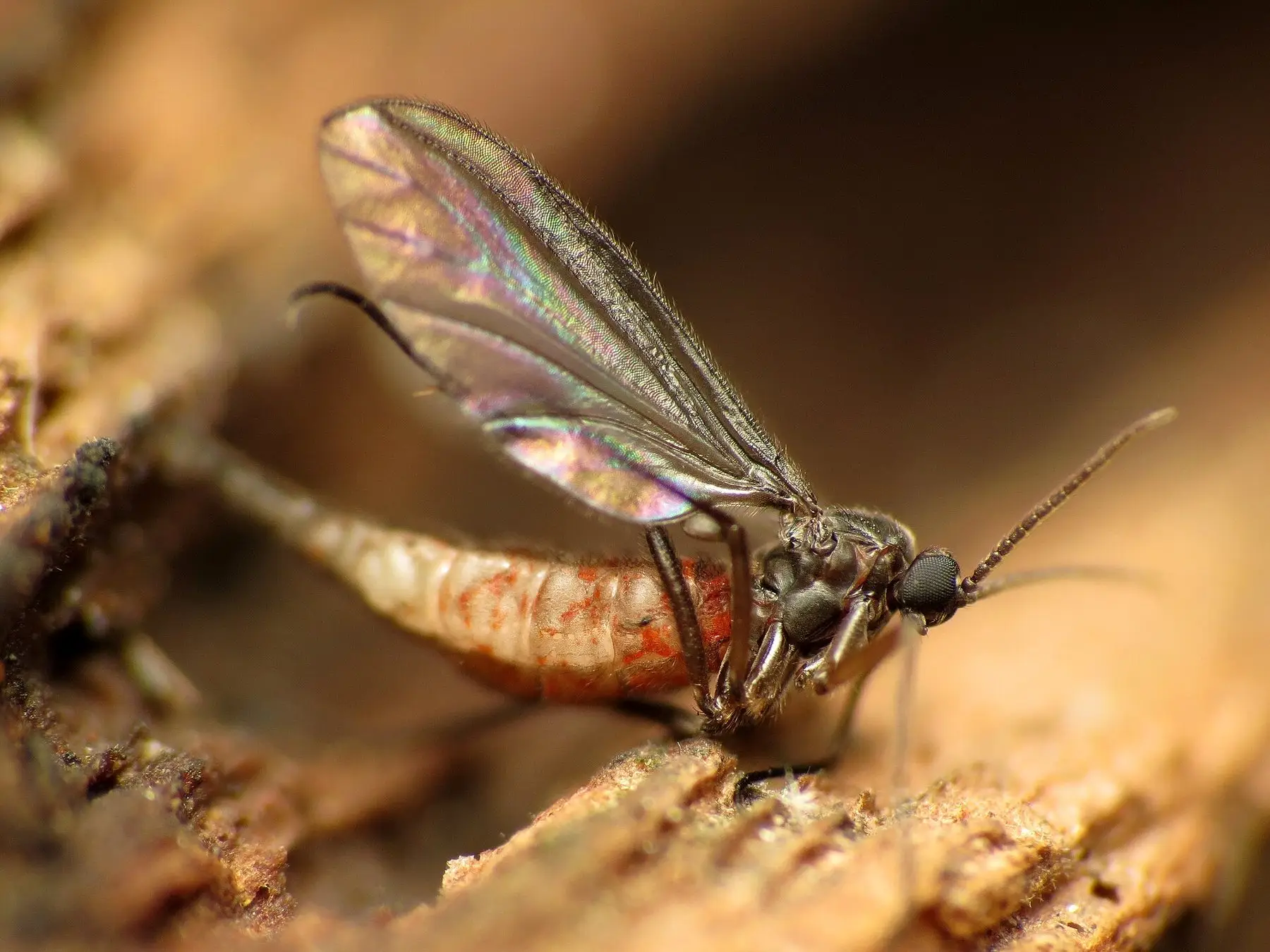
Fungus Gnats: Kill the Larvae, Not the Flies You See
The adults are harmless; the larvae in the top inch of compost are what damage roots. Why letting the surface dry works, and what actually breaks the cycle.