
Does Neem Oil Kill Powdery Mildew? Yes, On Contact Only
Neem oil kills powdery mildew spores it physically wets and prevents new infection for a few days. It does not cure leaves already badly colonised.
 By
On this page
Yes — where it lands. Neem oil kills the mildew it physically wets and keeps the leaf surface hostile to new spores for three to seven days. It is not systemic and it does not return a colonised leaf to green.
What “contact only” means in practice
| Neem oil | Potassium bicarbonate | Sulfur | |
|---|---|---|---|
| Kills on contact | Yes | Yes, more decisively | Yes |
| Systemic | No | No | No |
| Protective residue | 3–7 days | A few days | Longer |
| Also kills insects | Yes — aphids, mites | No | Mites, somewhat |
| Burn risk | Oil + sun | Low | High in heat |
| Best role | Maintenance | Knocking back an outbreak | Severe cases |
Mixing and spraying
- Follow the product label for rate — concentrations differ. Cold-pressed neem is typically 1–2 tsp per litre plus a few drops of mild liquid soap as an emulsifier.
- Mix fresh. It separates and degrades within hours; yesterday’s batch is mostly water.
- Strip the worst leaves first. Anything over about half covered is a spore factory. Bin it, do not compost it. Never take more than a third of the plant.
- Wet both sides of every leaf, plus stems and leaf axils. Missed surfaces are untreated.
- Repeat every 7 days while active; every 10–14 in humid weather as prevention.
The burn is sun and heat, not the oil
Oil on a leaf in direct sun concentrates heat and scorches it. Spray at dusk or under cloud, and never above about 29°C. Test a single leaf and wait a day before doing a whole plant, and skip anything already wilted or drought-stressed.
Why the mildew keeps coming back
Spraying treats the symptom. Powdery mildew needs still, humid air around the leaves, and it thrives where that is on offer:
- Crowded planting with no airflow between plants
- Overhead watering in the evening, leaving leaves damp overnight
- Shade plus warmth — the classic combination
- Susceptible varieties grown anyway; resistant cultivars exist for squash, cucumber, bee balm and phlox
The cheapest fix is spacing
Thinning and pruning for airflow does more for recurring mildew than any spray, and it is free. Water at the roots in the morning and the leaves are dry by dusk.
The honest expectation
Neem will hold a mild infection and prevent a new one. On a plant already white across most of its leaves, it is the wrong tool — knock it back with potassium bicarbonate, remove the worst foliage, fix the airflow, and use neem to keep the new growth clean.
Common questions
Does neem oil kill powdery mildew?
What ratio of neem oil do I use for powdery mildew?
How often should I spray?
Will neem oil burn my leaves?
Is neem oil the best treatment for powdery mildew?
Do I need to remove the mildewed leaves?
Backyard Weekly
Know what to plant, week by week
Join the weekly email for seasonal jobs, fixes for what is going wrong, and gear worth buying.
Not ready to subscribe? The planting calendar is free and needs no email.
By subscribing you agree to our privacy policy. Grow In Backyard will never sell your address.
Keep reading
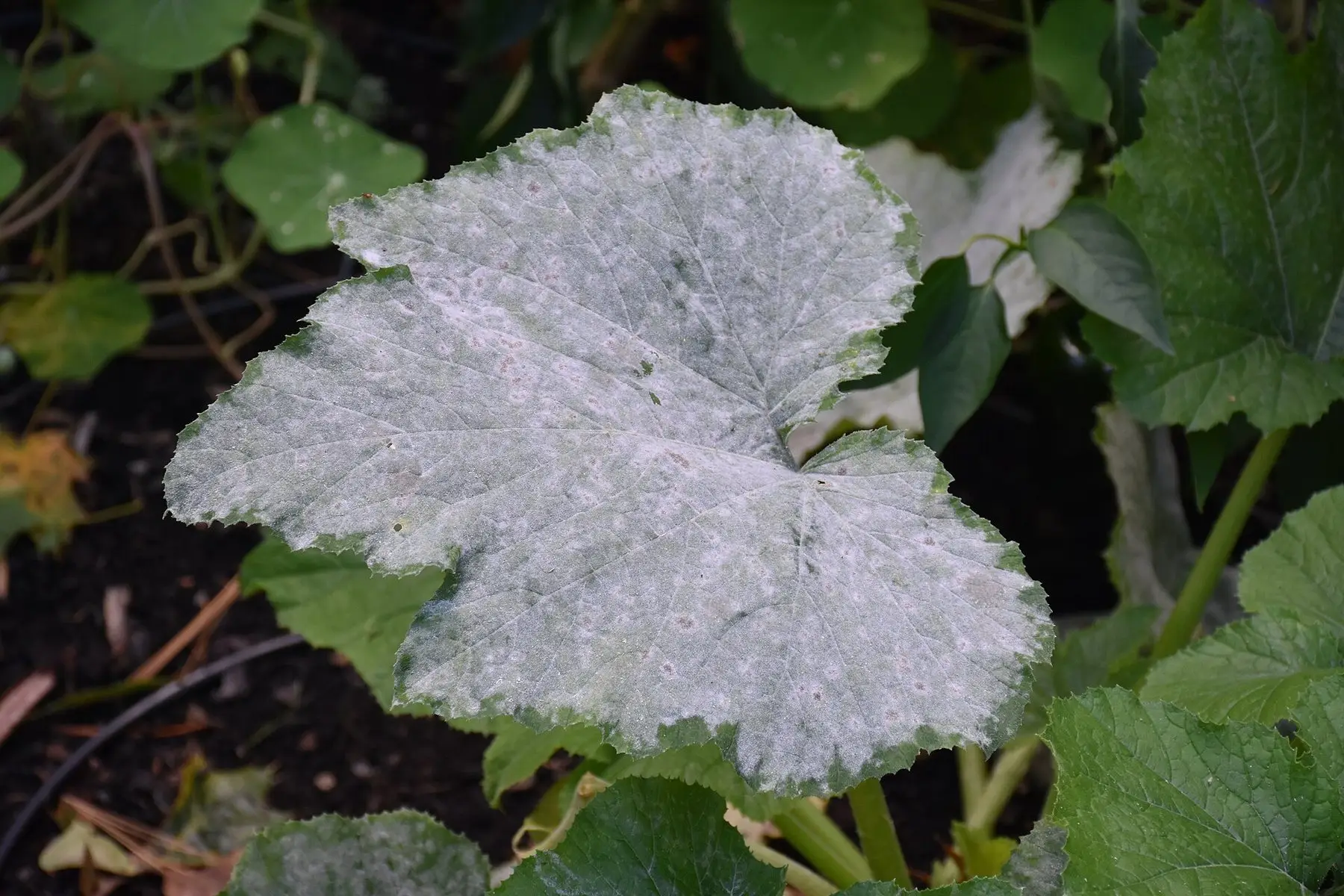
Powdery Mildew: Why It Spreads and What Actually Stops It
Powdery mildew is the one fungus that does not need wet leaves — it thrives in humid air and dry foliage. How to spot it early and what treatments hold up.
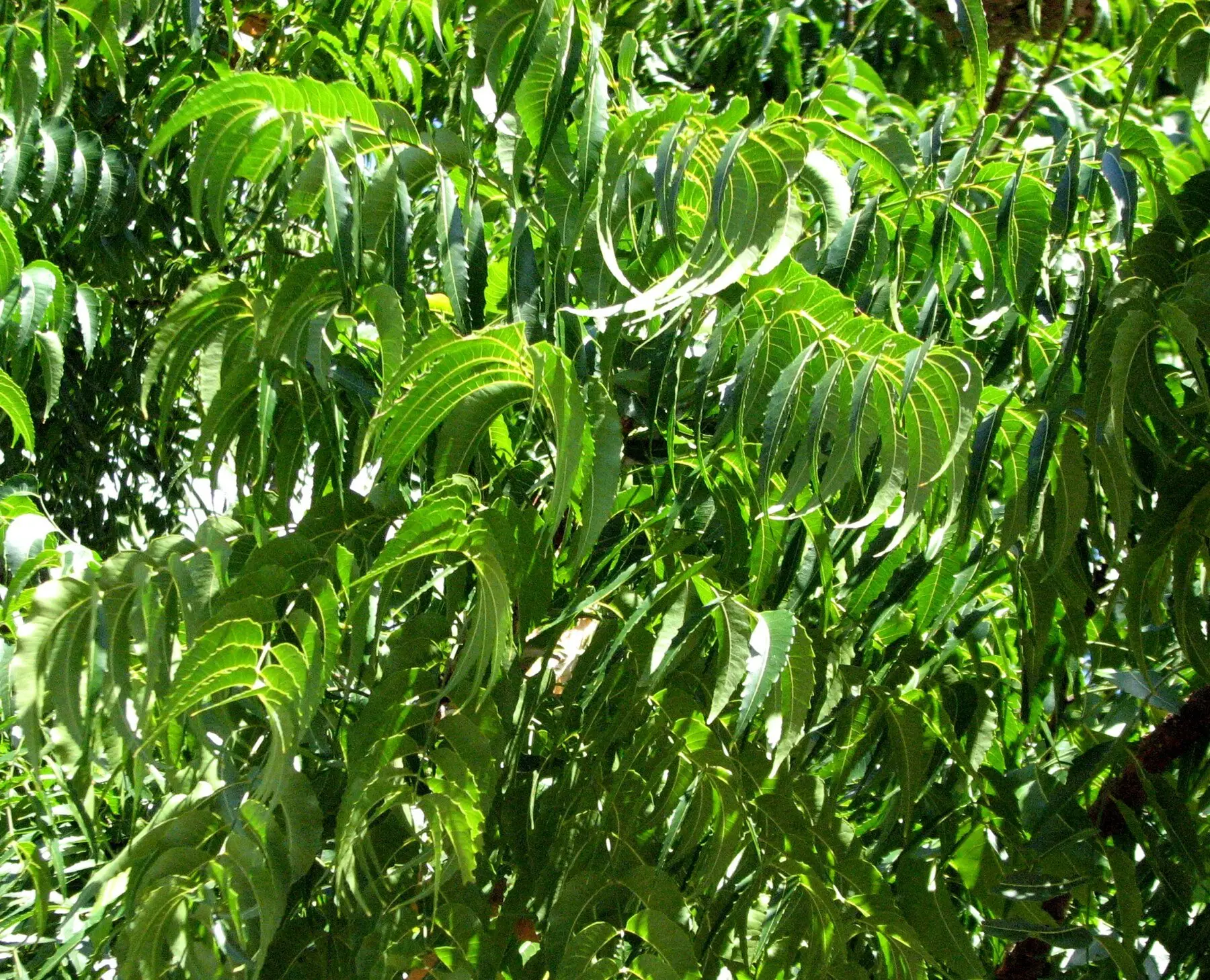
How to Use Neem Oil on Plants Without Burning Them
The right dilution, why it needs soap to mix, when to spray, and which pests it works on. Neem is slow and specific — treat it as a knockdown and it fails.
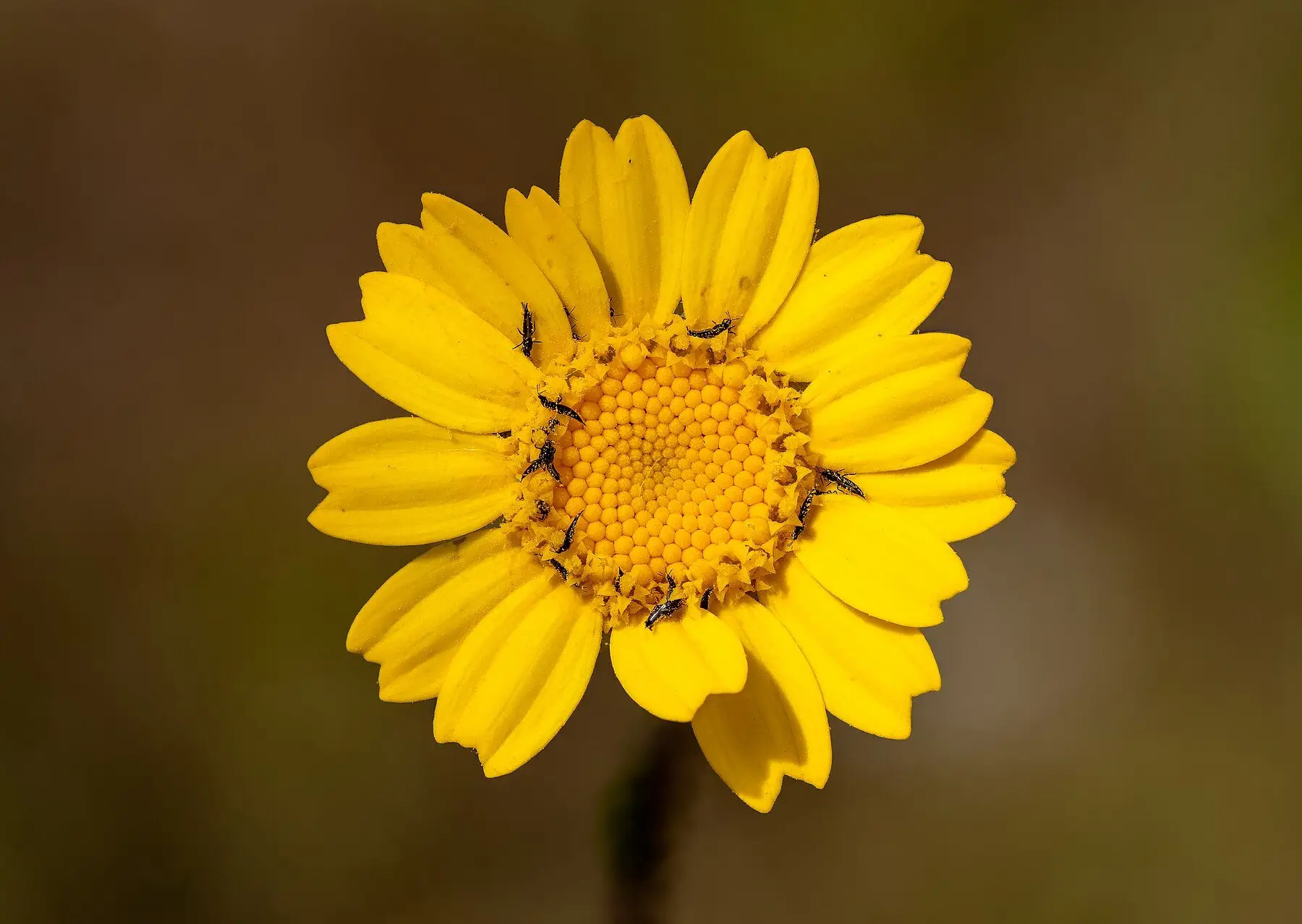
Does Neem Oil Kill Thrips? Slowly, and Only on Contact
Neem disrupts thrips rather than killing on contact, so it takes repeat sprays every 5–7 days. The pupae in the soil are what defeat most attempts.
Does Sulfur Kill Fungus? Yes, But Only What It Covers
Sulfur is a genuine contact fungicide that stops spores germinating on a sprayed surface. It is protective, not curative, and burns plants in heat.